How Do the Wild Horses Survive a Hurricane: Incredible Survival Tactics
Have you ever wondered how wild horses manage to survive the wrath of a hurricane? It’s a question that sparks curiosity and amazement.
Imagine standing in the face of nature’s fury, where fierce winds and torrential rains threaten everything in their path. Yet, these majestic creatures somehow endure. How do they do it? This mystery captivates our minds and holds a secret that might surprise you.
Stay with us as we unravel the incredible survival instincts and strategies of wild horses during these powerful storms. You won’t want to miss the fascinating insights that could change the way you see these resilient animals forever.
Wild Horses And Hurricanes
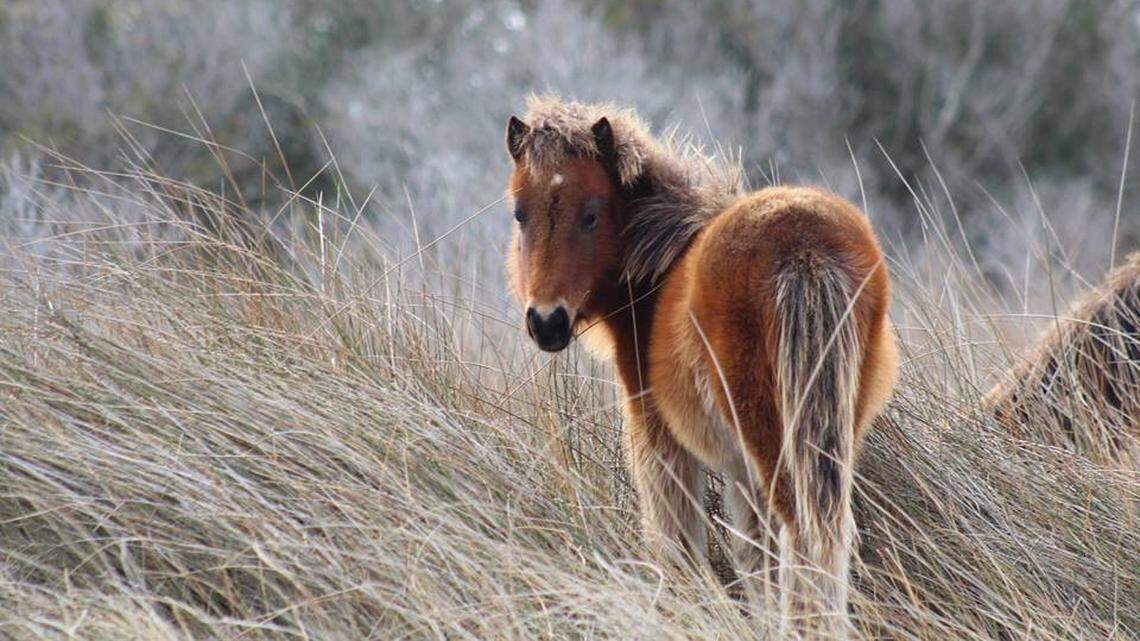
Wild horses live in places where storms can happen often. Hurricanes bring strong winds and heavy rain. These storms can be very hard for wild horses.
This article explains how wild horses survive hurricanes. It looks at where they live and what problems hurricanes cause.
Habitats In Storm-prone Areas
Many wild horses live near coasts and islands. These areas have hurricanes more than other places. Horses find food and water in these habitats.
These places have open fields, forests, and some hills. Hills help horses find shelter during storms. Wetlands nearby can flood during hurricanes.
- Coastal plains with grass for grazing
- Hilly areas for shelter and safety
- Wetlands that may flood during storms
Challenges Posed By Hurricanes
Hurricanes bring many dangers for wild horses. Strong winds can hurt them or destroy their homes. Flooding can trap horses or wash away their food.
Storms also make it hard for horses to find dry land and fresh water. They must move quickly to stay safe. Injuries and stress happen often during hurricanes.
- Strong winds cause injuries and damage
- Floods trap horses and destroy food
- Finding dry land becomes difficult
- Stress affects health and survival

Credit: wset.com
Detecting The Storm
Wild horses have ways to sense storms before they arrive. They rely on natural signs to prepare themselves.
Understanding how horses detect hurricanes helps us learn about their survival skills.
Sensing Weather Changes
Wild horses can feel changes in the air before a storm. They notice shifts in wind and humidity.
The horses also hear distant thunder or see dark clouds forming far away. These signs warn them of bad weather.
- Wind direction changes
- Humidity rises
- Distant thunder sounds
- Dark clouds appear
Behavioral Cues Before Hurricanes
Before a hurricane, wild horses act differently. They become restless and move to safer places.
They often group together tightly to protect each other. This behavior helps them stay calm and safe.
- Restlessness and pacing
- Seeking higher ground
- Grouping closely
- Less grazing, more alertness
Natural Shelter Strategies
Wild horses face many dangers during hurricanes. They use natural shelters to stay safe. These shelters help protect them from strong winds and heavy rain.
Understanding how wild horses find shelter helps us see their survival skills. They choose places that reduce the storm’s impact on their bodies.
Choosing Safe Terrain
Wild horses look for high or flat ground to avoid floods. They avoid low areas that can fill with water quickly. Hills and ridges give them safer spots during storms.
They also stay away from open fields. Open areas expose them to strong winds. Instead, they find places with natural barriers like rocks or hills.
- High ground prevents flooding
- Hills block strong wind
- Ridges provide safer resting spots
- Avoiding open fields reduces wind exposure
Using Vegetation For Protection
Wild horses use trees and bushes as windbreaks. Thick vegetation slows down the wind. It also reduces flying debris that can hurt them.
They find spots near dense shrubs or forest edges. These plants act like natural walls. The horses huddle close to stay warm and dry during the storm.
- Trees block strong winds
- Bushes reduce rain impact
- Dense shrubs protect from flying debris
- Vegetation offers warmth and shelter
Group Dynamics During Storms
Wild horses rely on their group to survive harsh storms. Their behavior changes to protect the herd from danger. Storms like hurricanes test their instincts and teamwork.
Understanding how wild horses act in these moments reveals their strong bonds. They use natural strategies to stay safe and calm during chaos.
Herding Instincts And Safety
Wild horses gather close together to protect each other. The herd forms tight groups to block wind and rain. The stronger horses shield the weaker ones, especially foals.
- They face the wind as a group to reduce its impact.
- Older horses watch for signs of danger.
- The herd moves slowly to safer areas.
- They stay near trees or hills for shelter.
- Foals stay in the center for protection.
Communication Amid Chaos
Horses use sounds and body language to stay connected. They make soft nickers and whinnies to reassure each other. Quick movements warn the herd of threats.
| Type of Communication | Purpose |
| Nickering | Calm and comfort the herd |
| Whinnying | Alert others to danger |
| Ear Position | Signal attention or worry |
| Tail Movements | Show mood or readiness |
| Body Stance | Guide herd movement |
Physical Adaptations For Survival
Wild horses live in areas where hurricanes can happen. They need special physical traits to survive strong storms.
These traits help them stay safe and find food and water even when the weather is bad.
Endurance And Strength
Wild horses have strong muscles that help them run fast and far. This lets them escape storms quickly.
Their large lungs and heart help them keep going without getting tired during long storms or floods.
- Powerful legs for fast running
- Strong heart and lungs for long endurance
- Muscular body to carry weight and push through tough terrain
Navigating Flooded Landscapes
Wild horses can walk through deep water and mud. Their strong legs stop them from sinking.
Their hooves spread wide to give better balance on soft, wet ground during floods.
- Wide hooves to prevent sinking
- Strong legs for moving through mud and water
- Good balance on slippery surfaces
Credit: www.newsobserver.com
Post-hurricane Recovery
Wild horses face many challenges after a hurricane. They must find food and water quickly. The storm can change their land and resources.
Recovering means learning where to eat and drink again. They also need to rebuild their space to stay safe.
Finding Food And Water
Hurricanes can wash away plants and pollute water. Wild horses search for fresh grass and clean water sources. They often move to higher ground or new areas.
- Look for new patches of grass that grow after rain
- Drink from streams or ponds that are not polluted
- Eat bark or leaves if grass is scarce
- Travel in groups to find safe food and water
Rebuilding Territory
After a hurricane, wild horses rebuild their home areas. They mark new boundaries and find shelter from storms. This helps them protect their herd.
| Recovery Activity | Purpose |
| Marking new territory | Keep herd safe and avoid conflicts |
| Finding shelter | Protect from weather and predators |
| Re-establishing trails | Reach food and water easily |
| Staying in groups | Increase safety and support |
Human Impact And Conservation
Wild horses face many dangers during hurricanes. Human actions affect their safety and survival. Conservation efforts help protect these animals in storm areas.
People living near wild horse habitats must understand how storms impact the herds. Protecting horses needs planning and care before and after storms.
Protecting Wild Horses In Storm Zones
Wild horses often live in coastal and lowland areas. These places face strong winds and flooding during hurricanes. Human development can reduce safe spaces for horses to escape storms.
- Limit building near wild horse habitats
- Keep natural barriers like dunes and trees intact
- Create safe zones where horses can find shelter
- Monitor horse populations regularly to check their health
- Educate communities about the importance of wild horses
Support During Extreme Weather
During hurricanes, wild horses need help to survive. Rescue teams and conservation groups work to protect them. They provide food, water, and medical care after storms.
| Support Action | Description |
| Evacuation | Moving horses to safer areas before storms |
| Emergency Feeding | Providing food when natural sources are damaged |
| Medical Care | Treating injuries caused by storms |
| Habitat Restoration | Repairing damaged land and shelter areas |
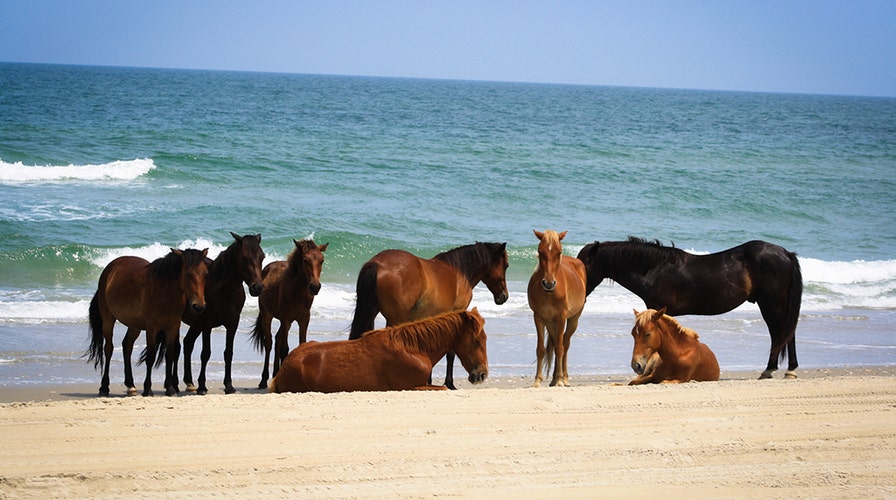
Credit: www.foxnews.com
Frequently Asked Questions
How Do Wild Horses Detect An Approaching Hurricane?
Wild horses sense changes in weather through shifts in wind direction and pressure. They become restless and seek shelter early. Their instincts guide them to safe areas before the hurricane arrives, increasing their survival chances.
Where Do Wild Horses Find Shelter During Hurricanes?
Wild horses usually find shelter in dense forests or elevated terrain. These areas protect them from strong winds and flooding. They avoid open fields and low-lying areas prone to water accumulation during storms.
How Do Wild Horses Stay Safe From Hurricane Flooding?
Wild horses move to higher ground when flooding threatens. Their natural instincts drive them to avoid waterlogged areas. Staying on elevated land helps them avoid dangerous floodwaters and find dry, safe spots during hurricanes.
What Role Does Herd Behavior Play In Hurricane Survival?
Herd behavior enhances wild horses’ safety during hurricanes. They stick together, providing protection and guidance. Group movement increases the chance of finding shelter and helps them respond quickly to environmental changes.
Conclusion
Wild horses face hurricanes with strong instincts and teamwork. They find high ground to stay safe from floods. Staying close helps them protect each other. Their thick coats shield them from rain and wind. Nature gives them tools to survive tough storms.
These horses remind us of strength and survival. Watching them shows how animals adapt and endure. Their story is one of courage in wild weather.