Can a Submarine Survive a Hurricane: Shocking Truth Revealed
Imagine you’re piloting a vessel deep beneath the ocean’s surface, surrounded by the quiet, dark blue depths of the sea. Suddenly, above you, the water churns violently as a powerful hurricane rages on the surface.
You might wonder, can a submarine survive such a massive storm? This question sparks curiosity, doesn’t it? The answer is both fascinating and complex, as it involves understanding the incredible engineering of submarines and the raw, untamed power of nature.
As you read on, you’ll discover the surprising capabilities of submarines, how they navigate these stormy waters, and whether they truly can withstand the fury of a hurricane. Stay with us as we dive into this intriguing topic, breaking down the science and the mystery for you.

Credit: www.msn.com
Submarine Design And Structure
Submarines are built to operate underwater and face tough ocean conditions. Their design helps them survive strong forces like hurricanes.
The structure of a submarine keeps it safe from pressure, water, and rough weather. Let’s look at how this works.
Hull Strength And Materials
The hull is the outer shell of a submarine. It must be very strong to protect the inside from water and impacts.
Submarines use thick steel or titanium for the hull. These metals resist bending and breaking in rough seas.
- Steel is tough and affordable
- Titanium is lighter and resists corrosion
- Hull shape reduces water pressure effects
Pressure Resistance Capabilities
Water pressure grows as submarines go deeper. The hull must hold against this strong pressure.
Submarines are tested to handle pressure far stronger than a hurricane’s force. This keeps the crew safe inside.
- Hull thickness increases with depth rating
- Pressure hull is a separate inner shell
- Advanced welding keeps hull sealed tightly
Buoyancy Control Systems
Buoyancy control helps submarines rise or sink in water. It uses tanks that fill with air or water.
This system lets submarines avoid rough waves during hurricanes by moving to safer depths.
- Ballast tanks adjust water and air levels
- Controls help keep stability in strong currents
- Quick response lets submarine dive below storm
Hurricane Characteristics At Sea
Hurricanes are powerful storms that form over warm ocean waters. They bring strong winds, huge waves, and heavy rain. These conditions make the sea very dangerous.
Understanding hurricane features at sea helps us know if submarines can survive them. The wind, waves, pressure, and storm path all play a role.
Wind Speeds And Wave Heights
Hurricanes have very strong winds that can reach over 150 miles per hour. These winds push the ocean water, creating huge waves. Waves can grow taller than 50 feet.
The tall waves and strong winds make the sea rough and wild. On the surface, conditions look very dangerous for any ship or boat.
- Wind speeds can exceed 150 mph
- Waves can be taller than 50 feet
- Surface water moves violently
Storm Surge And Pressure Changes
A storm surge is a rise in sea level caused by hurricane winds pushing water toward the shore. This can flood coastal areas. Submarines deep underwater do not feel the surge directly.
Hurricanes also have very low air pressure at their center. Low pressure changes the water pressure above the submarine. This can affect how the submarine controls its depth.
- Storm surge raises sea level near coasts
- Low pressure affects underwater water pressure
- Submarines adjust depth to balance pressure
Duration And Path Variability
Hurricanes last for several hours to days while moving across the ocean. Their paths can change quickly and unpredictably. This makes it hard to avoid them at sea.
Submarines can dive deep to stay safe during a hurricane. They can stay underwater until the storm passes. Knowing the storm’s path helps plan safe routes.
- Hurricanes last hours to days
- Paths can change unexpectedly
- Submarines use deep water to avoid damage
Submarine Behavior During Hurricanes
Hurricanes cause strong winds and huge waves on the ocean surface. Submarines can face tough conditions during these storms. They use special methods to stay safe underwater.
Understanding how submarines act during hurricanes helps us know their strengths. They rely on diving, navigation, and communication to handle the storm.
Diving To Avoid Surface Turbulence
Submarines dive deep to escape the rough waves and strong winds. Below the surface, the water is calmer and less affected by the hurricane. This protects the submarine from damage.
Diving also helps submarines save fuel and keep steady. They stay deep until the hurricane passes, then return to the surface safely.
Navigational Challenges Underwater
Hurricanes change the ocean currents and water pressure. This makes it harder for submarines to know their exact position. They use special tools to navigate underwater during storms.
- Sonar helps detect nearby objects and terrain
- Gyroscopes keep track of the submarine’s direction
- Depth sensors monitor how deep the submarine is
Even with these tools, navigation takes extra care during hurricanes. Submarine crews must watch for sudden changes in water conditions.
Communication Limitations
Hurricanes cause strong interference with radio and satellite signals. Submarines often lose contact with surface ships and command centers. This limits their ability to send and receive messages.
To deal with this, submarines use low-frequency signals that travel better underwater. They also rely on pre-set instructions to act safely during communication blackouts.
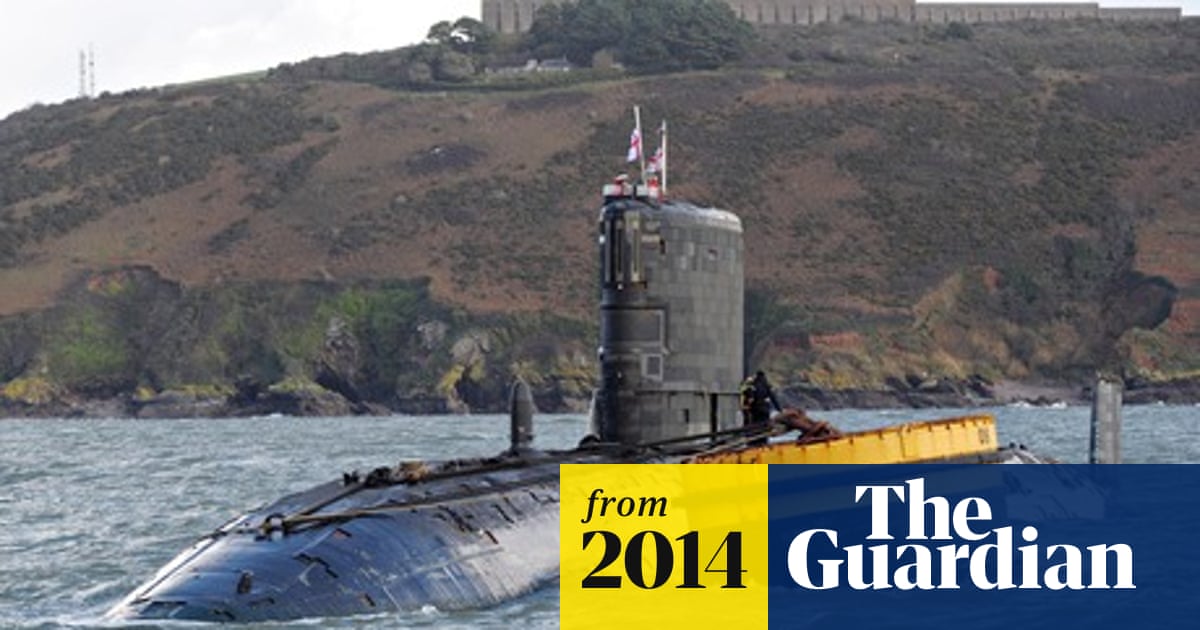
Credit: www.theguardian.com
Historical Incidents And Case Studies
Submarines face extreme challenges during hurricanes. These storms create powerful waves and strong winds. Studying past submarine encounters helps us understand how they survive.
We look at recorded incidents and the lessons learned. These stories show the risks and how crews prepare for such events.
Recorded Submarine Encounters With Hurricanes
Several submarines have met hurricanes while at sea. One famous case is the USS Sargo in 1944. It faced a typhoon in the Pacific Ocean. The crew dived deep to avoid surface damage. The submarine survived but faced heavy strain.
- USS Sargo (1944): Encountered a Pacific typhoon, survived by diving deep.
- USS Skate (1958): Passed through hurricane-force winds in the Atlantic, maintained underwater safety.
- Russian K-219 (1986): Faced a severe storm in the Atlantic, suffered damage but stayed afloat.
Lessons Learned From Past Events
These incidents taught navies key survival strategies. Submarines dive below storm waves to reduce impact. Crew training on emergency protocols improves chances of survival.
| Lesson | Description |
| Diving Deep | Submarines dive below wave height to avoid surface dangers. |
| Hull Strength | Strong hulls resist pressure and rough seas. |
| Crew Training | Well-trained crews respond quickly to emergencies. |
| Weather Tracking | Early storm detection helps plan safe routes. |
Technological Advances Enhancing Safety
Submarines face many dangers under the sea. Storms like hurricanes can be very risky. New technology helps submarines stay safe during these storms.
These advances improve how submarines detect storms, sense their surroundings, and follow safety rules. These tools make it easier to survive harsh weather underwater.
Storm Prediction Systems
Modern storm prediction systems use satellites and computers. They give early warnings about hurricanes and big storms. This helps submarines prepare before the storm hits.
These systems track the storm’s path and strength. Submarines can change their route or dive deeper to avoid the worst parts.
- Satellite images show storm development
- Computer models predict storm movement
- Early warnings give more time to act
Improved Submarine Sensors
Submarines now have better sensors to detect water pressure and temperature changes. These sensors help find safe depths during storms. They also monitor waves and currents inside the ocean.
Advanced sonar helps submarines see underwater obstacles. It also tracks changes in the ocean caused by a hurricane. This information helps the crew make quick decisions.
- Pressure sensors detect water changes
- Temperature sensors track ocean shifts
- Sonar maps underwater hazards
Emergency Protocols
Submarine crews follow strict emergency protocols during hurricanes. These rules guide actions like diving deeper or surfacing safely. Crews train often to react fast and stay calm.
Protocols include securing loose equipment and checking all systems. Communication with other ships and bases is kept open to get help if needed.
- Dive to safer depths
- Secure all equipment
- Maintain clear communication
- Regular crew training for emergencies
Limitations And Risks
Submarines are built to handle strong ocean forces. Still, hurricanes bring extreme challenges. These storms can push conditions beyond what submarines are designed for.
Understanding the limits and risks helps us see how submarines cope with hurricanes. It also shows what dangers crews might face inside.
Extreme Conditions Beyond Design Limits
Submarines have strong hulls to resist water pressure. They are made to dive deep and avoid surface storms. Still, hurricanes create waves and currents much bigger than usual.
Sometimes, the forces in a hurricane can go beyond what submarines can handle. Strong underwater currents and rapid pressure changes can stress the vessel.
- Powerful underwater currents may push the submarine off course
- Extreme wave action can affect surface operations
- Rapid pressure changes may strain the hull and systems
Potential Damage Scenarios
Hurricanes can cause damage to submarines even underwater. Equipment on the surface of the sub may break. Internal systems may face strain from shaking or water pressure.
Electrical failures or leaks could happen if the submarine takes too much stress. This damage can reduce the sub’s ability to navigate or communicate.
- Damage to antennas or periscopes above the water
- Stress cracks in the hull from pressure changes
- Failures in propulsion or steering systems
- Water leaks in seals or hatches
Crew Safety Concerns
The crew inside the submarine faces risks during a hurricane. The violent shaking and noise can cause stress and injury. Limited space makes movement hard in emergencies.
Power or system failures can create dangerous situations. Crews must rely on training and safety equipment to stay safe during storms.
- Risk of injury from sudden movements or equipment failure
- Possible loss of communication with support teams
- Challenges in maintaining life support systems
- Increased stress and fatigue among crew members
Comparing Submarines To Surface Ships
Submarines and surface ships travel in oceans but face storms differently. Hurricanes cause rough seas and strong winds. These conditions affect surface ships more than submarines.
Understanding how submarines and surface ships handle hurricanes helps explain why submarines can survive better in such storms.
Advantages Of Submersion
Submarines can dive deep underwater to avoid hurricanes. They stay below the storm’s rough waves and strong winds. This keeps the submarine safe and steady.
Underwater, the pressure is strong but submarines are built to handle it. Submersion stops the submarine from being tossed by the storm.
- Protection from high winds and waves
- Stable environment below the storm
- Less risk of damage or capsizing
Surface Vessel Vulnerabilities
Surface ships stay on the water’s surface and face waves and wind directly. Hurricanes create huge waves that can toss ships around. Strong winds can damage the ship’s structure.
Surface vessels risk capsizing or being damaged by debris in the water. They must navigate carefully to avoid the worst parts of the storm.
- Exposure to giant waves and strong winds
- Risk of capsizing or flooding
- Damage to masts, antennas, and hull

Credit: www.aol.com
Frequently Asked Questions
Can Submarines Withstand Hurricane Conditions Underwater?
Yes, submarines are designed to operate below the ocean surface where hurricanes have minimal impact. The water depth and submarine hull strength protect them from strong winds and waves above.
How Do Submarines Avoid Hurricane Dangers On The Surface?
Submarines dive deep before hurricanes arrive to avoid surface turbulence. This strategy keeps crew and equipment safe from storm damage during the hurricane.
Do Hurricanes Affect Submarine Navigation And Communication?
Hurricanes can disrupt surface communication but submarines rely on underwater navigation systems. These systems function effectively even during severe weather, ensuring operational safety.
Are Submarines Built To Survive Extreme Ocean Storms?
Absolutely. Submarine hulls are reinforced to resist high pressure and rough underwater conditions, allowing them to survive extreme storms like hurricanes without damage.
Conclusion
Submarines handle hurricanes by diving deep underwater. Storms affect surface ships more than submarines below. The ocean shields submarines from strong winds and waves. Crews rely on advanced technology to stay safe inside. Still, submarines must prepare carefully before storms approach.
They avoid dangerous areas to reduce risks. Overall, submarines have a good chance to survive hurricanes. Their design and operation keep them secure beneath the sea. This shows how built for tough conditions submarines truly are.