Can Redwoods Survive in Hurricane: Shocking Resilience Revealed
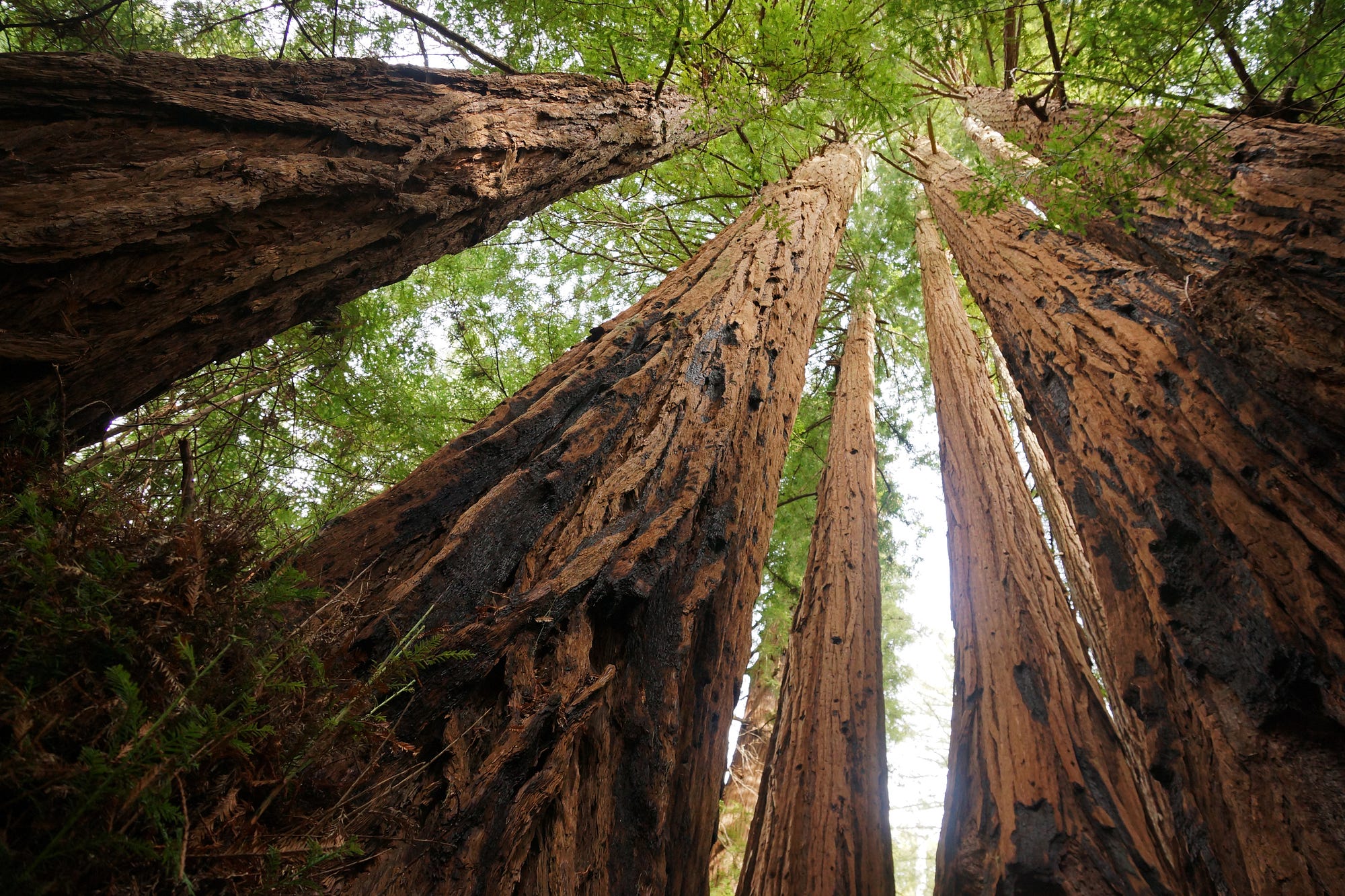
Imagine standing beneath towering giants, their ancient bark whispering tales of centuries past. These majestic redwoods are a testament to nature’s resilience.
But what happens when these silent sentinels face the wrath of a hurricane? You might wonder if these ancient trees can withstand such ferocious winds or if they succumb to nature’s fury. This question isn’t just about the redwoods; it’s about understanding strength, survival, and the unexpected ways nature adapts.
Stay with us as we delve into the surprising facts and fascinating science behind the redwoods’ battle against hurricanes. Your curiosity will be rewarded with insights that might just change the way you see these incredible trees.
Redwoods And Their Natural Habitat
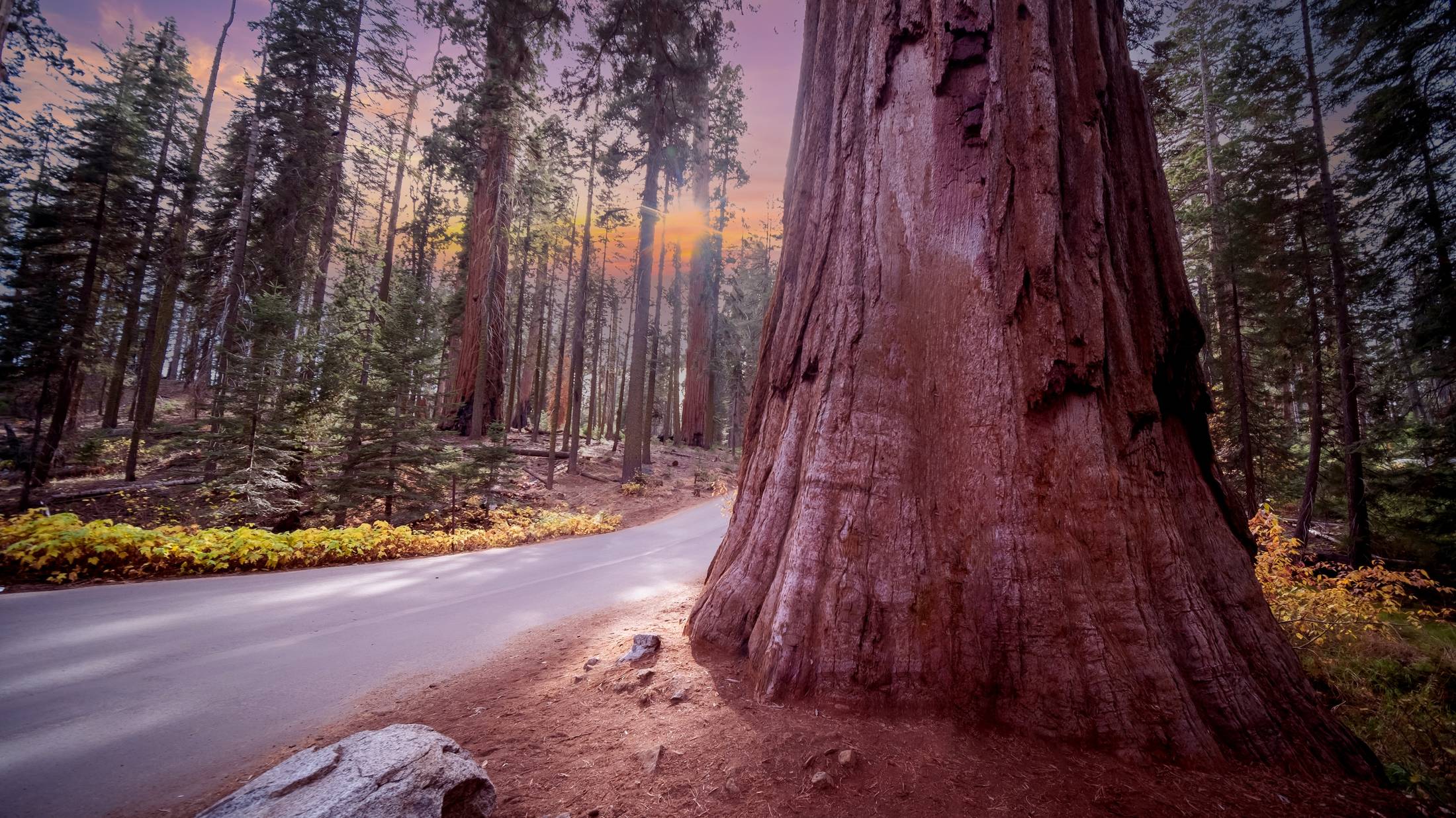
Redwoods are some of the tallest trees on Earth. They grow mainly along the coast of California.
These trees live in places with cool, wet weather. Their environment helps them grow very tall.
Where Redwoods Thrive
Redwoods grow best near the Pacific Ocean. They like areas with fog and steady rain.
They often grow in valleys and on mountain slopes. The soil there is rich and moist.
- Coastal California and southern Oregon
- Foggy, moist forests
- Near rivers and streams
- Well-drained, deep soils
Climate Conditions They Prefer
Redwoods need mild temperatures. They do not do well in very hot or freezing weather.
They depend on fog to keep them hydrated during dry months. Rainfall is also important all year.
- Cool, moist air with frequent fog
- Annual rainfall of 40 to 100 inches
- Temperatures between 40°F and 70°F
- Low risk of strong storms like hurricanes

Credit: farewellalarms.com
Impact Of Hurricanes On Trees
Hurricanes bring strong winds and heavy rain. These forces can harm many trees. Some trees lose branches or fall down.
Redwoods are tall and strong trees. People wonder if they can survive such storms. Understanding hurricane effects helps us learn more.
Common Tree Damage From Hurricanes
Hurricane winds cause different types of damage to trees. Large branches often break off. Some trees may lose their leaves or needles. Strong winds can uproot trees completely.
- Broken branches from wind pressure
- Stripped leaves or needles
- Uprooted or fallen trees
- Cracked or split trunks
Flooding from heavy rain can also harm tree roots. Wet soil makes roots weak. This makes trees easier to fall in the wind.
Factors Influencing Tree Survival
Several things decide if a tree survives a hurricane. The tree’s size and shape matter. Strong roots help hold the tree in place.
Soil type and water level also affect survival. Trees on firm ground do better than those in soft, wet soil. The hurricane’s wind speed and direction also play a role.
- Tree species and wood strength
- Root depth and soil conditions
- Tree height and branch structure
- Wind speed and storm duration
Redwoods’ Structural Strength
Redwoods are among the tallest and oldest trees on Earth. Their strong structure helps them survive tough weather.
This strength comes from their roots, trunks, and branches working together to resist damage.
Root Systems And Stability
Redwoods have wide, shallow roots that spread out far from the trunk. This root system holds the tree firmly in the ground.
The roots grow close to the surface to absorb water and nutrients. They also connect with roots of nearby trees, adding extra support.
- Wide root spread increases grip in the soil
- Shallow roots avoid deep rocky layers
- Roots join with other trees for strength
Trunk And Branch Flexibility
The trunk of a redwood is thick but flexible. It bends with strong winds instead of breaking.
Branches grow in a way that lets them sway during storms. This movement lowers the chance of snapping.
- Thick trunk absorbs wind pressure
- Trunk flexibility prevents cracks
- Branches bend to reduce breakage
Case Studies Of Redwoods In Storms
Redwoods are known for their height and strength. People often wonder if these trees can survive big storms. This section looks at how redwoods have faced powerful weather events.
We will explore real stories from past storms. These stories show how redwoods reacted to strong winds and heavy rain. The information helps us understand their ability to survive.
Historical Storm Encounters
Redwoods have faced many storms over the years. Some storms caused damage, but many trees stood tall. In 1962, the Columbus Day Storm hit the West Coast hard.
- Thousands of trees fell during the storm.
- Redwoods showed strong resistance to wind damage.
- Many redwoods lost branches but stayed standing.
- Older and larger redwoods were less likely to fall.
These facts suggest redwoods can survive strong storms better than many other trees. Their deep roots and flexible trunks help them stay upright.
Survival Stories And Damage Reports
In recent storms, redwoods have shown both damage and survival. The 2018 Camp Fire caused damage to some groves. But many redwoods survived and continue to grow.
| Storm | Year | Damage to Redwoods | Survival Rate |
|---|---|---|---|
| Columbus Day Storm | 1962 | Many fallen trees, broken branches | High |
| Camp Fire | 2018 | Some burned trunks, lost foliage | Moderate to High |
| Recent Winter Storms | 2020-2023 | Minor limb loss, few uprootings | Very High |
Biological Adaptations For Resilience
Redwood trees have unique traits that help them survive tough weather. These traits make them strong against storms like hurricanes.
Understanding these biological adaptations shows why redwoods can live through heavy winds and water stress.
Growth Patterns That Aid Survival
Redwoods grow tall and straight with thick bark. Their roots spread wide but stay near the surface. This helps them stay stable during storms.
Their ability to grow new shoots after damage helps them recover fast. This growth pattern keeps the tree alive even after strong winds break branches.
- Thick bark protects from physical damage
- Wide shallow roots anchor the tree firmly
- Fast new shoot growth repairs damage quickly
- Tall, flexible trunks bend without breaking
Resistance To Wind And Water Stress
Redwoods resist wind by bending instead of breaking. Their flexible trunks can sway with strong gusts. This reduces damage during hurricanes.
They also handle water stress well. Their bark helps keep moisture in. Their leaves reduce water loss, which is useful during heavy rain or dry spells.
- Flexible trunks allow bending in strong winds
- Thick bark retains moisture and protects wood
- Leaves minimize water loss during storms
- Root system absorbs water quickly after rains

Credit: gardenerspath.com
Limitations To Redwood Survival
Redwoods are some of the tallest trees in the world. They have strong trunks and deep roots. Still, certain limits affect their ability to survive storms.
Hurricanes bring strong winds and heavy rain. These conditions can challenge even the toughest trees like redwoods.
Extreme Weather Thresholds
Redwoods can handle strong winds, but only up to a point. Very high wind speeds can break branches or uproot trees. Excessive rain can cause soil erosion, making roots less stable.
Hurricanes often have winds over 74 miles per hour. These winds can exceed what redwoods usually face. Flooding from heavy rain can also damage their root systems.
- Wind speeds above 70 mph risk breaking limbs
- Flooding weakens soil and root grip
- Strong storms can cause tree falls
Human Impact And Environmental Stressors
Human actions affect redwoods’ health. Logging and land use reduce forest size. This makes redwoods more exposed to wind damage. Pollution and climate change add more stress.
Environmental stress weakens trees. Weaker trees are less able to survive storms. Healthy forests protect redwoods by reducing wind speed and soil erosion.
- Logging reduces forest cover and protection
- Pollution harms tree growth and health
- Climate change increases storm frequency and strength
- Less forest means more wind impact on redwoods
Future Outlook Amid Climate Change
Redwoods are some of the tallest trees on Earth. They have lived for thousands of years. Climate change brings new challenges to their survival.
One big challenge is stronger storms. We must understand how redwoods can survive hurricanes. This will help protect them in the future.
Increasing Storm Intensity Risks
Hurricanes are becoming more powerful due to climate change. Strong winds and heavy rain can damage redwoods.
Redwoods have thick bark and deep roots. These traits help them resist some storms. Still, very strong hurricanes can break branches or uproot trees.
- More intense storms increase the chance of tree damage.
- Flooding can harm the soil around redwoods.
- Strong winds can cause large branches to fall.
- Storms may affect the forest ecosystem balance.
Conservation Efforts And Strategies
People work to protect redwoods from storm damage. Scientists study how redwoods respond to hurricanes. This helps create better care plans.
Conservation includes planting new trees and keeping forests healthy. Managing nearby lands reduces risks of fire and pests that weaken trees.
- Monitor redwood health before and after storms.
- Plant young trees to replace damaged ones.
- Keep forest floors clear to reduce fire risk.
- Limit human activities that harm redwoods.
Credit: www.thetravel.com
Frequently Asked Questions
Can Redwoods Withstand Hurricane-level Winds?
Redwoods have strong, flexible trunks and deep roots that help them resist strong winds. However, extreme hurricane-force winds can still cause damage or uprooting, especially in younger trees or weakened forests.
Do Redwoods Grow In Hurricane-prone Areas?
Redwoods naturally grow along the California coast, where hurricanes are rare. They are not typically adapted to survive frequent hurricanes or tropical storms.
How Do Redwoods Recover After Hurricane Damage?
Redwoods can regenerate through sprouting from their base if damaged. Their thick bark and resilience help them recover, but severe hurricanes can cause long-term harm.
Are Redwoods More Hurricane-resistant Than Other Trees?
Redwoods’ height and root structure provide some wind resistance. However, other trees with lower canopies may sometimes fare better in hurricanes due to less wind exposure.
Conclusion
Redwoods show great strength against strong winds and storms. Their deep roots help them stay firm during hurricanes. While some damage can occur, many redwoods survive and grow back. These trees have adapted to tough weather over many years. Protecting redwood forests helps keep these giants standing tall.
Nature’s resilience shines through in redwoods’ survival. They remind us how life can endure harsh conditions.