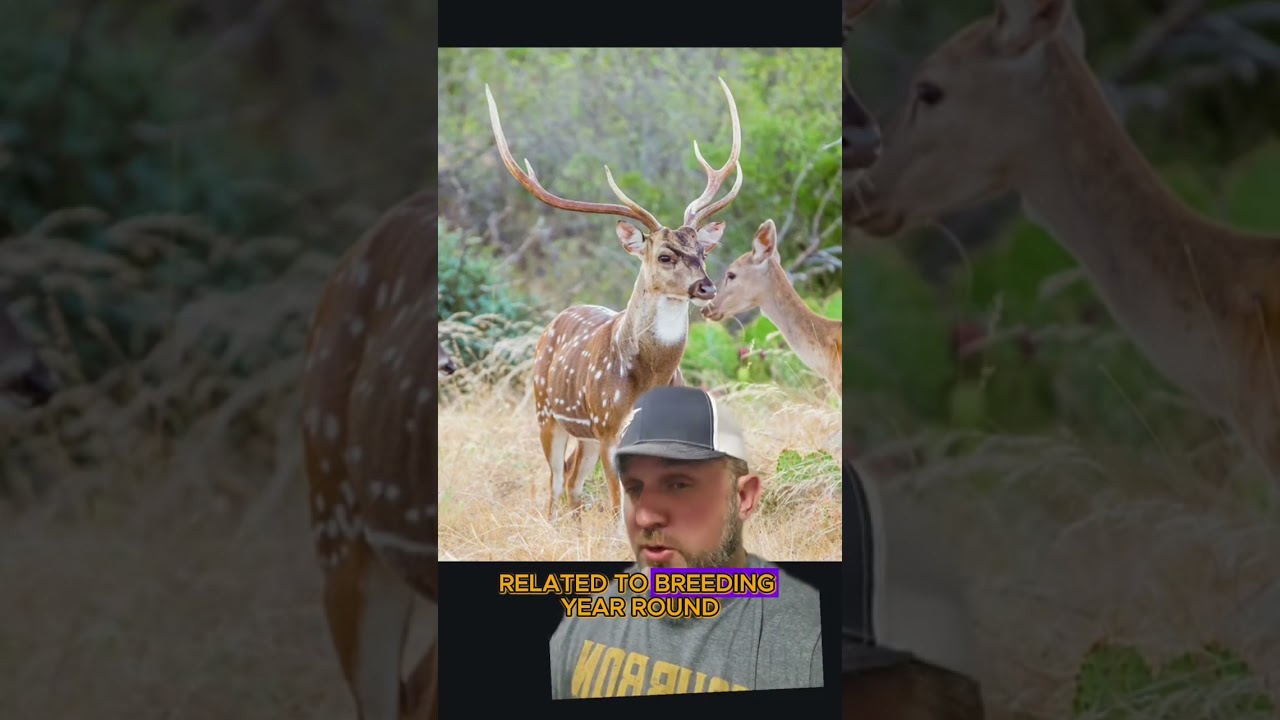
Can Axis Deer Survive in Cold Weather: Shocking Survival Facts
Have you ever wondered if the elegant and exotic Axis deer can thrive in chilly climates? These beautiful creatures, known for their striking spots and gentle nature, are often associated with warm, tropical environments.
But what happens when temperatures drop? Can they adapt and survive in the cold? Understanding this can be crucial for wildlife enthusiasts, conservationists, and anyone considering these deer for game farming in non-tropical regions. Dive into this fascinating topic, and you’ll discover surprising facts that might change the way you view these majestic animals.
Keep reading to find out how well Axis deer can really handle the cold, and what it means for their survival in diverse habitats.
Axis Deer Habitat
Axis deer live in different habitats, mainly in warm climates. Their ability to survive depends on the environment around them. Understanding their habitat helps us know how they adapt to cold weather.
Axis deer are native to South Asia. They prefer areas with enough food and shelter. These conditions affect their health and survival.
Native Climate Conditions
Axis deer come from regions with mild winters and hot summers. They are used to tropical and subtropical climates. Cold weather below freezing is unusual in their native areas.
- Temperature usually stays above 50°F (10°C) in winter
- Rainfall varies but supports dense vegetation
- Dry seasons alternate with wet seasons
- Snow and ice are rare in their natural range
Preferred Environment
Axis deer prefer habitats with a mix of forest and open grasslands. They need cover for hiding and open areas for grazing. Water sources are also important for their survival.
| Habitat Feature | Description |
| Vegetation | Grasses, shrubs, and light forests |
| Climate | Warm temperatures, low chance of frost |
| Water | Nearby streams or ponds |
| Terrain | Flat or gently rolling hills |

Credit: www.reddit.com
Cold Weather Challenges
Axis deer face many challenges in cold weather. Their survival depends on how well they handle these difficulties.
Cold weather affects their body and food availability. These factors make winter tough for axis deer.
Temperature Impact On Physiology
Low temperatures affect axis deer by making it harder to keep warm. Their thin coats do not protect well from cold.
- Axis deer have less fat to insulate their bodies.
- They lose more heat because of their small size.
- Cold slows down their metabolism, reducing energy.
- Shivering uses energy but helps keep body temperature.
Food Scarcity In Winter
Winter reduces the amount of food axis deer can find. Snow and frost cover plants they usually eat.
| Food Type | Availability in Winter |
| Grasses | Low |
| Leaves | Very Low |
| Buds and Twigs | Moderate |
| Fruits | Rare |
Adaptations For Cold Survival
Axis deer live mostly in warm places. Cold weather can be hard for them. They have special ways to survive cold seasons.
These adaptations help them keep warm and find food when it is cold outside. Their body and behavior change to face the cold.
Coat And Fur Changes
Axis deer grow thicker fur in cold weather. The fur becomes longer and denser. This extra fur keeps body heat inside.
Their coat color may also change a little. It helps them blend with the winter environment and protects against wind.
- Thicker and longer fur for insulation
- Denser undercoat traps warm air
- Darker fur helps absorb sunlight
- Color shifts for better camouflage
Behavioral Adjustments
Axis deer change how they act in cold weather. They move less to save energy. They also find shelter to avoid cold winds.
These deer stay in groups more often. Grouping helps them keep warm and stay safe from predators during winter.
- Reduce movement to save energy
- Seek shelter from wind and cold
- Stay in groups for warmth and safety
- Eat more to build fat reserves
Credit: fishgame.com
Survival Rates In Cold Regions
Axis deer usually live in warm places. Cold weather can challenge their survival. This article looks at how well they do in cold regions.
We focus on studies about their population and reports from cold climate areas. This helps us understand their chances to survive cold.
Population Studies
Population studies show axis deer numbers drop in cold zones. Their thin coats do not keep them warm like other deer.
Most axis deer live in mild winters. Cold winters with snow reduce their food and increase stress, lowering survival rates.
- Lower body fat makes cold survival hard
- Food scarcity in winter lowers energy
- Frostbite and hypothermia cases rise
- Deer move to warmer areas if possible
Case Studies From Cold Climates
Some reports come from regions with cold winters, like parts of the USA. Axis deer sometimes survive, but their numbers fall.
In these areas, deer face challenges such as snow cover and freezing temperatures. Survival depends on shelter and food access.
- In Texas, axis deer survive mild winters well
- In northern states, heavy snow causes deaths
- Access to wooded areas helps them stay warm
- Supplemental feeding improves survival in harsh winters
Human Intervention Effects
Axis deer face challenges in cold weather due to their tropical origins. Human help can change their chances of survival.
People can support axis deer by providing food and managing their living areas. These actions impact their health and safety.
Supplemental Feeding
In cold weather, natural food becomes scarce. Supplemental feeding helps deer get enough nutrition to stay warm and healthy.
- Provides extra energy during winter
- Reduces risk of starvation
- Supports weaker or younger deer
- Helps maintain body weight
Shelter And Habitat Management
Proper shelter protects axis deer from cold winds and snow. Managing habitats creates safe places for rest and hiding.
| Type of Shelter | Benefit |
| Dense shrubs | Blocks wind and cold |
| Thick forests | Offers shade and protection |
| Man-made shelters | Provides extra cover in harsh weather |
Comparisons With Other Deer Species
Axis deer live mostly in warm climates. They are not used to very cold weather. This is different from many other deer species that live where winters are harsh.
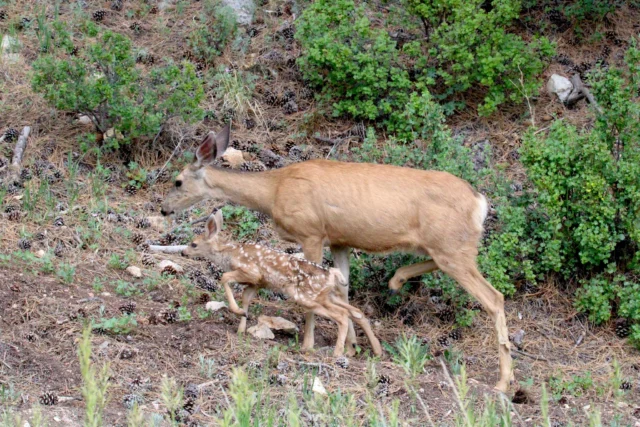
We can learn about axis deer survival by comparing them to cold-adapted deer like white-tailed deer and mule deer. These species have special traits and strategies to live in cold places.
Cold Adapted Deer Traits
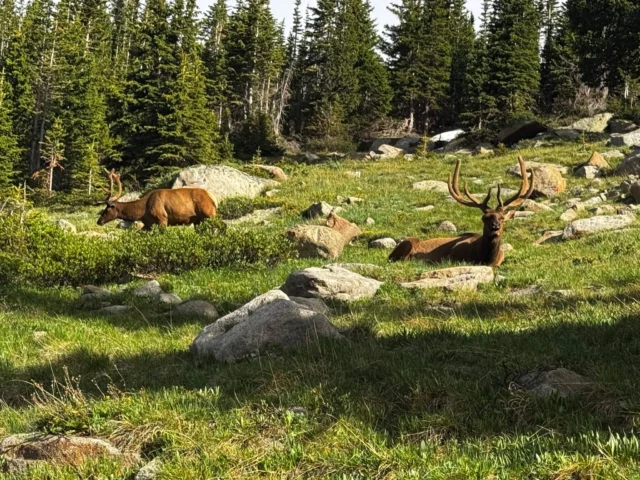
Deer that live in cold areas have thick fur coats. Their fur has hollow hairs that trap air for insulation. This keeps them warm in freezing temperatures.
These deer also grow a dense undercoat in winter. Their body fat increases to store energy. Their hooves change shape to walk on snow and ice more easily.
- Thick, hollow fur for insulation
- Dense undercoat in winter
- Increased body fat for energy storage
- Hooves adapted for snow and ice
Differences In Survival Strategies
Axis deer avoid cold by living in warmer areas. They do not build up thick fur or fat for cold weather. Their survival depends on mild climates.
Cold-adapted deer change their behavior in winter. They find shelter from wind and snow. They eat woody plants and bark when grass is covered by snow.
- Axis deer rely on warm habitats
- Cold deer seek shelter and food sources
- Cold deer eat bark and twigs in winter
- Axis deer lack strong cold weather traits
Credit: fishgame.com
Frequently Asked Questions
Can Axis Deer Adapt To Cold Climates?
Axis deer prefer warm, tropical environments and struggle in cold climates. Their thin fur and low body fat reduce cold tolerance. Prolonged exposure to freezing temperatures can lead to hypothermia and death. They survive best in mild, temperate regions with minimal frost.
What Temperature Range Can Axis Deer Withstand?
Axis deer thrive in temperatures between 60°F and 90°F. They can tolerate brief drops near freezing but not sustained cold. Temperatures below 32°F for extended periods threaten their survival. Cold stress affects their health and reproductive success.
How Do Axis Deer Behave In Cold Weather?
In cold weather, axis deer reduce activity to conserve energy. They seek shelter in dense vegetation or forested areas. Their feeding patterns may change due to limited food availability. However, they do not grow winter coats like some deer species.
Can Axis Deer Survive Snowy Conditions?
Axis deer are not well-equipped for snow or ice. Their hooves and body structure are adapted for dry, grassy habitats. Deep snow hinders movement and access to food. Survival chances drop significantly in snowy environments without human intervention.
Conclusion
Axis deer face many challenges in cold weather. Their thin coats do not keep them warm enough. They need shelter and food to survive harsh winters. Without these, their health can quickly worsen. In warmer climates, they thrive better and stay strong.
Cold regions are tough for axis deer to live in. Protecting their habitat helps them stay safe and healthy. Nature often decides if they adapt or move away. Survival in cold weather is not easy for axis deer.