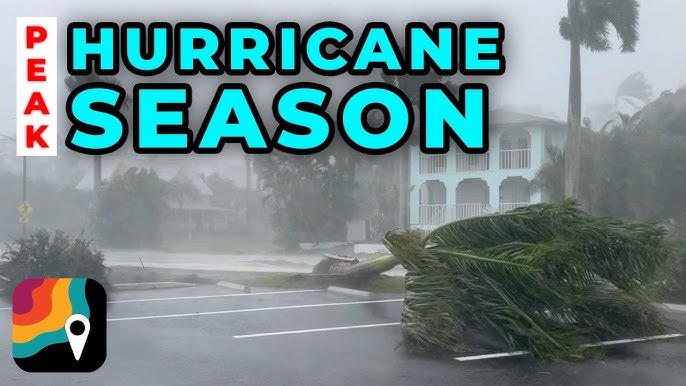
How to Survive a Hurricane Inside Your House: Expert Safety Tips
When a hurricane is on the horizon, your home becomes your fortress. But how prepared are you to face the storm inside your own walls?
You might think you’re ready, but are you truly equipped to ensure your family’s safety and peace of mind? We’ll guide you through crucial steps to transform your home into a haven during a hurricane. You’ll discover practical tips and strategies that could mean the difference between chaos and calm.
Don’t leave your safety to chance—learn how to protect what matters most. Stay with us as we unfold essential insights that could save you and your loved ones.
Preparing Your Home
Preparing your home before a hurricane helps keep you safe inside. You must make sure your house is strong and ready.
Taking simple steps can protect your family and reduce damage. Focus on securing your home to survive the storm.
Secure Doors And Windows
Doors and windows are the most vulnerable parts of your home. Secure them to stop strong winds and rain from getting inside.
Use storm shutters or plywood to cover windows. Make sure doors are locked and reinforced with extra bolts or braces.
- Install storm shutters or cover windows with plywood
- Check and lock all doors firmly
- Use metal braces or bolts to strengthen door frames
- Seal gaps around windows and doors to block water
Reinforce Roof And Walls
Your roof and walls must hold up against strong winds. Inspect them and fix any weak spots before the storm.
Add extra nails or screws to the roof. Use hurricane straps to connect the roof to the walls. Check for cracks in walls and repair them.
- Check roof for loose or damaged shingles
- Use hurricane straps to secure roof to walls
- Repair cracks or holes in walls
- Reinforce garage doors to prevent collapse
Clear Outdoor Debris
Loose objects outside can become dangerous during a hurricane. Clear your yard to prevent damage and injuries.
Remove or tie down outdoor furniture, toys, and tools. Trim trees and bushes near your house to avoid broken branches.
- Bring in or secure outdoor furniture
- Pick up toys, tools, and garden equipment
- Trim tree branches near windows and roof
- Clear gutters and drains to avoid flooding
Stock Emergency Supplies
Keep emergency supplies inside your home. These will help you stay safe and comfortable during the hurricane.
Include water, food, flashlights, batteries, and first aid kits. Have enough supplies for several days for everyone in your house.
- Store at least three days of water and non-perishable food
- Keep flashlights and extra batteries handy
- Have a first aid kit and necessary medications
- Keep important documents in a waterproof container
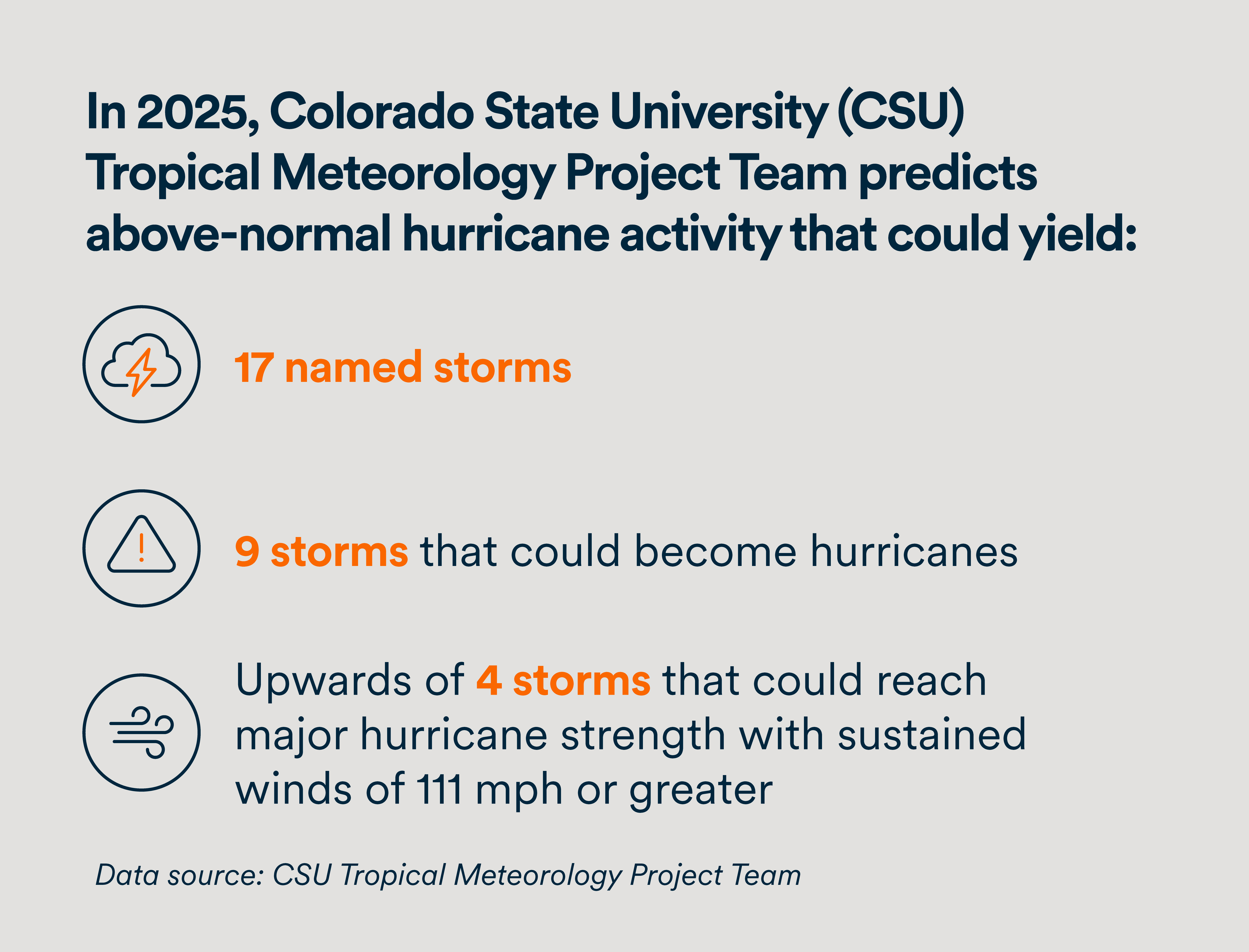
Credit: www.generac.com
Creating A Safe Room
Surviving a hurricane inside your house needs careful planning. A safe room can protect you from strong winds and flying debris.
This room should be sturdy and stocked with essential supplies. It must also keep you connected to the outside world.
Choose The Right Location
Select a small, windowless room on the lowest floor of your house. This reduces the risk of injury from broken glass or roof damage.
A bathroom, closet, or interior hallway works well. Avoid rooms with exterior walls or many windows.
- Pick a room with strong walls and no windows
- Lower floors are safer than upper floors
- Near a bathroom for easy access to water
- Close to the center of the house
Stock Essential Items
Keep supplies in your safe room to last several days. Include food, water, and first aid items.
Other useful items are flashlights, batteries, and blankets. These help you stay comfortable and safe during the storm.
- Bottled water for at least three days
- Non-perishable food and snacks
- First aid kit with medicines
- Flashlight and extra batteries
- Blankets or sleeping bags
- Personal hygiene products
- Battery-powered radio for updates
Ensure Communication Access
Stay connected to emergency services and family. Charge your phone and keep a backup power source in the safe room.
Have a list of important phone numbers written down. A battery-powered radio can help you get weather updates.
- Fully charge cell phones before the storm
- Keep portable chargers or power banks
- Write down emergency contacts on paper
- Use a battery-powered or hand-crank radio
- Consider a whistle to signal for help
During The Hurricane
Staying safe inside your house during a hurricane is very important. You need to follow clear steps to protect yourself from harm.
Keep calm and focus on what you can control. These tips will help you stay secure while the storm passes.
Stay Away From Windows
Windows can break easily from strong wind or flying debris. Stay far from windows to avoid injury from broken glass.
Find a small, windowless room or a hallway to stay in. Use blankets or pillows to protect yourself if possible.
Monitor Weather Updates
Keep checking the latest weather reports to know what is happening outside. Use a battery-powered radio or a phone with a charged battery.
Listen for emergency alerts and instructions from officials. This information helps you stay informed and ready to act.
Avoid Using Electrical Appliances
Do not use electrical devices during the hurricane. Power can go out or surge, causing shocks or fires.
Turn off lights and unplug appliances to prevent damage. Stay away from cords and outlets until the storm ends.
After The Storm Passes
The hurricane has passed, but danger may still be near. Stay alert and act carefully.
Check your home and surroundings before moving freely. Safety is the first priority.
Check For Structural Damage
Look for cracks, broken windows, or shifted walls. Do not enter if the building seems unsafe.
- Inspect the roof for missing shingles or holes.
- Check doors and windows for damage or misalignment.
- Look for fallen beams or sagging ceilings inside.
- Stay outside and call for help if you see major damage.
Avoid Flooded Areas
Do not walk or drive through floodwaters. Water may hide dangers or be deeper than it looks.
- Stay on high ground whenever possible.
- Watch for electrical wires or sharp objects under water.
- Keep children and pets away from flood zones.
- Wait for official all-clear before entering flooded areas.
Use Caution With Utilities
Turn off utilities if you smell gas or see damage. Avoid using electrical devices until checked.
| Utility | What to Do |
| Gas | Shut off at the main valve if you smell gas. Do not light flames. |
| Electricity | Turn off power at the breaker if water touched outlets or wires. |
| Water | Check for pipe leaks before use. Use bottled water if unsure. |
Emergency Communication
During a hurricane, staying in touch is crucial. Power outages and damage can block normal communication.
Prepare now to keep contact with family, friends, and emergency services. This helps keep everyone safe and informed.
Have Backup Power
Power may go out during a storm. Backup power helps keep phones and radios working. Use generators or charged power banks.
Keep these tips in mind:
- Charge devices fully before the storm
- Use a generator safely outside the house
- Have extra batteries for radios
- Turn off devices when not in use to save power
Keep A List Of Contacts
Have a written list of important phone numbers. This helps if your phone battery dies or the screen breaks.
| Contact Type | Example | Notes |
| Family | Parents, siblings | Call or text first |
| Emergency Services | Fire, police, ambulance | Know local emergency numbers |
| Neighbors | Nearby friends | Check on each other |
| Utility Companies | Electric, water, gas | Report outages or hazards |
Use Social Media Safely
Social media can share updates quickly. Use it to check on loved ones or get news from authorities.
- Limit sharing personal location details
- Follow official accounts for accurate information
- Do not spread rumors or unconfirmed news
- Use private messages to contact friends and family
Credit: www.miamiherald.com
Special Considerations
Staying safe during a hurricane inside your house takes planning. Some family members need extra care.
Pay close attention to children, pets, elderly, and those with medical needs. Their safety is very important.
Protecting Children And Pets
Children and pets can get scared during storms. Keep them calm and close to you.
Make a safe space with toys or blankets. Stay in a windowless room if possible.
- Explain the situation in simple words to children
- Keep pets in carriers or leashes to prevent escape
- Have food, water, and favorite items nearby for comfort
- Check on them often to ease fear
Assisting Elderly Family Members
Elderly people may need help moving or hearing warnings. Stay close and offer support.
Prepare their space with pillows and water. Make sure they have a way to call for help.
- Keep necessary medications within reach
- Use simple instructions and speak clearly
- Help them stay warm and comfortable
- Check their emotional state and reassure them
Managing Medical Needs
Medical needs must be planned for before the hurricane hits. Keep supplies ready and easy to find.
Have extra medications and medical devices charged or ready. Know how to use them in case of power loss.
- Store a list of medical contacts and emergency numbers
- Keep first aid kits stocked and accessible
- Prepare backup power for devices like oxygen machines
- Inform family members about special medical needs

Credit: www.floridapeninsula.com
Frequently Asked Questions
How Do I Prepare My House For A Hurricane?
Secure windows with storm shutters or plywood. Clear gutters and drains. Store emergency supplies and important documents in a safe, waterproof place. Ensure all outdoor items are secured or brought inside to prevent damage.
What Rooms Are Safest During A Hurricane?
Choose an interior room on the lowest floor without windows. Bathrooms, closets, or hallways often work well. Stay away from glass, doors, and exterior walls to minimize injury risk from flying debris.
How Long Should I Stay Inside During A Hurricane?
Remain indoors until authorities confirm the hurricane has passed. This usually means staying inside for several hours or more. Avoid going outside even if the weather seems calm, as the storm’s eye may be passing.
What Emergency Supplies Are Essential Inside The House?
Keep water, non-perishable food, flashlights, batteries, first aid kit, and a portable phone charger. Include medications, important documents, and cash. These supplies help you stay safe and comfortable during power outages and emergencies.
Conclusion
Staying safe during a hurricane starts with good preparation. Keep your supplies ready and your safe spot clear. Stay calm and listen to weather updates often. Avoid windows and doors during strong winds. Protect yourself with blankets or cushions if needed.
Remember, power may go out, so have flashlights and batteries. Stay inside until the storm fully passes. Taking these steps helps you survive the storm safely. Your careful actions can make all the difference. Stay alert, stay safe, and take care of yourself and family.