How Do Butterflies Survive a Hurricane: Nature’s Incredible Secrets
Have you ever wondered how something as delicate as a butterfly can withstand the fierce power of a hurricane? Picture those fragile wings battling against howling winds and torrential rains.
It’s a mystery that sparks curiosity and amazement. You might think their survival is pure luck, but there’s more to it. Understanding how butterflies endure such extreme weather can offer fascinating insights into nature’s resilience. So, if you’re intrigued by the extraordinary strategies these tiny creatures use to stay safe in a storm, keep reading.
You’ll discover the surprising ways butterflies defy the odds and the clever tactics they use to navigate nature’s fury.
Butterfly Behavior Before Storms
Butterflies face big challenges when storms like hurricanes come. Their survival depends on how they act before the storm arrives. They use special behavior to prepare for strong winds and heavy rain.
Understanding these behaviors helps us learn how butterflies stay safe during bad weather. They can sense changes in the air and find safe places to hide.
Sensing Atmospheric Changes
Butterflies can feel changes in the air before a storm. They notice shifts in wind, temperature, and humidity. These clues tell them a hurricane is near.
Using their sensitive antennae, butterflies detect low pressure and strong winds. This helps them act quickly to avoid danger.
Seeking Shelter And Safe Zones
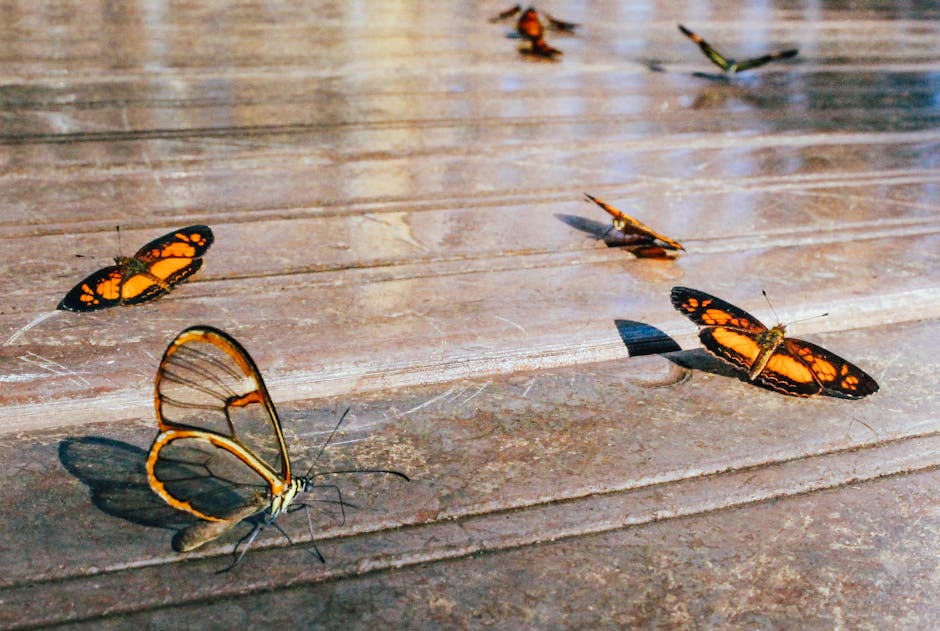
Once butterflies sense a storm, they look for safe places to hide. They often rest under leaves, inside thick bushes, or behind tree bark.
These shelters protect them from heavy rain and strong winds. Staying hidden helps butterflies survive until the storm passes.
- Under large leaves for cover
- Inside dense shrubs or bushes
- Behind tree bark or crevices
- Near tree roots in some cases

Credit: monarchbutterflygarden.net
Physical Adaptations For Survival
Butterflies face many dangers during hurricanes. Their bodies have special features to help them survive strong winds and rain. These physical traits protect them and improve their chances of living through storms.
Understanding these adaptations helps us learn how butterflies cope with extreme weather. Two key features are their wing structure and their ability to hide from danger.
Wing Structure And Strength
Butterfly wings are light but strong. The veins inside their wings give support and keep the wings from tearing in strong winds. This helps butterflies hold on during storms.
The wings also fold neatly against their bodies. Folding reduces wind resistance and protects the wings from damage. This folding ability is important when hurricanes hit.
- Veins provide strength and support
- Wings are light for easy movement
- Folding wings reduces wind damage
Camouflage And Concealment
Butterflies use colors and patterns to blend into their surroundings. This camouflage helps them hide from predators and harsh weather. During hurricanes, being hidden means less chance of harm.
They often rest on tree bark or leaves that match their wing colors. Staying still and hidden helps them avoid being swept away by strong winds.
- Colors match natural surroundings
- Patterns break up their shape
- They rest in hidden spots
Hurricane Impact On Butterfly Habitats
Hurricanes bring strong winds and heavy rain that affect butterfly homes. These storms can change the places where butterflies live and find food.
Understanding how hurricanes change butterfly habitats helps us see how these insects survive tough weather.
Destruction Of Food Sources
Butterflies eat nectar from flowers. Hurricanes can destroy many plants and flowers quickly. This loss means less food for butterflies during and after the storm.
Without enough food, butterflies may become weak or move to new areas. This can affect their survival chances.
- Strong winds break flower stems
- Heavy rain washes away pollen
- Flooding can drown plants
- Reduced nectar limits butterfly energy
Changes In Breeding Grounds
Butterflies lay eggs on specific plants. Hurricanes can destroy these plants or cover them with debris. This loss affects where butterflies can reproduce.
Changes in breeding areas may force butterflies to find new spots. This can reduce the number of new butterflies born after the storm.
- Egg plants get damaged or removed
- Floods can drown eggs and larvae
- Debris blocks access to breeding sites
- New breeding areas may be scarce

Credit: www.smithsonianmag.com
Strategies To Withstand Extreme Weather
Butterflies face many dangers during hurricanes. These storms bring strong winds and heavy rain. Butterflies use special strategies to survive such harsh weather.
Understanding these survival methods helps us learn how nature adapts. Butterflies rely on migration and dormancy to protect themselves.
Migration Patterns
Many butterfly species migrate to avoid hurricanes. They fly to safer places before storms arrive. Migration helps them escape strong winds and floods.
- Detect changes in air pressure and weather
- Fly hundreds of miles to warmer areas
- Rest in protected spots like forests or valleys
- Travel in groups for better navigation
- Use landmarks and the sun to guide their path
Dormancy And Reduced Activity
Butterflies may enter dormancy during extreme weather. They hide in safe places and stay still until the danger passes. This reduces energy use and risk of injury.
| Behavior | Description |
| Hiding | Finding shelter under leaves or tree bark |
| Reduced Movement | Staying still to avoid wind damage |
| Lower Metabolism | Slowing down body functions to save energy |
| Timing | Choosing dormancy during peak storm periods |
Role Of Ecosystems In Butterfly Recovery
Butterflies face many challenges after a hurricane. Their habitats can be damaged or lost. Ecosystems help butterflies recover by providing shelter and food.
Healthy ecosystems support butterfly populations by restoring plants and animals they depend on. This support is key for their survival after storms.
Reforestation And Habitat Restoration
Planting trees and native plants helps rebuild butterfly homes. These plants offer food and places to lay eggs. They also protect butterflies from strong winds.
Restoring habitats creates safe areas for butterflies to live and grow. It brings back the balance in nature that hurricanes disrupt.
- Trees provide shelter from rain and wind
- Native flowers supply nectar for adult butterflies
- Host plants allow caterpillars to feed and develop
- Restored habitats connect butterfly populations
Support From Symbiotic Species
Butterflies rely on other species to survive. Ants, birds, and other insects help by protecting them or cleaning plants. These relationships improve butterfly chances after hurricanes.
Symbiotic species also help pollinate flowers and spread seeds. This helps plants grow back faster, giving butterflies food and shelter again.
- Ants protect butterfly eggs from predators
- Birds control harmful insects near butterflies
- Pollinators help flowers bloom for nectar
- Seed dispersers aid plant growth in damaged areas
Scientific Studies On Butterfly Resilience
Butterflies face many dangers during hurricanes. Scientists study how these insects survive strong winds and heavy rains. Their research helps us understand butterfly resilience.
These studies use field observations and laboratory tests. They reveal how butterflies cope with stress and extreme weather conditions.
Field Observations During Hurricanes
Scientists watch butterflies in their natural habitats during storms. They note changes in behavior and movement. Some butterflies find shelter in leaves or tree bark.
Many butterflies stay still to avoid being blown away. Researchers record which species survive and which do not. This data shows how some butterflies adapt to harsh weather.
- Butterflies hide under large leaves or branches
- They reduce wing movement to save energy
- Some species migrate before storms arrive
- Survival rates vary by butterfly type and location
Laboratory Research On Stress Responses
In labs, scientists test how butterflies react to stress like strong winds or water. They use machines to mimic hurricane conditions. This helps measure butterfly endurance.
Research shows butterflies have special proteins that protect their cells. These proteins help them survive cold, heat, and physical damage. The lab tests confirm butterflies can recover after stress.
- Wind tunnels simulate hurricane-force winds
- Humidity chambers test resistance to heavy rain
- Stress proteins increase after exposure to harsh conditions
- Butterflies can repair damaged wing cells

Credit: ca.news.yahoo.com
Frequently Asked Questions
How Do Butterflies Protect Themselves During Hurricanes?
Butterflies seek shelter in dense foliage, tree bark, or underground crevices to avoid strong winds and heavy rain. They remain still to conserve energy and reduce exposure to the storm’s impact, increasing their chances of survival during hurricanes.
Can Butterflies Sense An Approaching Hurricane?
Butterflies have sensory abilities to detect changes in air pressure and humidity. These changes signal an approaching hurricane, prompting them to find safe shelter before the storm hits. This natural instinct helps them survive extreme weather conditions.
What Happens To Butterfly Populations After Hurricanes?
Hurricanes can reduce butterfly populations by destroying habitats and food sources. However, many species recover quickly as plants regrow and new butterflies emerge. This resilience helps maintain ecological balance despite occasional storm damage.
Do All Butterfly Species Survive Hurricanes Equally?
No, survival rates vary by species. Butterflies with strong flight abilities or those living in sheltered habitats tend to survive better. Species in exposed areas or with weaker flight skills face higher risks during hurricanes.
Conclusion
Butterflies show amazing strength during hurricanes. They find safe places to hide and wait. Their small size helps them avoid strong winds. Some rest under leaves or tree bark. Nature gives them ways to survive tough storms. Watching how they cope teaches us about resilience.
These delicate creatures remind us life finds a way. Their survival is a quiet, natural wonder. Understanding this helps us respect all living things more. Butterflies endure hurricanes by staying smart and patient.