Can a Navy Ship Survive a Hurricane? Unbelievable Facts Revealed
Imagine the raw power of a hurricane, with winds roaring at speeds that can tear trees from the ground and toss cars like toys. Now picture a Navy ship, a marvel of engineering, seemingly dwarfed by the towering waves and relentless force of the storm.
The question arises: can such a vessel withstand nature’s fury? As someone who values both adventure and security, you might wonder about the fate of these ships and their crews when faced with such daunting conditions. You’ll discover whether these steel giants are truly equipped to brave the elements.
We’ll delve into the technology and strategies that keep them afloat, even in the most treacherous waters. You’ll also learn about real-life accounts of Navy ships that have encountered hurricanes, and the lessons learned from these experiences. This exploration not only satisfies your curiosity but also offers a fascinating glimpse into the resilience and innovation that define naval engineering. So, are you ready to uncover the truth about Navy ships and hurricanes? Let’s dive in.
Navy Ships And Extreme Weather
Navy ships face some of the toughest weather on Earth. Hurricanes bring strong winds and huge waves that test these vessels.
These ships must stay safe and complete missions even in bad storms. Their design and technology help protect them.
Design Features For Harsh Conditions
Navy ships have special designs to handle rough seas and strong winds. Their shape helps cut through waves and stay steady.
- Strong hull shapes to reduce wave impact
- Low center of gravity for better balance
- Watertight compartments to prevent flooding
- Advanced stabilizers to reduce rolling
Materials And Construction Strength
Ships use tough materials to survive hurricanes. Steel and alloys make the hull strong and flexible.
| Material | Use | Benefit |
| High-strength steel | Hull frame | Resists heavy waves and impacts |
| Aluminum alloy | Superstructure | Keeps ship light and strong |
| Composite materials | Special parts | Improves durability and reduces weight |
| Corrosion-resistant coatings | Exterior surfaces | Protects from saltwater damage |
Navigational Technology In Storms
Navy ships use advanced tools to navigate during hurricanes. These tools help avoid the worst parts of the storm.
- Radar systems to track storm movements
- GPS for precise location and route changes
- Weather forecasting software onboard
- Automatic steering to keep course steady

Credit: www.youtube.com
Hurricane Characteristics
Hurricanes are powerful storms with strong winds and heavy rain. They can cause huge waves and flooding. Understanding their features helps us know how ships might handle them.
These storms last for hours or days and move in patterns that affect their strength and damage. Each part of a hurricane can challenge a navy ship in different ways.
Wind Speeds And Wave Heights
Hurricanes have very strong winds that can reach over 150 miles per hour. These winds create huge waves in the ocean. The waves can be more than 50 feet tall.
High waves make it hard for ships to stay stable. The force of the wind pushes against the ship’s hull and superstructure. This tests the ship’s strength and design.
- Wind speeds can reach 74 to over 157 mph
- Waves often exceed 30 feet, sometimes over 50 feet
- Both wind and waves act together to stress ships
Storm Surges And Their Impact
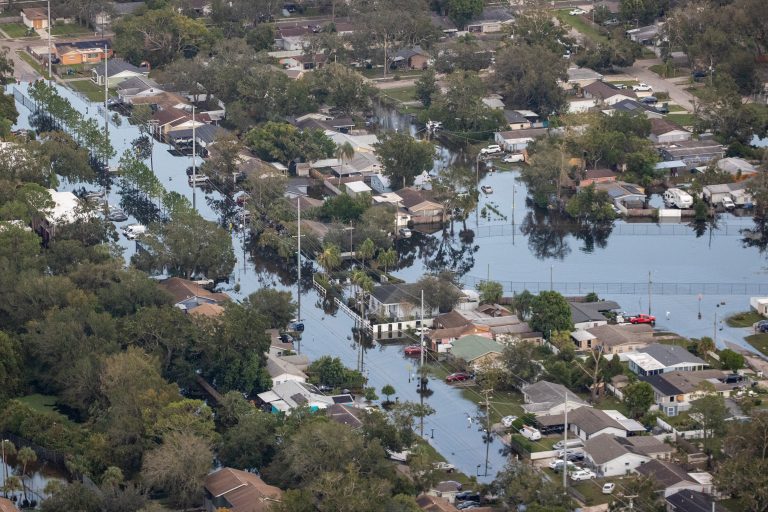
A storm surge is a rise in sea level caused by the hurricane’s winds pushing water toward the shore. It can raise water levels by several feet.
This rise can flood ports and harbors. Ships near the coast can be pushed onto land or damaged by debris. Storm surges also change wave patterns, increasing danger.
- Surges can increase sea level by 3 to 12 feet
- They cause flooding in coastal areas
- Surges can push ships into unsafe areas
Duration And Movement Patterns
Hurricanes can last from a few hours to several days. Their movement is usually slow, but speed varies depending on weather conditions.
The storm’s path and speed affect how long a ship faces strong winds and waves. Longer exposure means more stress on the ship’s structure and crew.
- Storms can last from 6 hours to several days
- Movement speed ranges from 5 to 30 mph
- Slower storms cause longer exposure to danger
Survival Strategies At Sea
Navy ships face many dangers at sea, especially during hurricanes. These storms can cause huge waves and strong winds. Ships need special plans to survive such events.
Survival depends on careful planning, skillful sailing, and trained crews. Each strategy helps protect the ship and the people on board.
Avoiding The Storm Path
The best way to survive a hurricane is to avoid it. Navy ships use weather reports and satellite data to track storms. They change course to stay away from the worst parts.
Leaders plan routes that keep the ship out of the hurricane’s direct path. This reduces damage and keeps the crew safe.
- Monitor weather updates constantly
- Use satellite and radar to track storms
- Change course early to avoid the storm
- Stay in communication with command centers
Maneuvering Techniques During Hurricanes
If a ship cannot avoid a hurricane, it uses special maneuvers to reduce damage. The crew steers the ship to face the waves at an angle. This helps keep the ship stable.
Slowing down and adjusting the ship’s speed is important. This helps avoid strong impacts from waves and keeps the ship balanced.
- Steer into waves at a slight angle
- Slow down to reduce wave impact
- Use engines to maintain stability
- Adjust sails or equipment to reduce wind resistance
Crew Training And Preparedness
The crew plays a big role in surviving hurricanes. Regular training teaches them how to respond quickly and safely. Drills prepare them for emergencies.
Everyone on board knows their duties. This teamwork helps the ship stay secure and the crew stay safe during storms.
- Practice emergency drills often
- Train in storm navigation and safety
- Keep communication clear and constant
- Prepare safety gear and emergency supplies

Credit: www.youtube.com
Historical Encounters With Hurricanes
Navy ships have faced many hurricanes throughout history. These storms test the strength and skill of both ships and crews.
Understanding past encounters helps improve safety and ship design for future storms.
Notable Navy Ship Experiences
One famous case is the USS Houston during World War II. The ship survived strong storms while still in battle.
Another example is the USS San Diego, which weathered a severe hurricane in the early 1900s. The ship suffered damage but remained afloat.
- USS Houston faced typhoons in the Pacific Ocean.
- USS San Diego dealt with Atlantic hurricanes in 1918.
- Destroyers and aircraft carriers often adapt their routes to avoid storms.
Lessons Learned From Past Storms
Many lessons came from Navy ships that faced hurricanes. Crews learned how to prepare better for strong winds and waves.
Commanders now use better weather forecasts to change course early. This helps avoid the worst parts of storms.
- Early storm detection is critical for safety.
- Securing equipment prevents damage during rough seas.
- Training crews to handle emergencies saves lives.
Technological Advances Post-hurricanes
After hurricanes, the Navy improved ship designs to handle strong storms. Hulls became stronger and more stable.
New navigation tools and weather radars help ships avoid hurricanes. These tools give crews more time to act.
- Reinforced hulls resist heavy waves better.
- Advanced radar systems track storms in real time.
- Improved communication helps coordinate during emergencies.
Limits Of Navy Ship Durability
Navy ships are built to handle tough ocean conditions. Still, hurricanes test their strength in extreme ways. Knowing their limits helps keep crews safe.
Strong winds and huge waves push ships to their design edges. This article looks at where ships can be weak and what happens in a storm.
Structural Vulnerabilities
Even the strongest navy ships have weak points. The hull can crack under pressure from massive waves. Joints and welds may fail in violent motion. Deck equipment can be torn away by high winds.
- Hull plating may buckle or crack
- Superstructure can suffer damage from wind and debris
- Deck fittings and antennas risk being ripped off
- Watertight doors may leak if seals fail
Systems At Risk
| System | Risk During Hurricane | Impact |
| Power Supply | Damage to generators or fuel systems | Loss of electricity, affecting navigation and communication |
| Navigation Equipment | Electronic failure from water or shock | Difficulty maintaining course and position |
| Communication Systems | Signal loss due to antenna damage | Inability to send or receive orders |
| Propulsion | Engine or propeller damage from debris | Reduced speed or loss of maneuverability |
When Evacuation Becomes Necessary
Sometimes the storm is too strong to face. The crew must leave the ship safely. Evacuation plans focus on quick and calm actions.
- Assess the damage and risk level quickly
- Notify all crew members clearly
- Use lifeboats and safety gear properly
- Keep communication open with rescue teams
- Account for everyone before leaving the area
Future Innovations For Storm Resilience
Navy ships face strong storms like hurricanes at sea. New ideas help make ships safer and stronger. Technology and better safety tools improve survival chances.
These innovations focus on building better ships, tracking storms faster, and keeping crews safe during harsh weather.
Emerging Shipbuilding Technologies
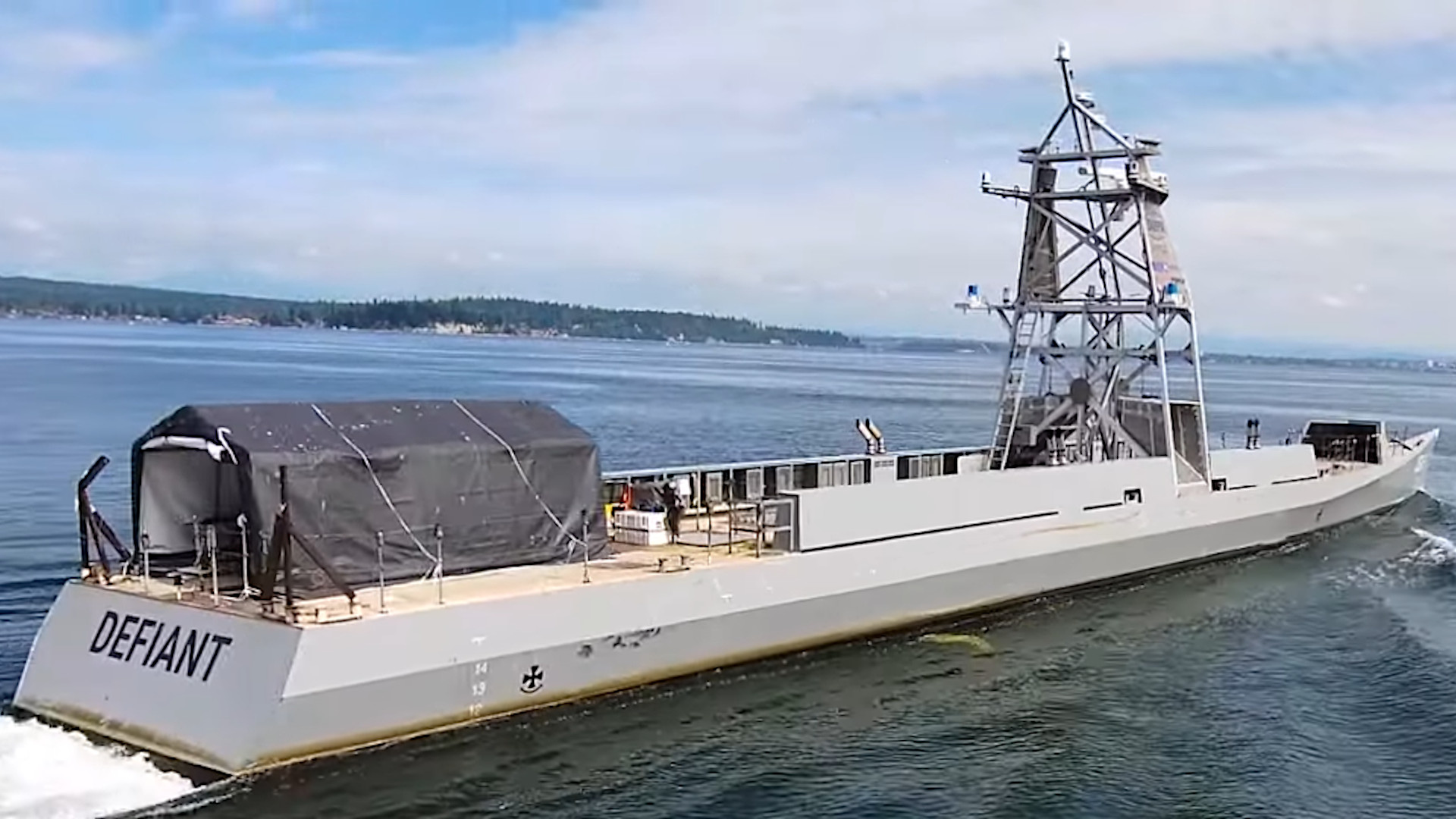
Shipbuilders use new materials to make ships tough against hurricanes. Stronger metals and flexible designs help ships bend without breaking.
Advanced shapes reduce wind and wave damage. Some ships have hulls that adjust to rough seas. This lowers the risk of capsizing or damage.
- High-strength alloys resist strong impacts
- Flexible hull designs absorb wave energy
- Hydrodynamic shapes lower water resistance
- Self-healing coatings fix minor damage automatically
Improved Forecasting And Response Systems
Better weather tools give early storm warnings. Satellite data and AI models predict hurricane paths more accurately. This helps ships avoid danger zones.
Automatic alert systems warn crews quickly. Ships can change course or prepare for storms faster. These systems reduce surprise and increase safety.
- Real-time satellite tracking of storms
- AI models forecast hurricane strength and path
- Automated alerts for crew and command centers
- Integration with ship navigation systems
Enhanced Crew Safety Measures
New safety gear protects sailors during hurricanes. Improved life jackets and emergency shelters keep crews safe. Training programs prepare crews to act quickly.
Communication tools help crews stay connected. This ensures clear orders and quick help if needed. Safety drills teach crews to handle storm situations calmly.
- Advanced personal flotation devices
- Storm-resistant safe rooms on ships
- Enhanced emergency communication devices
- Regular storm survival training for crews
Credit: www.twz.com
Frequently Asked Questions
Can A Navy Ship Withstand Hurricane-force Winds?
Yes, Navy ships are built with strong hulls and advanced stabilization systems. They can endure hurricane-force winds by maneuvering skillfully to minimize impact.
How Do Navy Ships Prepare For Hurricanes?
Navy ships monitor weather forecasts and adjust routes early. Crews secure equipment and reinforce the ship to handle extreme sea conditions.
What Design Features Help Navy Ships Survive Hurricanes?
Navy ships have reinforced hulls, watertight compartments, and advanced navigation tools. These features help maintain stability and safety during severe storms.
Can Navy Ships Avoid Hurricanes At Sea?
Yes, Navy ships use satellite data and weather models to avoid hurricanes. They often change course to steer clear of dangerous storm paths.
Conclusion
Navy ships are built strong to face rough seas. Their design helps them stay steady in storms. Crews train hard to handle tough weather. Still, hurricanes are powerful and very dangerous. Ships try to avoid the worst parts of storms.
Safety comes first during any hurricane encounter. In the end, a ship’s survival depends on skill and strength. It’s a mix of good design, preparation, and luck. The sea is wild, but navy ships stand ready.