What Do You Need to Survive a Hurricane: Essential Survival Gear
When a hurricane is on the horizon, the question isn’t just about what you want to have—it’s about what you need to survive. Imagine the winds howling outside, the rain pounding down, and the power flickering off.
In those crucial moments, having the right essentials at hand can mean the difference between chaos and calm. You’re not just preparing a list; you’re safeguarding your home and the lives of those you love. Ready to find out exactly what you need to navigate through a hurricane with confidence?
Let’s dive into the must-have essentials that will keep you and your family safe during nature’s fiercest storms.

Credit: www.amazon.com
Basic Survival Gear
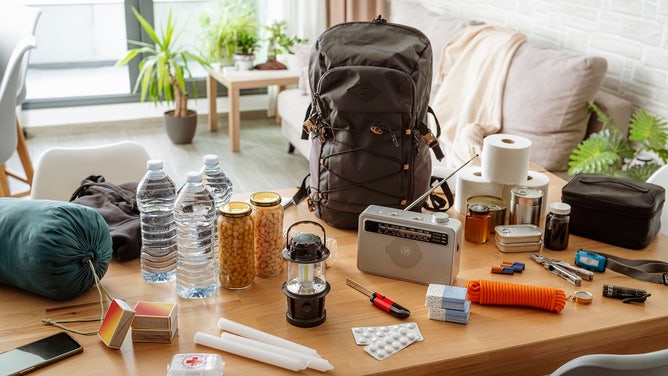
Surviving a hurricane means being ready with the right supplies. You need gear that keeps you safe and healthy.
Focus on items that provide water, food, and medical help. These basics are key to getting through the storm.
Water And Hydration Supplies
Water is the most important resource during a hurricane. You need enough clean water to stay hydrated for several days.
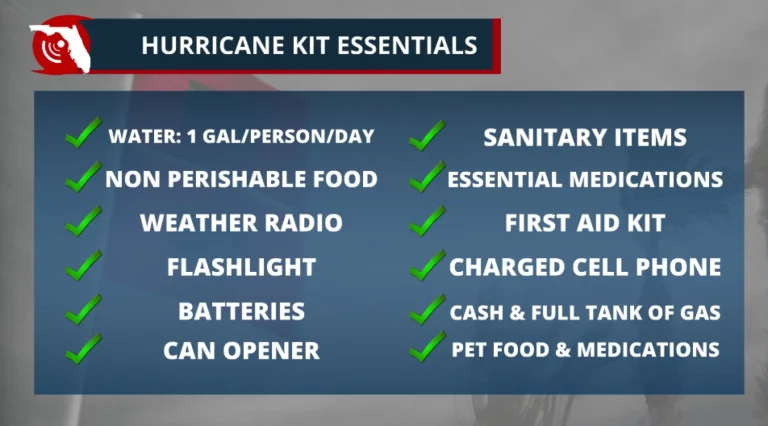
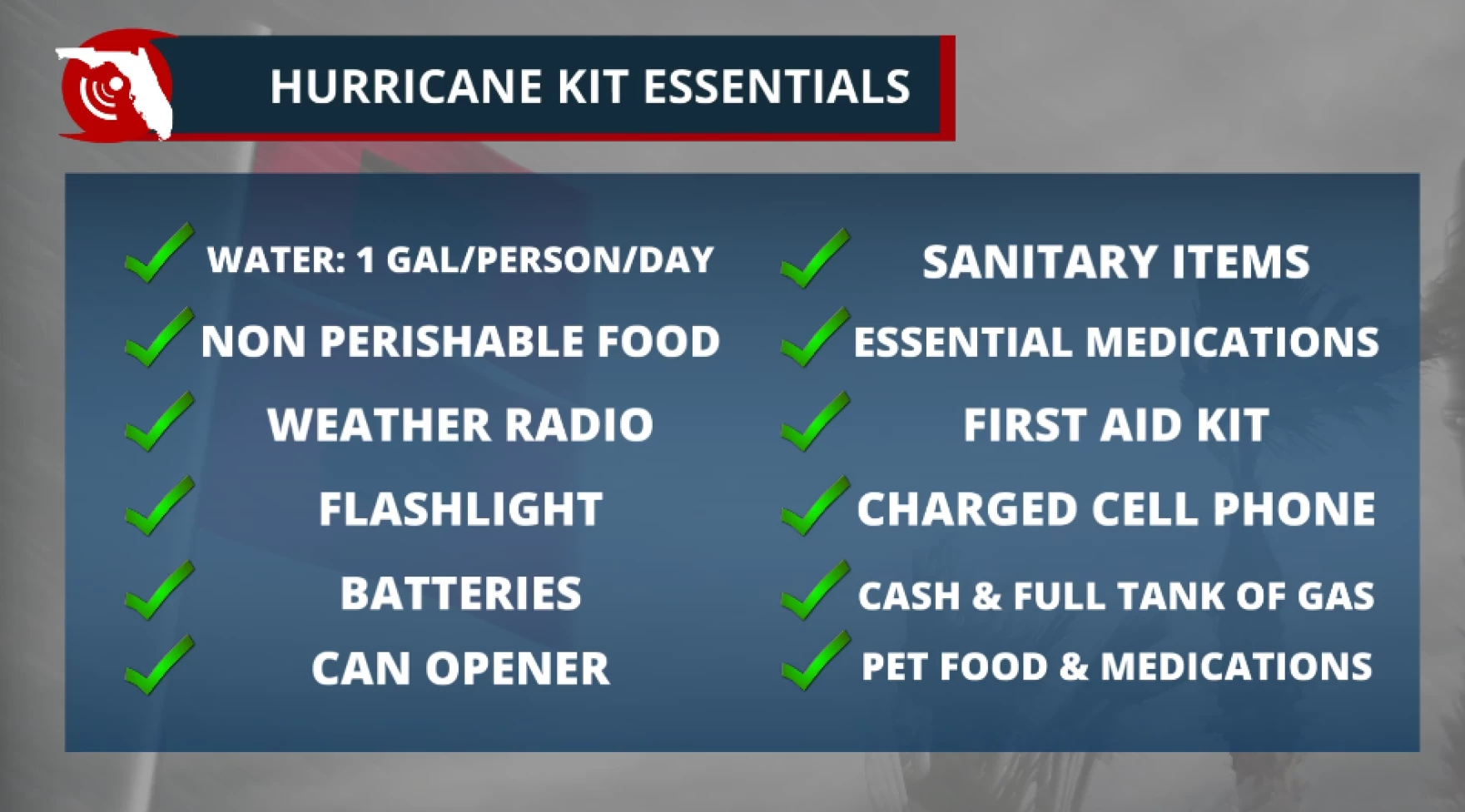
- Store at least one gallon of water per person each day.
- Use water purification tablets or filters if needed.
- Keep water containers sealed and stored in a cool place.
- Have extra bottles ready in case of leaks or spills.
Non-perishable Food Items
Choose foods that last without refrigeration. These foods will give you energy and keep hunger away.
| Food Type | Examples | Storage Tips |
|---|---|---|
| Canned Goods | Beans, vegetables, tuna, soups | Check for dents; store in a dry place |
| Dry Foods | Rice, pasta, oats, powdered milk | Keep sealed in airtight containers |
| Snacks | Granola bars, nuts, dried fruit | Use resealable packaging |
First Aid Kit Essentials
A first aid kit helps you handle injuries and illnesses during the storm. It should be easy to carry and well-stocked.
- Adhesive bandages in various sizes
- Antiseptic wipes and antibiotic ointment
- Pain relievers like ibuprofen or acetaminophen
- Medical tape and sterile gauze pads
- Scissors, tweezers, and disposable gloves
- Any personal prescription medicines
Tools And Equipment
Surviving a hurricane needs the right tools and equipment. These items help you stay safe and handle emergencies. Prepare these essentials before the storm hits.
Focus on reliable, easy-to-use tools. They should work without electricity and last long. Keep them in an accessible place for quick use.
Flashlights And Batteries
Flashlights provide light during power outages. Choose LED flashlights for brightness and battery life. Always have extra batteries ready.
- Carry several flashlights for different rooms
- Use fresh batteries and keep spares
- Test flashlights regularly to ensure they work
- Consider hand-crank or solar flashlights as backup
Multi-tools And Knives
Multi-tools and knives help with many tasks. They can cut ropes, open cans, and fix things. Choose sturdy, compact designs that fit in your kit.
| Tool | Uses |
| Multi-tool | Cutting, screwing, opening bottles, filing |
| Fixed-blade knife | Cutting branches, preparing food, self-defense |
| Folding knife | Easy to carry, light cutting tasks |
Portable Chargers And Power Banks
Portable chargers keep your phones and devices powered. Choose power banks with enough capacity for several charges. Charge them before the storm.
- Pick chargers with multiple USB ports
- Keep power banks fully charged
- Use solar-powered chargers if possible
- Store chargers in waterproof bags
Shelter And Clothing
Surviving a hurricane means you need strong shelter and the right clothing. These help protect you from rain, wind, and cold.
Good shelter keeps you dry and safe. Proper clothing keeps your body warm and stops water from soaking you.
Waterproof Clothing
Waterproof clothing is essential during a hurricane. It keeps rain from soaking your skin and clothes.
Look for jackets and pants made with waterproof materials. These items help you stay dry and warm.
- Waterproof jackets with hoods protect your head and body
- Waterproof pants keep your legs dry
- Waterproof boots stop water from soaking your feet
Emergency Blankets And Sleeping Bags
Emergency blankets are thin but keep your body heat inside. They are easy to carry and use in wet conditions.
Sleeping bags provide warmth during cold nights. Choose ones that resist water and cold air.
- Emergency blankets reflect body heat back to you
- Sleeping bags with water-resistant covers keep you dry
- Both help prevent hypothermia in bad weather
Tents And Tarps
Tents give you a protected space to stay safe. Choose tents with strong fabric and secure poles.
Tarps can cover your shelter or create extra protection from wind and rain.
- Use waterproof tents designed for heavy rain
- Secure tarps tightly to keep rain out
- Set up shelter in a safe, flat area
Communication Devices
Communication devices are important during a hurricane. They help you get updates and call for help.
Power outages often happen in hurricanes. You need tools that work without electricity.
Battery-powered Radios
Battery-powered radios let you hear news and weather updates. They work even if the power is out.
Keep extra batteries ready. Choose radios that can receive NOAA weather alerts.
- Use fresh batteries before the storm
- Check the radio’s reception area
- Turn on the radio daily for updates
Whistles And Signal Mirrors
Whistles help you call for help if trapped or lost. They make loud sounds that carry far.
Signal mirrors can reflect sunlight to attract attention. They work well during the day.
- Carry a whistle with you at all times
- Practice using the signal mirror before a storm
- Use short blasts on the whistle to signal
Personal Safety Items
Preparing for a hurricane means having the right personal safety items. These items help protect you from injury and illness during and after the storm.
Focus on items that keep you clean and safe. This guide covers essential face masks, gloves, and sanitation supplies.
Face Masks And Gloves
Face masks protect you from dust, debris, and germs. Gloves help keep your hands safe from cuts and germs while cleaning or handling debris.
- Use N95 or surgical masks for better protection.
- Keep several pairs of disposable gloves on hand.
- Use waterproof gloves for wet or sharp objects.
- Change masks and gloves regularly to stay safe.
Sanitation And Hygiene Supplies
Maintaining hygiene prevents illness after a hurricane. Clean water may be limited, so sanitation supplies are crucial.
| Item | Purpose | Notes |
| Hand sanitizer | Kills germs without water | Use one with at least 60% alcohol |
| Disinfectant wipes | Clean surfaces and hands | Keep a pack for quick cleaning |
| Soap | Wash hands thoroughly | Use when water is available |
| Trash bags | Dispose of waste safely | Use heavy-duty bags to avoid leaks |
| Toilet paper | Basic hygiene needs | Store extra rolls for emergencies |

Credit: www.youtube.com
Important Documents And Cash
Surviving a hurricane means being ready for anything. You must keep important documents safe and have cash available. These items help you recover faster and handle emergencies.
Water can damage papers and banks may not work after a storm. Protect your documents and keep cash handy to avoid problems.
Waterproof Document Holders
Use waterproof holders to keep your papers dry and safe. These holders protect your documents from water, dirt, and damage during a hurricane.
- Store IDs like driver’s license and passport
- Keep insurance papers and medical records
- Include property deeds and bank information
- Keep copies of emergency contacts
- Make sure holders are easy to carry
Emergency Cash Stash
Power outages can stop card payments and ATMs. Keep cash in small bills for easy use. Store cash in a safe, waterproof place.
| Reason | Details |
| Small Bills | Use $1, $5, and $10 bills for quick transactions |
| Safe Storage | Keep cash in a waterproof, hidden pouch or container |
| Accessible Location | Store cash where you can reach it fast during emergency |
| Amount | Keep enough for food, gas, and supplies for a few days |
Special Considerations
Preparing for a hurricane means thinking about everyone in your home. Some people and pets need extra care. You should gather supplies that fit their special needs.
Having the right items ready can keep children, pets, and those with health needs safe and comfortable during a storm.
Supplies For Children And Pets
Children and pets need special supplies to stay calm and healthy. Bring their favorite toys and comfort items. Make sure to pack enough food and water for them.
Keep diapers, wipes, and formula if needed. For pets, include leashes, carriers, and any medicines they take.
- Favorite toys or blankets
- Enough baby formula or pet food
- Diapers, wipes, and baby care items
- Leashes and pet carriers
- Water and bowls for pets
- Medicines for children and pets
Medications And Medical Devices
People with medical needs must have their medicines ready. Bring extra medicine in case you cannot get refills quickly. Include devices like oxygen tanks or glucose monitors.
Keep a list of all medicines, dosages, and doctor contacts. This helps if you need medical help during the hurricane.
- Extra supply of all prescription medicines
- Medical devices and backup batteries
- List of medicines and doctor contacts
- Copies of medical records
- First aid kit for emergencies
Credit: www.wmnf.org
Frequently Asked Questions
What Essential Supplies Do I Need During A Hurricane?
You need water, non-perishable food, flashlights, batteries, first aid kit, and important documents. These supplies help you stay safe and meet basic needs during power outages and emergencies.
How Much Water Should I Store For Hurricane Survival?
Store at least one gallon of water per person per day. Plan for a minimum of three days to stay hydrated and maintain hygiene during the hurricane.
What Is The Best Place To Stay During A Hurricane?
Stay in a small, windowless interior room on the lowest floor. Avoid areas prone to flooding and stay away from windows to protect yourself from flying debris.
How Do I Prepare My Home Before A Hurricane?
Secure doors and windows with storm shutters or plywood. Clear gutters, bring outdoor furniture inside, and turn off utilities to minimize damage and ensure safety.
Conclusion
Preparing for a hurricane saves lives and reduces damage. Gather water, food, and basic supplies before the storm. Keep important documents safe and ready to grab. Stay informed through weather updates and alerts. Have a clear plan for your family and pets.
Stay calm and act quickly when the storm approaches. Being ready helps you face a hurricane with confidence. Remember, safety comes first in any emergency. Taking simple steps now makes a big difference later.