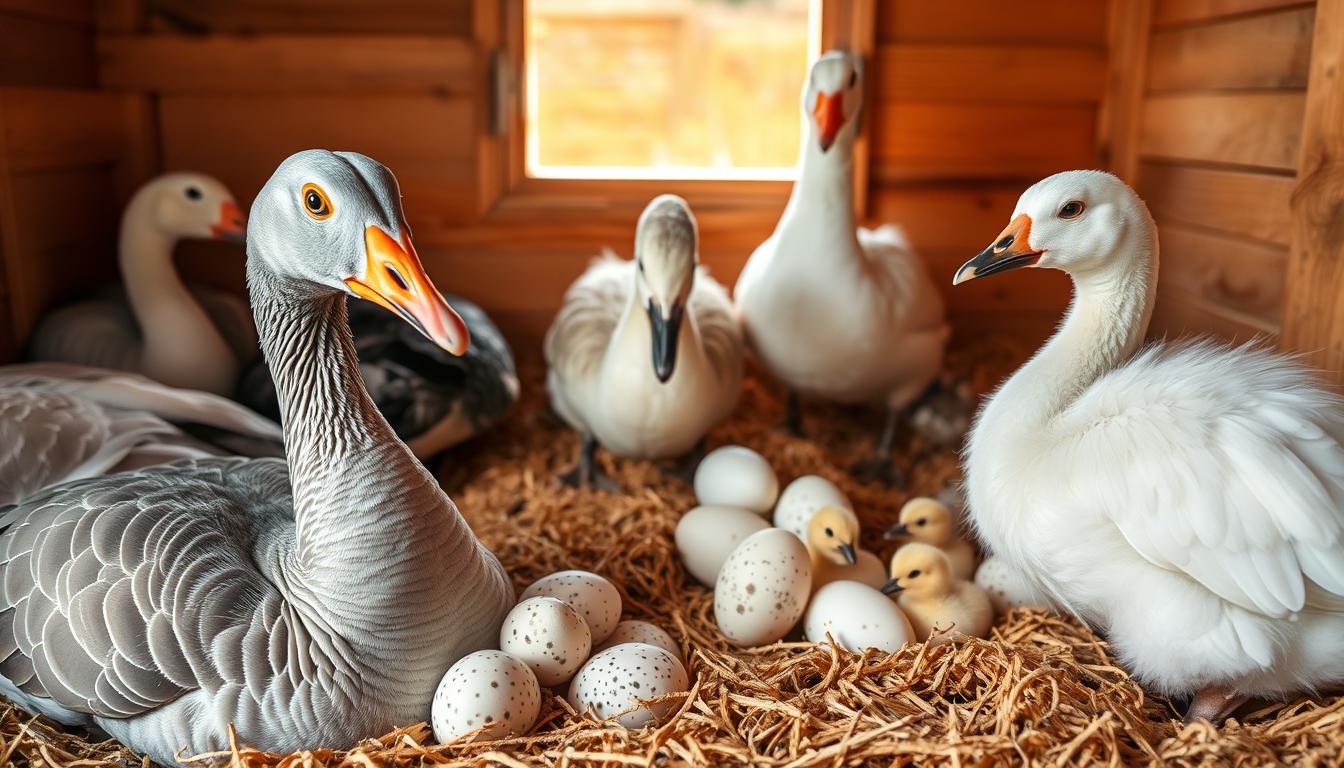
Can Geese Eggs Survive Cold Weather? Essential Facts Revealed
Have you ever wondered what happens to geese eggs when the temperature drops? As the chill of winter sets in, you might find yourself asking if these fragile eggs can withstand the cold.
Understanding how geese eggs manage to survive in harsh weather is not just fascinating; it can also help you appreciate the resilience of nature. Whether you’re a wildlife enthusiast, a curious reader, or someone who keeps geese, knowing the secrets behind egg survival can be both enlightening and practical.
Stick around to discover how these eggs defy the odds and what you can do to support them.
Credit: agristuff.com
Geese Eggs And Cold Weather
Geese lay eggs that need warmth to develop. Cold weather can affect how eggs survive.
Understanding if geese eggs can survive cold helps in caring for them during winter.
How Cold Affects Geese Eggs
Cold temperatures slow down embryo growth inside the eggs. If too cold, embryos can die.
Freezing can crack the egg shell and harm the developing gosling inside.
- Embryos need steady warmth to stay alive
- Extreme cold can stop development
- Frozen eggs usually will not hatch
How Geese Protect Their Eggs In Cold Weather
Mother geese keep eggs warm by sitting on them. Their body heat shields eggs from cold.
They build nests in sheltered spots to block wind and cold air.
- Constant incubation keeps eggs warm
- Nests provide insulation from cold
- Geese turn eggs to keep heat even
Tips For Helping Geese Eggs Survive Cold Weather
Keep nests in safe, dry places away from wind and snow. This helps keep eggs warm.
If you care for eggs, use heat lamps or warm incubators to protect them from cold.
- Place nests in sheltered areas
- Use incubators if natural warmth is not enough
- Check eggs regularly for cracks or damage
Temperature Effects On Egg Viability
Goose eggs are sensitive to temperature changes. Temperature affects how well eggs develop and hatch.
Keeping eggs at the right temperature helps protect the embryos inside. Cold weather can cause problems for egg survival.
Optimal Temperature Range
The best temperature for goose eggs is between 99°F and 102°F. This range keeps the embryo warm enough to grow properly.
- Temperatures below 95°F slow embryo growth.
- Temperatures above 103°F can harm the embryo.
- Stable temperature is better than wide swings.
- Humidity also affects egg health along with temperature.
Impact Of Freezing Temperatures
Freezing temperatures cause serious damage to goose eggs. Ice crystals can form inside the egg and break cells.
| Temperature | Effect on Egg | Survival Chance |
| Above 32°F (0°C) | Safe for short times | High |
| Below 32°F (0°C) | Ice forms inside egg | Very low |
| Below 28°F (-2°C) | Severe internal damage | Almost none |
Natural Adaptations Of Geese
Geese are well equipped to keep their eggs safe during cold weather. They have special ways to protect their nests and eggs from freezing temperatures. These natural adaptations help ensure the survival of their young.
This article explains two key adaptations: nest insulation techniques and parental behavior in cold weather. Both help geese eggs survive harsh conditions.
Nest Insulation Techniques
Geese build nests that keep eggs warm and shielded from the cold. They use soft materials and clever designs to trap heat.
- Geese gather down feathers from their own bodies to line the nest.
- They add grass, leaves, and moss to create a thick layer of insulation.
- The nest is usually built in a sheltered spot to block wind and cold air.
- The shape of the nest helps keep warmth inside and cold air out.
Parental Behavior In Cold
Geese parents show strong care to protect eggs during cold weather. They use their body heat and behavior to keep eggs warm and safe.
| Parental Action | Purpose |
| Brooding by the female | Keeps eggs warm with body heat |
| Turning eggs regularly | Prevents cold spots and promotes healthy development |
| Male guarding nest | Protects the nest from predators and disturbance |
| Short feeding breaks | Ensures the female returns quickly to warm eggs |

Credit: ca.news.yahoo.com
Eggshell Characteristics
Geese eggs have special shells that help protect them in cold weather. The eggshell works as a barrier against cold and moisture loss.
Understanding eggshell features is important to know how well the eggs survive low temperatures.
Shell Thickness And Protection
The thickness of a goose eggshell adds strength and protects the egg from cracks. Thicker shells help keep cold air out and keep the inside warm.
- Thick shells resist physical damage better.
- They provide insulation against cold weather.
- Shell strength reduces water loss from the egg.
- Thicker shells help protect against predators.
Porosity And Moisture Retention
Eggshells have tiny pores that allow gases to pass but control moisture loss. Proper porosity helps the egg stay hydrated in cold weather.
| Eggshell Feature | Benefit in Cold Weather |
| Pore Size | Small pores reduce water loss |
| Number of Pores | Enough for gas exchange without drying out |
| Moisture Retention | Keeps the embryo safe from freezing |
Incubation Practices
Geese eggs face challenges during cold weather. Proper incubation helps eggs survive low temperatures. Understanding how geese keep eggs warm is important for their survival.
Incubation practices include the behavior of the female goose and the timing she chooses to sit on the eggs. These factors affect the eggs’ chances of hatching safely.
Role Of The Female Goose
The female goose plays a key role in keeping eggs warm. She sits on the eggs to provide steady heat. Her body protects the eggs from cold air and wind.
She also turns the eggs often. This helps the embryos grow evenly and prevents the eggs from freezing. The female stays close to the nest most of the time.
- Sits on eggs to provide warmth
- Shields eggs from cold weather
- Turns eggs regularly for even heat
- Stays near nest to monitor eggs
Duration And Timing
Incubation usually lasts about 28 to 35 days. The female starts sitting on the eggs after laying the last one. This timing helps all eggs hatch close together.
During cold weather, the female goose keeps the eggs warm day and night. She may leave the nest briefly to find food. This careful timing ensures eggs do not get too cold.
- Incubation lasts 28 to 35 days
- Starts after the last egg is laid
- Keeps eggs warm during cold weather
- Leaves nest only for short breaks
Survival Rates In Different Climates
Geese eggs face many challenges in cold weather. The survival rate depends on the climate they are in. Cold climates can slow the growth of embryos inside the eggs.
Warmer climates help eggs stay at a stable temperature. This makes it easier for the eggs to hatch successfully. Cold weather needs special conditions for eggs to survive.
Cold Climate Success Stories
Some goose species live in very cold areas. They have adapted to keep their eggs warm. Parents sit on their nests for long hours to protect eggs from freezing.
In certain cold regions, eggs have a good chance to hatch. This happens when geese build nests in sheltered places. Snow can also act as an insulating layer.
- Geese use thick down feathers to keep eggs warm.
- Nests are often built in areas blocked from wind.
- Parents rotate eggs to keep heat even.
Challenges In Harsh Conditions
Freezing temperatures can stop embryo growth in eggs. If eggs get too cold, the embryos die. Strong winds and heavy snow can damage nests.
Finding safe nesting spots is hard in harsh weather. Food is scarce, making it tough for parents to stay on nests. Sometimes eggs freeze before they hatch.
- Cold weather can cause eggshells to crack.
- Parents may leave nests to search for food.
- Frostbite risks increase for both eggs and adults.
Human Intervention And Care
Geese eggs need special care to survive cold weather. Human help is important for better hatching results. Cold temperatures can harm the eggs if they are left outside.
People use different ways to keep the eggs warm and safe. These methods help improve the chances of healthy goslings hatching.
Artificial Incubation Methods
Artificial incubation uses machines to keep eggs warm and safe. Incubators control temperature and humidity. They mimic the natural warmth from a mother goose.
- Set incubators at 99.5°F (37.5°C) for best results.
- Keep humidity around 55% during most of the incubation.
- Increase humidity to 65% in the last three days before hatching.
- Turn eggs regularly to prevent the embryo from sticking to the shell.
- Keep incubators in a draft-free room to avoid cold air.
Protective Measures In Farming
Farmers use shelters and covers to protect goose nests from cold and wind. Proper nesting boxes help keep eggs warm and dry. It also lowers the risk of eggs freezing or getting wet.
| Protective Measure | Purpose | Benefits |
| Insulated Nesting Boxes | Keep eggs warm | Prevents egg chilling |
| Windbreak Fences | Block cold wind | Reduces heat loss |
| Dry Bedding Material | Absorb moisture | Keeps eggs dry |
| Regular Egg Checks | Monitor egg condition | Detect problems early |
Implications For Wildlife And Farming
Geese eggs face challenges during cold weather. Low temperatures can affect their survival. This impacts both wild geese populations and farmed birds.
Understanding how cold affects eggs helps protect wildlife. It also helps farmers manage their flocks better in cold climates.
Conservation Efforts
Wild geese eggs may freeze in cold weather, reducing hatch rates. Conservation groups work to protect nests from extreme cold.
Efforts include providing shelter and monitoring nests. This helps increase the chances that eggs survive and hatch.
- Building windbreaks near nesting sites
- Using natural materials to insulate nests
- Tracking temperature changes to time protection efforts
Egg Harvesting Considerations
Farmers must handle geese eggs carefully in cold weather. Eggs that freeze can lose their ability to hatch.
Keeping eggs at stable temperatures helps maintain their quality. Farmers should collect eggs regularly and store them properly.
- Collect eggs daily to prevent freezing
- Store eggs in cool, but not freezing, places
- Avoid sudden temperature changes during transport
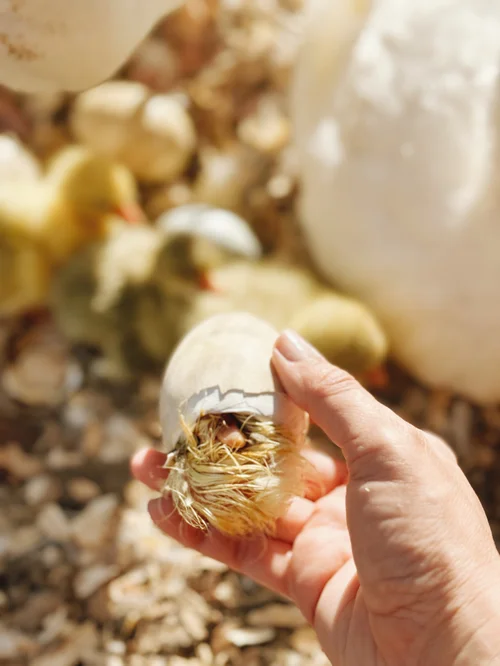
Credit: www.azurefarmlife.com
Frequently Asked Questions
Can Geese Eggs Survive Freezing Temperatures?
Geese eggs can survive mild cold but not freezing temperatures. Extreme cold damages the embryo inside, stopping development. Proper nesting and insulation protect eggs in colder climates, ensuring survival until hatching.
How Do Geese Protect Eggs In Cold Weather?
Geese use thick nesting materials and body warmth to protect eggs. They sit on eggs consistently, maintaining heat. Nest location also helps, often in sheltered areas to reduce cold exposure.
What Temperature Range Is Safe For Geese Eggs?
Ideal temperature for geese eggs is 99-102°F (37-39°C). Temperatures below 55°F (13°C) slow embryo growth, risking survival. Consistent warmth is critical during incubation for healthy hatching.
Do Geese Eggs Need Incubation In Cold Climates?
Yes, geese eggs require incubation regardless of climate. In cold weather, geese increase sitting time to keep eggs warm. Artificial incubation can help if natural warmth is insufficient.
Conclusion
Geese eggs have a strong chance of surviving cold weather. Their thick shells and natural insulation help protect them. Still, extreme cold can harm the eggs if not cared for. Keeping nests sheltered and dry improves survival rates. Nature designs geese eggs to endure chilly days.
Farmers and bird lovers can support this by providing safe environments. Understanding these needs helps maintain healthy goose populations. Cold weather is tough, but geese eggs have ways to cope. This resilience shows nature’s smart design for survival.