Can Dogs Survive Cold Weather: Essential Tips to Keep Them Safe
Picture this: the first snowflakes gently falling, transforming the landscape into a winter wonderland. But as you admire the beauty, you can’t help but wonder, “Can my dog handle this cold weather?”
It’s a common question, and one that every pet owner should consider. You want the best for your furry friend, but the chill of winter can be harsh and unforgiving. This article is your guide to understanding how cold weather affects dogs and what you can do to ensure their safety and comfort.
By the end, you’ll have the confidence and knowledge to keep your beloved pet warm and happy, no matter how low the temperature drops. So, let’s dive in and discover how you can become your dog’s winter hero.
Dogs And Cold Weather
Dogs can live in cold weather, but they need care. Some dogs handle cold better than others.
Knowing how cold affects dogs helps you keep them safe and warm.
How Dogs React To Cold
Dogs feel cold like people do. They may shiver or try to find a warm place. Cold weather can slow their movements.
- Shivering is a sign they are cold.
- Dogs may curl up to save heat.
- Cold slows down their activity.
- Some dogs get stiff or slow when cold.
Breed Differences In Cold Tolerance
Not all dogs handle cold the same way. Some breeds have thick fur and stay warm. Others have thin coats and feel cold fast.
| Breed Type | Cold Tolerance |
| Huskies and Malamutes | High tolerance due to thick fur |
| Short-haired breeds (like Greyhounds) | Low tolerance, need extra warmth |
| Small breeds (like Chihuahuas) | Low tolerance, often need coats |
| Medium breeds with double coats (like Labradors) | Moderate tolerance |
Signs Of Hypothermia And Frostbite
Hypothermia and frostbite are dangers in cold weather. Watch for signs to help your dog quickly.
- Shivering or shaking uncontrollably
- Weakness or slow movements
- Cold or pale skin, especially on ears and paws
- Swelling or blisters on skin
- Lethargy or unconsciousness in severe cases
Preparing Your Dog For Winter
Cold weather can be tough for dogs, especially small or short-haired breeds. Preparing your dog for winter keeps them safe and healthy.
It is important to adjust their clothing, exercise, and diet. These changes help your dog stay comfortable and strong during cold months.
Proper Winter Clothing For Dogs
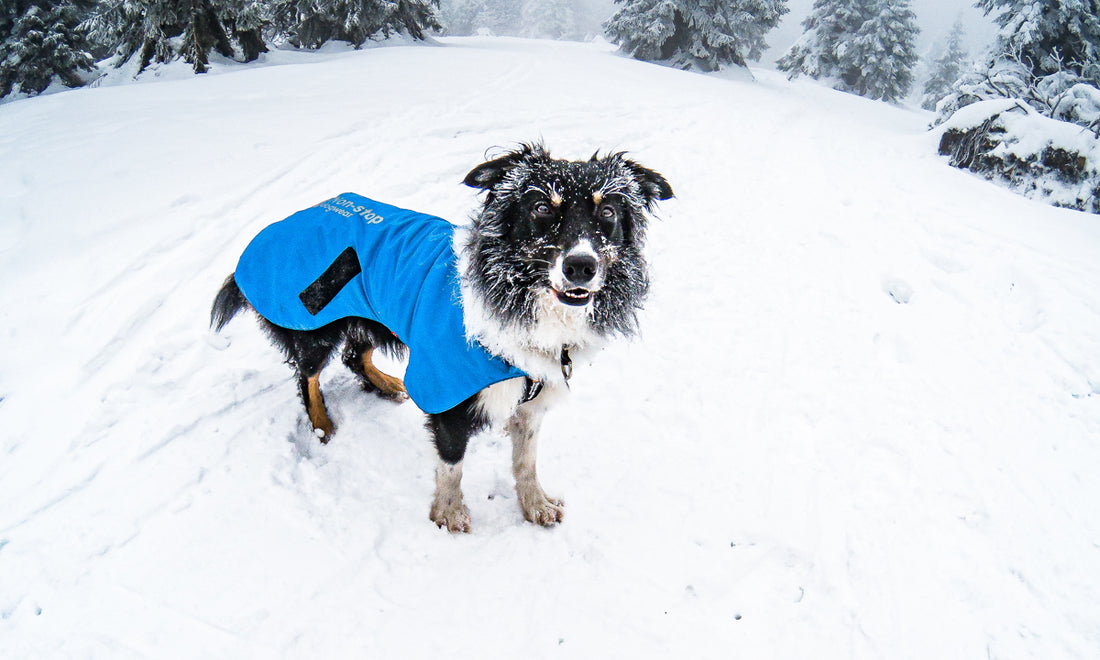
Some dogs need extra warmth when it gets cold. Dog sweaters and coats help keep their body heat inside.
Boots protect their paws from ice, snow, and salt. Make sure clothing fits well and is easy to move in.
- Choose waterproof and insulated coats
- Use boots to protect paws from cold and chemicals
- Check for signs of discomfort or overheating
Adjusting Exercise Routines
Dogs still need exercise in winter, but cold weather can limit activity. Shorten walks to avoid too much cold exposure.
Play indoor games to keep your dog active. Watch for signs that your dog is too cold, like shivering or lifting paws.
- Take shorter, more frequent walks
- Use indoor toys and games for exercise
- Always dry your dog after being outside
Nutrition Changes In Cold Weather
Cold weather can increase a dog’s energy needs. You may need to feed more calories to keep them warm and active.
Choose high-quality food with good protein and fat. Provide fresh water often, as dogs still need hydration in winter.
- Increase food portions if your dog is more active
- Use food with balanced protein and fat
- Keep fresh water available at all times
Safe Outdoor Practices
Cold weather can be dangerous for dogs if not managed well. Knowing how to keep them safe outside is very important.
This guide covers key ways to protect dogs from cold weather harm while outdoors.
Limiting Exposure Time
Dogs should spend less time outside in cold weather. Shorter walks and play sessions help prevent frostbite and hypothermia.
- Keep outdoor activities under 20 minutes in freezing temperatures.
- Watch your dog for signs of shivering or discomfort.
- Bring your dog inside if they seem cold or tired.
Protecting Paws From Ice And Salt
Ice and salt on sidewalks can hurt your dog’s paws. Salt causes irritation and ice can cause cracks or cuts.
- Use dog booties to shield paws from cold and chemicals.
- Rinse paws with warm water after walks to remove salt.
- Check paws for cracks, redness, or stuck ice balls.
- Apply paw balm to keep pads soft and healthy.
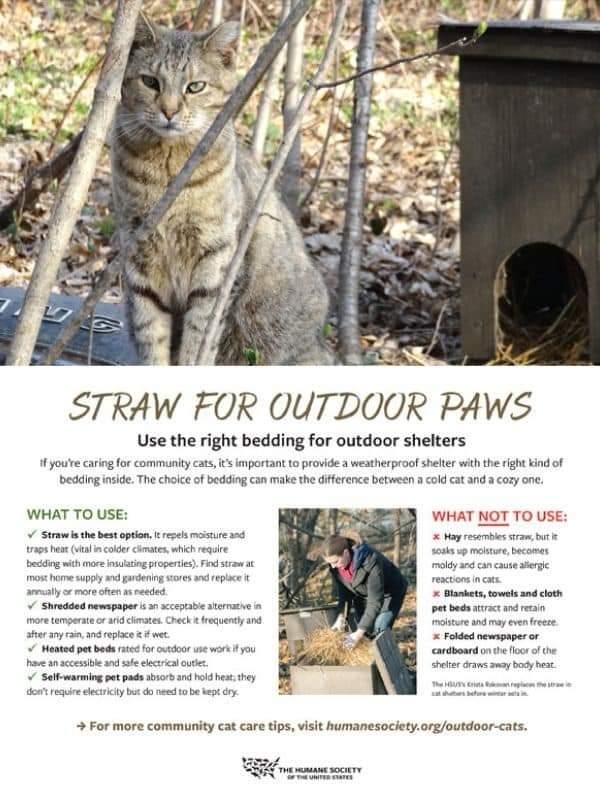
Creating A Warm Shelter
A warm shelter outside can protect dogs from wind and cold. It should block drafts and keep heat inside.
| Feature | Why It Matters |
| Insulation | Keeps warmth inside the shelter |
| Raised Floor | Keeps dog off cold ground |
| Windproof Walls | Blocks cold air and wind chill |
| Door Flap | Prevents heat loss but allows entry |

Credit: www.petscare.com
Indoor Care During Winter
Cold weather can be hard on dogs, especially those that spend most of their time indoors. Keeping them warm and healthy is very important during winter months.
This guide covers how to maintain comfortable temperatures, keep your dog hydrated, and watch for signs of health changes.
Maintaining Comfortable Temperatures
Keep your home warm enough for your dog to stay comfortable. Avoid drafts near their resting spots. Use blankets or dog beds that provide extra warmth.
- Set indoor temperature between 68-72°F (20-22°C).
- Place beds away from windows and doors.
- Use heating pads made for pets if needed.
- Dress small or short-haired dogs in warm sweaters.
Hydration Tips
Dogs may drink less water in winter, but they still need proper hydration. Keep fresh water available at all times.
| Tip | Reason |
|---|---|
| Change water frequently | Prevents freezing and keeps water fresh |
| Use a heated water bowl | Keeps water from freezing in cold rooms |
| Encourage water drinking | Supports kidney and overall health |
| Offer wet food | Increases fluid intake |
Monitoring Health And Behavior
Watch your dog closely for signs of cold stress or illness. Changes in behavior can show if they feel too cold or unwell.
- Shivering or trembling
- Reluctance to move or play
- Whining or restlessness
- Cold ears or paws
- Slow or shallow breathing
Emergency Preparedness
Cold weather can be dangerous for dogs. Knowing how to prepare and act in emergencies helps keep your pet safe. Watch for signs of trouble and act quickly.
Emergency preparedness means having a plan and supplies ready. It helps you respond well if your dog faces cold-related problems.
Recognizing Cold-related Emergencies
Dogs can suffer from hypothermia and frostbite in cold weather. Signs include shivering, weakness, and pale or blue skin. Watch for slow breathing and stiff muscles.
- Shivering or trembling
- Weakness or tiredness
- Slow, shallow breathing
- Pale, gray, or blue gums and skin
- Stiff or hard limbs
- Confusion or disorientation
First Aid Steps
Move your dog to a warm place immediately. Use blankets or towels to cover them gently. Avoid direct heat like heaters or hot water.
Check your dog’s breathing and heart rate. If needed, perform CPR carefully. Offer warm fluids if your dog is conscious and able to drink.
- Bring your dog indoors or to shelter
- Wrap with warm blankets or towels
- Use body heat, like skin-to-skin contact
- Do not use hot water or heating pads
- Offer warm (not hot) water to drink
- Monitor breathing and pulse
- Perform CPR if your dog stops breathing
When To See A Veterinarian
Take your dog to the vet if symptoms do not improve quickly. Call your vet right away if your dog loses consciousness or has trouble breathing.
Severe cold injuries need professional care. Early treatment can save your dog’s life and prevent long-term harm.
- Signs last more than 30 minutes
- Dog is unconscious or unresponsive
- Difficulty breathing or irregular heartbeat
- Frostbite on ears, paws, or tail
- Severe shivering or weakness
- Behavior changes like confusion

Credit: theonlinedogtrainer.com

Credit: kennelkitchen.com
Frequently Asked Questions
Can Dogs Survive In Extreme Cold Weather?
Yes, some dog breeds can survive extreme cold due to thick fur and fat layers. However, all dogs need shelter and protection from frostbite and hypothermia in harsh conditions.
How Do Dogs Stay Warm In Cold Weather?
Dogs stay warm using their fur coat, body fat, and by curling up to conserve heat. Owners can help by providing insulated dog houses and limiting outdoor exposure during cold spells.
Are Small Dog Breeds More Vulnerable To Cold?
Yes, small dog breeds lose body heat faster due to less body mass. They need extra warmth like dog sweaters or heated bedding when temperatures drop.
What Are Signs Of Cold Stress In Dogs?
Signs include shivering, lethargy, whining, and cold ears or paws. Immediate warmth and veterinary care are essential if these symptoms appear during cold weather.
Conclusion
Dogs can survive cold weather with proper care and attention. They need warm shelter, good food, and regular exercise. Some breeds handle cold better than others. Always watch for signs of cold stress or discomfort. Protect their paws from ice and salt.
Keeping dogs safe in winter helps them stay healthy and happy. Cold weather is no match for a well-prepared dog. Stay alert, stay kind, and your dog will thrive.