How Long Can a Person Survive in Cold Weather: Shocking Truths Revealed
Have you ever wondered just how long you could survive in freezing cold weather? It’s a question that might have crossed your mind during a brisk winter walk or while watching a thrilling survival movie.
Cold weather isn’t just uncomfortable; it can be incredibly dangerous. Understanding how your body reacts to frigid temperatures can make all the difference between life and death. You’ll discover the fascinating science behind human survival in extreme cold, practical tips to protect yourself, and the surprising factors that can extend or shorten your time in the chill.
Stay with us to uncover the secrets of staying safe when the mercury drops. Your next winter adventure could depend on it!
Survival Time Factors
Surviving in cold weather depends on many factors. These factors affect how long a person can stay alive.
Knowing these factors helps people prepare better for cold conditions. It also improves chances of survival.
Body Fat And Insulation
Body fat acts like insulation. It helps keep heat inside the body. People with more fat stay warmer longer.
Fat slows heat loss and protects vital organs. Thin people lose heat faster and get cold sooner.
- More body fat means better heat retention
- Fat layers protect against frostbite
- Less fat causes faster body heat loss
Clothing And Gear
Proper clothing is key in cold weather. Clothes trap warm air close to the skin. Good gear blocks wind and water.
Wearing layers helps adjust warmth. Waterproof and windproof items keep cold out. Poor clothing makes survival harder.
- Wear multiple layers for better insulation
- Choose waterproof and windproof fabrics
- Cover head, hands, and feet well
Physical Condition
Strong physical health helps survive cold. Good circulation moves warm blood to the skin. Weak health lowers survival time.
Fatigue and illness reduce the body’s ability to stay warm. Staying active produces heat but can cause sweating.
- Good health improves heat production
- Illness increases risk of hypothermia
- Rest conserves energy for warmth
Weather Conditions
Weather affects survival time greatly. Wind increases heat loss by blowing away warm air. Wet conditions cool the body fast.
Lower temperatures shorten survival time. Clear, calm weather helps keep warmth. Snow can both protect and expose the body.
- Wind speeds increase heat loss
- Wet clothes cause rapid cooling
- Cold temperatures reduce survival time
- Snow can insulate if used properly
Stages Of Cold Exposure
Cold weather can be dangerous. The body goes through different stages when exposed to cold. Knowing these stages helps in staying safe.
Each stage affects the body in a unique way. The main stages are initial cold shock, hypothermia development, and frostbite risks.
Initial Cold Shock
Initial cold shock happens right after the body hits cold air or water. The skin feels very cold, and breathing speeds up. The heart rate also rises quickly.
This stage lasts only a few minutes but can be very dangerous. It may cause gasping or loss of breath control, which leads to drowning in cold water.
Hypothermia Development
Hypothermia starts when the body loses heat faster than it can make it. The core body temperature drops below 95°F (35°C).
- Shivering begins to generate heat.
- Movement slows, and confusion may start.
- Speech becomes slurred and muscles stiffen.
- In severe cases, unconsciousness can occur.
It is important to get warm and dry to stop hypothermia from getting worse.
Frostbite Risks
Frostbite happens when skin and tissues freeze. It usually affects fingers, toes, ears, and nose first.
| Frostbite Stage | Symptoms | Action Needed |
| Frostnip | Skin turns red and cold | Warm the skin gently |
| Superficial Frostbite | Skin feels numb and hard | Seek shelter and warm slowly |
| Deep Frostbite | Skin turns white or blue, blisters form | Get medical help immediately |
Body’s Response To Cold
The human body reacts quickly to cold weather to protect itself. These responses help keep the core temperature stable.
Understanding these reactions shows how long a person can survive in cold conditions.
Shivering Mechanism
Shivering is the body’s way to make heat. Muscles shake fast to create warmth.
It starts automatically when the body feels cold. Shivering can double or triple heat production.
Blood Flow Changes
The body reduces blood flow to the skin and extremities. This keeps heat near vital organs.
Blood vessels tighten to limit heat loss. This can cause fingers and toes to feel very cold.
- Vasoconstriction reduces blood flow to skin
- Blood stays near heart, lungs, and brain
- Helps maintain core body temperature
Metabolic Adjustments
The body changes how it uses energy to make more heat. Metabolism speeds up during cold exposure.
Fat stores break down to provide fuel. This process helps keep the body warm over time.
- Increased metabolism produces extra heat
- Fat breakdown releases energy
- Long-term cold exposure raises heat production
Credit: www.healthline.com
Survival Tips In Extreme Cold
Surviving in cold weather is tough and needs careful planning. You can live longer if you stay warm and dry.
Knowing how to build shelter, keep heat, and eat right helps you survive cold conditions better.
Shelter Building
Building a shelter protects you from wind, snow, and cold air. It keeps your body heat inside.
- Find a natural shelter like a cave or dense trees.
- Build a snow cave or wall to block the wind.
- Use leaves, branches, or pine needles for insulation inside the shelter.
- Make the shelter small to keep warmth concentrated.
- Keep the entrance facing away from the wind.
Heat Retention Techniques
Keeping your body heat helps prevent hypothermia. Dress in layers and avoid sweating.
| Technique | How It Helps |
| Wear wool or synthetic layers | Traps air and keeps heat |
| Cover head, hands, and feet | Reduces heat loss from extremities |
| Use a windproof outer layer | Blocks cold wind |
| Keep dry | Wet clothes lose heat fast |
| Use body heat from others | Sharing warmth in groups |
Hydration And Nutrition
Water and food give energy to stay warm. Cold weather makes you need more calories and fluids.
- Drink warm water or melt snow before drinking.
- Eat high-energy foods like nuts, chocolate, and dried fruits.
- Eat small meals often to keep energy up.
- Avoid alcohol because it lowers body heat.
- Keep food dry and protected from cold.
Real-life Survival Stories
Cold weather can be very dangerous. People have survived long times in freezing conditions. Their stories teach us about strength and hope.
Understanding these real-life rescues helps us learn how to stay safe in cold weather. It shows how people fight against the cold.
Notable Cold Weather Rescues
In 1993, a man named Hugh survived 24 hours in freezing snow in the Rocky Mountains. He used a small fire and stayed still to save energy.
In 2010, a girl was lost in the Arctic for three days. She stayed inside a small tent and covered herself well. Rescuers found her alive but weak.
Another story tells of a hiker trapped in a blizzard for two nights. He built a snow shelter to block the wind and ate snow to stay hydrated.
Lessons Learned
Cold weather survival needs slow movements to save energy. Fire or shelter helps keep warm and protects from wind. Staying dry is very important.
- Build a shelter to block wind and cold
- Keep moving slowly to stay warm but not tired
- Use fire if possible for warmth and comfort
- Stay dry to avoid losing body heat
- Eat and drink to keep energy and hydration
These stories show that hope and smart actions can help people survive very cold times. Always prepare for cold weather before going out.
Credit: www.cbsnews.com
When Rescue Is Crucial
Surviving in cold weather depends on many things. Rescue becomes crucial when a person shows signs of danger. Knowing when to act can save a life.
This guide helps you recognize warning signs and use emergency signals to get help fast.
Recognizing Danger Signs
Cold weather can cause serious health problems. Watch for these danger signs:
- Shivering that stops suddenly
- Slow, weak pulse
- Confusion or trouble speaking
- Loss of coordination or stumbling
- Very cold or pale skin
- Unconsciousness or inability to stay awake
These signs mean the body is losing heat fast. Immediate rescue is needed to prevent death.
Emergency Signals
If trapped in cold weather, use clear signals to call for help. Rescuers look for these signs:
| Signal | Purpose | How to Do It |
| Shouting or Whistling | Attract attention | Call out loudly or blow a whistle |
| Fire or Smoke | Show location | Light a fire safely, produce smoke |
| Bright Clothing | Be visible | Wear or wave bright colors |
| Reflective Objects | Signal rescuers | Use mirrors or shiny objects to flash light |
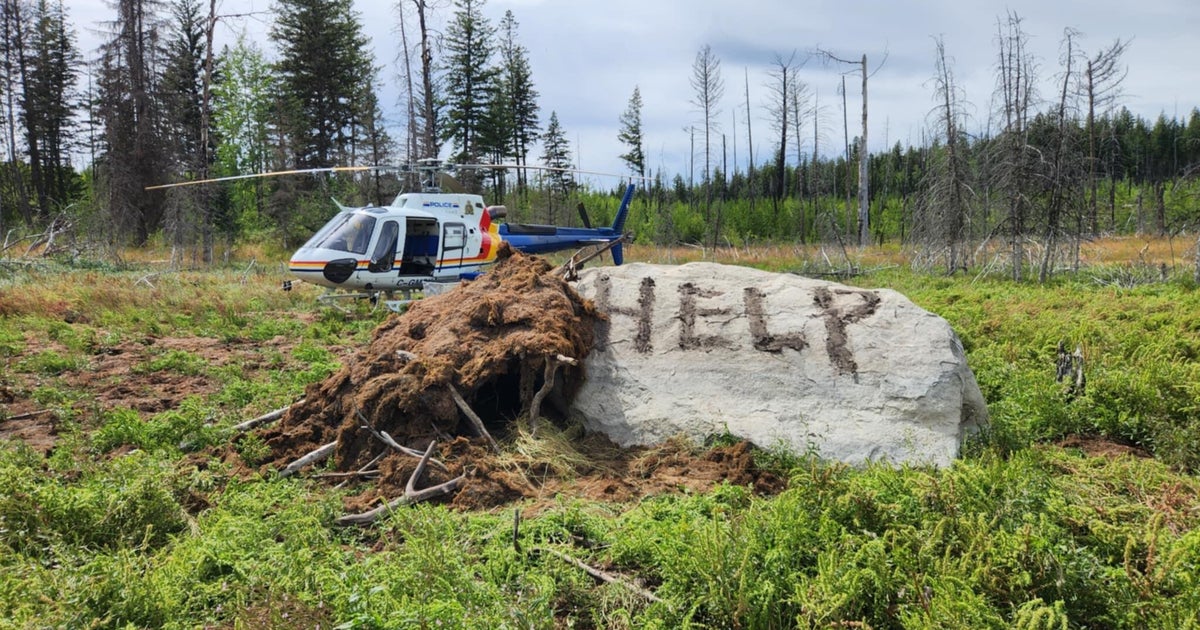
| Ground Symbols | Send messages | Create large signs or arrows in snow |
Use these signals as soon as you realize you need help. Quick action improves chances of rescue.

Credit: www.coldwatersafety.org
Frequently Asked Questions
How Long Can A Person Survive In Extreme Cold?
Survival in extreme cold depends on factors like clothing, shelter, and health. Without protection, hypothermia can occur within minutes, leading to death in hours.
What Are The Main Risks Of Cold Weather Exposure?
The primary risks include hypothermia, frostbite, and dehydration. Cold impairs body functions, and untreated conditions can become life-threatening quickly.
How Does Clothing Affect Survival In Cold Weather?
Proper clothing traps heat and blocks wind, significantly extending survival time. Layering with insulated, waterproof materials is crucial for cold protection.
Can A Person Survive In Cold Water Longer Than Cold Air?
Cold water causes faster heat loss than cold air, reducing survival time. Without flotation or insulation, survival in cold water is typically under an hour.
Conclusion
Surviving in cold weather depends on many factors. Body heat drops fast without protection. Staying dry and wearing warm clothes helps a lot. Finding shelter can save your life. Drinking water and eating keep energy high. Knowing these basics improves your chances greatly.
Cold weather is dangerous but manageable. Always respect nature’s power and prepare well. Survival is possible with the right steps. Stay safe and stay warm.