How Cold of Weather Can Chickens Survive: Ultimate Guide to Winter Care
Have you ever wondered just how tough your backyard chickens really are when it comes to facing the cold? You might be surprised at their resilience.
As temperatures drop, you may find yourself worrying about your feathered friends and how they handle the chill. Understanding how cold weather affects them is crucial for keeping them healthy and happy. We will dive into the surprising ways chickens adapt to cold weather and how you can help them thrive, even when the thermometer takes a plunge.
Are you ready to discover the secrets to ensuring your chickens are cozy and safe in the frosty months? Let’s get started.

Credit: backyardpoultry.iamcountryside.com
Chicken Cold Tolerance
Chickens can survive in cold weather if they have the right care. Their ability to handle cold depends on several things.
Understanding how cold chickens can get helps keep them safe and healthy during winter.
Breed Differences
Some chicken breeds handle cold better than others. Heavy breeds with thick feathers stay warmer.
Lighter breeds with less feathering may need extra protection in cold weather.
- Brahmas have thick feathers and dense bodies for cold
- Orpingtons grow fluffy feathers that keep heat
- Leghorns have thin feathers and are less cold tolerant
- Silkies have soft feathers but need shelter from drafts
Age And Health Factors
Young chicks and old chickens are more sensitive to cold. They need extra warmth and care.
Sick or weak birds have trouble keeping warm. Healthy chickens resist cold better.
- Chicks need brooder heat until fully feathered
- Older hens may need cozy shelter in harsh cold
- Good nutrition helps chickens stay warm
- Regular health checks prevent cold-related issues
Natural Adaptations
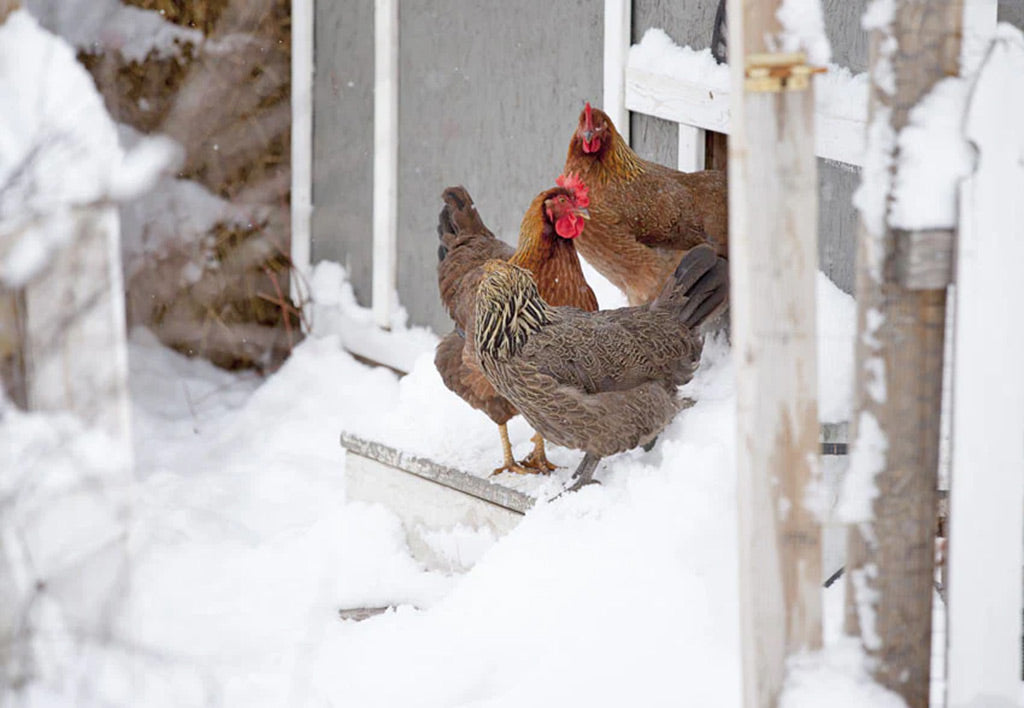
Chickens use natural ways to stay warm in cold weather. Their feathers trap heat close to their bodies.
They also fluff up feathers to create air pockets for insulation. Chickens huddle together to share body heat.
- Feathers provide a warm barrier against cold air
- Fluffing feathers increases warmth
- Huddling reduces heat loss
- Seeking shelter blocks wind and snow

Credit: backyardpoultry.iamcountryside.com
Signs Of Cold Stress
Chickens can survive cold weather, but they show signs when it gets too cold. Knowing these signs helps keep them safe.
Cold stress affects chickens in how they act and how their bodies look. Watch for changes to help them quickly.
Behavioral Changes
Chickens change their behavior when cold. They try to stay warm and avoid losing heat.
- Huddling closely together to share body heat
- Fluffing feathers to trap warm air
- Reduced movement to save energy
- Less eating and drinking than usual
- Seeking shelter more often
Physical Symptoms
Cold stress also shows in the chicken’s body. Some signs are easy to see.
| Symptom | Description |
| Pale comb and wattles | Blood flow reduces to keep core warm |
| Shivering | Muscle movement to create heat |
| Frozen toes or feet | Skin and tissue damage from extreme cold |
| Labored breathing | Stress on the respiratory system |
| Decreased egg production | Body focuses on survival, not laying eggs |
Coop Preparation For Winter
Cold weather can be tough on chickens. Proper coop preparation helps them stay warm and healthy.
Focus on insulation, ventilation, and stopping drafts to protect your flock in winter.
Insulation Techniques
Insulating the coop keeps heat inside and cold air out. Use materials like foam boards or straw to add layers of protection.
- Line walls with foam board insulation
- Use straw or hay as bedding for warmth
- Seal gaps with caulk or weather stripping
- Add extra roofing material to block cold winds
Ventilation Balance
Good ventilation removes moisture and ammonia while keeping warm air inside. Poor airflow can cause respiratory problems.
| Ventilation Tip | Why It Matters |
| Install small vents near the roof | Allows stale air to escape |
| Keep vents clear of snow and ice | Prevents blockages that reduce airflow |
| Avoid large openings | Keeps cold drafts out |
| Use adjustable vents | Control airflow as needed |
Draft Prevention
Drafts make chickens cold and can cause illness. Blocking drafts without sealing the coop completely is key.
- Cover windows with clear plastic sheets
- Seal gaps around doors and windows with weather stripping
- Use heavy curtains or fabric over openings at night
- Place windbreaks like bushes or fences near the coop
Feeding And Watering Tips
Cold weather can be tough for chickens. Proper feeding and watering help them stay healthy.
Adjusting their diet and water supply keeps chickens warm and active in winter.
Winter Diet Adjustments
Chickens need more energy in cold weather. Feed them more grains and protein.
Offer warm treats like cooked vegetables to help keep their body heat.
- Increase grains like corn for extra calories
- Add protein from mealworms or cooked eggs
- Provide warm, cooked vegetables occasionally
- Avoid feeding wet or frozen food
Water Supply Management
Chickens need fresh water even in freezing weather. Check their water often.
Use heated waterers or change water several times a day to prevent freezing.
- Use a heated waterer to keep water liquid
- Change water two to three times daily
- Place waterers in a sheltered spot
- Check water temperature regularly
Supplements For Cold
Supplements help chickens fight cold stress. Offer vitamins and minerals daily.
Adding extra vitamins supports their immune system and feather growth.
- Give vitamin supplements, especially A, D, and E
- Use mineral blocks or grit for digestion
- Provide extra salt to replace lost electrolytes
- Offer probiotics to improve gut health
Keeping Chickens Warm
Cold weather can be tough on chickens. They need extra care to stay warm. Keeping them cozy helps them stay healthy and lay eggs.
Let’s look at ways to keep your chickens warm in cold weather. You can use heat sources, good bedding, and smart roosting.
Heat Sources
Heat sources can provide extra warmth when temperatures drop. Use safe and reliable methods to avoid fire risks. Small heaters or heat lamps designed for poultry work well.
- Use ceramic heat emitters for steady warmth.
- Place heat lamps away from flammable materials.
- Check wiring and equipment regularly for safety.
- Provide heat only when necessary to avoid overheating.
- Ensure good ventilation to prevent moisture buildup.
Bedding Choices
Good bedding keeps chickens insulated from cold floors. It also absorbs moisture and keeps the coop dry. Straw and wood shavings are popular options.
| Bedding Type | Insulation Quality | Moisture Absorption |
| Straw | High | Moderate |
| Wood Shavings | Moderate | High |
| Sawdust | Low | Moderate |
| Hay | Moderate | Low |
Roosting Strategies
Chickens keep warm by roosting close together. High roosts stop drafts and use body heat well. Good roosting spots protect them from cold floors.
- Build roosts at least two feet off the ground.
- Use wide, smooth perches for comfort.
- Place roosts away from windows and doors.
- Allow space for all chickens to roost together.
- Keep the coop draft-free but ventilated.
Health Care In Cold Weather
Chickens can survive cold weather, but they need good care. Cold can affect their health and comfort.
Proper care helps chickens stay strong and avoid illness in winter.
Frostbite Prevention
Frostbite happens when chicken parts freeze, usually combs and feet. It causes pain and damage.
Keep chickens warm and dry to stop frostbite. Use dry bedding and block cold wind.
- Use straw or wood shavings for bedding
- Make sure coop is draft-free but ventilated
- Apply petroleum jelly on combs and wattles
- Check chickens daily for cold injuries
Disease Management
Cold weather can increase disease risk in chickens. Their immune system weakens in low temperatures.
Keep the coop clean and dry to reduce illness. Remove wet bedding and droppings often.
- Provide fresh, clean water daily
- Feed balanced diets to support immunity
- Keep chickens away from sick birds
- Use proper ventilation to prevent moisture buildup
Regular Health Checks
Check chickens often for signs of cold stress or sickness. Early care can save lives.
Look for changes in behavior, appetite, and feather condition. Treat or isolate sick birds quickly.
- Observe chickens for shivering or lethargy
- Check feet and combs for frostbite
- Watch for respiratory signs like coughing
- Keep records of health and treatments
Outdoor Access During Winter
Chickens can handle cold weather if they have safe outdoor access. They enjoy fresh air and exercise even in winter.
Providing the right outdoor space helps keep chickens healthy and active during cold months.
Safe Environment Setup
Set up a secure outdoor area to protect chickens from wind and wet weather. Use windbreaks and dry bedding.
Make sure the ground is not icy or muddy. Chickens need stable footing to avoid injuries.
- Build windbreaks using wood or plastic sheets
- Provide dry straw or wood shavings for bedding
- Clear snow and ice regularly from walkways
- Ensure there is enough space to move freely
Monitoring Activity Levels
Watch your chickens closely to see how active they are outside. Low activity can mean they feel cold or unwell.
Check if chickens are eating and drinking well. Keep an eye out for any signs of frostbite or stress.
- Look for changes in movement and behavior
- Note if they stay huddled in one spot
- Observe eating and drinking habits daily
- Inspect feet and combs for frostbite signs
Common Winter Challenges
Chickens can survive cold weather, but winter brings many challenges. Owners must understand these to keep birds safe.
Cold temperatures affect chickens’ health, comfort, and productivity. Knowing common problems helps in proper care.
Snow And Ice Issues
Snow and ice can make walking hard for chickens. Their feet can freeze or get injured on ice.
Snow blocks access to food and water. Ice can cover water containers, making drinking difficult.
- Frozen water must be checked often.
- Provide dry bedding to avoid icy ground.
- Clear snow near feeders and doors.
Reduced Egg Production
Chickens lay fewer eggs in cold weather. Shorter daylight hours lower their egg production.
Cold stress makes hens use energy to stay warm, not to lay eggs. Nutrition and warmth help improve laying.
- Keep chickens warm with proper shelter.
- Give extra feed with more calories.
- Use lights to extend daylight hours.
Predator Risks
Winter can increase risks from predators. Snow and darkness hide predators near the coop.
Frozen ground makes digging harder, but predators may try other ways to reach chickens.
- Check and repair coop for gaps or holes.
- Use secure locks on doors and windows.
- Keep the area around the coop clean and free of hiding spots.

Credit: www.reddit.com
Frequently Asked Questions
How Cold Can Chickens Tolerate Without Shelter?
Chickens can tolerate temperatures as low as 20°F (-6°C) if they are healthy. Proper shelter and bedding are essential to keep them warm and prevent frostbite during colder weather.
What Signs Show Chickens Are Too Cold?
Look for shivering, puffed-up feathers, lethargy, and reduced egg production. These signs indicate chickens are struggling with cold and need extra warmth or protection.
How To Keep Chickens Warm In Freezing Weather?
Provide insulated coops, dry bedding, and good ventilation without drafts. Use heat lamps cautiously and ensure chickens have access to unfrozen water.
Can Chickens Survive Snow And Ice Conditions?
Yes, chickens can survive snow and ice if they have dry, draft-free shelters and enough food. Snow alone is not harmful if proper care is given.
Conclusion
Chickens can handle cold weather better than many think. They stay warm by fluffing their feathers and huddling together. Still, very low temperatures need extra care from owners. Providing shelter, fresh water, and good food helps them survive winter. Watch for signs of frostbite or stress during freezing days.
Healthy chickens can live well in cold climates with proper care. Keep their coop dry and draft-free for best results. Cold weather is tough, but chickens are tough too. Simple steps can protect your birds all winter long.