Do Cats Survive the Cold Weather: Essential Tips to Keep Them Safe
Have you ever watched your cat curl up into a cozy ball during a chilly winter evening and wondered if they’re truly equipped to handle the biting cold? As the temperatures drop, it’s natural to be concerned about your furry friend’s well-being.
You might ask yourself, do cats survive the cold weather? You’re not alone in pondering this. Many pet owners share the same concern, wanting to ensure their beloved feline companions are safe and comfortable as the seasons change. You’ll discover key insights into how cats cope with cold weather, what signs to look for if your cat is feeling the chill, and practical tips to keep them warm and happy.
Stay with us to unravel the mysteries of your cat’s cold-weather resilience and learn how you can enhance their comfort during those frosty days.

Credit: www.reddit.com
Cats And Cold Weather
Cats can feel cold just like humans. Cold weather can affect their health and behavior. It is important to know how cats handle low temperatures.
Some cats live outside and face cold weather daily. Understanding their reactions helps us keep them safe during winter.
How Cats React To Cold
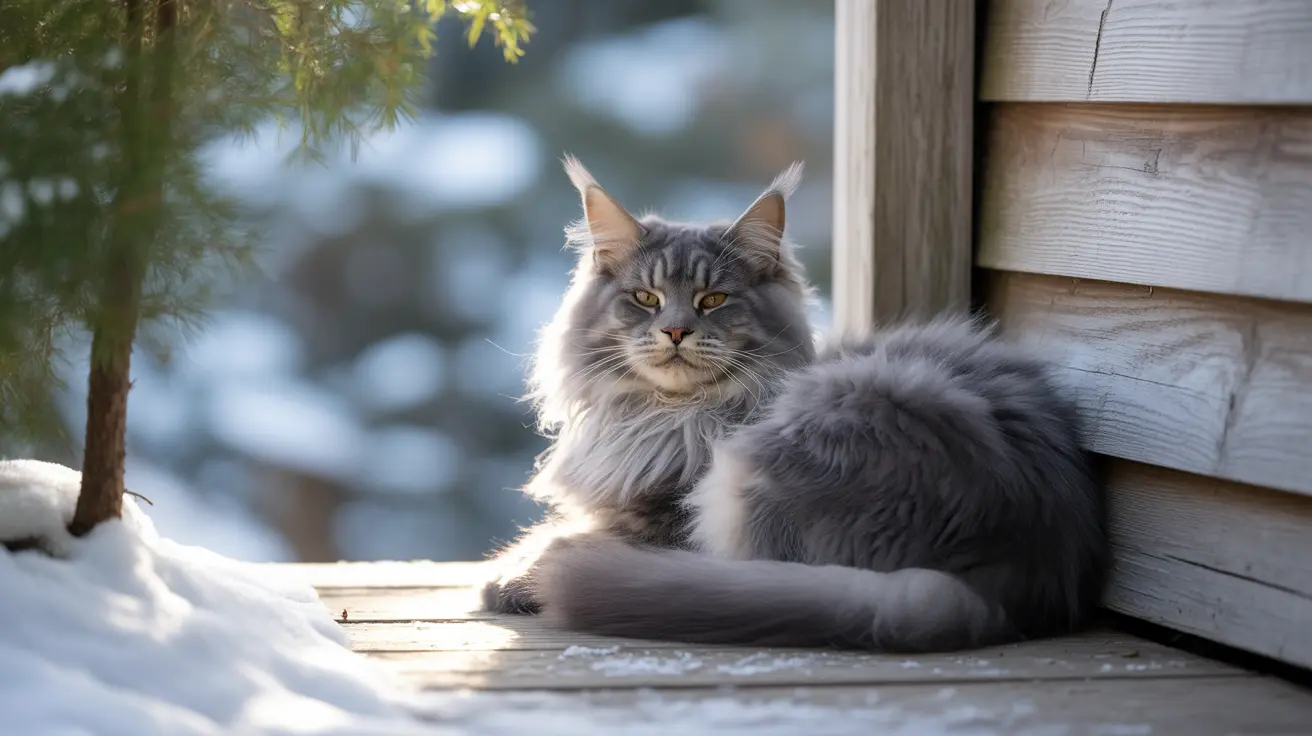
Cats try to stay warm by curling up into balls. This helps keep their body heat inside. They may also seek warm places like sunny spots or near heaters.
Some cats grow thicker fur in winter. This natural change helps protect them from the cold. Cats may move less to save energy when it is cold.
- Curl into a ball to save heat
- Find warm places to rest
- Grow thicker fur in winter
- Reduce activity to save energy
Risks Of Cold Exposure
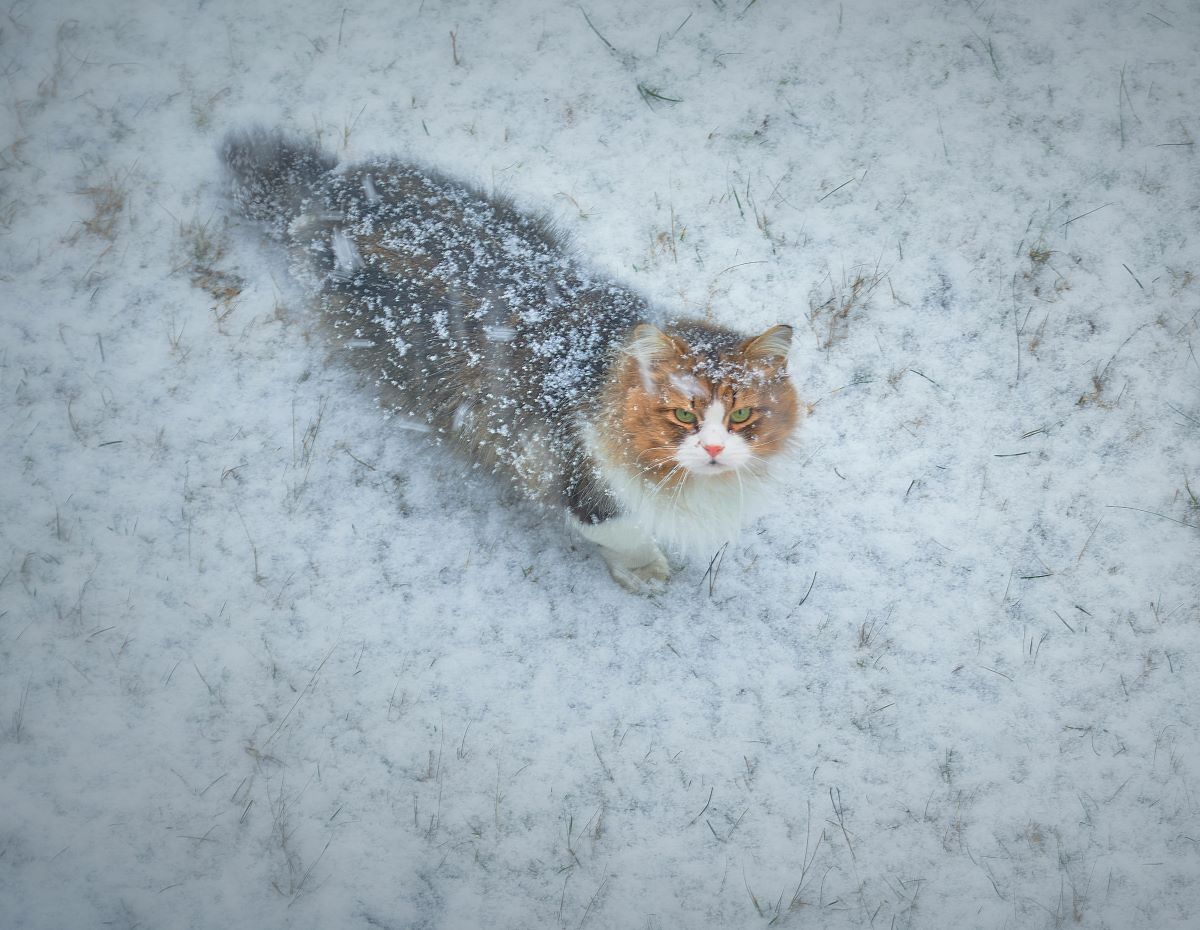
Cold weather can cause health problems for cats. Prolonged exposure can lead to hypothermia or frostbite. These are serious and need quick care.
Young, old, or sick cats are more at risk. Wet fur makes cold worse. Cats without shelter face the highest dangers during cold days.
- Hypothermia from long cold exposure
- Frostbite on ears, paws, and tail
- Weak or sick cats are more vulnerable
- Wet fur increases heat loss
- No shelter raises risk of illness
Credit: www.jackery.com
Signs Of Cold Stress In Cats
Cold weather can be very hard on cats. They may show signs of stress if they get too cold. It is important to know what to look for.
Recognizing these signs early helps you keep your cat safe and warm during cold days.
Behavioral Changes
When cats feel cold, they often change how they act. You might see some unusual behavior.
- Hiding in warm spots or under blankets
- Less movement and playing
- Shivering or trembling
- Seeking warmth near heaters or sunlight
- Resting more than usual
Physical Symptoms
Cold stress can also cause clear physical signs. Watching your cat’s body can tell you if it is suffering.
| Symptom | Description |
| Shivering | Muscle tremors to create heat |
| Cold ears and paws | Extremities feel cold to touch |
| Pale or blue gums | Signs of poor blood circulation |
| Slow breathing | Breathing rate decreases |
| Lethargy | Low energy and weakness |
Indoor Vs Outdoor Cats In Winter
Cold weather can be hard on cats. Some cats live indoors, while others roam outside. Their safety and comfort change with the seasons.
This article looks at how indoor and outdoor cats survive winter. It explains the problems outdoor cats face. It also shows why indoor shelter helps cats in cold weather.
Challenges For Outdoor Cats
Outdoor cats must deal with cold temperatures and harsh weather. Snow, ice, and rain can cause sickness and injury. They also need to find dry, warm places to rest.
Food and water become harder to find in winter. Frozen water and scarce prey make survival tough. Outdoor cats can also catch colds or frostbite.
- Risk of hypothermia and frostbite
- Difficulty finding food and water
- Exposure to wet and icy conditions
- Less shelter from wind and snow
- Higher chance of illness and injury
Benefits Of Indoor Shelter
Indoor cats stay warm and dry during winter. They have a safe space free from harsh weather. This helps them avoid sickness and injuries.
Indoor shelter means cats always have food and water. They feel secure and comfortable. This support is important for their health in cold months.
- Protection from cold, wind, and rain
- Steady access to food and fresh water
- Reduced risk of illness and frostbite
- Comfort and safety all winter long
- Better chance to stay healthy and happy
Creating A Warm Space
Cold weather can be hard on cats. They need a warm, safe place to rest. Creating a cozy space helps them stay healthy.
Providing the right bedding and heating options keeps cats comfortable during chilly days and nights.
Choosing The Right Bedding
Soft bedding traps heat and keeps cats warm. It also gives them a sense of security and comfort.
- Use blankets made of fleece or wool for extra warmth.
- Place bedding in a draft-free area to avoid cold air.
- Choose a bed with raised sides to block wind and hold heat.
- Regularly wash bedding to keep it clean and dry.
Safe Heating Options
Heaters can help, but safety is important. Choose options designed for pets or that have safety features.
| Heating Option | Safety Tips |
| Electric Heated Pads | Use with automatic shut-off and chew-resistant cords |
| Warm Water Bottles | Wrap in a towel to avoid burns |
| Heat Lamps | Keep at a safe distance and never leave unattended |
| Insulated Cat Houses | Use natural insulation to keep warmth inside |
Nutrition And Hydration In Cold Weather
Cold weather can affect your cat’s health in many ways. Proper nutrition and hydration help cats stay warm and strong.
Adjusting their diet and ensuring enough water intake are key to keeping cats safe in low temperatures.
Adjusting Diet For Warmth
In cold weather, cats need more energy to keep their body temperature up. You can help by giving food rich in calories and nutrients.
- Feed high-protein meals to support muscle and heat production.
- Include healthy fats for extra energy.
- Offer smaller, frequent meals to keep their metabolism active.
- Add warming foods, like cooked chicken or fish, to their diet.
Ensuring Water Intake
Cold weather may reduce a cat’s thirst, but water is still vital. Dehydration can cause serious health problems.
| Tip | How It Helps |
| Use warm water | Makes drinking more appealing |
| Place multiple bowls | Easy access encourages drinking |
| Check water daily | Ensures freshness and cleanliness |
| Include wet food | Increases moisture intake |
Protective Gear For Cats
Cold weather can be hard on cats, especially those that spend time outside. Protective gear helps keep them warm and safe. Choosing the right items is important for their comfort and health.
This section covers two main types of gear: sweaters and coats, plus booties for paw care. Each item protects cats differently from the cold and harsh conditions.
Cat Sweaters And Coats
Sweaters and coats provide warmth and block cold wind. They come in many sizes and materials to fit cats of all shapes. It is important to pick soft, stretchy fabrics that do not restrict movement.
- Choose sweaters with breathable fabric to avoid overheating indoors.
- Look for coats that are water-resistant for wet weather.
- Ensure the gear fits well to prevent chafing or slipping off.
- Check for easy closures like Velcro or snaps for quick dressing.
- Wash the garments regularly to keep them clean and fresh.
Booties And Paw Care
Booties protect cats’ paws from ice, salt, and cold surfaces. They also help prevent cracks and sores during winter. Proper paw care is essential for outdoor cats in freezing weather.
| Type of Booties | Use | Material |
| Soft Fabric | Indoor use, light cold | Cotton, fleece |
| Waterproof | Snow and wet conditions | Rubber, neoprene |
| Insulated | Extreme cold | Thick fleece, thermal lining |
When To Seek Veterinary Help
Cold weather can be dangerous for cats. Knowing when to get veterinary help can save your pet’s life. Watch for signs that your cat is too cold or hurt by frostbite.
Early care is important. If you notice unusual behavior or physical signs, contact your vet right away.
Signs Of Hypothermia
Hypothermia happens when a cat’s body temperature falls too low. It can cause serious health problems fast.
- Shivering or trembling
- Slow or weak pulse
- Weakness or lethargy
- Cold ears, paws, or tail
- Stiff muscles or difficulty moving
- Unresponsiveness or confusion
If your cat shows these signs, warm them gently and call your vet immediately.
Frostbite Symptoms
Frostbite happens when skin or tissue freezes. It is common on the ears, tail, and paws of cats exposed to cold.
| Symptom | Description |
|---|---|
| Pale or gray skin | Skin looks pale or gray, especially on extremities |
| Cold and hard areas | Skin feels very cold and stiff to the touch |
| Blisters or swelling | Blisters may form, and skin can swell |
| Blackened tissue | Severe frostbite can cause tissue to turn black |
| Pain or sensitivity | Your cat may pull away or show pain when touched |
Seek veterinary care if you see frostbite symptoms. Early treatment helps prevent tissue loss and infection.
Preventing Cold-related Hazards
Cold weather can be dangerous for cats. They need protection from risks that come with low temperatures. Owners must take steps to keep cats safe and warm.
Understanding the hazards helps you prevent health problems. This guide covers key ways to protect your cat during cold months.
Avoiding Antifreeze Poisoning
Antifreeze is deadly to cats even in small amounts. It smells sweet but can cause severe poisoning and death. Keep antifreeze away from places your cat can reach.
Clean up spills immediately and use antifreeze products that are safer for pets. Store containers in locked cabinets or high shelves.
- Check under cars for leaks before your cat goes outside.
- Use pet-safe antifreeze alternatives if possible.
- Teach family members about the dangers of antifreeze.
- Watch for symptoms like vomiting, weakness, or trouble breathing.
Safe Outdoor Spaces
Cats that go outside need safe, warm spaces during cold weather. Create sheltered areas to protect them from wind, rain, and snow.
Use insulated shelters with soft bedding. Place the shelter in a quiet spot away from traffic and predators. Check the shelter often to keep it dry and clean.
- Build or buy a small insulated cat house.
- Provide straw bedding for warmth, not blankets that hold moisture.
- Place food and water near the shelter to encourage use.
- Clear snow and ice from paths leading to the shelter.

Credit: www.reddit.com
Frequently Asked Questions
Can Cats Survive In Cold Weather Conditions?
Yes, cats can survive cold weather but only for short periods. They grow thicker fur to stay warm. However, extreme cold can be dangerous without shelter or food.
How Do Cats Keep Warm During Winter?
Cats keep warm by curling up to conserve heat. They seek warm places indoors or near heat sources. Their fur coat thickens naturally in colder months.
Should Cats Stay Indoors During Cold Weather?
Yes, it’s safer for cats to stay indoors in winter. Indoors, they avoid frostbite, hypothermia, and predators. Provide warm bedding and fresh water to keep them comfortable.
What Are Signs Of Cold Stress In Cats?
Signs include shivering, lethargy, pale gums, and slow breathing. Cats may hide or refuse to move. Immediate warmth and vet care are essential if symptoms appear.
Conclusion
Cats can survive cold weather, but they need care and warmth. Outdoor cats face risks like frostbite and illness. Providing shelter and food helps keep them safe. Watch for signs of cold stress, like shivering or hiding. Warm bedding and dry areas make a big difference.
Keep pets indoors during extreme cold. A little attention can protect cats from harsh weather. Their survival depends on how we help them stay warm. Simple steps keep cats healthy through winter. Safety matters most for our furry friends.