Do Caterpillars Survive the Cold Weather? Shocking Truth Revealed
Have you ever wondered what happens to caterpillars when the cold weather arrives? If you’re curious about whether these tiny creatures survive the chill or simply disappear until spring, you’re not alone.
Understanding how caterpillars cope with freezing temperatures can change the way you see the natural world around you. Keep reading to discover surprising facts about their survival strategies and how they manage to thrive despite the cold. This knowledge might even help you protect the butterflies and moths in your own garden!

Credit: www.reddit.com
Caterpillars And Cold Weather
Caterpillars are young insects that later become butterflies or moths. Cold weather can be tough for them. Understanding how they survive helps us learn about nature.
This article looks at how caterpillars deal with cold days and freezing temperatures. We explore their habits and survival skills.
Cold weather slows down caterpillars’ body functions. Their movements become slow, and they eat less. If it gets too cold, some may not survive.
Caterpillars use special ways to survive cold weather. Some hide under leaves or bark. Others produce chemicals that act like antifreeze in their bodies.
- Find shelter in tree bark or soil
- Enter a state called diapause to pause growth
- Produce antifreeze proteins to avoid ice damage
- Build thick cocoons for protection
Types Of Caterpillars That Survive Cold
Not all caterpillars handle cold the same way. Some species are stronger in cold climates. These caterpillars have better survival skills.
| Species | Cold Survival Method | Habitat |
| Winter Moth | Diapause and antifreeze | Temperate forests |
| Gypsy Moth | Hides under bark | North America |
| Forest Tent Caterpillar | Builds cocoons | Cold forests |
Signs Of Cold Damage In Caterpillars
Caterpillars that do not survive cold show certain signs. They may look shriveled or stay still for a long time. These signs help scientists study their health.
Note:Cold damage can lead to lower butterfly numbers in spring.
How Cold Affects Caterpillars
Caterpillars are sensitive to cold temperatures. Cold weather can change their behavior and survival chances.
Understanding how cold affects them helps us learn about their life cycles and habitats.
Temperature Thresholds
Caterpillars have specific temperature limits for survival. Below certain temperatures, they stop moving and feeding.
- Most caterpillars become inactive below 50°F (10°C).
- Freezing temperatures near 32°F (0°C) can kill many species.
- Some species survive short freezes by producing antifreeze chemicals.
- Temperatures below 20°F (-6°C) are usually fatal for caterpillars.
Physical Impact On Caterpillars
Cold weather causes physical changes in caterpillars. Their body functions slow down and tissues can be damaged.
| Effect | Impact |
| Chill Injury | Weakens muscles and nerves |
| Freezing | Ice crystals damage cells |
| Dehydration | Cold air removes moisture from bodies |
| Reduced Metabolism | Slows growth and development |
Survival Strategies In Winter
Caterpillars face cold weather that can be dangerous. To survive, they use special ways to protect themselves.
These survival strategies help caterpillars stay alive until warm weather returns.
Hibernation And Diapause
Many caterpillars enter hibernation to survive winter. They slow down their body functions and rest in safe places.
Diapause is a deeper rest stage. It stops their growth and development until conditions improve.
- Hibernation helps reduce energy use
- Diapause pauses life activities
- Both keep caterpillars safe from cold
Antifreeze Proteins
Caterpillars produce antifreeze proteins to survive freezing temperatures. These proteins stop ice crystals from forming in their bodies.
This ability prevents damage to their cells and keeps them healthy through cold periods.
- Antifreeze proteins lower freezing point
- Protect cells from ice damage
- Help caterpillars survive harsh cold
Shelter Seeking Behavior
Caterpillars find safe shelters to avoid cold weather. They hide under leaves, bark, or in soil.
These places protect them from wind, frost, and predators during winter.
- Use leaf litter as warm cover
- Hide inside tree bark cracks
- Burrow slightly into the soil
Species That Withstand Cold
Caterpillars face many challenges during cold weather. Some species survive winter by using special ways to stay warm.
Understanding which caterpillars live through the cold helps us learn about their habits and survival skills.
Cold-hardy Caterpillars
Some caterpillars live in places with very cold winters. They have natural ways to survive freezing temperatures.
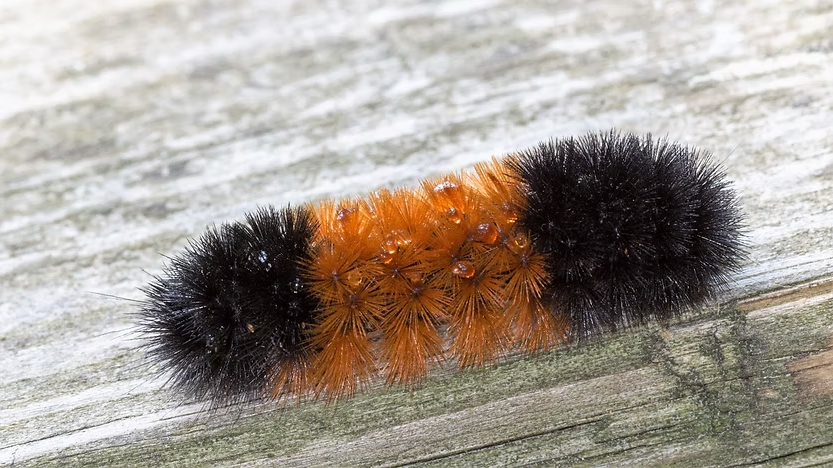
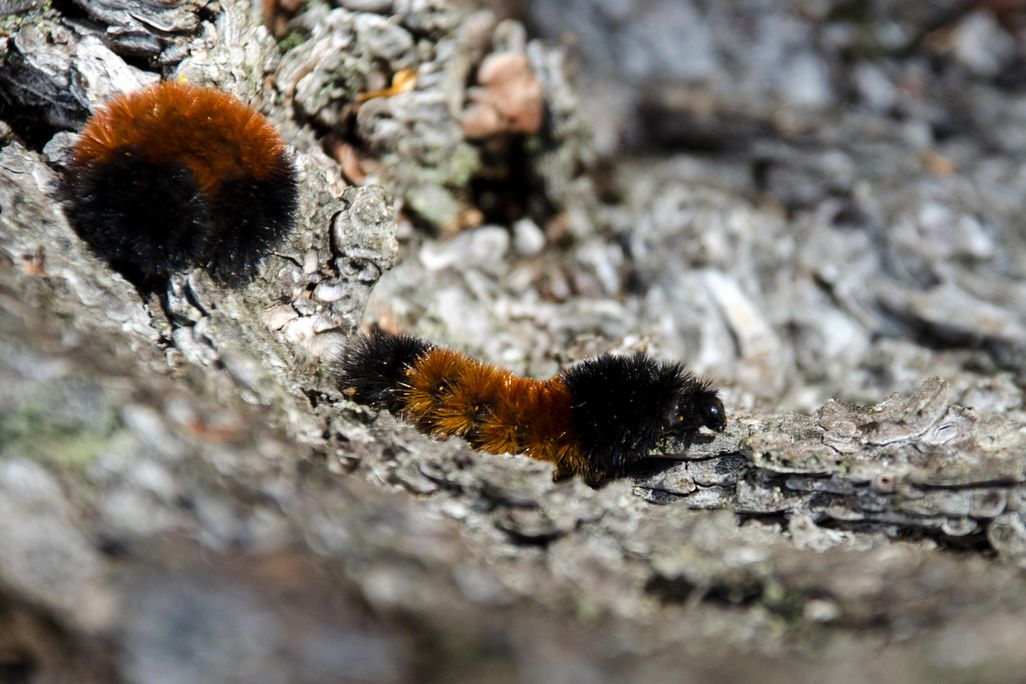
- The woolly bear caterpillar can freeze solid and thaw out later.
- The eastern tent caterpillar hides in silk tents to keep warm.
- The spruce budworm caterpillar burrows into bark for shelter.
Adaptations Unique To Species
| Species | Adaptation | Benefit |
| Woolly Bear | Produces antifreeze chemicals | Prevents ice formation in tissues |
| Eastern Tent Caterpillar | Builds silk tents | Creates a warm microclimate |
| Spruce Budworm | Hides under bark | Protects from cold wind and predators |
Consequences Of Cold Exposure
Caterpillars face many challenges in cold weather. Cold can change their survival and growth.
Understanding these effects helps us learn how caterpillars cope with winter.
Mortality Rates
Cold temperatures can increase caterpillar death rates. Many cannot survive freezing conditions.
Some caterpillars die quickly if they cannot find shelter or enter a dormant state.
- Extreme cold causes cell damage and death
- Lack of food in cold slows energy use
- Some species survive better with shelter
- Survival depends on species and cold duration
Effect On Growth And Development
Cold weather slows caterpillar growth and development. Their bodies work slower at low temperatures.
This delay can affect when they become butterflies or moths and their size at maturity.
- Growth slows as metabolism drops
- Development stages last longer in cold
- Smaller size may result from long cold exposure
- Some caterpillars pause growth to survive winter

Credit: bugoftheweek.com
Impact Of Climate Change On Caterpillar Survival
Caterpillars face new challenges as the climate changes. Cold weather affects their ability to survive the winter. Understanding these changes helps us learn how caterpillars adapt.
Climate change changes temperatures and habitats. These shifts can help or harm caterpillar populations. We will look at how warmer winters and changing habitats affect them.
Warmer Winters
Warmer winters mean less cold for caterpillars. Some caterpillars rely on cold weather to stay dormant. Without enough cold, they may wake too early and starve.
Warmer winters also let more predators survive. This can increase the danger for caterpillars. Some species may grow in number, but others may struggle to survive.
- Less cold can confuse caterpillar hibernation cycles
- Early waking can cause food shortages
- More predators survive, increasing risks
Changing Habitats
Climate change shifts where plants grow. Caterpillars depend on specific plants for food. When plants move, caterpillars must move too or find new food sources.
Some caterpillars adapt to new habitats well. Others cannot find enough food or safe places to live. Habitat change can reduce caterpillar numbers in some areas.
- Plant movement forces caterpillars to change locations
- New food sources may not be available
- Loss of habitat can lower caterpillar survival rates
Protecting Caterpillars In Cold Climates
Caterpillars face many challenges during cold weather. Low temperatures can harm their survival.
It is important to protect their habitats and help them survive winter. This keeps the butterfly and moth populations healthy.
Habitat Conservation
Keeping caterpillar habitats safe helps them stay warm in cold months. Plants and leaves offer shelter and food.
Protecting native plants and avoiding cutting too many leaves in fall supports caterpillars. Leaf litter also acts as insulation.
- Leave fallen leaves in garden areas
- Grow native plants for food and shelter
- Avoid removing too many branches or plants
- Keep habitats undisturbed during winter
Human Interventions
People can help caterpillars survive cold weather with simple actions. Providing shelters or protecting habitats works well.
Building small shelters or leaving natural debris helps caterpillars stay warm. Avoid using pesticides in winter areas.
- Create small shelters with leaves and twigs
- Do not remove natural debris from gardens
- Stop pesticide use in cold weather seasons
- Monitor caterpillar areas without disturbing them
Credit: www.smithsonianmag.com
Frequently Asked Questions
Do Caterpillars Hibernate During Cold Weather?
Yes, many caterpillars enter a state similar to hibernation called diapause. This helps them survive freezing temperatures by slowing their metabolism and conserving energy.
How Do Caterpillars Survive Freezing Temperatures?
Caterpillars produce antifreeze proteins and shelter in protected places. These adaptations prevent ice formation in their bodies, allowing survival through cold spells.
Can All Caterpillars Survive Winter Cold?
No, survival depends on species and environment. Some species migrate, others die, while many use diapause to endure winter conditions safely.
What Happens To Caterpillars In Extreme Cold?
In extreme cold, caterpillars may die if they can’t find shelter or produce antifreeze substances. Survival chances depend on their specific adaptations.
Conclusion
Caterpillars face tough challenges in cold weather. Some species can survive by hibernating. They find shelter in leaves or soil. Others produce chemicals to prevent freezing. Not all caterpillars survive, though. Their survival depends on the species and environment. Understanding these adaptations helps us appreciate nature’s wonders.
Observing caterpillars can teach us about resilience. Next time you see one, think about its journey. Surviving winter is no small feat. Nature provides them with tools to endure. Our role is to protect their habitats. By doing so, we support their survival.
Caterpillars remind us of nature’s incredible adaptability.