What Does a Hurricane Need to Survive: Essential Survival Factors Revealed
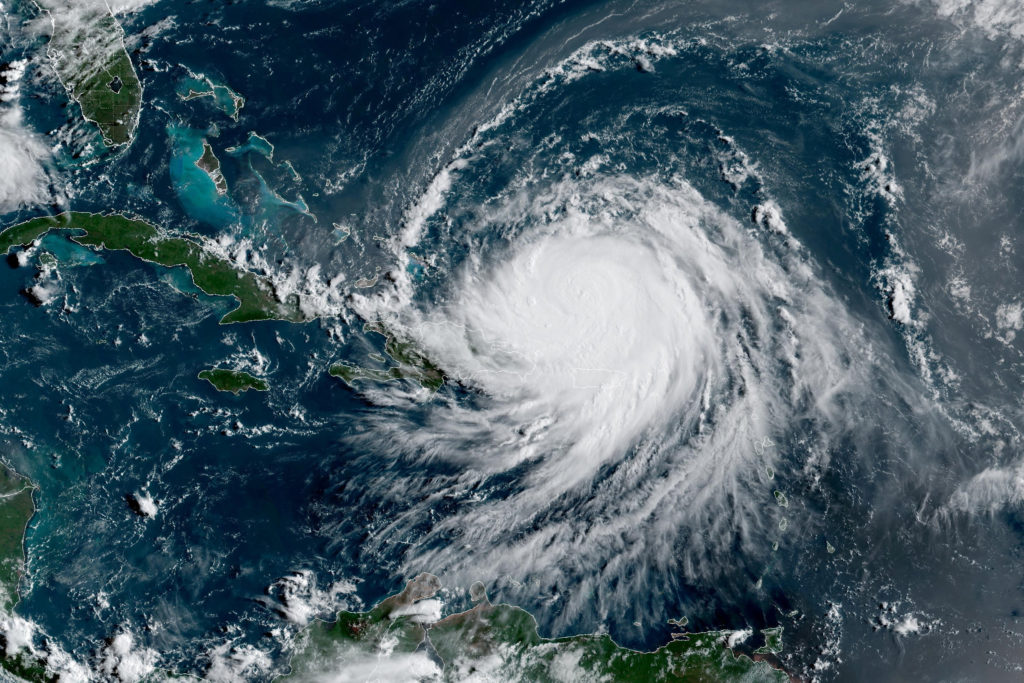
Have you ever wondered what fuels the formidable power of a hurricane? It’s fascinating to think about how these massive storms gather strength and unleash their fury.
Understanding what a hurricane needs to survive can give you a unique insight into the natural world and maybe even help you feel a bit more prepared when storm season rolls around. We’re diving into the core elements that hurricanes depend on to thrive.
By the end, you’ll know exactly what makes them tick and why they’re so powerful. Stick around; you might discover some surprising facts that could change the way you view these awe-inspiring natural phenomena.

Credit: m.youtube.com
Warm Ocean Waters
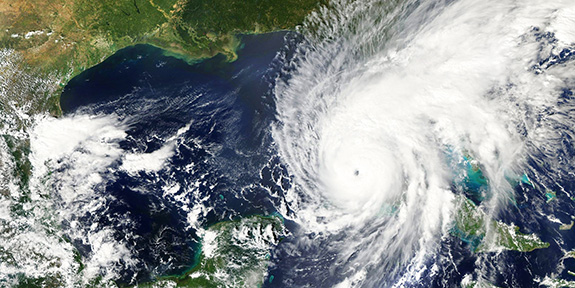
Hurricanes need warm ocean waters to form and grow. Warm water gives energy to the storm. Without enough heat, a hurricane cannot survive.
Oceans must be at least 26.5°C (80°F) to support a hurricane. This warmth affects how strong the hurricane can become.
Role Of Sea Surface Temperature
Sea surface temperature is the top layer of the ocean’s heat. It controls how much energy is available for hurricanes. Warmer water means more energy for the storm.
- Warmer water heats the air above it.
- Warm air rises and creates low pressure.
- Low pressure helps the storm grow stronger.
- Cooler water weakens the storm’s power.
Heat Transfer To The Atmosphere
Heat moves from the warm ocean to the air. This heat warms the air and adds moisture. The warm, moist air fuels the hurricane’s clouds and winds.
| Process | Effect on Hurricane |
| Evaporation of warm water | Increases humidity and energy |
| Warm air rises | Creates low pressure and wind flow |
| Condensation of water vapor | Releases heat, strengthens storm |
| Cooling ocean surface | Reduces energy and weakens hurricane |
Credit: www.sttammany.health
Moisture In The Atmosphere
Moisture in the air is very important for a hurricane to grow and live. Without enough moisture, the storm cannot get stronger.
Hurricanes use water vapor from the atmosphere to fuel their power. This moisture helps create clouds and rain inside the storm.
Source Of Atmospheric Moisture
The ocean is the main source of moisture for hurricanes. Warm ocean water evaporates and adds water vapor to the air.
Air over the ocean picks up this moisture and carries it into the storm. The more warm water, the more moisture is available.
- Warm ocean water heats the air above it
- Water turns into vapor and rises into the atmosphere
- Rising moist air feeds the hurricane’s clouds
Impact On Storm Intensity
When a hurricane has plenty of moisture, it can grow stronger and last longer. Moisture helps the storm produce heavy rain and strong winds.
Without enough moisture, the hurricane loses energy and becomes weaker. Dry air can slow down or stop the storm.
- More moisture means more energy for the hurricane
- Strong storms have thick clouds and heavy rain
- Dry air can weaken or break apart the storm
Low Wind Shear
Low wind shear means the wind does not change much with height. This is important for hurricanes to grow strong.
When wind shear is low, the storm stays organized and can build a strong center.
Effect On Storm Structure
Low wind shear helps keep the hurricane’s shape. The storm’s center, called the eye, stays clear and calm.
- The storm’s tall clouds stay aligned from bottom to top.
- This alignment allows the storm to spin faster and become stronger.
- High wind shear can tilt the storm, breaking its structure.
- Low wind shear lets the storm build powerful rain bands and winds.
Conditions Favoring Low Shear
Certain weather conditions help keep wind shear low. These conditions often appear in tropical regions.
| Condition | Description |
| Warm Ocean Waters | Heat from water fuels the storm and reduces wind differences. |
| Stable Upper Atmosphere | Calm winds high above allow the storm to stay vertical. |
| Strong Trade Winds | Steady winds near the surface prevent disruptive wind changes. |
| Seasonal Patterns | Summer and early fall usually have lower wind shear in tropics. |

Credit: www.youtube.com
Pre-existing Disturbances
Hurricanes need certain conditions to form and grow. One key factor is a pre-existing disturbance in the atmosphere. These disturbances give hurricanes a starting point to develop.
Without these initial disturbances, hurricanes cannot organize or gain strength. They create the low pressure and thunderstorms needed to build a storm.
Tropical Waves
Tropical waves are one common type of disturbance. They are low-pressure areas that move west across the tropics. These waves bring clouds and rain.
Many hurricanes start from tropical waves. They provide the moisture and energy needed for storm growth. As the wave moves over warm ocean water, it can turn into a storm.
- Tropical waves move westward near the equator
- They cause clusters of thunderstorms
- Warm ocean water helps them grow
- They often become hurricanes in the Atlantic
Cyclones
Cyclones are another type of disturbance. They are large areas of low pressure with swirling winds. Cyclones can form over warm oceans.
When cyclones gain strength, they can become hurricanes. The winds pull in moist air, which fuels the storm. The cyclone’s rotation helps organize the system.
- Cyclones have a center of low pressure
- They spin due to Earth’s rotation
- They bring heavy rain and strong winds
- Some cyclones grow into hurricanes
How Initial Disturbances Form
Initial disturbances form from changes in air pressure and temperature. Warm ocean water heats the air above it. This warm air rises and creates low pressure.
Wind patterns and Earth’s rotation cause the air to spin. Clouds and thunderstorms form in this spinning air. Over time, this can grow into a large storm system.
- Warm ocean water heats the air
- Rising warm air creates low pressure
- Earth’s rotation causes spinning winds
- Clouds and storms develop around low pressure
- Storms can grow into hurricanes with right conditions
Favorable Atmospheric Conditions
Hurricanes need certain atmospheric conditions to keep growing. These conditions help the storm stay strong and move across the ocean.
Two important factors are upper-level outflow and pressure systems. They shape how the hurricane behaves and how long it can survive.
Upper-level Outflow
Upper-level outflow moves air away from the top of the hurricane. This movement allows more air to rise from below. It helps the storm keep its energy.
- Removes air from the storm’s center
- Allows warm, moist air to rise
- Supports the hurricane’s growth
- Prevents the storm from collapsing
Pressure Systems Influence
Pressure systems around a hurricane affect its path and strength. High and low pressure areas can push or pull the storm.
| Pressure System | Effect on Hurricane |
| High Pressure | Can steer the hurricane and block its path |
| Low Pressure | Can pull the hurricane toward it and help it grow |
Geographical Influences
Hurricanes need certain places to grow and last. The geography around them plays a big role.
This section explains how oceans, coasts, and land affect hurricanes.
Coastal And Oceanic Factors
Warm ocean water is the main energy source for hurricanes. The warmer the water, the stronger the storm can be.
Coastal shapes and ocean depth also affect hurricane behavior. Shallow water can slow them down or weaken them.
- Water temperature above 26.5°C helps storms grow
- Deep oceans supply more energy to hurricanes
- Coastal shapes can change storm paths
- Warm currents like the Gulf Stream feed hurricanes
Land Interaction Effects
When hurricanes hit land, they lose their main energy source: warm water. This makes them weaker.
Mountains and rough terrain can break up the storm. Flat land lets hurricanes stay stronger longer.
- Land cuts off hurricane’s warm water supply
- Mountains disrupt wind flow and weaken storms
- Flat land allows storms to move farther inland
- Urban areas can change storm patterns slightly
Frequently Asked Questions
What Are The Key Ingredients For A Hurricane To Survive?
A hurricane needs warm ocean water, moist air, and low wind shear to survive. These conditions fuel its energy and structure.
How Does Warm Ocean Water Affect Hurricane Survival?
Warm water above 26. 5°C provides heat and moisture. This energy keeps the hurricane strong and helps it maintain intensity.
Why Is Low Wind Shear Important For Hurricanes?
Low wind shear allows hurricanes to stay organized. High wind shear disrupts their structure and weakens or dissipates the storm.
Can Hurricanes Survive Without Moist Air?
No, moist air is essential as it fuels cloud formation and storm growth. Dry air weakens hurricanes rapidly.
Conclusion
Hurricanes need warm ocean water, moist air, and low wind shear. These elements help storms grow and stay strong. Without warm water, they lose power quickly. Wind patterns also shape their path and intensity. Understanding these factors helps predict hurricane behavior better.
Stay aware and prepared during hurricane season. Nature’s force is powerful but not unstoppable. Learning how hurricanes survive aids safety for all.