Can Dog Survive in Cold Weather: Essential Tips for Safety
When the temperature drops and the chill sets in, you might wonder, can your dog really survive the cold weather? The answer isn’t as straightforward as you might think.
Just like us, dogs have varying tolerance levels when it comes to the cold. Some love to romp in the snow, while others shiver at the mere thought of stepping outside. You’ll discover what factors influence a dog’s ability to withstand cold temperatures and how you can ensure your furry friend stays safe and comfortable when winter arrives.
Stay with us as we explore ways to keep your dog healthy and happy, no matter how frosty it gets.
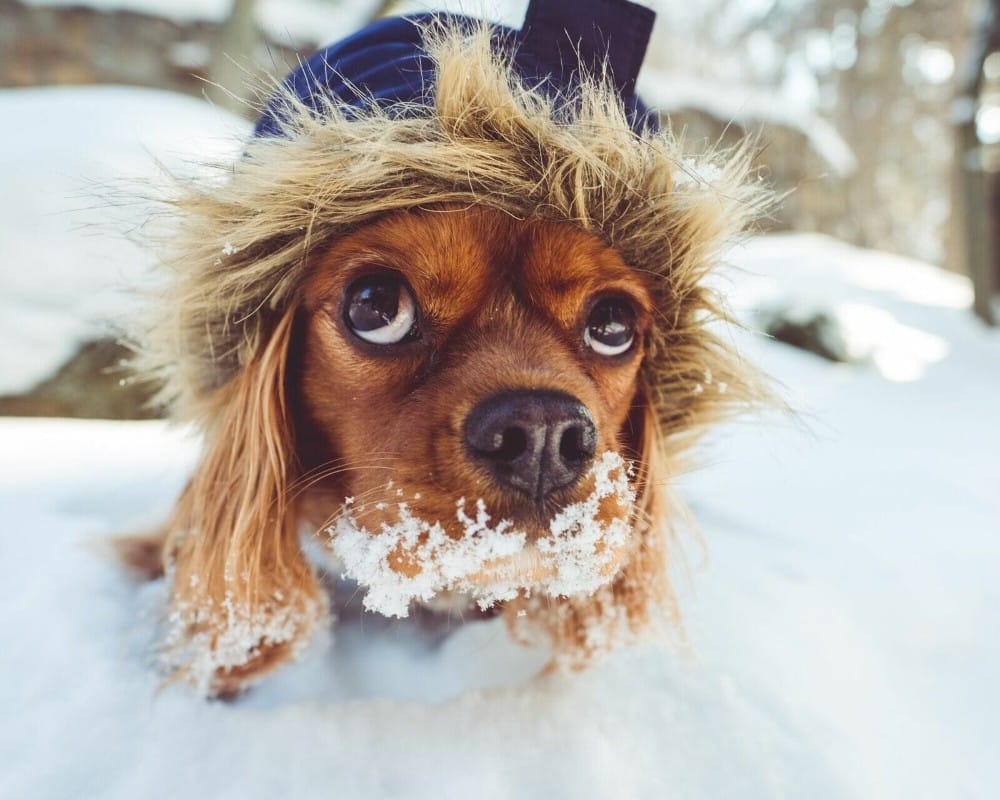
Credit: www.thisdogslife.co
Effects Of Cold On Dogs
Cold weather can affect dogs in many ways. Some dogs handle cold better than others.
It is important to know how cold impacts your dog’s health and behavior.
How Dogs React To Cold
Dogs react to cold by shivering to keep warm. They may also curl up to save heat.
Some dogs become less active and seek shelter to avoid the cold.
- Shivering helps generate body heat
- Curling up protects vital organs
- Reduced activity lowers heat loss
- Seeking shelter avoids cold exposure
Signs Of Hypothermia
Hypothermia happens when a dog’s body temperature drops too low. It can be very dangerous.
Watch for these signs if your dog is outside in cold weather.
- Shivering that does not stop
- Slow or weak pulse
- Stiff muscles or weakness
- Confusion or difficulty walking
- Cold ears and paws
- Slow breathing
Breed And Coat Impact
Some dog breeds handle cold better because of their fur and body type. Thick coats keep dogs warm.
Short-haired and small dogs feel cold faster and need extra care.
- Thick double coats protect from cold
- Small dogs lose heat quickly
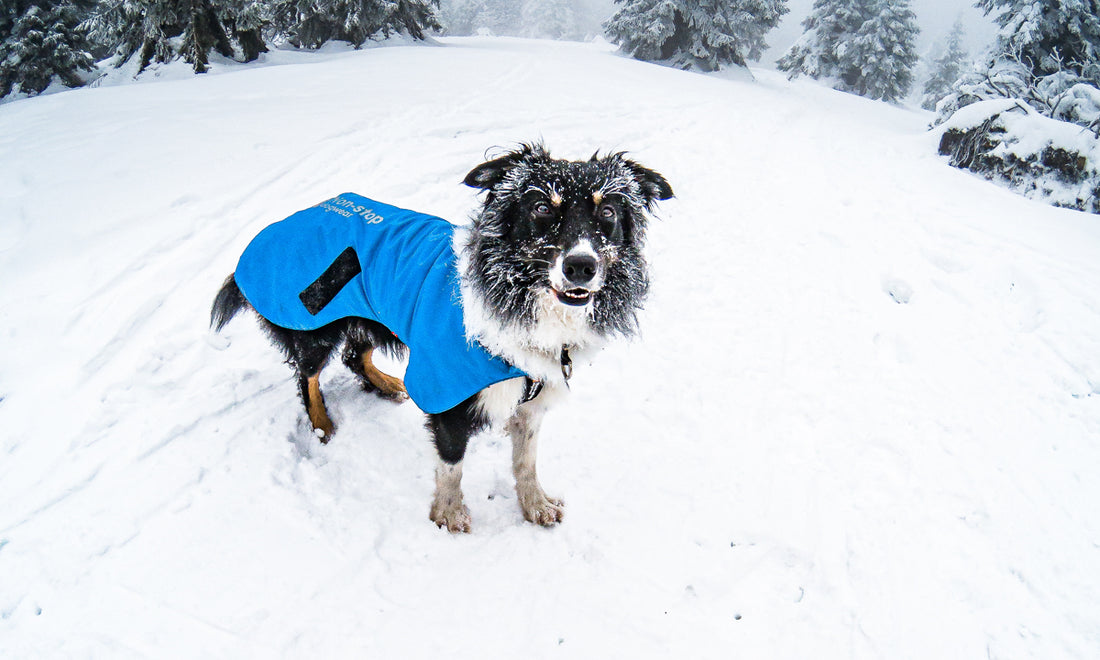
- Short-haired breeds need sweaters or jackets
- Heavy-coated breeds like Huskies tolerate cold well
Preparing Your Dog For Cold Weather
Cold weather can be tough for dogs, especially small or short-haired breeds. Preparing your dog well helps keep them safe and comfortable.
Knowing how to protect your dog from cold helps prevent illness and stress. This guide covers clothing, shelter, nutrition, and water needs.
Choosing The Right Dog Clothing
Dog clothing keeps your pet warm during cold days. Choose clothes that fit well and cover important body parts.
Look for materials that keep heat in but also let your dog move easily. Avoid clothes that are too tight or heavy.
- Use sweaters or jackets for small or thin-coated dogs
- Pick waterproof fabrics for wet weather
- Make sure the clothing covers the chest and back
- Remove clothes indoors to prevent overheating
Proper Shelter Options
Good shelter protects your dog from wind, rain, and snow. Outdoor dogs need a warm, dry place to stay.
Use insulated dog houses or shelters that block the cold air. Add soft bedding to keep your dog cozy.
- Place shelters off the ground to avoid dampness
- Make entrances small to keep warmth inside
- Use straw or blankets for bedding
- Check shelters often for damage or wetness
Nutrition And Hydration Needs
Cold weather makes dogs burn more energy. Feeding them extra food helps keep their body heat strong.
Keep fresh water available at all times. Water can freeze outside, so check and refill bowls often.
- Increase calories if your dog spends time outdoors
- Feed high-quality food with good protein and fat
- Use heated water bowls to prevent freezing
- Watch for signs of dehydration or hunger
Safe Outdoor Practices
Cold weather can be tough for dogs. Owners must keep their pets safe outside. Knowing safe outdoor practices helps protect dogs in winter.
This guide covers ways to limit cold exposure, protect paws, and watch your dog’s behavior during walks.
Limiting Exposure Time
Dogs can get cold quickly. Shorten outdoor play or walk times in freezing weather. Pay attention to your dog’s breed and coat. Some dogs handle cold better than others.
- Keep walks under 15 minutes in very cold weather.
- Bring your dog inside if they start shivering or whining.
- Watch for signs of frostbite on ears, tail, and paws.
Protecting Paws From Ice And Salt
Ice and salt can hurt your dog’s paws. Salt dries skin and causes cracks. Ice can cut pads or get stuck between toes. Protect paws before and after walks.
| Tip | Details |
| Use dog booties | Cover paws to block ice and salt |
| Apply paw balm | Protect skin and heal cracks |
| Rinse paws after walk | Remove salt and ice |
| Trim fur between toes | Reduce ice buildup |
Monitoring Behavior During Walks
Watch your dog’s actions closely on cold days. Cold can make dogs tired or upset. Changes in behavior can signal problems.
- Look for limping or lifting paws off the ground.
- Notice if your dog wants to turn back early.
- Check if your dog is shivering or whining.
- Stop walking if your dog shows any signs of cold distress.
Indoor Care During Winter
Cold weather can be hard for dogs, especially those used to warm homes. Indoor care helps keep them safe and healthy.
Providing a comfortable space and attention can improve your dog’s winter experience inside.
Creating A Warm Space
Dogs need a warm spot to rest during cold days. Choose a quiet area away from drafts.
Use blankets, dog beds, or heated pads made for pets to keep them cozy.
- Place bedding near a heat source but not too close
- Keep the area clean and dry
- Use soft materials for comfort
Exercise Alternatives Indoors
Cold weather limits outdoor walks. Indoor play helps dogs stay active and healthy.
Use toys, games, or short training sessions to keep your dog moving inside.
- Play fetch with soft toys in a safe space
- Practice obedience commands for mental exercise
- Use puzzle toys to keep your dog busy
Regular Health Checks
Winter can affect your dog’s health. Watch for signs of cold stress or illness.
Check your dog’s skin, paws, and coat regularly. Keep vet visits up to date.
- Look for dry or cracked paw pads
- Notice any shivering or lethargy
- Keep vaccinations and flea treatments current
Emergency Measures In Extreme Cold
Cold weather can be dangerous for dogs. Their bodies can lose heat fast. It is important to know what to do if your dog shows signs of cold stress.
Taking quick action can save your dog’s life. Learn how to give first aid, when to see a vet, and how to stop cold problems in the future.
First Aid For Cold-related Illness
If your dog feels very cold or shows shivering, act fast. Warm the dog slowly and safely to avoid shock. Use blankets or warm water bottles wrapped in cloth.
- Move your dog to a warm place inside.
- Wrap your dog in dry blankets or towels.
- Use warm (not hot) water bottles near the body.
- Check for frostbite on ears, paws, and tail.
- Offer warm water to drink, not hot liquids.
- Do not rub the dog’s skin, this can harm frozen tissues.
When To Seek Veterinary Help
Some signs show your dog needs a vet right away. These signs include weak pulse, pale gums, trouble breathing, or unconsciousness.
- If your dog stops shivering but stays cold.
- If your dog seems confused or very tired.
- If you see swelling or blackened skin from frostbite.
- If your dog has trouble walking or standing.
- If your dog refuses to eat or drink for a long time.
Preventing Future Risks
Keep your dog safe by preparing for cold weather. Provide warm shelter and limit outdoor time during cold spells. Dry your dog well after being outside.
| Preventive Action | Details |
| Warm Shelter | A dry, insulated space away from wind and snow |
| Clothing | Dog sweaters or coats for short-haired breeds |
| Limit Outdoor Time | Short walks to avoid long exposure |
| Regular Checks | Look for signs of cold stress after walks |
| Nutrition | Good diet to keep energy levels high |

Credit: kennelkitchen.com
Credit: theonlinedogtrainer.com
Frequently Asked Questions
Can Dogs Survive Extreme Cold Weather Conditions?
Yes, dogs can survive extreme cold if they have proper shelter and care. Breeds with thick fur tolerate cold better. Always provide warmth, dry bedding, and limit outdoor time to prevent hypothermia and frostbite.
How To Protect Dogs In Cold Weather?
Dress your dog in warm coats or sweaters. Provide insulated shelter and avoid wet conditions. Ensure they have enough food and fresh water, as cold weather increases calorie needs for maintaining body heat.
Do All Dog Breeds Handle Cold Weather Equally?
No, dog breeds vary in cold tolerance. Huskies and Malamutes handle cold well due to thick fur. Small or short-haired breeds are more vulnerable and need extra protection in cold climates.
What Are Signs Of Hypothermia In Dogs?
Signs include shivering, lethargy, weakness, and pale gums. Dogs may also have slow breathing and stiff muscles. Immediate warmth and veterinary care are essential to prevent serious health risks.
Conclusion
Dogs can survive cold weather, but they need care and protection. Not all breeds handle cold the same way. Warm shelters, proper food, and dry bedding help them stay safe. Watch for signs of cold stress or illness. Keep walks short and avoid icy areas.
Your dog depends on you to stay warm and healthy. Taking simple steps makes cold seasons easier for your pet. Caring for your dog in winter shows your love and keeps them happy.