Can a Sailboat Survive a Hurricane? Expert Tips Revealed
Imagine you’re out at sea, the wind in your sails, feeling the freedom and adventure that only sailing can offer. But then, the skies darken, and the waves grow fierce.
A hurricane is approaching, and you’re left wondering: can your sailboat withstand nature’s fury? This is a question that tugs at the minds of many sailors and adventure enthusiasts. Your curiosity might stem from a desire to experience the thrill of sailing through a storm, or perhaps from a concern for safety.
Whatever the reason, understanding the resilience of sailboats in such extreme conditions can be crucial. Stay with us as we explore the factors that determine whether your sailboat can brave a hurricane and what steps you can take to ensure your safety. This knowledge might just transform your sailing experience, allowing you to face the seas with confidence and peace of mind.

Credit: www.youtube.com
Hurricane Risks For Sailboats
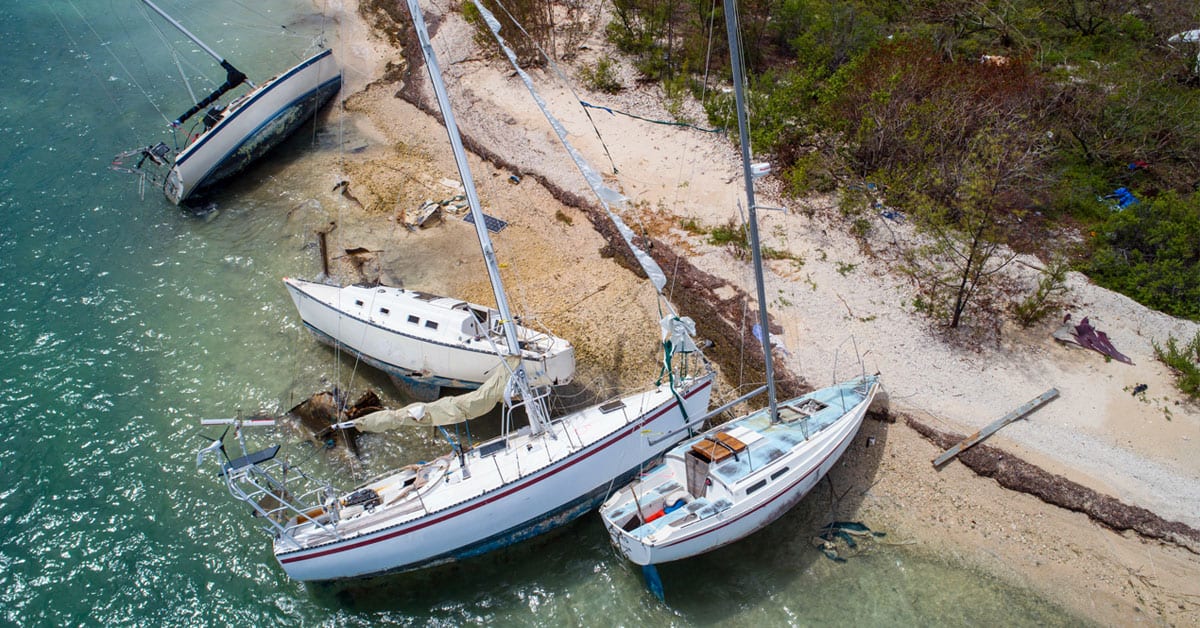
Sailboats face many dangers during hurricanes. Strong winds and huge waves can cause serious damage. Understanding the risks helps sailors prepare better.
Storms bring forces that can break masts, hulls, and other parts. Knowing how these forces affect a sailboat is important to avoid accidents.
Storm Forces And Sailboat Vulnerability
Hurricanes create several forces that test a sailboat’s strength. High winds push hard against sails and rigging. Huge waves hit the hull and deck with great power.
- Wind pressure can snap masts or tear sails.
- Waves may flood the cockpit or damage the hull.
- Strong currents can drag the boat off anchors.
- Flying debris can break windows and fittings.
Sailboats with older or weaker materials are more at risk. Poorly secured gear or sails can cause more damage during storms.
Common Damage Scenarios
Many sailboats suffer similar damage in hurricanes. Knowing these scenarios can help sailors prepare and respond quickly.
| Damage Type | Cause | Effect |
| Broken Mast | Strong wind pressure | Loss of sail power |
| Flooded Cockpit | Large waves washing over deck | Water damage and sinking risk |
| Anchor Dragging | Strong currents and waves | Boat drifting into hazards |
| Broken Rigging | Wind and debris impact | Loss of control and stability |
Preparing Your Sailboat
Hurricanes bring strong winds and heavy rain. Preparing your sailboat can help it survive the storm. Taking the right steps protects your boat from damage.
Start early and check every part of your sailboat. Secure it well and remove anything that can break or fly away. Preparation is key for safety.
Securing The Vessel
First, find a safe place to moor your sailboat. A strong dock or hurricane hole works best. Use heavy-duty lines to tie your boat tightly.
Use extra fenders to protect the hull from bumps. Double or triple your mooring lines to add strength. Check that all knots are tight and secure.
- Choose a sheltered marina or hurricane hole
- Use thick, weather-resistant mooring lines
- Double or triple lines for extra security
- Add extra fenders to protect the hull
- Check and tighten all knots and lines
Removing Or Reinforcing Sails
Remove all sails before the storm arrives. Wet sails can tear easily in strong winds. Store them in a dry, safe place.
If you cannot remove sails, reinforce them well. Use heavy-duty sail ties to secure the sails tightly to the boom and mast. This helps prevent damage.
- Take down all sails if possible
- Store sails in a dry, protected area
- Use strong sail ties for reinforcement
- Secure sails tightly to boom and mast
Protecting The Rigging And Deck
Check all rigging for wear or damage before the storm. Replace or tighten any loose parts. Strong rigging helps your boat stay intact.
Clear the deck of loose items like ropes and gear. Store everything below deck or in secure containers. Cover vulnerable areas with tarps to keep water out.
- Inspect rigging and replace worn parts
- Tighten all loose fittings and cables
- Remove or stow loose deck gear
- Cover deck areas with waterproof tarps
Safe Harbor Choices
Sailboats face serious danger during hurricanes. Choosing the right safe harbor is vital to protect the boat. This helps reduce damage and keeps the crew safe.
Knowing the best places to shelter a sailboat can make a big difference. Let’s explore safe harbor options and how to pick the right spot.
Marinas Vs. Open Water
Marinas offer docks and moorings with some protection from waves. They have strong pilings and cleats to tie the boat securely. Many marinas also have breakwaters to block strong winds and waves.
Open water is risky during a hurricane. Without shelter, waves and wind can toss the boat. Some sailors choose deep water to avoid crashing into shore or docks. But this needs strong anchors and skill.
- Marinas protect from waves but can get crowded and damaged.
- Open water avoids collisions but needs good anchoring and space.
- Marinas may have power and supplies for emergency needs.
- Open water shelters reduce risk of hitting structures or other boats.
Selecting Shelter Locations
Pick a shelter that blocks the strongest winds. Look for places behind land or natural barriers. Bays and coves often provide good protection.
Check water depth to avoid running aground. Make sure the spot has firm seabed for anchors. Avoid areas with heavy boat traffic or underwater hazards.
- Choose sheltered bays, coves, or harbors for wind protection.
- Ensure water is deep enough for your boat’s draft.
- Look for firm seabed like sand or mud for anchor holding.
- Avoid places with many boats or strong currents.

Credit: www.isabellayachtsphuket.com
Anchoring Strategies
Anchoring a sailboat during a hurricane is critical for safety. Good anchoring keeps the boat stable and reduces damage risk.
Choosing the right anchors and using strong techniques help the boat hold firm in strong winds and waves.
Types Of Anchors For Storms
Storm anchors must dig deep and hold tight to the sea floor. Different anchors work better on different bottoms like sand or mud.
Common storm anchors include the following types:
- Danforth Anchor: Lightweight but holds well in sand and mud.
- Plow Anchor: Good for mixed bottoms and strong holding power.
- Claw Anchor: Sets quickly and works well in various conditions.
- Bruce Anchor: Known for strong grip on rocky or hard bottoms.
Multiple Anchor Techniques
Using more than one anchor can improve stability in storms. It lowers the chance of dragging or swinging too much.
Common multiple anchor setups include the following:
- Bahama or V-Style: Two anchors set in a V shape to hold the bow steady.
- Bow and Stern: Anchors at both ends to limit boat movement.
- Tripping or Tandem: Two anchors in line to increase holding power.
During The Hurricane
A hurricane is a dangerous storm with strong winds and heavy rain. A sailboat caught in a hurricane faces many risks.
It is important to stay calm and follow clear steps to keep the boat and crew safe during the storm.
Monitoring Weather Updates
Keep checking the latest weather reports to know the storm’s path and strength. Use radios or satellite devices if possible.
Knowing the storm’s changes helps the crew prepare and react quickly to new dangers.
- Listen to NOAA weather radio or marine broadcasts
- Use GPS and weather apps for real-time updates
- Watch for changes in wind speed and sky conditions
Emergency Procedures
Have a clear plan for emergencies like flooding or damage to the boat. Everyone should know their role.
Keep safety gear ready, such as life jackets, flares, and emergency radios, to use if needed.
- Secure all loose items on deck and below
- Use bilge pumps to remove water from the boat
- Prepare to abandon ship only if absolutely necessary
- Keep emergency signals ready to call for help
Crew Safety Measures
Make sure all crew members wear life jackets at all times. Stay inside the cabin if possible for protection.
Communicate clearly with the crew and check on each other often. Avoid risky moves on deck during strong winds.
- Wear non-slip shoes to prevent falls
- Use safety harnesses when moving outside
- Stay hydrated and rest when possible
- Keep calm and support each other throughout the storm
Post-hurricane Actions
After a hurricane, checking your sailboat is very important. Damage can hide in places you don’t see at first. Taking quick action helps keep your boat safe and ready to use again.
This guide covers what to do after the storm. It explains how to inspect your boat, what repairs to do first, and how to handle insurance claims.
Inspecting For Damage
Start by looking for visible damage on the hull and sails. Check the mast and rigging for any bends or breaks. Inside the boat, watch for water leaks or electrical problems.
- Look for cracks, dents, or holes on the hull.
- Examine the sails for tears or wear.
- Check the mast and all rigging lines.
- Inspect the engine and batteries.
- Look inside for water damage or mold.
Repair Priorities
Fixing your sailboat means starting with what is most important. Safety and preventing more damage come first. Then, focus on repairs that help you use the boat again quickly.
| Repair Priority | Description |
| Hull Repairs | Seal cracks and holes to stop leaks. |
| Rigging Fixes | Replace broken lines and check mast stability. |
| Electrical Systems | Test and repair battery and wiring issues. |
| Sails | Patch tears to keep sails functional. |
| Engine Maintenance | Check fuel and engine parts for damage. |
Insurance And Claims
Document all the damage before starting repairs. Take photos and notes. Contact your insurance company quickly to report the damage and start your claim.
- Take clear photos of all damaged areas.
- Write down the details of the damage.
- Keep all receipts for repair costs.
- Call your insurance agent to file a claim.
- Follow up regularly to check claim status.
Expert Insights And Real-life Stories
Sailboats face serious risks during hurricanes. Strong winds and huge waves test the limits of any vessel.
Experts and sailors who survived these storms share valuable lessons. Their stories help others prepare and stay safe.
Lessons From Experienced Sailors
Experienced sailors know that preparation is key. They secure everything on deck and use strong anchor systems.
Many recommend heading to safe harbors well before the storm arrives. Staying out in open water is very risky.
- Check weather forecasts regularly and early
- Use heavy-duty anchors and multiple lines
- Remove sails and secure loose gear
- Ensure all hatches and ports are tightly closed
- Have an emergency plan with the crew
Case Studies Of Survival
Some sailboats have survived hurricanes by proper planning and skill. One story tells of a boat that rode out a Category 3 storm at anchor.
Another sailor faced a hurricane at sea. By adjusting sails and steering carefully, the boat avoided capsizing.
| Sailor | Storm | Strategy | Outcome |
|---|---|---|---|
| John D. | Hurricane Florence | Heavy anchors, storm shelter | Boat stayed secure, minor damage |
| Maria S. | Hurricane Irma | At sea, careful sail handling | Survived without capsizing |
| Tom B. | Hurricane Harvey | Early evacuation to marina | No damage, safe harbor |

Credit: www.youtube.com
Frequently Asked Questions
Can A Sailboat Withstand Hurricane-force Winds?
Sailboats are not designed to withstand hurricane-force winds. Extreme winds can cause severe damage or capsize. Proper preparation and seeking safe harbor are essential for survival during hurricanes.
What Safety Measures Protect Sailboats In Hurricanes?
Securing the boat with strong moorings and removing sails are key. Using storm anchors and finding sheltered harbors also improve safety. Always follow weather updates and evacuation orders.
Should You Sail A Boat During A Hurricane?
No, sailing during a hurricane is extremely dangerous. The unpredictable weather and high waves pose life-threatening risks. It’s best to avoid sailing and secure the boat well before the storm.
How Do Hurricanes Affect Sailboat Stability?
Hurricanes create powerful waves and strong winds that destabilize sailboats. These forces can cause capsizing, hull damage, or loss of control. Stability depends on boat design and how well it’s secured.
Conclusion
Sailboats face great danger in hurricanes. Strong winds and huge waves make survival very hard. Sailors must prepare well and understand risks. No boat is completely safe in such storms. Staying informed and choosing safe shelter helps a lot. Always respect the power of nature at sea.
Survival depends on skill, luck, and good decisions. Remember, safety should be the top priority for every sailor.