How Do Sharks Survive Hurricanes: Unveiling Nature’s Secrets
Imagine being in the eye of a hurricane, with winds howling and waves crashing all around. Now, picture a creature navigating through this chaos with grace and power.
That creature is the shark. Have you ever wondered how sharks, these majestic and often misunderstood sea dwellers, manage to survive such fierce storms? What secrets do they hold that allow them to withstand nature’s fury while other marine life struggles?
By understanding their incredible survival tactics, you can uncover the mysteries of the ocean’s most resilient predators. Keep reading to discover how sharks outsmart hurricanes and what their survival strategies can teach you about resilience and adaptability.
Sharks’ Hurricane Habitats
Sharks live in many ocean zones that help them survive storms. They use these areas to avoid strong waves and currents. Understanding where sharks stay during hurricanes helps us learn about their behavior.
These powerful animals find safe spots in the ocean that protect them from harm. Their habitats give them shelter and food even in bad weather.
Preferred Ocean Zones
Sharks choose ocean zones with calm waters during hurricanes. They often swim to deeper waters where waves are less strong. Some sharks stay near coral reefs and underwater caves for protection.
- Deep ocean areas with low wave activity
- Coral reefs that provide natural shelter
- Underwater caves and rock formations
- Estuaries where fresh and saltwater mix
- Continental shelf zones with stable conditions
Shelter Spots During Storms
| Shelter Spot | Protection Type | Shark Species Found |
| Deep Ocean Trenches | Low wave energy, stable pressure | Great White, Tiger Shark |
| Coral Reefs | Physical barriers against currents | Reef Shark, Blacktip Shark |
| Underwater Caves | Enclosed space, calm water | Hammerhead, Bull Shark |
| Estuaries | Mix of fresh and saltwater, less storm surge | Bull Shark, Lemon Shark |
| Seagrass Beds | Dense vegetation slows water flow | Spinner Shark, Blacktip Shark |
Physical Adaptations
Sharks have special body features that help them survive strong storms. Their physical traits protect them during hurricanes.
These adaptations help sharks swim well and sense changes in the water. They stay safe even in rough seas.
Streamlined Bodies
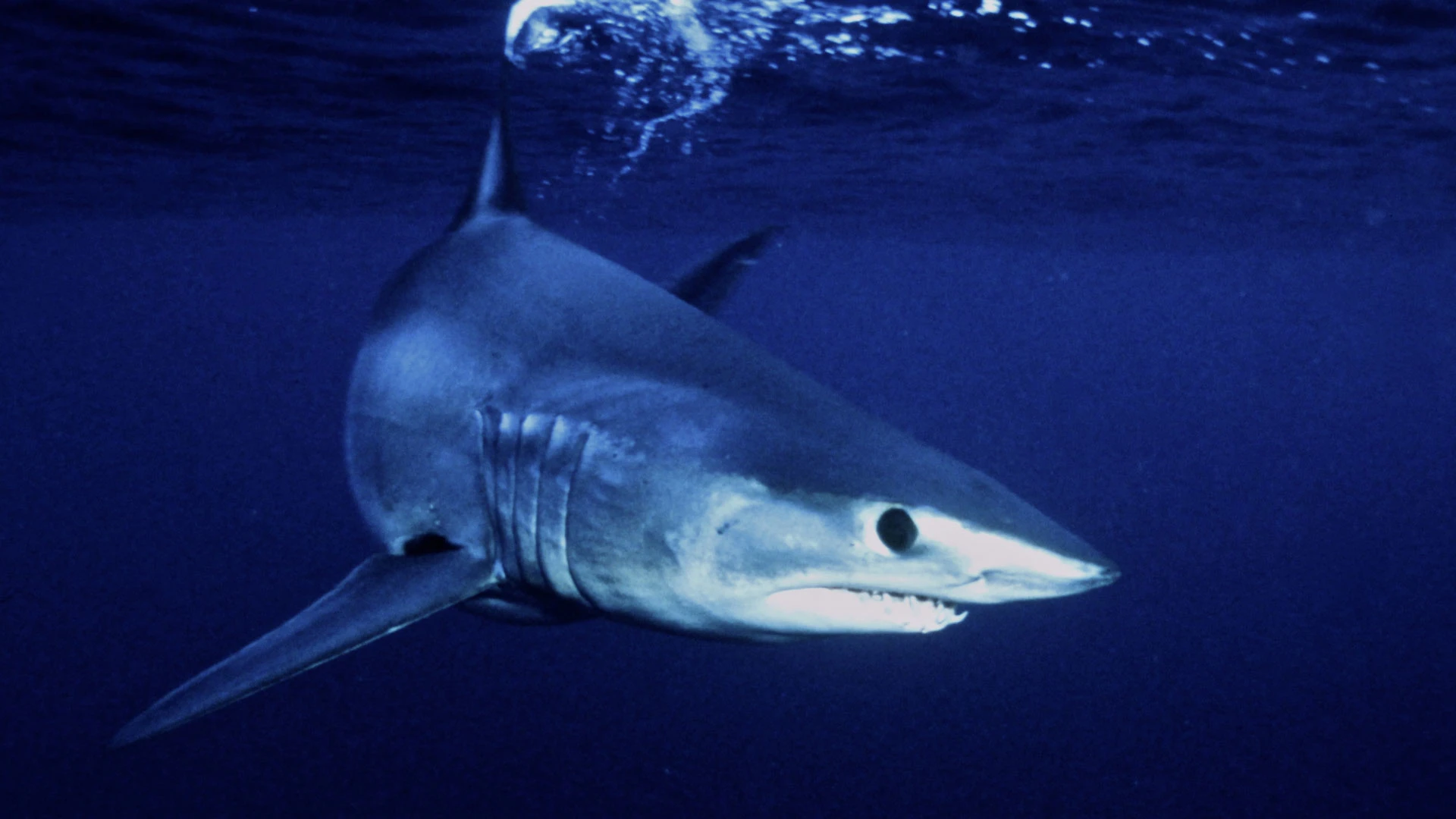
Sharks have sleek, smooth bodies that cut through water easily. This shape lowers resistance and saves energy.
Their strong tails push them forward fast. This helps sharks swim through strong waves and currents during hurricanes.
- Smooth skin reduces drag
- Pointed snouts help cut water
- Powerful tails give strong thrust
- Flexible bodies help control movement
Sensory Systems In Turbulence
Sharks use special senses to detect movement and vibrations in water. These senses work well even in stormy seas.
Their ampullae of Lorenzini sense electrical signals. This helps sharks find shelter and avoid danger during rough weather.
- Lateral line detects water movement
- Ampullae sense electrical fields
- Good vision helps see in cloudy water
- Strong sense of smell detects changes
Behavioral Strategies
Sharks use special behaviors to survive hurricanes. These behaviors help them avoid danger during storms.
Scientists study these behaviors to understand how sharks stay safe when hurricanes hit the ocean.
Migration Patterns
Many sharks move to safer areas before a hurricane arrives. They sense changes in water pressure and temperature.
- Sharks swim away from storm paths
- They head to deeper or calmer waters
- Some sharks travel long distances to avoid rough seas
- Migration helps reduce injury and stress
Depth Changes During Hurricanes
Sharks often change their swimming depth during hurricanes. They go deeper to avoid strong waves and turbulence.
| Shark Behavior | Depth Level | Reason |
| Before hurricane | Surface to mid-level | Normal feeding and movement |
| During hurricane | Deep water | Less wave action and safer environment |
| After hurricane | Return to usual depth | Resume normal activities |

Credit: www.nzherald.co.nz
Impact Of Hurricanes On Sharks
Hurricanes bring strong winds and heavy rains to the ocean. These storms affect marine life, including sharks. The changes in the environment can change how sharks find food and survive.
Understanding how hurricanes impact sharks helps us learn how these animals adapt to big changes. It also shows how sharks survive in harsh weather conditions.
Changes In Prey Availability
Hurricanes can move fish and other sea creatures that sharks eat. This movement can make it hard for sharks to find food. Some prey moves to deeper waters or different areas after a storm.
- Heavy rains lower water salt levels, affecting small fish.
- Strong waves push prey away from usual areas.
- Some prey hide in shelters to avoid rough water.
- Sharks may need to swim longer to find food.
Effects On Shark Populations
Shark numbers can change after hurricanes. Some sharks move to safer places. Others may face risks from changing water conditions. Young sharks are more at risk because they need safe habitats.
| Effect | Description |
| Displacement | Sharks move to new areas to avoid storms |
| Reduced Food | Less prey means sharks may eat less |
| Increased Stress | Storms cause physical and environmental stress |
| Habitat Loss | Coastal damage affects breeding and nursery areas |
Research Methods
Scientists use different ways to study how sharks survive hurricanes. These methods help track shark movement and behavior. Researchers learn how sharks react to strong storms in the ocean.
By studying sharks during hurricanes, experts find out where sharks go and how they stay safe. They use tools that give clear data about sharks’ locations and actions.
Tagging And Tracking
Tagging sharks means attaching small devices to them. These tags send signals to researchers. Scientists can follow sharks’ movements before, during, and after hurricanes.
Tracking helps show if sharks move deeper or find shelter in safe areas. It also shows how long sharks stay in one place during storms.
- Tags record depth and temperature
- Tracks provide real-time location updates
- Helps study shark behavior during storms
- Shows migration patterns related to hurricanes
Data From Satellite Monitoring
Satellites collect data about sharks over large ocean areas. They receive signals from tagged sharks to track their paths. This data helps understand shark movements during hurricanes.
Satellite monitoring shows how hurricanes change the ocean environment. This helps explain why sharks move to certain places to survive.
- Tracks long-distance shark travel
- Records ocean temperature and currents
- Helps predict shark locations during storms
- Supports conservation efforts during hurricanes

Credit: www.yahoo.com
Lessons From Nature
Sharks have lived in oceans for millions of years. They face many dangers, including hurricanes. These strong storms change the ocean quickly and fiercely.
Understanding how sharks survive hurricanes helps us learn about nature’s power and balance. Sharks show us ways to stay safe in tough situations.
Resilience In Extreme Conditions
Sharks swim to deep waters when hurricanes come. Deep water is calmer and safer during storms. This movement helps sharks avoid strong waves and winds.
They also use their strong bodies to move through rough water. Sharks can sense changes in pressure and water currents. This helps them react and stay safe.
- Move to deep, calm waters
- Use strong bodies to swim through rough seas
- Sense pressure and water changes
- Avoid dangerous surface waves
Inspiration For Human Technology
Scientists study sharks to build better machines and tools. Shark skin helps design fast boats and swimwear that reduce drag. This idea comes from how sharks move easily in water.
Sharks’ ability to sense changes in water inspires sensors used in ships and weather tools. These sensors help humans predict storms and stay safe at sea.
- Design boats that move faster and use less energy
- Create swimwear that reduces water resistance
- Develop sensors to detect water changes
- Improve weather tools for better storm warnings
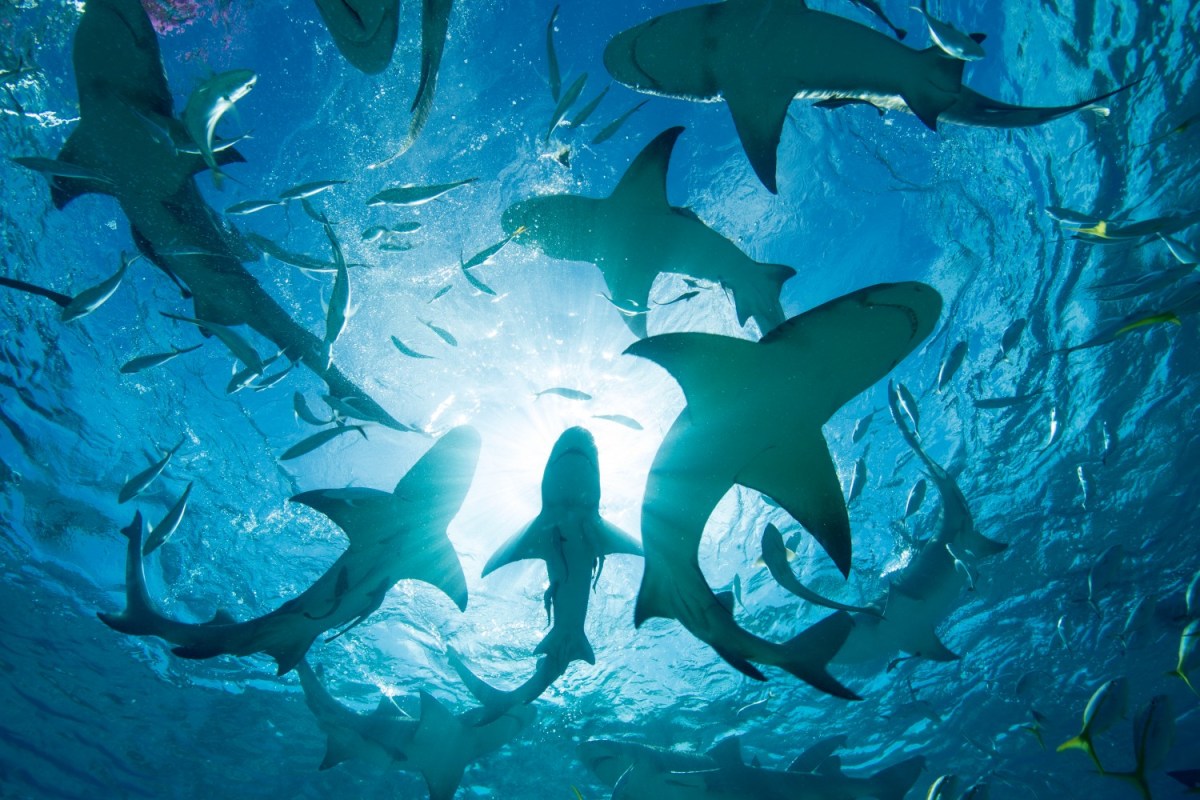
Credit: www.insidehook.com
Frequently Asked Questions
How Do Sharks Detect Approaching Hurricanes?
Sharks sense changes in water pressure and temperature. They use their lateral line system to detect vibrations. This helps them identify storms early and move to safer areas.
Where Do Sharks Go During Hurricanes?
Sharks migrate to deeper, calmer waters during hurricanes. They avoid turbulent surface waters to conserve energy. This behavior helps them survive the intense storm conditions.
How Do Sharks Survive Strong Hurricane Currents?
Sharks use their strong swimming skills to navigate currents. Their streamlined bodies allow efficient movement through rough waters. They often rest in deep waters where currents are weaker.
Do Hurricanes Affect Shark Behavior Long-term?
Hurricanes can temporarily disrupt shark feeding and breeding patterns. However, sharks usually return to normal behavior after the storm passes. Their adaptability helps them recover quickly.
Conclusion
Sharks survive hurricanes by using strong instincts and natural skills. They sense changes in water and move to safe areas. Their powerful bodies help them swim through rough seas. These creatures adapt quickly to stay alive during storms. Understanding shark behavior shows how nature works to protect them.
This knowledge helps us respect sharks and the ocean better. Nature’s design keeps sharks safe, even in wild weather. They remind us how life finds ways to endure challenges. Sharks are true survivors of the ocean’s toughest tests.