What Plants Survive Cold Weather: Top Hardy Picks for Winter
Are you dreaming of a garden that thrives even when the temperature drops? Imagine stepping outside on a crisp winter morning to find your garden still vibrant and full of life.
Understanding which plants can withstand the cold can transform your outdoor space into a year-round haven. Whether you’re a seasoned gardener or just starting out, choosing the right cold-hardy plants is essential. You’ll discover which plants can brave the chill and how they can add color and texture to your landscape all winter long.
Get ready to explore a selection of resilient plants that will keep your garden flourishing, no matter how frosty it gets. Keep reading, and unlock the secrets to a thriving winter garden that will leave your neighbors in awe.
Traits Of Cold-hardy Plants
Cold-hardy plants can live through low temperatures. They have special traits that help them survive winter.
These traits allow plants to resist frost, slow their growth, and protect their cells from damage.
Frost Tolerance
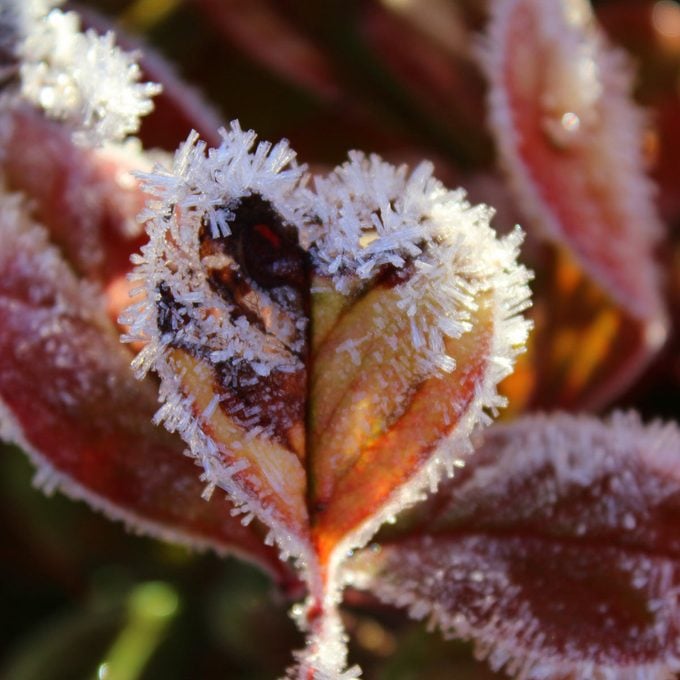
Frost tolerance means plants can survive ice forming on or inside their tissues. It helps them avoid damage from freezing.
Cold-hardy plants have cell structures that stop ice crystals from growing too large. This prevents cells from bursting.
- Cells produce antifreeze-like chemicals
- Cell walls stay flexible at low temperatures
- Ice forms outside cells, not inside
Dormancy And Growth Cycles
Dormancy is when plants pause their growth during cold months. This saves energy and protects them from frost.
Cold-hardy plants enter dormancy in fall and start growing again in spring. This cycle matches the seasons.
- Leaves fall or die back in winter
- Growth slows to a minimum during cold
- Plants store nutrients for spring growth
Protective Adaptations
These plants have physical features that protect them from cold and wind. These help reduce water loss and frost damage.
Some have thick bark, waxy leaves, or dense hairs to keep cold out and moisture in.
- Thick bark insulates stems and trunks
- Waxy coatings prevent water loss
- Leaf hairs trap warm air around leaves
- Small or needle-like leaves reduce frost damage

Credit: www.hgtv.com
Top Perennials For Winter
Cold weather does not mean your garden must look bare. Many perennials can survive frost and snow. These plants add life and color during winter months.
Choosing the right plants helps keep your garden green and vibrant. Let’s explore some perennials that thrive in cold weather.
Evergreen Varieties
Evergreens keep their leaves all year. They provide color and structure when other plants go dormant. These perennials are strong and low maintenance.
- Boxwood (Buxus sempervirens)
- Holly (Ilex spp.)
- Heuchera (Coral Bells)
- Wintergreen (Gaultheria procumbens)
- Mahonia
Flowering Options
Some perennials bloom even in cold temperatures. These plants bring color and cheer to gray winter days. They bloom late fall or early spring.
| Plant | Flower Color | Bloom Time |
| Hellebore | White, Pink, Purple | Late Winter to Early Spring |
| Snowdrop | White | Late Winter |
| Witch Hazel | Yellow, Orange | Late Fall |
| Camellia | Pink, Red, White | Winter to Early Spring |
| Siberian Iris | Blue, Purple | Early Spring |
Ground Covers
Ground covers spread low to the ground. They protect soil and reduce weeds. Many types survive cold weather well.
- Pachysandra
- Vinca Minor (Periwinkle)
- Ajuga (Bugleweed)
- Creeping Thyme
- Lamium
Hardy Shrubs To Consider
Choosing plants that survive cold weather helps your garden stay green all year. Hardy shrubs are strong and can handle frost and snow.
These shrubs add color and structure to your yard even in winter. They need little care and keep your garden looking good.
Deciduous Shrubs
Deciduous shrubs lose their leaves in winter but grow back in spring. They survive cold by resting until warm weather returns.
These plants offer bright flowers or colorful leaves in warm months. They add beauty and variety to cold climates.
- Forsythia: Shows bright yellow flowers early spring.
- Red Twig Dogwood: Has striking red branches in winter.
- Witch Hazel: Blooms with yellow flowers in late fall.
- Spirea: Produces clusters of small flowers in summer.
Evergreen Shrubs
Evergreen shrubs keep their leaves all year long. They provide color and privacy even in the coldest months.
These plants are great for windbreaks and garden borders. Their green leaves help brighten snowy landscapes.
- Boxwood: Dense leaves good for hedges and shapes.
- Holly: Glossy leaves and red berries in winter.
- Juniper: Tough, with needle-like leaves and blue berries.
- Rhododendron: Large green leaves with spring flowers.
Berry-producing Shrubs
Berry-producing shrubs add color and food for birds in winter. Their fruits often last through cold months.
These shrubs brighten gardens with red, blue, or black berries. They also attract wildlife and add natural beauty.
- Winterberry: Bright red berries that stand out in snow.
- Blueberry: Edible berries and pretty fall colors.
- Serviceberry: White flowers and edible berries in summer.
- Chokeberry: Dark berries that birds love in winter.
Cold-resistant Trees
Cold weather can be tough on many plants. Some trees survive and even thrive in freezing temperatures. Choosing the right cold-resistant trees helps your garden stay green in winter.
This guide covers three types of trees that handle cold well. Learn about conifers, deciduous trees, and ornamental choices that resist frost and snow.
Conifers
Conifers are evergreen trees that keep their needles all year. They handle cold weather very well. Their waxy needles reduce water loss in winter.
- Pine trees are strong and grow in many cold areas.
- Spruce trees have sharp needles and tolerate frost.
- Fir trees have soft needles and stand cold winds.
- Hemlock trees are shade tolerant and frost hardy.
Deciduous Trees
Deciduous trees lose their leaves in winter. This helps them survive freezing weather. They rest and save energy until spring.
| Tree | Cold Hardiness | Notes |
|---|---|---|
| Maple | Very Cold | Bright fall colors, strong in winter |
| Birch | Cold | White bark and delicate leaves |
| Oak | Moderate to Cold | Sturdy wood, deep roots |
| Aspen | Cold | Fast growing, shakes leaves in wind |
Ornamental Choices
Ornamental trees add beauty and texture to winter gardens. Many types survive cold climates and offer visual interest.
- Redbud trees have lovely pink flowers early in spring.
- Crabapple trees bear bright fruits that birds enjoy.
- Hawthorn trees show white blooms and red berries.
- Dogwood trees display striking branches and flowers.
Winter Vegetables And Herbs
Growing plants in cold weather can be a challenge. Some vegetables and herbs handle the cold well. They keep your garden green and fresh through winter.
Winter vegetables and herbs often taste sweeter after frost. They also add nutrition to your meals during cold months.
Leafy Greens
Leafy greens are among the best plants for cold weather. They grow quickly and survive frost. These plants are rich in vitamins and easy to cook.
- Kale
- Spinach
- Swiss Chard
- Collard Greens
- Arugula
Root Vegetables
Root vegetables grow underground and stay protected from frost. They store well and add heartiness to winter meals. Many root vegetables improve in flavor after cold weather.
| Root Vegetable | Cold Hardiness | Notes |
| Carrots | High | Sweeten after frost |
| Beets | High | Good for soups and salads |
| Turnips | Medium | Can be eaten raw or cooked |
| Parsnips | High | Taste sweeter after frost |
Herbs That Thrive
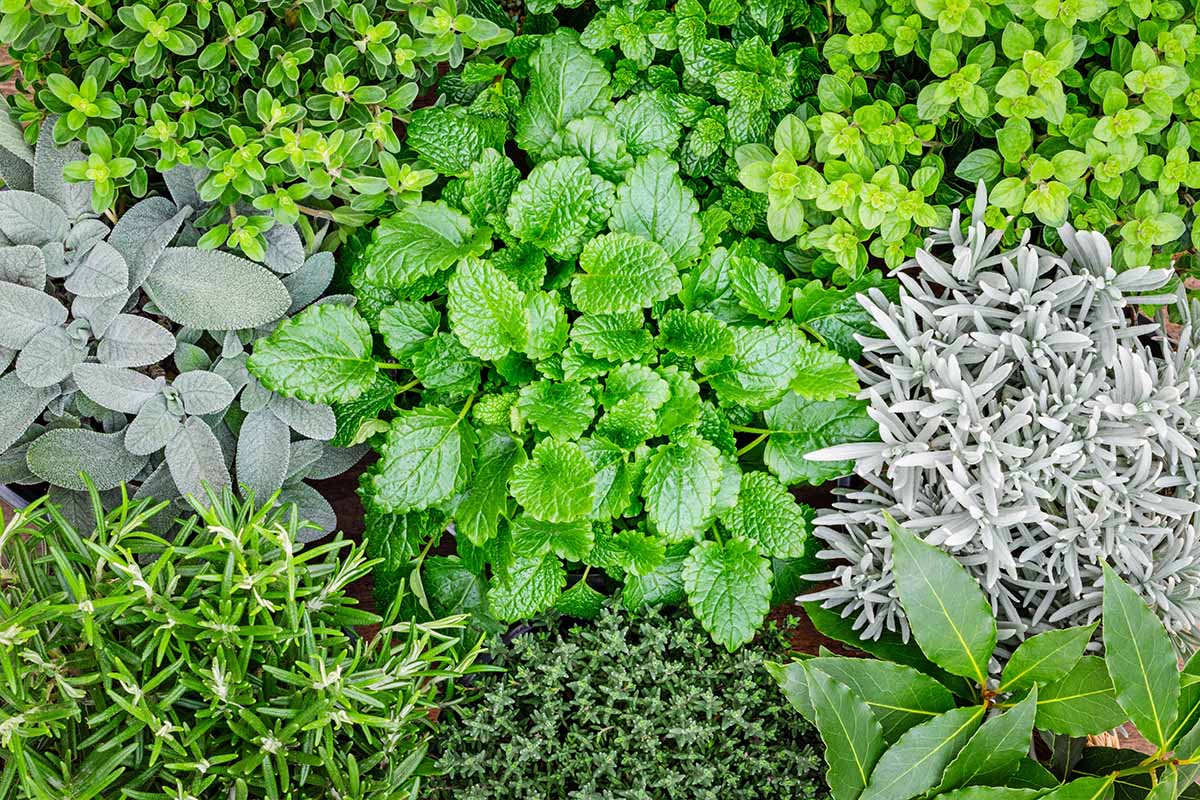
Some herbs grow well even in cold weather. They add fresh flavor to winter dishes. These herbs are hardy and easy to grow indoors or outdoors.
- Thyme
- Rosemary
- Parsley
- Sage
- Chives
Credit: www.hgtv.com
Tips For Protecting Plants In Winter
Cold weather can harm many plants. Some plants survive better if you protect them.
Using simple techniques helps keep plants healthy during winter months.
Mulching Techniques
Mulch keeps soil warm and moist. It stops roots from freezing.
Use straw, leaves, or wood chips around your plants. Keep mulch a few inches thick.
- Apply mulch after the first frost
- Keep mulch away from plant stems
- Replace mulch if it gets wet and moldy
Wind Barriers
Cold wind dries plants and makes them weak. Wind barriers block harsh winds.
Use fences, burlap, or garden fabric near plants. Place barriers on the side with the strongest wind.
- Build barriers before winter starts
- Make sure barriers allow some airflow
- Remove barriers in spring to avoid mold
Proper Watering
Plants still need water in winter. Dry soil harms roots during cold weather.
Water plants before a freeze, but avoid overwatering. Water in the morning to let soil dry.
- Check soil moisture regularly
- Water deeply but less often
- Do not water if the ground is frozen
Credit: www.familyhandyman.com
Frequently Asked Questions
What Plants Grow Best In Cold Weather?
Cold-hardy plants like evergreens, hellebores, and pansies thrive in cold weather. They tolerate frost and survive freezing temperatures well.
How Do Cold Weather Plants Survive Freezing Temperatures?
These plants have antifreeze-like compounds in their cells. They also reduce water content to avoid ice formation inside tissues.
Can Vegetables Grow In Cold Climates?
Yes, vegetables like kale, spinach, and Brussels sprouts grow well in cold climates. They withstand frost and mature quickly.
Which Flowers Bloom In Winter?
Winter-blooming flowers include snowdrops, witch hazel, and camellias. They add color and beauty during cold months.
Conclusion
Plants that survive cold weather bring life to winter gardens. Choosing hardy species helps your garden stay green and healthy. These plants need less care and resist frost damage well. Growing cold-tolerant plants also saves time and water. You can enjoy color and beauty even in cold months.
Try different varieties to find what suits your garden best. Cold weather does not mean the end of gardening. With the right plants, your garden can thrive year-round. Gardening in cold weather becomes easier with smart choices. Keep experimenting and enjoy nature’s resilience.