Can Orange Trees Survive Cold Weather? Essential Survival Tips
Are you worried about your beloved orange trees facing the chill of winter? As a gardener or a citrus enthusiast, you might find yourself asking, “Can orange trees survive cold weather?”
This question is more than just about preserving your plants; it’s about safeguarding the fruits of your labor and ensuring your garden thrives. Understanding how cold affects these vibrant trees can be the difference between a bountiful harvest and a season of disappointment.
We’ll unravel the secrets of orange tree resilience in cold climates and share practical tips to help you protect your investment. Keep reading to discover how to keep your orange trees healthy and flourishing, even when temperatures drop.
Cold Tolerance Of Orange Trees
Orange trees are popular for their sweet fruit and bright color. They grow best in warm climates. Cold weather can be a challenge for these trees.
This guide explains how cold affects orange trees. It also shows which types can handle lower temperatures better.
Temperature Limits For Growth
Orange trees need a certain temperature range to grow well. They start to slow down when temperatures drop below 50°F (10°C). Growth stops near 32°F (0°C).
Below freezing, the tree’s cells can be damaged. Warm days and cool nights help the tree store energy. Too much cold harms the leaves and fruit.
Impact Of Frost On Trees
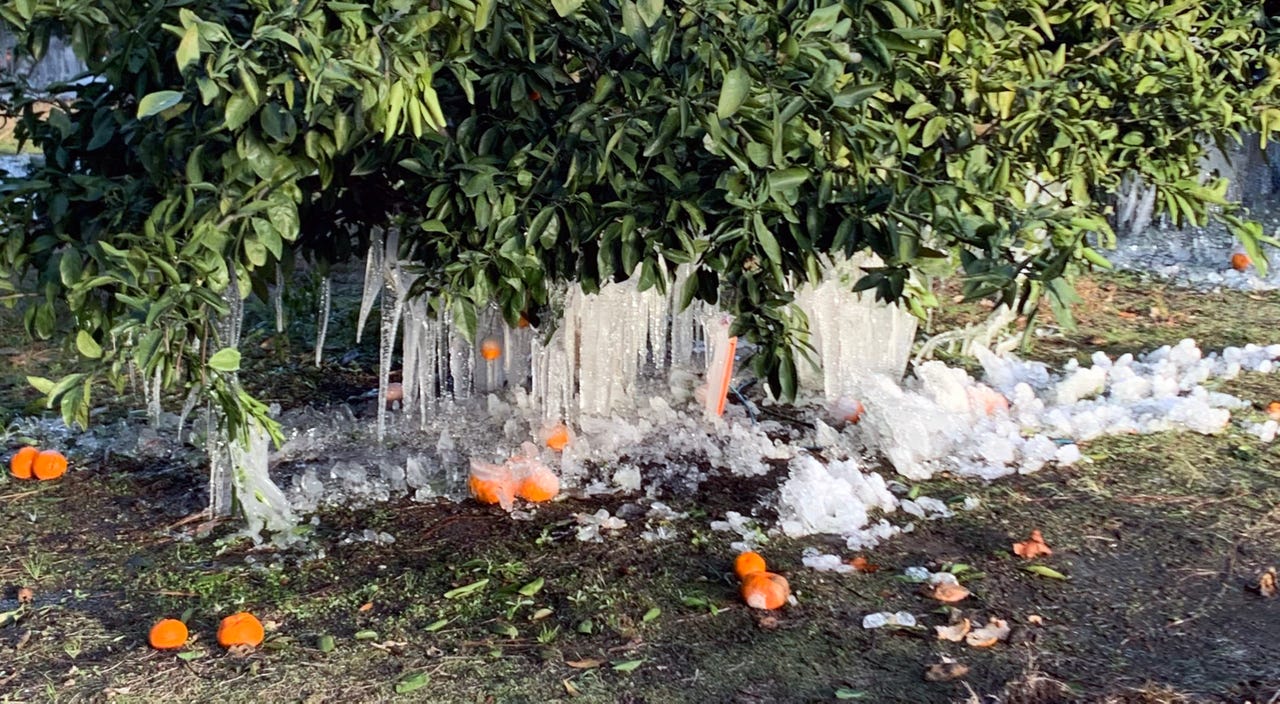
Frost can hurt orange trees by freezing water inside their tissues. This causes the cells to burst and die. Young trees are especially sensitive to frost damage.
- Leaves may turn brown and fall off.
- Fruit can become soft and unusable.
- Bark and branches may crack.
- Severe frost can kill the tree.
Varieties With Higher Cold Resistance
Some orange tree varieties handle cold better than others. Choosing these can improve survival in cooler areas.
| Variety | Minimum Temperature Tolerance | Notes |
| Washington Navel | 28°F (-2°C) | Good for mild frost areas |
| Valencia | 26°F (-3°C) | Frost-tolerant with proper care |
| Blood Orange | 30°F (-1°C) | Less tolerant to hard freezes |
| Owari Satsuma | 20°F (-7°C) | Very cold-hardy variety |

Credit: www.weekand.com
Signs Of Cold Stress
Orange trees can suffer from cold weather. Cold stress shows in many ways. Knowing the signs helps you protect your tree.
Look closely at leaves, fruit, flowers, and roots. These parts show early signs of damage from cold.
Leaf Damage Indicators
Leaves show cold stress first. They may turn dark or wilt. Brown or black spots often appear on leaf edges.
Leaves may curl or drop early. Frost can cause leaves to become brittle and dry.
- Darkened leaf edges or tips
- Brown or black spots
- Leaf curling or wilting
- Early leaf drop
- Brittle, dry texture
Fruit And Flower Effects
Cold weather harms flowers and fruit. Flowers may fall off before fruit forms. Fruit can freeze or develop soft spots.
Frozen fruit looks discolored and mushy. New fruit may not grow if flowers die.
- Flower drop before fruit sets
- Frost-damaged or mushy fruit
- Discolored or soft fruit spots
- Failure of new fruit growth
Root System Vulnerability
Roots also suffer in cold soil. Freezing can kill roots or reduce their function. Damaged roots cannot absorb water well.
Cold stress in roots causes the tree to wilt or grow slowly. Root damage takes longer to see but is serious.
- Freezing soil harms roots
- Reduced water absorption
- Slow or stunted growth
- Wilting despite watering
Preparing Trees For Winter
Orange trees can struggle in cold weather without proper care. Preparing your trees for winter helps them survive low temperatures. This guide covers key steps to protect your orange trees.
Taking action before the cold hits keeps your trees healthy. Watering, soil care, and pruning are important parts of winter preparation.
Proper Watering Techniques
Water your orange trees well before cold weather starts. Moist soil holds heat better than dry soil. It also helps roots stay strong.
Do not overwater during winter. Too much water can freeze and harm roots. Water deeply but less often in cold months.
- Water trees a few days before frost
- Check soil moisture regularly
- Reduce watering when temperatures drop below 40°F (4°C)
Soil And Mulch Management
Use mulch to protect roots from cold. Mulch keeps soil warm and reduces temperature swings. Spread 2 to 4 inches of mulch around the base.
Keep mulch a few inches away from the trunk. This prevents rot and pests. Check soil drainage to avoid soggy ground.
- Apply organic mulch like wood chips or straw
- Keep mulch 3-4 inches from tree trunk
- Ensure soil drains well to avoid water buildup
Pruning For Cold Protection
Prune orange trees before winter to remove weak branches. This reduces damage from ice and wind. Cut branches that cross or grow inward.
Do not prune too late in the season. Late pruning can cause new growth that is sensitive to cold. Prune in late fall or early winter.
- Remove dead or damaged branches
- Thin crowded areas for better air flow
- Trim branches that hang low or cross each other
Credit: www.gardenista.com
Cold Weather Protection Methods
Orange trees can struggle in cold weather. Protecting them helps keep the fruit and tree healthy. There are simple ways to shield them from frost and freezing temperatures.
Using the right protection methods can reduce damage. These include covering the tree, blocking cold winds, and using special sprays.
Using Frost Cloths And Covers
Frost cloths protect orange trees from frost damage. They keep heat close to the tree and block cold air. Use lightweight, breathable cloths to avoid moisture buildup.
Cover the tree fully from top to bottom before nightfall. Remove the cloth during the day to let sunlight in. Avoid plastic covers as they can trap moisture and harm the tree.
- Use frost cloths or garden fabric
- Cover tree before temperature drops
- Remove cover during the day
- Avoid plastic or non-breathable materials
Building Windbreaks
Windbreaks reduce cold wind impact on orange trees. They keep the air near the tree warmer. Use fences, walls, or dense shrubs as windbreaks.
Place windbreaks on the side where cold winds usually blow. This helps protect the tree and soil from drying out. Windbreaks also stop frost from settling on leaves.
- Use fences, walls, or tall shrubs
- Place windbreak on cold wind side
- Keep windbreak dense and sturdy
- Protect tree and soil from cold drying winds
Applying Anti-desiccants
Anti-desiccants are sprays that reduce water loss from leaves. Cold, dry winds can dry out orange tree leaves and branches. These sprays help the tree stay hydrated during cold weather.
Apply anti-desiccants before cold weather arrives. Follow instructions on the product label. Use them in calm weather to get even coverage on leaves.
- Spray anti-desiccants before cold spells
- Apply on leaves and branches evenly
- Use in calm, dry weather
- Helps reduce water loss from the tree
Indoor And Container Growing Tips
Orange trees can survive cold weather if grown indoors or in containers. Growing them inside protects them from frost and freezing temperatures. Proper care helps the trees stay healthy and produce fruit.
Here are some tips for moving your orange tree indoors, choosing the right container, and controlling lighting and temperature.
Moving Trees Indoors
Bring your orange tree inside before the first frost hits. Handle the roots carefully during the move. Place the tree in a spot with good air circulation. Avoid sudden temperature changes to reduce stress.
Choosing Suitable Containers
Pick containers that allow roots to grow well and drain water properly. Containers made of terracotta or plastic work well. The size should be big enough for the tree’s roots but easy to move indoors.
- Use pots with drainage holes to prevent water buildup
- Choose a container at least 12 inches deep and wide
- Consider using a saucer to catch excess water
- Repot the tree every 2-3 years to refresh soil
Lighting And Temperature Control
Orange trees need plenty of light to grow indoors. Place them near south-facing windows if possible. Keep the temperature steady between 55°F and 75°F to avoid stress.
| Condition | Ideal Range |
| Light | 8-12 hours daily |
| Day Temperature | 65-75°F (18-24°C) |
| Night Temperature | 55-65°F (13-18°C) |
| Humidity | 40-60% |
Long-term Strategies For Cold Areas
Growing orange trees in cold areas is possible with the right strategies. Protecting trees from freezing temperatures helps them live and produce fruit for many years.
Choosing the right rootstocks, planting in good locations, and using protective structures are key to success in cold climates.
Selecting Hardy Rootstocks
Hardy rootstocks give orange trees better cold tolerance. They help trees survive frost and low temperatures by supporting strong growth.
- Citrus trifoliata is known for its cold hardiness and disease resistance.
- Swingle rootstock offers moderate cold tolerance and good yield.
- Flying Dragon rootstock is dwarfing and increases cold resistance.
- Choose rootstocks adapted to your local climate for best results.
Site Selection And Microclimates
Pick planting sites that reduce cold damage. Microclimates can protect trees from frost and wind.
| Factor | Effect on Orange Trees |
| South-facing slope | Warmer temperatures and more sunlight |
| Near buildings or walls | Blocks wind and holds heat |
| Elevated areas | Better air drainage, less frost |
| Open flat ground | More frost risk, cold air settles |
Using Greenhouses And Cold Frames
Greenhouses and cold frames keep orange trees warm during cold spells. They create a controlled environment with better heat and humidity.
- Greenhouses allow year-round growing in cold areas.
- Cold frames are simple, low-cost covers for young trees.
- Use heaters or heat mats inside for extra warmth.
- Ventilate structures on warm days to avoid overheating.

Credit: www.reddit.com
Frequently Asked Questions
Can Orange Trees Tolerate Freezing Temperatures?
Orange trees are sensitive to frost and can suffer damage below 28°F (-2°C). Protecting them during cold snaps is essential for survival.
How To Protect Orange Trees From Cold Weather?
Use frost cloths, mulch around roots, and water trees before frost. These methods help retain heat and prevent freeze damage.
What Is The Coldest Zone For Orange Trees?
Most orange trees thrive in USDA zones 9 to 11. Below zone 9, cold damage risk increases significantly.
Do Orange Trees Survive Winter Indoors?
Yes, orange trees can survive indoors if placed in bright, cool locations with adequate humidity and care.
Conclusion
Orange trees can survive cold weather with some care. Protect young trees from frost by covering them. Choose cold-hardy orange varieties for better chances. Plant trees in sunny, sheltered spots to reduce cold damage. Water trees well before cold spells to keep them strong.
Remember, very low temperatures may still harm or kill trees. With patience and proper care, orange trees can thrive in cooler climates. Growing oranges in cold areas is possible, but it needs effort and attention. Keep these tips in mind to help your orange trees stay healthy.