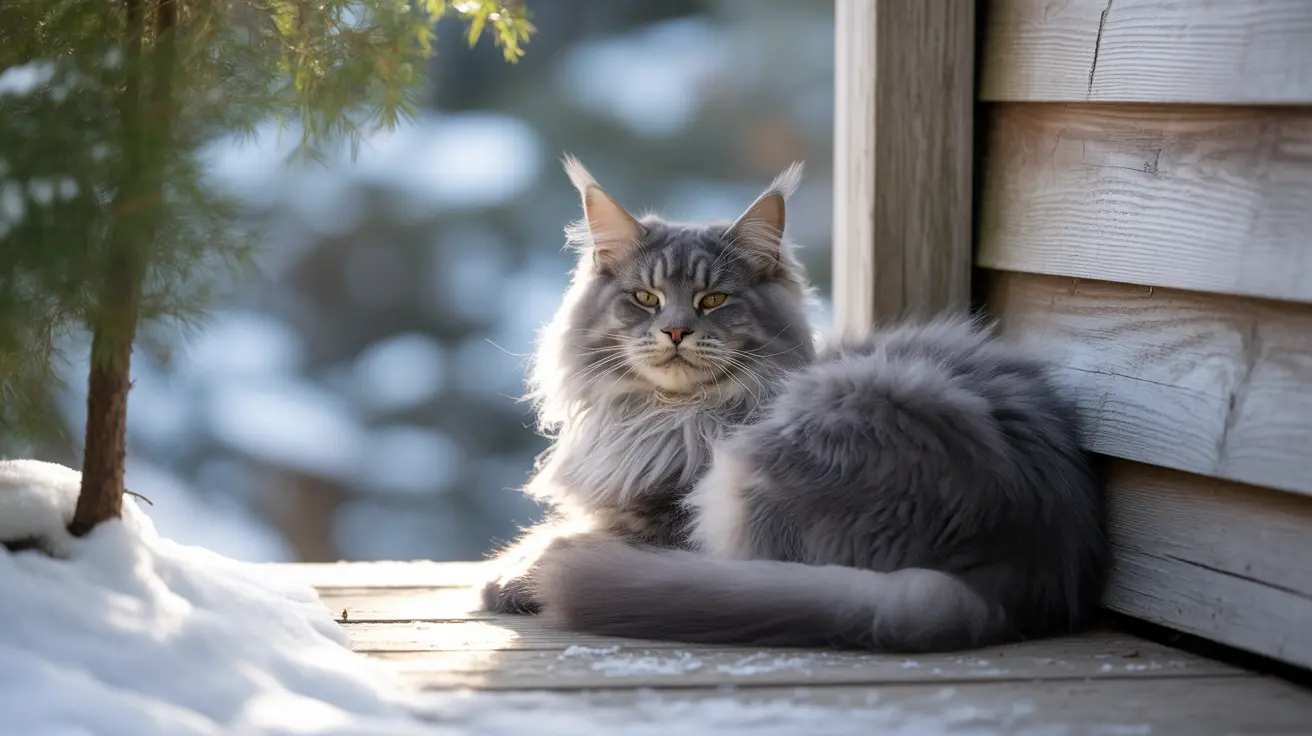
Can a Cat Survive Cold Weather: Essential Tips to Keep Them Safe
When the temperature drops, you might find yourself wrapped up in a cozy blanket, sipping hot cocoa, and wondering, “Can my cat survive this cold weather?” It’s a question that many cat owners grapple with as winter approaches. Your feline friend may seem independent and resilient, but just like you, they need protection from the chill.
You’ll discover the surprising truths about your cat’s cold weather resilience and learn vital tips to keep them safe and warm. Don’t leave your furry companion out in the cold—read on to find out how to ensure their comfort and well-being during the frosty months ahead.
Cat’s Cold Weather Limits
Cats are sensitive to cold weather and have limits to what they can handle. Their bodies work hard to keep warm, but very low temperatures can be dangerous.
Understanding how cats react to cold helps owners keep them safe. Signs of cold stress are important to recognize early.
How Cats React To Cold
Cats try to stay warm by curling up and finding sheltered spots. They may reduce activity to save energy. Their fur provides some insulation but is not enough in very cold weather.
- Shivering to create body heat
- Seeking warm places like indoors or near heat sources
- Growing thicker fur in cold seasons
- Reducing movement to conserve energy
- Hiding to avoid wind and snow
Signs Of Hypothermia In Cats
Hypothermia happens when a cat’s body temperature drops too low. It is a serious condition and needs fast care. Watch for these signs to help your cat in time.
| Sign | Description |
| Shivering | Uncontrollable shaking to produce heat |
| Weakness | Slow movements and lack of energy |
| Cold ears and paws | Extremities feel very cold to touch |
| Slow breathing | Breathing becomes shallow and less frequent |
| Stiff muscles | Difficulty moving or walking |
| Unconsciousness | Loss of consciousness in severe cases |

Credit: www.reddit.com
Safe Shelter Options
Cold weather can be dangerous for cats. They need warm and safe places to stay. Providing shelter helps them survive the cold months.
Both indoor and outdoor shelters can protect cats from harsh weather. Understanding the best options keeps cats healthy and comfortable.
Indoor Spaces For Warmth
Indoor spaces offer the best protection from cold weather. Cats stay warm and dry inside homes or garages. These places prevent frostbite and illness.
Provide soft bedding like blankets or pet beds. Place the shelter away from drafts and cold floors. A cozy corner or quiet room works well.
- Use a heated cat bed or pad if safe
- Keep food and water inside to prevent freezing
- Ensure the space is clean and free from hazards
Outdoor Shelter Ideas
Some cats live outside and need protection from cold weather. Outdoor shelters must block wind, rain, and snow. Insulation helps keep heat inside.
Use sturdy boxes or plastic containers with small entrances. Add straw for bedding because it stays dry and warm. Avoid blankets outside as they get wet.
- Elevate shelter off the ground to avoid moisture
- Place shelter near a wall or under a porch for extra protection
- Check shelters often to keep them dry and clean
Feeding For Warmth
Cold weather can be hard on cats. Feeding them right helps keep their body warm. Good food gives energy for heat and comfort.
Adjusting your cat’s diet in winter is important. You can help your cat stay healthy and warm by changing what and how you feed.
Nutritional Needs In Winter
Cats burn more calories in cold weather. They need food with more fat and protein. This helps create body heat and keeps muscles strong.
- Choose high-protein cat food to support muscle strength.
- Include healthy fats to boost energy and warmth.
- Offer small meals more often to maintain energy levels.
- Check that food is fresh and easy to digest.
Hydration Tips
Water helps regulate your cat’s body temperature. In winter, cats may drink less. Offer fresh water often to keep them hydrated.
| Hydration Tip | Reason |
| Place water bowls in warm areas | Prevents water from freezing |
| Use a pet water fountain | Encourages drinking with moving water |
| Add wet food to diet | Increases fluid intake |
| Check water bowls several times daily | Ensures water is clean and fresh |

Credit: www.reddit.com
Clothing And Accessories
Cold weather can be tough for cats, especially those with thin fur. Clothing and accessories help keep them warm and safe. Using the right gear makes a big difference in their comfort.
Choosing the right items depends on your cat’s needs and the weather conditions. Here are some tips on when to use sweaters and how to protect their paws.
When To Use Cat Sweaters
Cat sweaters are useful in cold weather or if your cat has short fur. They add extra warmth and help keep the body heat inside. Use sweaters that fit well and do not restrict movement.
- Use sweaters when temperatures drop below 45°F (7°C).
- Put on sweaters for older cats or those with health issues.
- Choose soft, breathable fabrics to avoid skin irritation.
- Remove sweaters if your cat shows signs of stress or discomfort.
- Always supervise your cat when wearing clothing.
Safe Paw Protection
Cold ground and ice can hurt your cat’s paws. Snow, salt, and ice melt chemicals cause dryness and cracks. Paw protection keeps your cat’s feet healthy in winter.
| Type of Paw Protection | Benefits | Notes |
| Booties | Keeps paws warm and dry | Choose sizes that fit snugly |
| Paw Balm | Prevents dryness and cracks | Apply before and after walks |
| Regular Paw Checks | Detects injuries early | Inspect paws after outdoor time |
Health Monitoring
Cold weather can affect your cat’s health in many ways. Watching your cat closely helps keep it safe. Good health monitoring is key during winter months.
Knowing the signs of illness and scheduling vet visits can protect your cat. Learn how to manage winter health risks for your furry friend.
Regular Vet Checks
Regular vet visits help catch problems early. Cold weather can hide signs of illness in cats. A vet can check your cat’s temperature, weight, and overall condition.
- Schedule a vet check before winter starts
- Keep up with vaccinations and parasite control
- Discuss your cat’s diet and indoor heating options
- Ask the vet about signs of cold-related health issues
Managing Winter Illness Risks
Winter can bring risks like frostbite, respiratory issues, and dehydration. Watch your cat for these signs:
| Symptom | Possible Cause | Action |
| Shivering | Cold stress | Bring cat indoors, warm gently |
| Coughing or sneezing | Respiratory infection | See vet quickly |
| Dry nose or eyes | Dehydration | Provide fresh water regularly |
| Pale or blue gums | Poor circulation | Seek emergency vet care |
Exercise In Cold Weather
Cold weather can be tough for cats to stay active. Exercise helps keep them healthy and happy. You can help your cat move safely indoors or outside.
Knowing safe ways to play in cold weather is important. Cats need to stay warm and avoid dangers like ice or frostbite.
Indoor Play Ideas
Indoor play keeps your cat active without risking cold weather problems. Use toys and activities that encourage movement and fun.
- Use feather wands or laser pointers to chase.
- Create paper ball or crumpled foil toys for batting.
- Set up climbing shelves or cat trees for jumping.
- Hide treats in puzzle feeders to stimulate hunting skills.
- Make a tunnel from cardboard boxes for exploring.
Safe Outdoor Activities
Some cats enjoy short trips outside in cold weather. Keep outings brief and watch for signs of cold stress.
| Activity | Tips |
| Leash Walks | Use a harness and keep walks under 10 minutes. |
| Snow Exploration | Let your cat sniff but avoid deep snow or ice. |
| Sunbathing | Find a sunny spot outside to warm up briefly. |
| Supervised Play | Stay close and watch for signs of shivering or discomfort. |
Emergency Preparedness
Cold weather can be dangerous for cats. Preparing for winter helps keep them safe and healthy. It is important to plan ahead.
Knowing what to include in a safety kit and how to handle sudden weather changes can protect your cat in emergencies.
Winter Safety Kit For Cats
A winter safety kit keeps your cat ready for cold weather and emergencies. It should have all essentials for warmth and care.
- Warm blankets or towels for bedding
- Extra food and fresh water
- Cat-safe heating pads or hot water bottles
- Carrier or shelter for quick transport
- Basic first aid supplies
- Identification tags or microchip info
Handling Sudden Weather Changes
Weather can change fast in winter. Cats need quick protection from cold and wet conditions. Watch the forecast daily.
| Action | Why It Matters |
|---|---|
| Bring cats indoors during storms | Prevents hypothermia and frostbite |
| Check heating sources for safety | Avoids burns and fires |
| Keep fresh water unfrozen | Ensures hydration |
| Provide shelter if outside is necessary | Protects from wind and snow |
| Have emergency vet contact ready | Quick help if your cat falls ill |
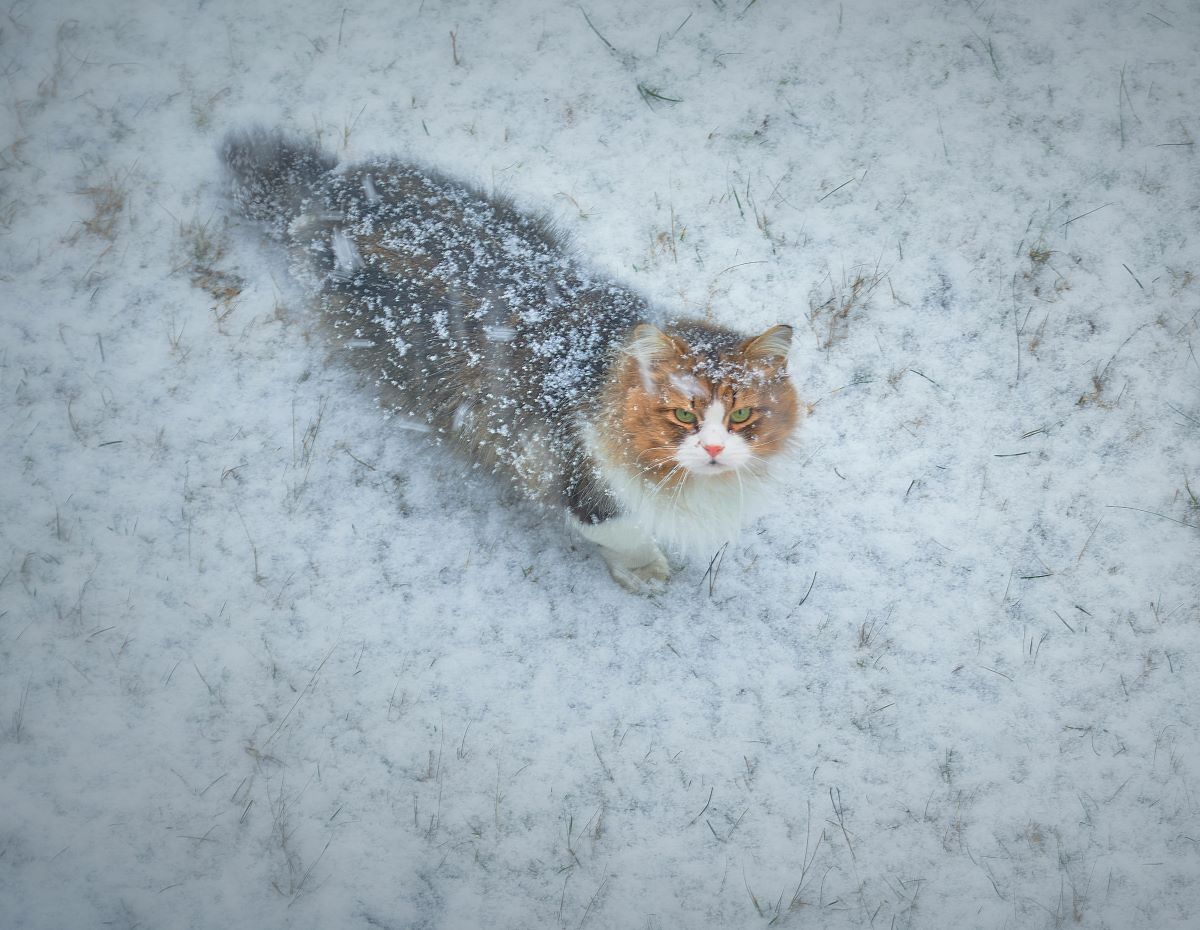
Credit: www.jackery.com
Frequently Asked Questions
Can Cats Survive In Extremely Cold Weather?
Cats can survive cold weather but risk hypothermia and frostbite. They need shelter, warmth, and food to stay safe in low temperatures.
How Do Cats Keep Warm During Winter?
Cats use their fur as insulation and curl up to conserve body heat. They also seek warm places like indoors or sunny spots.
Should Cats Stay Indoors In Cold Weather?
Yes, indoor cats are safer during cold weather. Outdoor cats face dangers from cold, ice, and reduced food availability in winter.
What Are Signs Of Cold Stress In Cats?
Signs include shivering, lethargy, pale gums, and frostbitten ears or paws. Immediate warming and veterinary care may be needed.
Conclusion
Cats can survive cold weather but need care and warmth. They grow thicker fur to help stay warm. Still, very low temperatures can be dangerous for them. Providing shelter, food, and fresh water is important. Watch for signs of cold stress like shivering or lethargy.
Indoor cats stay safer during cold spells. Outdoor cats need extra protection to avoid illness. A warm, dry place helps cats stay healthy. Cold weather is tough but manageable with the right care. Keep your cat safe and comfortable all winter long.