Have you ever wondered why survival knives often have serrated edges? Those jagged teeth aren’t just for show—they serve a very important purpose when you’re out in the wild.
Understanding what serrations are for can change the way you use your knife and even improve your chances in tough situations. You’ll discover exactly why serrations matter and how they can become your secret tool when facing survival challenges. Keep reading to unlock the full potential of your survival knife.

Credit: www.amazon.com
Purpose Of Serrations
Serrations on survival knives serve important functions beyond just looking cool. They add practical value that helps in tough outdoor tasks. These jagged edges increase a knife’s ability to cut through challenging materials. They also improve grip and control during use. Serrations make survival knives more versatile for different situations.
Cutting Tough Materials
Serrations act like small saw teeth on the blade. They easily bite into hard materials like rope, wood, and fabric. Straight edges can dull quickly on rough surfaces. Serrations maintain cutting power longer. This allows effective slicing without much force. They excel at cutting fibrous or coarse items.
Enhanced Grip And Control
The serrated edge improves grip on slippery objects. It prevents the blade from sliding during cutting. This increases user safety and precision. Serrations also help maintain control when applying pressure. This is critical in survival situations that demand accuracy.
Versatility In Survival Situations
Serrations add versatility by allowing multiple types of cuts. They handle fine slicing and rough sawing tasks. Users can cut branches, open packages, or prepare food easily. A serrated survival knife adapts to different challenges outdoors. It reduces the need for carrying multiple tools.

Credit: www.youtube.com
Types Of Serrations
Serrations on survival knives serve specific cutting needs. Different serration types suit various tasks. Understanding these helps you choose the right knife.
Wave Serrations
Wave serrations have a curved, wave-like pattern on the blade’s edge. This design allows quick cutting without opening the blade fully. It is useful for slicing ropes or fabric fast. The wave shape catches material, making slicing smoother and easier.
Sawtooth Serrations
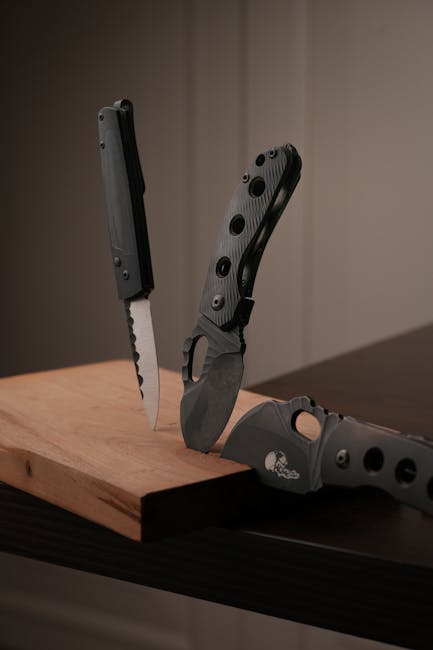
Sawtooth serrations look like small, sharp teeth along the blade. They work like a saw, perfect for cutting wood or tough materials. These serrations grip and tear through fibers well. They provide strong, controlled cuts on rough surfaces.
Micro Serrations
Micro serrations are tiny, close-set teeth on the blade edge. They offer a fine, precise cut and grip better on slippery materials. These serrations are excellent for detailed work and small tasks. They keep cutting sharpness longer and resist dulling quickly.
Advantages In Survival Scenarios
Serrations on survival knives add key benefits for tough outdoor tasks. These jagged edges help the blade perform better in harsh conditions. They increase the knife’s versatility, making it a valuable tool during emergencies.
Survival situations demand tools that work well for many jobs. Serrated edges offer advantages that smooth blades cannot. They make cutting, sawing, and defending easier and more efficient.
Efficient Rope Cutting
Serrations grip rope fibers tightly. This grip helps slice through ropes faster. The jagged design reduces the effort needed to cut tough cords. It is especially useful for thick or wet ropes that are hard to cut.
Improved Wood Processing
Serrated edges act like a small saw. They help in cutting branches and shaping wood for shelter. The teeth catch wood fibers, making sawing motions effective. This is crucial when building a fire or shelter in the wild.
Self-defense Utility
The rough serrations create more damage than a smooth blade. They add extra grip during defensive moves. This can help stop threats quickly. Serrations also keep the blade sharp longer in fight situations.
Maintenance And Sharpening
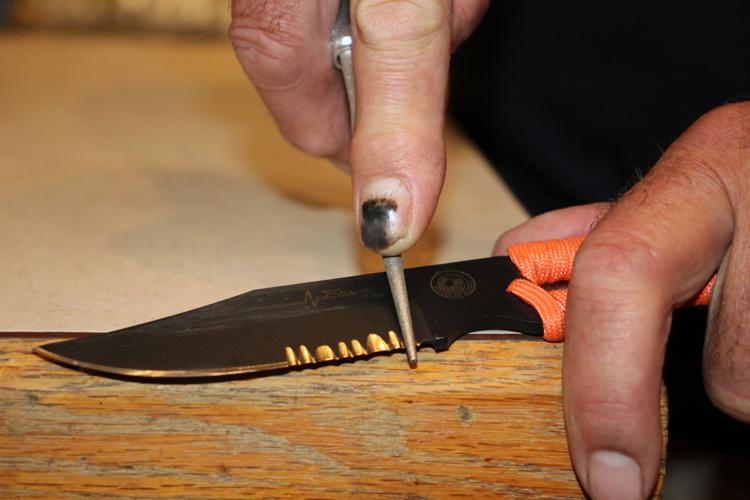
Maintaining and sharpening serrations on survival knives is essential for lasting performance. Serrated edges cut through tough materials like rope and wood with ease. Keeping these edges sharp requires special care and the right tools.
Proper maintenance prevents damage and extends the knife’s life. Sharpening serrations is different from straight edges. It needs precision to keep the saw-like teeth effective.
Tools For Serrated Edges
Serrated knives need specific tools for sharpening. Small round files are the most common choice. They fit perfectly into the curved serrations.
- Ceramic sharpening rods help smooth the edges.
- Diamond-coated files work well on harder steels.
- Special serration sharpeners come in various sizes.
Use tools that match the size of the serrations. This ensures even sharpening without damaging the blade.
Sharpening Techniques
Focus on each serration individually. Slide the file gently inside the curve. Keep the angle consistent for the best result.
- Sharpen only the beveled side of the serrations.
- Use light pressure to avoid removing too much metal.
- Check the sharpness often by cutting test material.
- Finish by lightly honing the flat side of the blade.
Regular sharpening keeps the knife ready for survival tasks. It also improves cutting efficiency and safety.
Common Mistakes To Avoid
Do not sharpen the flat side aggressively. It can ruin the blade’s shape. Avoid using large files that don’t fit the serrations.
Never rush the sharpening process. Quick, uneven strokes damage the edges. Avoid sharpening all serrations at once without focus.
Failing to clean the knife before sharpening leads to poor results. Dirt and rust block the file’s movement. Proper care helps maintain the knife’s durability and effectiveness.
Choosing Between Serrated And Plain Edges
Choosing between serrated and plain edges on a survival knife is more than just a style preference—it directly impacts how well your knife performs in different situations. Knowing which edge suits your needs can make a big difference when you’re out in the wild. Let’s break down the benefits of each type and how to decide what works best for you.
Task-specific Benefits
Serrated edges excel at cutting through tough, fibrous materials like rope, wood, and even some plastics. Their saw-like teeth grip and slice without requiring much force, which helps when you’re dealing with wet or slippery conditions.
Plain edges, on the other hand, offer cleaner, more precise cuts. They’re great for tasks that need control, like carving food, preparing kindling, or skinning. If you need a versatile knife for detailed work, a plain edge could be your best bet.
Personal Preferences
Your comfort with sharpening and maintenance matters. Serrated blades can be trickier to sharpen and usually require special tools, while plain edges are easier to keep sharp with standard sharpeners. Think about whether you want to spend extra time maintaining your knife or prefer quick touch-ups in the field.
Also, consider your experience. If you’ve used both edges before, which felt more natural? Personal preference often guides the choice as much as function. What do you find yourself reaching for when you need reliability and ease?
Hybrid Blade Options
If you can’t decide, hybrid blades offer a mix of both worlds. They feature a plain edge near the tip for precision and a serrated section closer to the handle for tougher cuts. This design covers a wider range of tasks without needing multiple knives.
However, hybrids might not perform as well as specialized edges for specific tasks. If you do a lot of heavy sawing, a fully serrated blade could be better. But if versatility is your priority, hybrids provide a practical balance.
Credit: www.idahostatejournal.com
Frequently Asked Questions
What Purpose Do Serrations Serve On Survival Knives?
Serrations enhance cutting power by gripping tough materials. They help saw through ropes, wood, and fibrous items efficiently. This makes survival tasks easier and quicker. Serrations complement the plain edge for versatile use in outdoor emergencies.
How Do Serrations Improve Cutting Efficiency?
Serrations create multiple cutting points that concentrate force. This allows the blade to bite into hard or slippery surfaces better. They reduce effort and improve control when cutting fibrous or coarse materials. Serrations maintain effectiveness even when the blade dulls slightly.
Are Serrated Edges Better For Survival Knives?
Serrated edges excel at cutting tough materials but are less precise for fine tasks. A survival knife with both plain and serrated edges offers versatility. Users can handle a wider range of cutting needs in emergency situations.
Can Serrations Damage Delicate Materials Or Fabrics?
Yes, serrations can tear or fray delicate fabrics. They are best used on tougher materials like rope, wood, or plastic. For delicate work, the plain edge on a survival knife is preferable to avoid damage.
Conclusion
Serrations on survival knives help cut tough materials easily. They grip and saw through rope, wood, and fabric fast. These edges add extra function beyond a sharp blade. They make the knife versatile for many outdoor tasks. Choosing a knife with serrations depends on your needs.
Remember, serrations are a useful tool, not a must-have. Understanding their purpose helps you pick the right knife. Keep this in mind on your next outdoor adventure.