What Technology Helps People Survive Hurricanes: Life-Saving Innovations
Imagine the howling winds and the relentless rain of a hurricane bearing down on your home. It’s a daunting scenario, isn’t it?
But technology is on your side. In the face of nature’s fury, advancements in technology have become your lifeline, transforming how you prepare for and survive these powerful storms. From cutting-edge weather forecasting to innovative apps that keep you connected, technology is empowering you to stay safe and informed.
Curious about how you can harness these tools to protect yourself and your loved ones during a hurricane? Read on to discover the remarkable technologies that are changing the game and giving you the upper hand in hurricane survival.
Early Warning Systems
Early warning systems help people prepare for hurricanes before they hit. These systems give important information about the storm’s path and strength.
With enough time to act, people can stay safe and protect their homes and families.
Satellite Monitoring
Satellites watch hurricanes from space. They send pictures and data to weather centers on Earth.
This helps meteorologists see where the hurricane is going and how strong it is.
- Tracks storm movement over oceans
- Measures cloud temperatures and moisture
- Detects changes in storm size and shape
Weather Radar Advances
Weather radars send radio waves to find rain and wind inside hurricanes. They show detailed images of the storm.
New radar technology gives faster and clearer data to help predict flooding and wind damage.
- Measures rainfall intensity
- Detects tornadoes inside hurricanes
- Provides real-time updates to emergency teams
Mobile Alert Apps
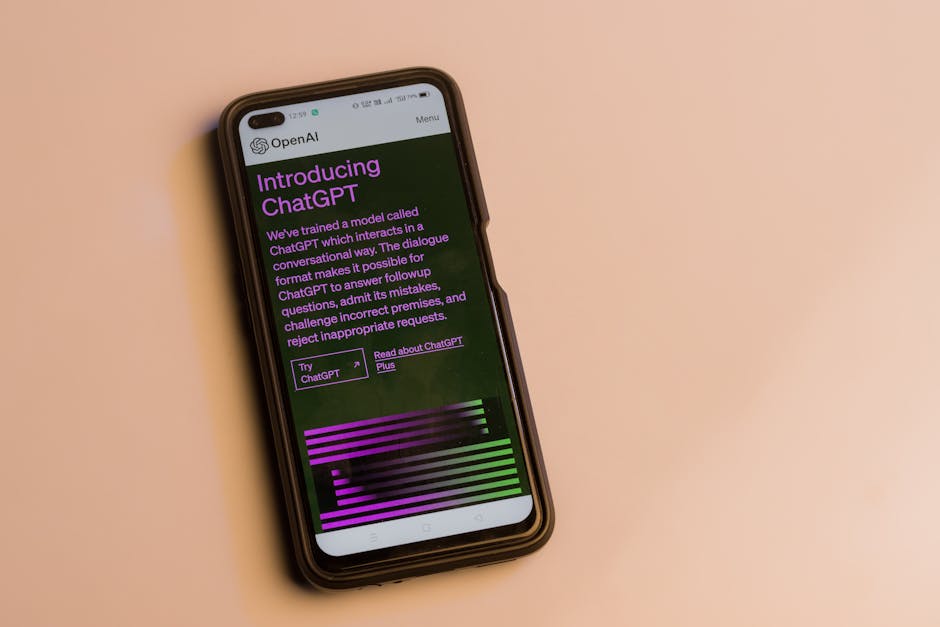
Mobile alert apps send warnings directly to phones. They tell users about hurricane risks and safety steps.
These apps use GPS and weather data to offer local and timely alerts for people in danger zones.
- Offers push notifications for storms
- Shares evacuation routes and shelter info
- Updates with changing hurricane conditions

Credit: www.yahoo.com
Resilient Infrastructure
Technology plays a key role in helping people survive hurricanes. Resilient infrastructure reduces damage and protects lives. It includes strong buildings, flood defenses, and smart power systems.
These technologies work together to keep communities safe during storms. They help reduce flooding, power outages, and structural failures.
Storm-resistant Buildings
Storm-resistant buildings use strong materials and designs. They can stand up to high winds and heavy rain. This helps protect people inside during hurricanes.
Features include reinforced walls, impact-resistant windows, and secure roofs. These buildings reduce damage and make repairs easier after storms.
Flood Barriers And Levees
Flood barriers and levees stop water from flooding homes and streets. They block rising water from storms and heavy rain. This protects communities from flood damage.
These structures include walls, gates, and embankments. Some flood barriers can be raised or lowered when needed. Levees are built along rivers and coasts.
- Permanent levees made of earth or concrete
- Temporary barriers that can be moved
- Floodgates that control water flow
Smart Power Grids
Smart power grids keep electricity running during storms. They detect problems and fix them quickly. This lowers power outages and helps emergency services.
These grids use sensors and computers to manage power flow. They can reroute electricity around damaged areas. This keeps homes and hospitals powered safely.
Emergency Communication Tools
During hurricanes, staying connected is very important. Emergency communication tools help people call for help and get updates.
These tools work even when regular phone lines and internet are down. They keep people safe and informed.
Satellite Phones
Satellite phones use satellites in space to send calls and messages. They work anywhere on Earth, even in storms.
People use satellite phones when cell towers fail. These phones help emergency teams talk with each other and with people in danger.
Mesh Networks
Mesh networks link many devices together without the internet. Each device sends messages to others nearby.
This creates a strong network that works even if some devices stop working. Mesh networks help neighbors and rescuers share information fast.
- Does not need cell towers or internet
- Works well in crowded or remote areas
- Devices connect directly to each other
Radio Communication Devices
Radio devices send voice messages over radio waves. They are simple and reliable in bad weather.
Emergency workers and volunteers use radios to coordinate rescue missions. People can use handheld radios to talk with family members nearby.

Credit: www.amazon.ca
Evacuation And Rescue Technologies
Technology helps people stay safe during hurricanes. It supports quick evacuation and rescue missions. These tools save lives and reduce risks.
Many devices and systems guide emergency teams and citizens. They improve communication and location tracking. Let’s look at some key technologies.
Gps And Tracking Systems
GPS devices show exact locations of people and vehicles. Rescue teams use GPS to find stranded victims quickly. It helps avoid delays during storms.
Tracking systems monitor evacuees and emergency responders. This technology helps keep everyone safe and accounted for. It supports better coordination in chaotic situations.
- Real-time location updates
- Route mapping for evacuation
- Tracking emergency vehicles
- Monitoring shelter occupancy
Drones For Search And Rescue
Drones help find people trapped by floodwaters or debris. They fly over dangerous areas that rescuers cannot reach easily. Cameras on drones send live images to teams.
Drones also deliver supplies like water and medicine. They reduce risks for rescuers by scouting ahead. Using drones speeds up rescue missions during hurricanes.
- Live aerial views of disaster zones
- Delivery of emergency supplies
- Access to hard-to-reach places
- Quick damage assessment
Automated Evacuation Planning
Computer systems create evacuation plans based on storm data. They suggest the safest routes and shelter locations. This helps people leave dangerous areas faster.
Automation also manages traffic flow during evacuation. It controls signals and alerts drivers to avoid jams. This technology reduces confusion and saves time.
- Route optimization for safe exit
- Traffic control and monitoring
- Real-time updates on road conditions
- Integration with emergency alerts
Personal Safety Devices
Personal safety devices help people stay safe during hurricanes. They provide support in emergencies and keep vital functions monitored.
These devices improve survival chances and help with quick response. They are easy to carry and use in tough conditions.
Wearable Health Monitors
Wearable health monitors track vital signs like heart rate and oxygen levels. They alert users if health issues arise during a hurricane.
These devices can send emergency signals to rescue teams. They help people with medical conditions stay safe when help is far.
- Track heart rate and blood pressure
- Monitor blood oxygen levels
- Send alerts for emergencies
- Lightweight and water-resistant designs
Portable Water Purifiers
Clean drinking water is hard to find after a hurricane. Portable water purifiers remove harmful bacteria and viruses from water.
These devices are small and easy to carry. They help prevent waterborne diseases when normal water sources are contaminated.
- Use filters or UV light to purify water
- Work without electricity
- Lightweight for easy transport
- Provide safe drinking water anytime
Emergency Power Banks
Power outages are common during hurricanes. Emergency power banks keep phones and devices charged for communication.
They store electricity and provide multiple charges. Some models include solar panels for recharging without power.
- Charge phones and radios
- Offer multiple recharges
- Include solar charging options
- Compact and easy to carry
Post-hurricane Recovery Tools
After a hurricane, communities need tools to help them recover fast. Technology offers ways to check damage and clean up safely.
These tools help emergency teams work better and make smart decisions during recovery efforts.
Damage Assessment Drones
Drones fly over damaged areas to take pictures and videos. They reach places people cannot easily access.
These drones help teams see which buildings and roads are badly damaged. This speeds up repair plans.
Remote Sensing For Cleanup
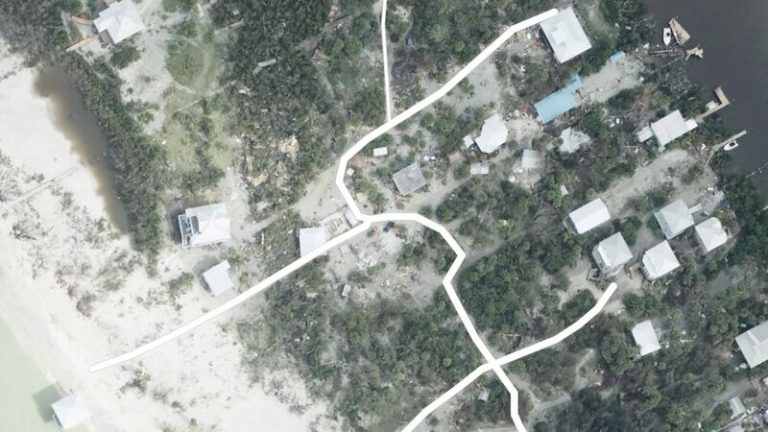
Remote sensing uses satellite or aerial images to spot debris and hazards. It shows where cleanup is most needed.
This tech helps crews avoid unsafe areas and work more safely and quickly.
- Detects flooded zones
- Finds blocked roads
- Identifies dangerous materials
Ai For Resource Allocation
Artificial intelligence (AI) analyzes data from drones and sensors. It helps decide where to send workers and supplies.
AI improves how rescue teams use their resources to help the most people fast.
- Predicts which areas need help first
- Suggests the best routes for delivery
- Tracks available equipment and workers

Credit: crescentcitychambermusicfestival.com
Frequently Asked Questions
What Technology Predicts Hurricanes Effectively?
Advanced satellite systems and computer models analyze weather patterns. They predict hurricane paths and intensity with high accuracy. This helps communities prepare early and minimize damage.
How Do Early Warning Systems Save Lives?
Early warning systems use alerts via phones, radios, and sirens. These timely warnings help people evacuate or take shelter before hurricanes strike, reducing injuries and fatalities.
What Role Do Drones Play In Hurricane Response?
Drones provide real-time aerial footage of affected areas. They assist in damage assessment, search and rescue, and delivering supplies where access is difficult after hurricanes.
How Does Storm Surge Technology Protect Coastlines?
Storm surge barriers and sensors monitor water levels and tidal changes. These technologies help predict flooding and activate defenses to protect vulnerable coastal communities.
Conclusion
Technology plays a big role in helping people survive hurricanes. Tools like weather apps, emergency alerts, and GPS keep us informed and safe. Strong building materials and backup power systems protect homes during storms. Rescue teams use drones and communication devices to find and help people quickly.
These technologies work together to save lives and reduce damage. Staying prepared and using these tools can make a real difference when a hurricane strikes. Safety starts with good information and smart technology.