Can Garlic Survive Winter Cold Weather: Essential Tips Revealed
Are you wondering if your garlic can brave the winter chill? You’re not alone.
Many gardeners share the same concern, especially as the cold months approach. The thought of your carefully planted garlic bulbs wilting under harsh weather is enough to make anyone worry. But what if I told you that garlic is tougher than it looks?
This resilient plant might just surprise you with its ability to withstand the cold. Intrigued? Keep reading to uncover the secrets of growing garlic through winter and learn how to ensure a bountiful harvest despite the frosty temperatures. Your garlic garden could thrive, no matter how cold it gets.

Credit: www.groeat.com
Garlic And Cold Weather
Garlic is a tough plant that grows well in cold weather. It can survive low temperatures better than many other vegetables.
Understanding how garlic reacts to frost and cold helps gardeners protect their crops. This knowledge improves garlic growth during winter.
How Garlic Responds To Frost
Garlic can handle light frost without much damage. Its outer layers protect the cloves from freezing.
Strong frost may slow growth but usually does not kill the plant. Garlic goes into a resting phase during cold weather.
- Light frost: garlic stays healthy
- Heavy frost: growth slows down
- Deep freeze: risk of damage increases
Temperature Thresholds For Garlic
Garlic grows best in temperatures between 32°F and 50°F (0°C to 10°C). It can survive colder temperatures if soil is not frozen hard.
Below 0°F (-18°C), garlic may suffer damage unless covered by mulch or snow. Protection helps keep the cloves safe.
| Temperature | Effect on Garlic |
|---|---|
| Above 32°F (0°C) | Normal growth |
| Below 32°F (0°C) | Growth slows, plant rests |
| Below 0°F (-18°C) | Possible damage without protection |
Preparing Garlic For Winter
Garlic needs special care to survive cold winter weather. Proper preparation helps your garlic grow strong and healthy next season.
Learn how to pick the right garlic type and when to plant it for the best results in cold climates.
Choosing The Right Garlic Variety
Pick garlic types that tolerate cold well. Hardneck varieties survive winter better than softneck ones. They handle frost and develop bigger cloves.
- Hardneck garlic grows better in cold zones.
- Softneck garlic suits mild winters.
- Rocambole and Porcelain types are hardy options.
- Choose local varieties adapted to your area.
Optimal Planting Time
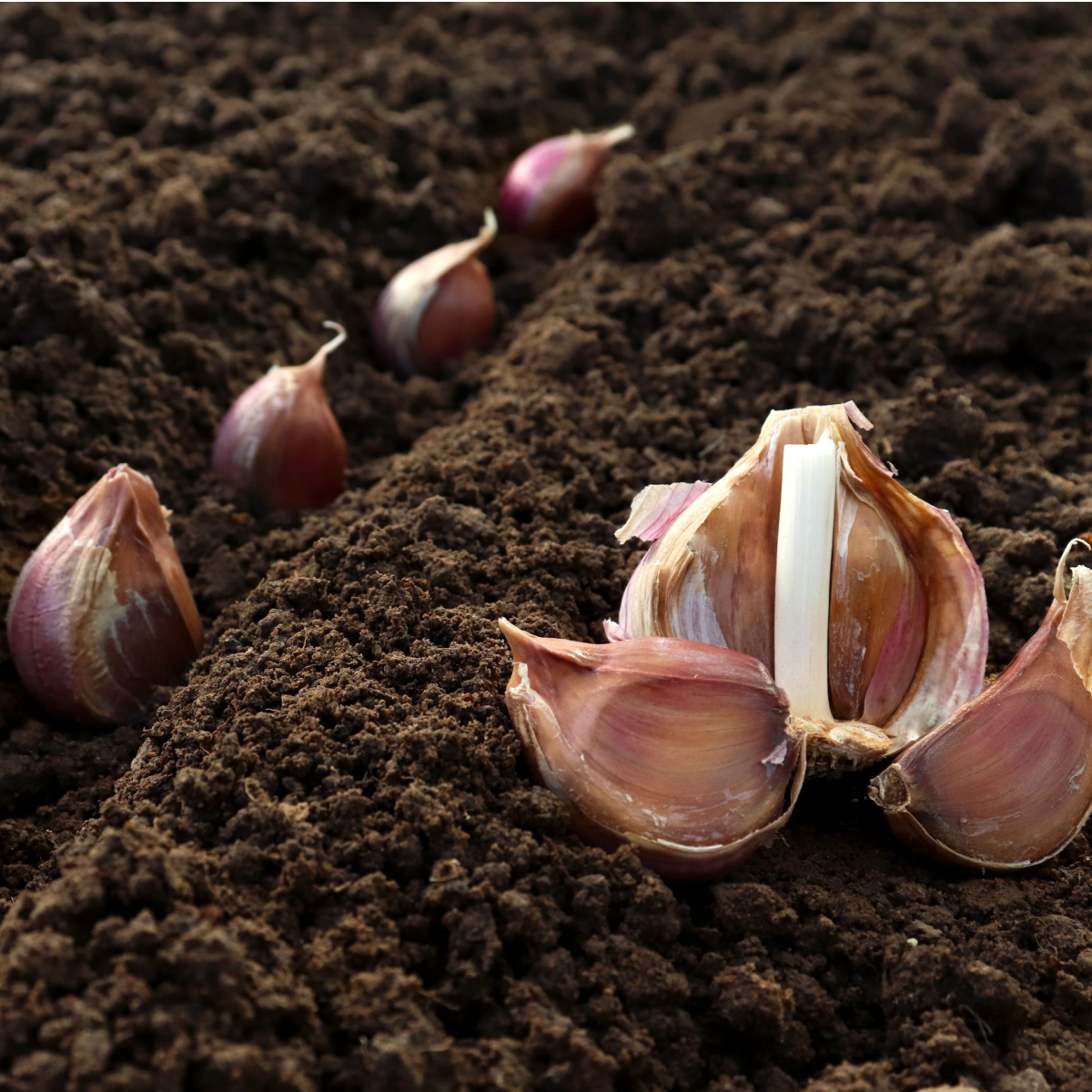
Plant garlic early enough to let roots grow before frost. This timing helps the plant survive winter and grow strong in spring.
| Climate Zone | Planting Time |
| Cold (Zones 3-5) | Late September to Early October |
| Moderate (Zones 6-7) | Mid October to Early November |
| Mild (Zones 8-9) | Late November to Early December |
Protecting Garlic From Freezing
Garlic can survive cold winter weather if it is protected well. Freezing temperatures can harm the bulbs and reduce their growth.
Using simple protection methods helps garlic stay healthy through the winter. These methods keep the soil and bulbs warmer.
Mulching Techniques
Mulch is a great way to protect garlic from freezing. It acts like a blanket over the soil, keeping it warmer.
Use straw, leaves, or grass clippings to cover the garlic bed. Add 3 to 6 inches of mulch before the first hard frost.
- Mulch keeps the soil temperature steady
- Prevents soil from freezing too fast
- Reduces water loss during cold weather
- Protects garlic bulbs from frost damage
Using Row Covers And Cloches
Row covers and cloches give extra protection to garlic plants. They create a small greenhouse effect around the plants.
Row covers are cloth or plastic sheets placed over the garlic rows. Cloches are small clear covers that protect single plants.
- Row covers block cold wind and frost
- Cloches keep warmth close to the plant
- Both help garlic grow in colder weather
- Remove covers during sunny days to avoid overheating
Winter Care Practices
Garlic can survive cold winters with the right care. Protecting your garlic during winter helps it grow strong in spring.
Winter care includes managing water and soil to keep garlic healthy. Proper care prevents damage from cold and wet conditions.
Watering During Cold Months
Garlic needs less water in winter because the soil stays moist longer. Overwatering can cause roots to rot.
Water only when the top soil feels dry. Use gentle watering to avoid disturbing the bulbs.
- Check soil moisture weekly
- Water early in the day to dry overnight
- Avoid waterlogging the soil
Avoiding Soil Compaction
Soil compaction harms garlic roots by reducing air and water flow. Avoid walking on garlic beds in winter.
Use mulch to protect the soil and keep it loose. Mulch also helps keep the soil temperature steady.
- Apply straw or leaves as mulch
- Do not step on garlic rows
- Use raised beds if possible
Signs Of Winter Damage
Garlic can face many problems during cold winter months. It is important to spot signs of damage early. This helps gardeners protect their plants and keep them healthy.
Winter damage can come from frostbite or pests that attack when garlic is weak. Knowing what to look for helps you take action fast.
Identifying Frostbite On Garlic
Frostbite happens when garlic is exposed to freezing temperatures. It can harm leaves and bulbs. Look for these signs:
- Leaves turn yellow or brown and look dry
- Leaves may feel soft or mushy to touch
- Bulbs can become soft inside or show dark spots
- Growth slows down or stops completely
- Roots may look blackened or rotten
If you see these signs, remove damaged leaves. Protect the bulbs by covering garlic with mulch or straw.
Dealing With Winter Pests
Winter pests can harm garlic by feeding on leaves or bulbs. Common pests include onion maggots and wireworms. Watch for these signs:
| Pest | Damage Signs | Control Tips |
| Onion Maggots | Wilting leaves, bulbs rot | Use row covers, rotate crops |
| Wireworms | Holes in bulbs, slow growth | Trap with bait, keep soil dry |
| Slugs | Chewed leaves and stems | Remove mulch, handpick at night |
Credit: simplegardenlife.com
Harvesting After Winter
Garlic can survive cold winter weather if cared for properly. After winter, harvesting garlic requires attention to timing and storage. These steps help keep your garlic fresh and flavorful.
Knowing when to harvest and how to store garlic after winter will improve your results. This guide covers these important points.
Timing The Harvest
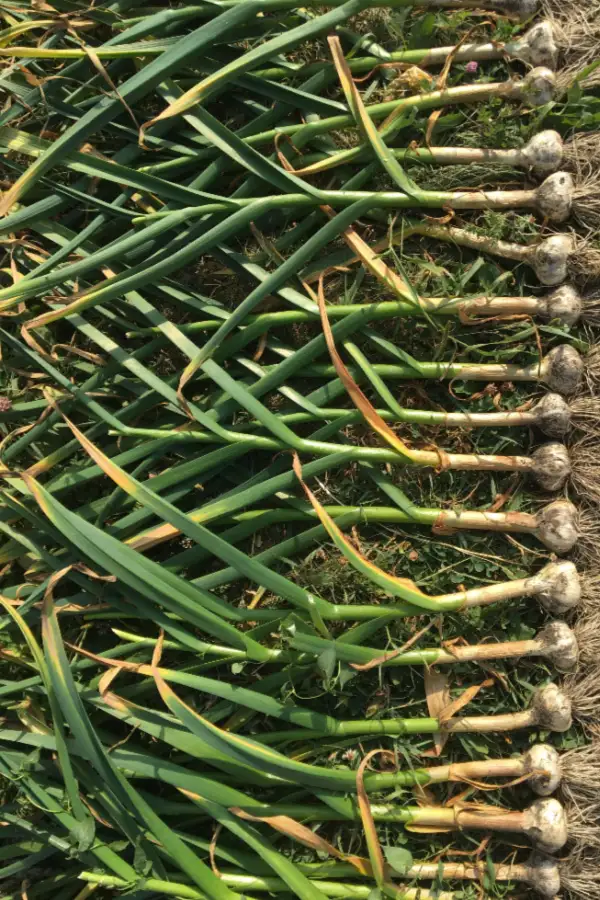
Harvest garlic when the leaves start to yellow and dry. This shows the bulbs are mature. Dig carefully to avoid damage. Do not wait too long, or bulbs may split.
- Check leaves for yellowing and drying.
- Loosen soil gently around bulbs.
- Lift bulbs out with a garden fork or shovel.
- Brush off soil but do not wash bulbs.
- Let garlic dry in shade for a few days.
Post-harvest Garlic Storage
After drying, store garlic in a cool, dry place. Proper storage keeps garlic usable for months. Avoid damp or hot areas to prevent rot.
| Storage Method | Temperature | Humidity | Duration |
| Mesh bag or basket | 60°F (15°C) | 60-70% | 3-6 months |
| Paper bag in cool room | 50-60°F (10-15°C) | 50-60% | 4-6 months |
| Refrigerator (short term) | 35-40°F (2-4°C) | Low | 1-2 months |
Credit: simplegardenlife.com
Frequently Asked Questions
Can Garlic Survive Freezing Winter Temperatures?
Yes, garlic can survive freezing temperatures if properly mulched. Mulching insulates bulbs from extreme cold and frost damage during winter.
How To Protect Garlic From Harsh Winter Cold?
Cover garlic beds with straw or mulch before the first frost. This helps maintain soil warmth and prevents bulb freezing.
When Is The Best Time To Plant Garlic For Winter Survival?
Plant garlic in fall, 4-6 weeks before the first hard frost. This allows roots to establish before winter dormancy.
Does Garlic Need Special Soil For Winter Survival?
Garlic prefers well-drained soil with organic matter. Good drainage prevents waterlogged bulbs, which can rot in cold, wet winters.
Conclusion
Garlic can survive winter cold with the right care. Plant cloves before frost for strong roots. Mulch helps protect garlic from freezing temperatures. Choose hardier garlic types for colder climates. Watch soil moisture to avoid rot during winter. With patience, garlic will grow healthy in spring.
Growing garlic through winter is possible and rewarding. Keep these tips in mind for a good harvest. Your garden can thrive despite the cold weather.