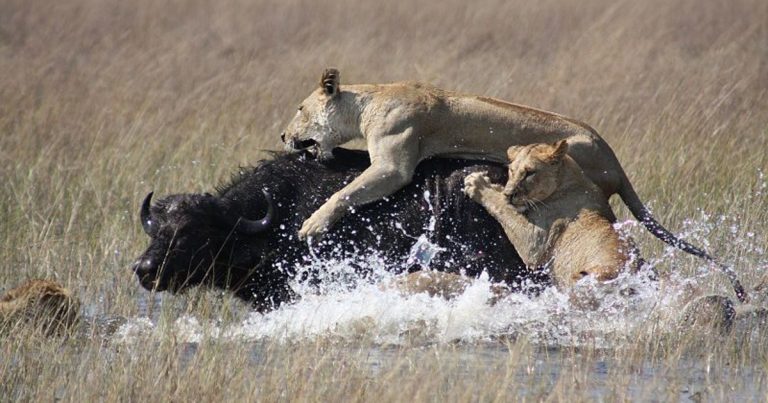
Animal Attack: A Wildlife Survival Guide: Expert Tips to Outsmart Danger
You’re halfway through a backcountry hike when a twig snaps behind you. You turn to see a 400-pound grizzly bear 50 yards away, head lowered, ears pinned back. Your heart races, but you remember the training from this guide: don’t run, deploy your bear spray, and slowly back away. That split-second knowledge could be the difference between a safe trip and a life-threatening emergency. Animal attacks are extremely rare — the CDC reports fewer than 50 fatal wildlife attacks occur in the U.S. annually — but they are almost always preventable with the right preparation, species-specific knowledge, and calm, decisive action. This guide covers evidence-based strategies to avoid encounters, respond correctly if you can’t, treat injuries, and curates the most reputable resources to deepen your expertise.
Why Wild Animals Attack: The Root Causes You Need to Know
Contrary to popular media portrayals, less than 10% of wild animal attacks on humans are predatory. The vast majority are defensive responses to perceived threats, according to CDC wildlife safety research. Animals attack for four core reasons:
- Territorial defense: Animals will aggressively protect their home range, especially during mating season.
- Protection of young: A mother bear, cougar, or moose will view any nearby human as a threat to her cubs or calves, and will attack to drive them away.
- Surprise encounters: Animals that are startled by hikers who approach too closely or make sudden movements will often attack out of fear.
- Habituation to human food: Animals that have been fed by humans or learned to associate campsites with easy calories lose their natural fear of people and become far more aggressive. A common mistake outdoor enthusiasts make is assuming all wildlife is skittish and will flee at the sight of a human. In areas with high human traffic, many large predators have become habituated, making them more likely to stand their ground instead of running. Understanding these triggers is the first step to avoiding dangerous encounters entirely. You can also read our guide on survival stories of animal attacks.
Pre-Trip Prevention: Steps to Avoid Encounters Entirely
Over 80% of wildlife attacks can be prevented with simple pre-trip planning, per outdoor safety data from national park services. Follow these steps to minimize your risk before you even leave your car:
- Research your destination: Check recent wildlife sighting reports from the local park service or forest service, note seasonal behavior patterns (e.g., bears enter hyperphagia in fall, making them more active and food-focused), and avoid areas with recent aggressive animal reports.
- Make noise while hiking: Talk, sing, or use a bear bell to avoid surprising wildlife — most animals will flee if they hear you coming from a distance. Avoid hiking alone at dawn or dusk, when predators are most active.
- Store food properly: Use bear-resistant canisters or hang food 10+ feet high and 4 feet away from tree trunks. Never store food, toiletries, or scented items in your tent, as these odors attract curious scavengers.
- Travel in groups: Groups of three or more people are 10 times less likely to be targeted by predators than solo hikers, according to park service data.
- Carry the right gear: A non-negotiable part of any backcountry kit is what to pack in a survival kit, including bear spray (check expiration dates annually, as potency declines over time), a loud whistle, a first aid kit with trauma supplies, a physical map and compass (cell service is rarely available in remote areas), and an emergency shelter. A sturdy survival knife is also a critical tool for cutting brush, building shelter, or defending yourself as a last resort; you can find reliable survival knife retailers to source a high-quality blade for your kit. Always let a trusted contact know your itinerary and expected return time, so emergency services can locate you quickly if you don’t check in.
Species-Specific Response Protocols: What to Do When You Can't Avoid an Encounter
If you do encounter a wild animal, your reaction can mean the difference between a close call and a serious injury. Follow these evidence-based protocols for the most common dangerous species in North America:
Bear Encounters (Grizzly vs. Black Bear)
The first step is to correctly identify the bear species, as response protocols differ drastically:
- Grizzly/brown bears have a prominent shoulder hump, dished facial profile, and long, curved claws. If a grizzly attacks defensively (e.g., you surprised it on a food source), play dead: lie flat on your stomach, interlace your fingers behind your neck, and spread your legs to make it harder for the bear to flip you over. Stay still until the bear leaves the area — moving too soon will trigger a second attack.
- Black bears have no shoulder hump, a straight facial profile, and short, curved claws. If a black bear attacks, fight back aggressively with any available tool (bear spray, rocks, sticks, your serrated blade uses survival knife) targeting the bear’s face and eyes. Black bear attacks are almost always predatory, so playing dead will increase your risk of serious injury or death. A universal rule for all bear encounters: never run. Bears can sprint up to 35 mph, faster than any human, and running triggers their instinct to chase prey. If you have bear spray, deploy it when the bear is 30-60 feet away, creating a cloud of capsaicin that will irritate its eyes and respiratory system, forcing it to retreat.
Cougar/Mountain Lion Encounters
Cougars are stealth predators that often stalk prey before attacking. If you see a cougar:
- Stand your ground and make yourself appear as large as possible: raise your arms, open your jacket, and wave any gear you have.
- Maintain eye contact and speak in a loud, firm voice — do not whisper or scream, as high-pitched noises can mimic prey sounds.
- Slowly back away while facing the cougar, giving it an escape route. Never turn your back or run, as this will trigger its chase instinct. If the cougar attacks, fight back aggressively with any available object, targeting its eyes and nose. Cougars are unlikely to continue an attack if they meet strong resistance. You can also read our guide on survival rate of animal attacks.
Venomous Snake Encounters
Most venomous snakes will flee if given an escape route. If you encounter a snake:
- Step back slowly, giving it at least 10 feet of clear space to retreat. Do not make sudden movements or attempt to kill the snake.
- If you are bitten, move to a safe location away from the snake immediately.
- Keep the bitten limb immobilized at or slightly below heart level, and remove any tight jewelry or clothing near the bite.
- Seek emergency medical care as soon as possible — antivenom is most effective when administered within 2 hours of a bite. Do not cut the wound, suck out the venom, apply ice, or use a tourniquet. These outdated methods cause permanent tissue damage and increase the risk of infection, per American Red Cross wildlife injury first aid guidance.
Wolf and Coyote Encounters
Wolves and coyotes are pack animals that will target isolated, fleeing prey. If you encounter a coyote or wolf:
- Stand your ground, wave your arms, and make loud, aggressive noises to appear larger and more threatening.
- Do not turn your back or run — even a single coyote will chase a fleeing human.
- If the animal attacks, fight back aggressively, targeting its eyes and nose. Use bear spray if available, as it is effective against canines. For more detailed response steps for these and other species, you can reference deeper species-specific response guides for additional context. You can also read our guide on how to survive an attack by a wild animal book.
Alligator and Crocodile Encounters
Alligators and crocodiles are ambush predators that almost always attack in water. If you are in an area with these reptiles:
- On land: Run in a straight line — alligators can only sustain top speed for short distances, and their signature "death roll" only works in water. Do not zig-zag, as this will not outrun an alligator and will only tire you faster.
- In water: Fight back aggressively, targeting the animal’s eyes and snout — these are the only vulnerable areas on an attacking alligator or crocodile. Poke and gouge these areas repeatedly until the animal releases you.
Post-Attack First Aid: Critical Steps to Reduce Long-Term Harm
If you are injured in an animal attack, your immediate actions can reduce the risk of permanent harm or death. Follow this priority order:
- Get to safety first: Move to a secure location away from the animal, then call emergency services (911 in the U.S., or the local emergency number for your region) as soon as you have cell service.
- Prioritize life-threatening injuries: Apply direct pressure to any severe bleeding wounds, clear the airway if the injured person is unconscious, and treat for shock by laying them flat, keeping them warm, and not giving them food or water.
- Address species-specific injuries:
- Snake bites: Keep the bitten limb immobilized at heart level, note the snake’s color, pattern, and size if possible (do not attempt to capture it) to help medical staff administer the correct antivenom.
- Mammal bites/scratches: Clean all wounds thoroughly with soap and clean water, apply sterile dressings to stop bleeding, and seek medical care immediately for rabies prophylaxis. Rabies is almost always fatal once symptoms appear, so post-exposure prophylaxis must be started as soon as possible after a bite from a wild mammal.
- Bear attacks: Clean all puncture wounds, apply pressure to stop bleeding, and monitor for signs of infection. Deep bear bites often require surgical debridement and antibiotics, so seek professional medical care even for seemingly minor wounds.
Debunking Common Wildlife Safety Myths
Misinformation about animal attacks can lead to life-threatening mistakes. Here are the most common myths, debunked:
- Myth: Playing dead works for all bear attacks. Fact: Playing dead only works for defensive attacks from grizzly/brown bears. For predatory attacks (stalking, night attacks) or black bear attacks, fighting back aggressively is the only way to survive.
- Myth: Climbing a tree will save you from a bear or cougar. Fact: Grizzly bears can climb trees, and cougars are expert climbers that often ambush prey from above. Running to a tree will not protect you.
- Myth: All snakes are aggressive and will chase humans. Fact: Most snakes flee from humans if given space. Snakes only strike if they feel cornered or threatened, and they cannot outrun a human walking at a normal pace.
- Myth: Feeding wild animals makes them friendly. Fact: Feeding wildlife habituates them to humans, leading them to associate people with food and become aggressive when they don’t get fed. In many areas, feeding large predators is a criminal offense that carries heavy fines. For a full breakdown of core attack avoidance tactics, you can review our comprehensive basic attack avoidance tactics guide.
Top-Recommended Wildlife Survival Guides and Resources
While this guide covers core survival strategies, many outdoor enthusiasts prefer to carry a dedicated print or audio resource for quick reference in the field. Below are the most reputable, up-to-date guides on the market, curated for different use cases:
Best All-Around Wildlife Survival Guide
The Ultimate Wildlife Survival Guide: How to Escape 250 Animal Attacks (2025, independently published) This 151-page guide covers survival protocols for over 250 dangerous animal species across every continent, making it the most comprehensive global resource available for international travelers and serious backcountry enthusiasts. Its 2025 publication date ensures all guidance aligns with the latest wildlife behavior research.
- Pros: Global species coverage, up-to-date 2025 research, compact 9.0 x 6.0 x 0.35 inch design that fits in any backpack.
- Cons: Too detailed for casual day hikers, no digital version included.
 The 2025 edition of The Ultimate Wildlife Survival Guide covers over 250 dangerous animal species across every continent.
For readers serious about global backcountry travel, this is the most comprehensive print resource available. Grab your copy here.
Best Guide for Young Outdoor Enthusiasts
Animal Attack! A Wildlife Survival Guide (Scholastic, 2024) Designed for kids and families, this guide uses simple language and full-color illustrations to teach wildlife safety for common North American species, including bears, snakes, and cougars. Its 0.7-pound lightweight design makes it easy to pack for family camping trips.
- Pros: Age-appropriate content for kids 8+, reputable Scholastic publishing, durable paperback binding.
- Cons: Limited to North American wildlife, no coverage of exotic or tropical species.
 Scholastic's Animal Attack! guide uses simple language and illustrations to teach wildlife safety to kids and families.
Ideal for family camping trips and school outdoor programs, this guide makes learning wildlife safety accessible for all ages. Get your copy here.
Best Quick-Reference Pocket Guide
Animal Tracks: A Folding Pocket Guide to the Tracks & Signs of Familiar North American Species (Waterford Press, 2000) This 12-page laminated folding guide fits in any jacket pocket, with clear illustrations of tracks, scat, and other signs of 12 common North American species. It’s perfect for identifying animal presence on the trail without carrying a bulky field guide.
- Pros: Ultra-portable, durable laminated pages that withstand rain and wear, quick on-the-spot identification.
- Cons: Limited to 12 common species, 2000 publication date means some range information is slightly outdated.
 This laminated folding guide fits in any pocket for quick track identification on the trail.
Perfect for day hikers and wildlife observers who want to identify animal presence without carrying a bulky field guide. Add it to your gear here.
Best Concise Global Wildlife Guide
WILD ENCOUNTERS: The Complete Survival Guide to the World's Most Dangerous Animals (2025, independently published) This 17-page concise guide covers high-risk species across all continents, with actionable quick tips for hikers, campers, and international travelers. Its 2025 publication date ensures all guidance is aligned with current wildlife behavior research.
- Pros: Up-to-date 2025 guidance, ultra-compact for international travel, no fluff — only actionable tips.
- Cons: Too brief for in-depth learning, no coverage of low-risk or non-threatening species.
 This 2025 concise guide is ideal for international travelers heading to regions with high-risk wildlife.
A no-fuss resource for travelers who need fast, reliable guidance without carrying a large book. Pick up your copy here.
Best Bear-Focused Survival Guide
What To Do If You Meet a Bear?: A Nature Survival Guide (Albatros Media, 2025) This 40-page guide is focused exclusively on bear behavior and encounter response, with up-to-date 2025 guidance from wildlife biologists. It breaks down the difference between defensive and predatory bear attacks, and walks readers through step-by-step response protocols.
- Pros: Bear-specific deep dive, compact 10.4 x 8.6 x 0.4 inch design, clear, easy-to-follow steps.
- Cons: No coverage of other wildlife, limited to North American bear species.
 This 2025 guide from Albatros Media is the most up-to-date print resource for bear encounter response.
If you frequently hike or camp in bear country, this targeted guide will give you the confidence to respond correctly during an encounter. Get your copy here.
Best Narrative Survival Resource (True Stories)
Bear Attacks of the Century: True Stories of Courage and Survival (2nd Edition, 2024, Lyons Press) This 196-page guide combines gripping true stories of bear attack survivors with practical safety lessons, updated for 2024 with new case studies and modern guidance. The 0.7-pound portable design makes it easy to bring on trips or read at home.
- Pros: Engaging real-world stories that drive home safety lessons, updated 2024 second edition, portable design.
- Cons: Bear-specific only, some stories may be intense for sensitive readers.
The original 2005 first edition is also available for collectors, though its guidance is slightly outdated compared to the 2024 release.
 The 2024 second edition of Bear Attacks of the Century includes updated survival stories and modern bear safety guidance.
 The original 2005 first edition is a collector's item for vintage survival literature fans.
For readers who learn best from real-world examples, these gripping survival stories drive home critical safety lessons. Grab the updated 2024 edition here, or find the classic 2005 edition here.
Best Guide for Understanding Predatory Animal Behavior
Creatures That Eat People: Why Wild Animals Might Eat You (Audible audiobook, 2024, Tantor Audio) This 8-hour audiobook, narrated by wildlife experts, breaks down the scientific reasons behind rare predatory attacks on humans, exploring animal instinct, environmental pressures, and risk factors for human prey selection.
- Pros: Expert-authored, research-backed content, engaging narration, up-to-date 2024 findings.
- Cons: Audio-only format, focused exclusively on predatory attacks (not defensive encounters).
 This 2024 Audible audiobook breaks down the scientific reasons behind rare predatory animal attacks on humans.
For anyone curious about the "why" behind animal attacks, this expert-narrated audiobook provides fascinating, research-backed insights. Listen to it here.
Best All-Hazard Hiker's Survival Guide
Survival Guide for Hikers (2025, independently published) This comprehensive guide goes beyond wildlife attacks to cover every hazard long-distance hikers face: water purification, wilderness navigation, food sourcing, and prevention of vector-borne diseases like malaria, dengue, and Zika virus for tropical treks.
- Pros: All-in-one resource for multi-day backcountry trips, 2025 updated guidance, covers disease prevention for international hiking.
- Cons: Too detailed for casual day hikers, focuses on extreme survival scenarios.
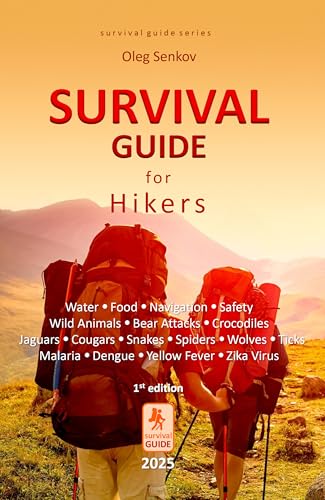 This 2025 all-hazard hiker's guide covers animal attacks, disease prevention, and navigation for long-distance treks.
For thru-hikers and multi-day backcountry travelers, this guide covers every hazard you might face beyond wildlife encounters. Get your copy here.
Best Lightweight Casual Reference
Look Big: And Other Tips for Surviving Animal Encounters of All Kinds (Ten Speed Press, 2018) This 144-page concise guide breaks down animal encounter response into simple, easy-to-remember tips for every type of species, from small raccoons to large grizzly bears. Its lightweight 0.75-pound design makes it perfect for backpackers who don’t want to carry a heavy guide.
- Pros: Simple, actionable tips, ultra-portable, covers both defensive and predatory encounters.
- Cons: 2018 publication date means some bear response guidance is slightly outdated (current guidance recommends fighting back against black bear attacks, which the 2018 edition does not emphasize).
 Look Big is a lightweight, easy-to-reference guide for casual hikers and backpackers.
A great no-fuss option for casual hikers who want clear, actionable tips without dense technical content. Pick up your copy here.
Frequently Asked Questions
What is the single most effective way to avoid an animal attack?
The most effective prevention strategy is to maintain a safe distance from all wildlife: at least 100 yards from large predators (bears, cougars, wolves), 25 yards from smaller mammals (coyotes, bobcats), and 15 feet from snakes and small wildlife. Never feed or approach wild animals, even if they appear friendly, and make noise while hiking to avoid surprising animals that may be resting or foraging.
Does bear spray work on all dangerous wildlife?
Yes, bear spray (a capsaicin-based deterrent) is effective against most large mammals including bears, cougars, wolves, and even moose, as it irritates the eyes and respiratory system of mammals. It is not designed for reptile or insect threats, however. Always check the expiration date before your trip, as the active ingredient loses potency after 3-4 years.
Should I play dead if attacked by a bear?
Only for defensive attacks from grizzly or brown bears. Lie flat on your stomach, interlace your fingers behind your neck, and spread your legs to make it harder for the bear to flip you over. Stay completely still until the bear leaves the area — moving too soon will trigger a second attack. If the attack is predatory (the bear is stalking you or attacking at night) or you are attacked by a black bear, fight back aggressively with any available tool, targeting the bear’s face and eyes.
What should I do if bitten by a venomous snake?
First, move to a safe location away from the snake to avoid a second bite. Keep the bitten limb immobilized at or slightly below heart level, and remove any tight jewelry or clothing near the bite to accommodate swelling. Seek emergency medical care immediately — antivenom is most effective when administered within 2 hours of a bite. Do not cut the wound, suck out the venom, apply ice, or use a tourniquet, as these outdated methods cause permanent tissue damage and increase infection risk.
How can I reduce my risk of tick-borne illness during wildlife encounters?
Wear long sleeves and pants treated with permethrin, use an EPA-registered insect repellent containing DEET or picaridin, perform a full-body tick check after every hike, and shower within 2 hours of returning indoors. If you find an attached tick, remove it with fine-tipped tweezers, grasping it as close to the skin as possible and pulling straight up with steady pressure. Prompt removal reduces the risk of Lyme disease and other tick-borne illnesses by over 80%.
What essential items help in wildlife survival situations?
Non-negotiable gear includes bear spray (checked for expiration annually), a loud whistle, a first aid kit with trauma supplies (tourniquet, gauze, adhesive bandages), a physical map and compass, an emergency blanket, and a sturdy multi-tool or survival knife. For longer trips, add a water filtration system, emergency shelter, and a satellite messenger for areas with no cell service.
Conclusion
Most animal attacks are preventable, and even when encounters can’t be avoided, calm, knowledgeable action dramatically increases your chance of walking away unharmed. The core of wildlife safety is respect: give animals space, avoid surprising them, and never feed or approach wild creatures, no matter how calm they appear. By combining pre-trip preparation, species-specific response training, and the right gear, you can safely enjoy the outdoors without fear of wildlife. For more expert guidance to build out your full backcountry survival kit, review our complete survival kit packing list to ensure you’re ready for any scenario.