How Long Can a Human Survive Without Solid Food: Shocking Facts Revealed
The question of how long a human can survive without solid food is more than a morbid curiosity — it’s critical knowledge for emergency preparedness, wilderness survival, and understanding your body’s built-in resilience mechanisms. While pop culture often exaggerates survival timelines, clinical data and verified real-world cases reveal surprising, sometimes shocking, truths about what happens when you stop eating solid meals, and why water, not willpower, is the single biggest determinant of survival. Below, we break down the science, real cases, and critical safety guidance you need to know, no myths included.
The Non-Negotiable Role of Hydration
Water is the single most important factor determining survival without solid food. Clinical data confirms most healthy adults survive only 3 to 7 days without water, regardless of food access, as dehydration causes organ failure far faster than starvation. With adequate hydration, survival time jumps dramatically, as water supports kidney function to process waste from muscle breakdown, maintains blood volume to deliver oxygen to organs, and regulates core body temperature. You can also read our guide on emergency preparedness long term survival. Even if you have no access to solid food, drinking water, broth, or electrolyte solutions can keep your body functional for weeks. In practice, people stranded without food but with access to water often report reduced hunger pangs after 3 to 5 days, as the body adapts to using internal energy reserves. If you’re building an emergency supply kit, prioritizing core emergency provisions like clean water and water purification tools is the single most impactful step you can take to extend your survival in a crisis.

How Your Body Taps Into Energy Reserves Without Solid Food
When you stop eating solid food, your body follows a predictable sequence of energy use to keep vital organs functioning:
- Glycogen depletion (first 24–48 hours): Your liver and muscles store small amounts of glycogen, a quick-burning form of glucose, which is used first for energy. This is why you feel intense hunger and sluggishness after skipping a few meals, as blood sugar drops and glycogen stores run low.
- Ketosis (2–7 days in): Once glycogen is depleted, your liver converts stored fat into ketones, which fuel the brain and body. Hunger pangs often decrease significantly during this phase, as ketones suppress ghrelin, the primary hunger hormone.
- Muscle catabolism (after 2–4 weeks): Once fat stores are nearly exhausted, your body breaks down muscle tissue to access amino acids for essential organ function. This leads to rapid weakness, organ damage, and eventually death if food is not reintroduced. Body fat percentage is the strongest predictor of how long this catabolic phase can be delayed: a person with 20% body fat can survive 4 to 6 weeks with water, while a person with 5% body fat may only survive 2 to 3 weeks. For planned long-term survival scenarios, stocking non-perishable food stockpiles eliminates the need to tap into these critical energy reserves entirely. You can also read our guide on electric jacket how to survive.
Stage-by-Stage Breakdown of Starvation Progression
Starvation progresses through clear, clinically documented stages, each with distinct physical and cognitive effects:
- Stage 1: Glycogen Depletion (0–24 hours): Blood sugar drops, hunger pangs are intense, and mild fatigue and irritability are common. No long-term damage occurs at this stage.
- Stage 2: Metabolic Adaptation (2–7 days): The body switches to burning fat for fuel, ketone levels rise, and metabolism slows by 10–15% to conserve energy. Some people report increased mental clarity during this phase, a phenomenon called “starvation high.”
- Stage 3: Critical Reserve Depletion (1–4 weeks): Fat stores are the primary fuel source, but high activity levels or low initial fat reserves trigger muscle breakdown. Immune function drops by 30–50% during this phase, making even minor infections life-threatening.
- Stage 4: Organ Failure (4+ weeks): Severe muscle wasting, including the heart muscle, leads to dangerous arrhythmias and heart failure. Kidney and liver function decline rapidly, cognitive impairment becomes severe, and death is imminent without intervention. These metabolic shifts are well-documented in clinical research, including NIDDK findings on fasting energy pathways. This timeline assumes adequate hydration and no extreme environmental stress.
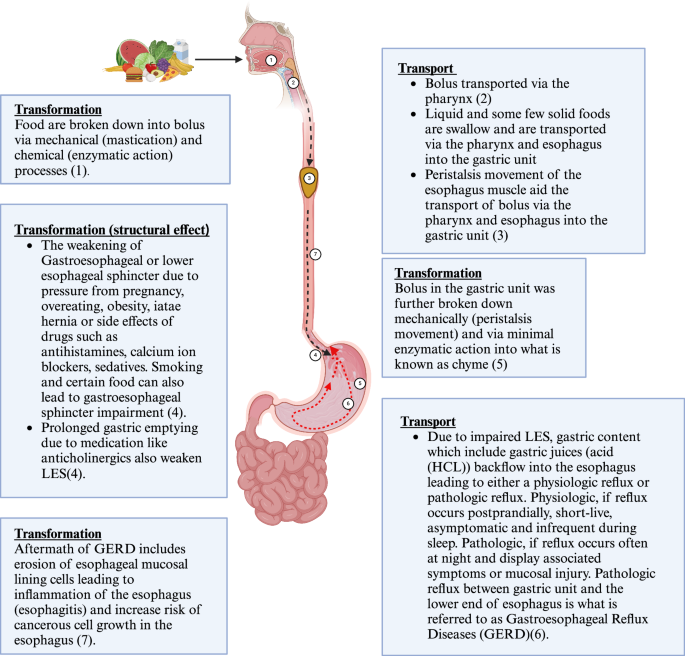 Diagram from a 2025 peer-reviewed study on human starvation metabolic pathways
Key Factors That Change Your Survival Timeline
Survival time without solid food varies drastically between individuals, based on four core factors:
- Age and baseline health: Healthy adults aged 20–50 have the highest survival tolerance, with adequate muscle and fat reserves and no age-related organ decline. Very young children and adults over 65 have far smaller reserves, and may only survive 1 to 3 weeks without solid food even with water access. Pre-existing conditions like diabetes, kidney disease, or heart failure can cut survival time in half, as the body cannot adapt to metabolic shifts as effectively.
- Body composition: As noted earlier, body fat percentage is the strongest predictor of survival time. People with very low body fat (e.g., elite athletes, people with active eating disorders) can experience life-threatening complications in as little as 2 weeks without food. Muscle mass also plays a supporting role, as it provides amino acid reserves for essential organ function.
- Environmental conditions: Extreme heat increases water loss through sweat, cutting survival time by 30–50% even with water access, as you need to drink more to replace lost fluids. Extreme cold increases calorie burn by 20–40% to maintain core body temperature, accelerating fat depletion. High altitude increases oxygen demand and calorie burn, further shortening survival time. Additionally, environmental hazards like wildlife encounters can drain critical energy reserves or cause injury, making survival impossible even with adequate fat stores. If you’re navigating wilderness survival scenarios, prioritizing wilderness hazard mitigation to avoid injury and unnecessary energy expenditure is critical to extending your survival timeline.
- Hydration access: As noted earlier, access to clean water is non-negotiable. Even with perfect health and high body fat, you will not survive more than 7 days without water, regardless of food access.
Verified Real-World Cases of Extended Fasting
Medical records and verified case studies offer real-world insight into human survival limits without solid food: The longest confirmed recorded fast without solid food is 382 days, completed by Angus Barbieri, a 27-year-old Scottish man, in 1965 under strict medical supervision at the University of Dundee. Starting at 456 pounds (207 kg), he consumed only water, tea, coffee, and vitamin supplements for over a year, losing 276 pounds (125 kg) and reaching a healthy weight of 180 pounds (82 kg). His case remains the gold standard for documented extended fasting, but it is critical to note that he was monitored by a team of doctors throughout, and his fast was not self-directed. You can also read our guide on emergency preparedness survival backpack kits. Other notable cases include the 1981 Irish hunger strike, where 10 imprisoned protesters died after fasting for 46 to 73 days. Shockingly, most deaths occurred not from starvation itself, but from refeeding syndrome when they were given solid food too quickly after their fasts ended. This case underscores a little-known fact: refeeding after prolonged fasting is often more dangerous than the starvation itself. For average healthy adults, clinical data confirms a survival range of 30 to 60 days without solid food, provided they have access to clean water and have no severe pre-existing health conditions. There are no verified cases of a healthy adult surviving longer than 70 days without food, even with water access. You can also read our guide on can humans survive a solar flare.
The Dangers of Refeeding After Prolonged Fasting
Refeeding syndrome is a life-threatening condition that occurs when a malnourished person consumes too many calories, particularly carbohydrates, too quickly after a period of starvation. When you eat, your insulin levels spike, driving potassium, phosphate, and magnesium from your bloodstream into your cells, causing dangerous drops in blood levels of these critical electrolytes. This can lead to heart failure, respiratory failure, seizures, and death within hours. Safe refeeding protocols for people who have fasted longer than 7 days include:
- First 24–48 hours: Only consume clear broths, electrolyte solutions, and small sips of water. No solid food, and no sugars or carbohydrates that would spike insulin.
- Days 3–7: Introduce small portions of soft, low-fiber, low-fat foods like cooked vegetables, lean protein, and plain yogurt, eaten every 2–3 hours. Portions should be no larger than the size of your fist.
- Week 2 and beyond: Gradually increase portion sizes and add more complex carbohydrates and healthy fats, but avoid processed sugars, fried foods, and large meals for at least 2 weeks. Refeeding syndrome is a well-documented, life-threatening complication, with CDC clinical guidance outlining safe refeeding protocols for at-risk patients. If you or someone you know is recovering from a period of extreme food deprivation, seek clinical support for extreme fasting to avoid life-threatening complications. In practice, even people who only fasted for 1 to 2 weeks can experience mild refeeding syndrome if they consume a large, high-carb meal immediately after their fast, leading to nausea, fatigue, and heart palpitations. You can also read our guide on how many water barrels survival.
 Visualization of electrolyte shifts during refeeding syndrome, per 2025 clinical nutrition research
Psychological Effects of Prolonged Starvation
Starvation impacts the brain as severely as it impacts the body, with effects that can persist for months after refeeding. After 2 to 3 weeks without solid food, glucose levels in the brain drop significantly, leading to a range of cognitive and emotional changes:
- Cognitive impairment: Reduced concentration, memory loss, slowed decision-making, and impaired judgment are common. This is why people lost in the wilderness often make poor choices like walking away from shelter or failing to signal for rescuers — their brain is unable to process risk effectively.
- Emotional disturbances: Intense irritability, anxiety, depression, and social withdrawal are universal in prolonged starvation. Many people develop an obsessive fixation on food, to the point where it dominates all other thoughts.
- Psychosis: In severe cases, people may experience hallucinations, paranoia, and disorientation, which can lead to life-threatening risk-taking behavior. The good news is that most of these effects are reversible with proper nutrition and refeeding, though severe cases may take 6 to 12 months to fully resolve.
Frequently Asked Questions
How long can a human survive without solid food if they have access to water?
A healthy adult with adequate body fat (15% or higher) and access to clean water can survive 30 to 60 days without solid food. Survival time drops to as little as 2 to 3 weeks for people with very low body fat, pre-existing health conditions, or exposure to extreme environmental stress. You can also read our guide on how did darth maul survive solo.
Is it safe to fast for more than a week without solid food?
No. Fasts longer than 7 days without medical supervision carry serious risks, including refeeding syndrome, electrolyte imbalances, organ damage, and death. Always consult a healthcare provider before attempting any extended fast, especially if you have underlying health conditions.
Can you survive on liquids alone indefinitely?
No. Even nutritionally complete liquid diets are not safe for indefinite use without medical supervision, as they lack fiber, can lead to micronutrient deficiencies, muscle loss, and digestive issues over time. Long-term liquid diets also increase the risk of refeeding syndrome if you ever resume eating solid food.
What is the leading cause of death for people who survive prolonged starvation?
Refeeding syndrome is the leading cause of death for people who survive starvation and then resume eating too quickly. This is far more common than death directly from starvation itself, which is why gradual, monitored refeeding is non-negotiable.
Can children survive as long as adults without solid food?
No. Children have far smaller energy reserves and higher metabolic rates than adults, so they can only survive 1 to 2 weeks without solid food, even with access to water. Elderly adults also have reduced reserves and are at higher risk of life-threatening complications from even short periods of food deprivation.
Final Takeaways
The science of surviving without solid food is clear: water is the single biggest determinant of survival, with dehydration killing far faster than starvation. For healthy adults with access to water, survival time ranges from 30 to 60 days, depending on body fat, health, and environmental conditions. The most shocking takeaway for most people is that refeeding after prolonged fasting is often more dangerous than the starvation itself, with refeeding syndrome claiming lives even in people who only missed a few weeks of meals. Never attempt an extended fast without medical supervision, especially if you have underlying health conditions. If you’re preparing for emergency scenarios where food access may be limited for weeks at a time, prioritize building a comprehensive emergency supply kit with adequate water, water purification tools, and nutrient-dense non-perishable food to avoid needing to fast at all. For wilderness survival scenarios where you may need to forage for food, having durable foraging tools can help you access wild edibles and small game to extend your food supply safely. Staying informed about your body’s limits and the risks of extreme food deprivation is the best way to stay safe in any crisis scenario.