How to Survive Various Animal Attacks the Poke: Essential Tips
Outdoor adventures put you in shared space with wildlife, and while most animals avoid humans, unprovoked attacks do occur every year across hiking trails, coastal waters, and even suburban areas. The "Poke" referenced in this guide refers to a targeted, low-escalation defensive technique: precise, controlled strikes to sensitive areas (eyes, nose, gills, muzzle) only used when an animal is committed to a physical attack and you have no clear escape route. Unlike reckless flailing, the Poke is designed to disorient wildlife without triggering further aggression, giving you critical seconds to flee to safety.
Wildlife management agencies note that the vast majority of attacks are avoidable with proactive precautions, and when encounters do escalate, calm, species-specific responses drastically reduce injury risk. This guide expands on core survival tactics with 2026 best practices, first-aid guidance, and gear recommendations to help you stay safe in any outdoor environment. You can also read our guide on how to survive various animal attacks.
What Is the Poke Method for Animal Attack Survival?
The Poke is not a go-to defensive move for every encounter — it is a last-resort tactic reserved for situations where an animal has already committed to attacking and you cannot retreat to safety. Unlike fighting back with full force, which can trigger a predator’s competitive drive to win a fight, the Poke uses short, sharp jabs to vulnerable soft tissue to cause temporary pain and disorientation, creating an opening to escape.
A common mistake outdoor enthusiasts make is attempting the Poke during a bluff charge (a common behavior in bears and big cats used to scare off intruders). Bluff charges stop short of contact, and reacting with a strike can turn a non-violent encounter into a full attack. Only use the Poke if the animal makes physical contact, or is closing the final few feet of distance with clear predatory intent. Practice the motion with a padded stick in a low-risk environment to build muscle memory, so you can react quickly under stress. You can also read our guide on how to survive animal attacks.
 Cartoon illustration of the Poke method, a low-escalation defensive strike for wildlife encounters
Credit: theageofmiraclesbook.com
High-Risk Animal Encounters and Targeted Responses
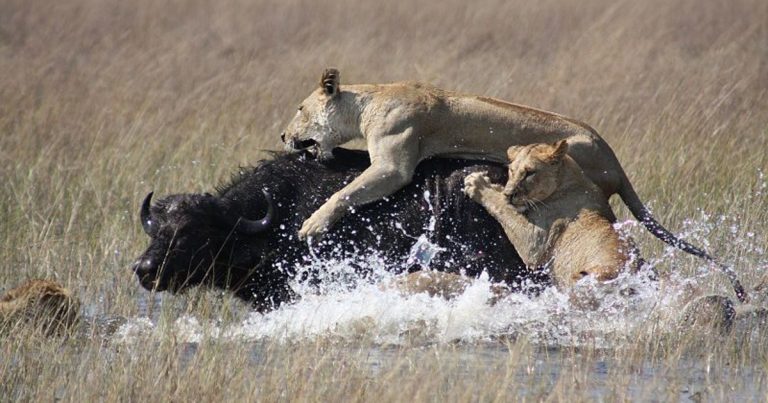
Responses to animal attacks vary drastically by species, and using the wrong tactic can increase your risk of severe injury. Below are evidence-based guidelines for the most common high-risk wildlife, aligned with current U.S. National Park Service wildlife safety guidelines for North American species.
Land Predators (Bears, Big Cats, Wolves)
Land predators are responsible for the majority of fatal unprovoked attacks in North America, but most are defensive rather than predatory. If you encounter a bear or big cat:
- Never run — this triggers a chase response in 90% of predatory encounters. Back away slowly while facing the animal, keeping your voice calm and low.
- For surprise encounters with sows (female bears) with cubs, or defensive charges: stand your ground, raise your arms to appear larger, and speak softly. If the bear makes contact, play dead by lying flat on your stomach with your hands clasped behind your neck, spreading your legs to make it harder to flip you over.
- For predatory attacks (animals stalking you, attacking at night, or targeting isolated hikers): fight back with full force, aiming for the eyes and nose. Black bears are less likely to respond to playing dead, so fighting back is recommended for all black bear encounters.
Wolf attacks are extremely rare, but if a pack acts aggressively, maintain eye contact, back away slowly, and use bear spray if available. Do not turn your back or run. For additional context on species-specific behavioral cues, review our species-specific response protocols guide. You can also read our guide on how to survive an attack by a wild animal book.
Marine Threats (Sharks, Stingrays, Jellyfish)
Unprovoked shark attacks are exceedingly rare (the global average is 6-8 per year), but most occur in coastal waters where sharks hunt seals and fish. To reduce risk:
- Avoid swimming near seal colonies, fishing areas, or at dawn/dusk when sharks are most active.
- Remove shiny jewelry before entering the water, as reflections mimic fish scales.
- If a shark approaches, maintain eye contact, back away slowly toward shore, and avoid splashing. If attacked, use the Poke technique to strike the eyes, gills, or snout — these are the only sensitive areas on a shark, and targeted strikes will usually cause it to retreat.
Stingray and jellyfish stings are far more common than shark attacks. For jellyfish stings, rinse the area with vinegar (not fresh water, which can trigger more venom release) and remove tentacles with a gloved hand. For stingray stings, soak the wound in hot water (110°F/43°C) for 30 minutes to break down venom proteins.
 Great white sharks, the species most often involved in unprovoked attacks, are frequently misidentified as targeting humans
Credit: armycadets.com
Venomous Insects and Arachnids
Bites from venomous spiders, scorpions, and ticks are the most common animal-related injuries in North America. To reduce risk:
- Wear long sleeves and pants when hiking in tick-prone areas, and apply insect repellent with 20% DEET to exposed skin.
- Check your entire body for ticks within 24 hours of returning from the outdoors; prompt removal reduces Lyme disease risk by over 90% per CDC data.
- For spider or scorpion bites, clean the wound with soap and water, apply a cold pack to reduce swelling, and seek medical care immediately if you experience muscle cramps, difficulty breathing, or nausea.
Proactive Prevention: Stop Attacks Before They Start
The most effective way to survive an animal attack is to avoid one entirely. Most wildlife will flee if they detect human presence early, so proactive precautions drastically reduce your risk. You can also read our guide on how to survive animal attacks book.
Pre-Trip Risk Assessment
Before heading into wilderness areas, research local wildlife activity via park service websites or local ranger stations. Many areas post recent bear or mountain lion sightings, and some require bear canisters for food storage. Avoid hiking alone in high-risk areas, as groups of 3 or more people are far less likely to be targeted by predators than solo hikers.
Campsite and Food Safety
Proper campsite hygiene is the single most effective way to avoid nocturnal animal encounters:
- Set up camp at least 100 feet from water sources and animal trails, and store all scented items (toothpaste, deodorant, snacks) in bear-proof lockers or hung 10 feet off the ground, 4 feet out from tree trunks.
- Never keep food or scented items in your tent — even small crumbs can attract rodents, which in turn attract larger predators.
- Clean cooking utensils immediately after use, and pack out all trash, including food scraps and used wipes.
Pet Safety
Off-leash dogs are the leading cause of provoked bear and big cat attacks in North America, per NPS data. If you hike with pets, keep them on a 6-foot leash at all times, and never let them wander ahead of you on trails. If a dog encounters a predator, call it back to you immediately rather than running after it, which can trigger a chase response.
Packing the right supplies is a core part of prevention: review our wilderness-ready supply lists to ensure you have all necessary deterrents and first aid gear before you head out.
Emergency First Aid for Animal-Related Injuries
Even with the best precautions, attacks can happen. Prompt, correct first aid reduces infection risk, limits tissue damage, and can save your life while you wait for emergency services.
Basic Wound Care
For bites, scratches, or lacerations:
- Rinse the wound with clean, running water for at least 5 minutes to flush out dirt and bacteria. Avoid using hydrogen peroxide or rubbing alcohol directly on the wound, as these damage healthy tissue and delay healing.
- Apply gentle pressure with a clean cloth to stop bleeding, then cover with a sterile bandage.
- Monitor for signs of infection (redness, swelling, warmth, pus) over the next 72 hours, and seek medical care if symptoms develop.
Treating Venomous Bites and Stings
If bitten by a venomous snake, spider, or scorpion:
- Stay as still as possible to slow venom spread through your bloodstream. Immobilize the bitten limb with a splint if you have one, and keep it lower than your heart.
- Remove tight clothing or jewelry near the bite site immediately, as swelling can cut off circulation.
- The CDC animal bite treatment recommendations explicitly advise against tourniquets, incision, or sucking venom, as these methods increase tissue damage and infection risk. Note the animal’s size, color, and markings to share with medical providers, and seek emergency care immediately, even if symptoms seem mild at first.
Managing Allergic Reactions
Anaphylaxis from insect stings or animal saliva is life-threatening if untreated. If you have a known severe allergy to animal bites or stings, carry two epinephrine auto-injectors (not just one) at all times, per CDC guidance. If you experience symptoms like difficulty breathing, throat swelling, or hives after an encounter, use your injector immediately and call emergency services. Even mild allergic reactions can worsen rapidly, so seek medical evaluation after any bite or sting if you have a history of allergies.
Essential Gear to Reduce Attack Risk and Injury
The right gear can prevent attacks entirely or limit injury if an encounter escalates. Prioritize these items for any wilderness trip.
Protective Clothing
Thick, loose-fitting layers made of denim, canvas, or leather create a barrier that is difficult for animals to bite or scratch through. Avoid tight synthetic fabrics, which offer little protection. Wear sturdy leather boots that cover your ankles to protect against snake bites and insect stings, and opt for neutral, earth-toned clothing to avoid drawing unnecessary attention from curious wildlife.
Animal Deterrents
Bear spray is the most effective non-lethal deterrent for large land predators: U.S. National Park Service data shows it has a 98% success rate at stopping aggressive bear behavior when used correctly. Carry bear spray in an easily accessible holster (not buried in your backpack) and practice deploying it before your trip so you can use it under stress.
For marine environments, carry a sting prevention suit if swimming in jellyfish-prone waters, and a small air horn to deter sharks. For desert or grassland hikes, a sturdy walking stick can be used to probe tall grass for hidden snakes, and as a tool to perform the Poke technique if needed. For close-quarters defense, invest in certified defensive tools that are legal to carry in your destination region.
First Aid Kits
A well-stocked first aid kit is non-negotiable for any outdoor trip. Beyond standard bandages and antiseptic, include:
- A snake bite splint and compression bandage
- Two epinephrine auto-injectors if you have allergies
- Antihistamines and pain relievers
- A tick removal tool
For a full list of recommended supplies, check our first aid essentials to pack guide. For offline reference, keep a printed copy of field reference guides in your kit in case of limited cell service.
 Casual safety-focused apparel that reminds wearers to stay alert during outdoor activities
Credit: theageofmiraclesbook.com
Frequently Asked Questions
How do I know if a bear is bluff charging or attacking for real?
Bluff charges are fast, stop short of contact, and often include loud huffing or ground slapping. If the bear stops before reaching you, it is warning you to back away. A predatory charge is slow, steady, and silent, and will not stop until contact is made. For predatory charges, fight back immediately with strikes to the eyes and nose.
Can I use the Poke method on any aggressive animal?
No. The Poke is only appropriate for committed attacks where you have no escape route. Using it on a bluff charging animal, curious predator, or animal protecting its young can escalate the situation. For defensive encounters, back away slowly and use deterrents like bear spray or air horns first.
What should I do if I’m bitten by a snake and I’m hours from medical care?
Stay as still as possible, keep the bite lower than your heart, and immobilize the limb with a splint. Do not cut the wound, apply ice, or use a tourniquet. Note the snake’s appearance, and seek medical care as soon as possible. Antivenom is most effective when administered within 4-6 hours of a bite.
Are shark attacks common if I swim in coastal waters?
No. The global average of unprovoked shark attacks is less than 10 per year, and the risk of being bitten by a shark is 1 in 3.7 million, per the International Shark Attack File. Most attacks occur in murky water near seal colonies, so avoiding these areas drastically reduces your risk.
Can I survive a wild dog attack without serious injury?
Yes, if you stay standing and protect your neck and vital organs. Use any available object (backpack, walking stick, jacket) to keep the dog at a distance, and avoid screaming or running, which can trigger a chase. If the dog makes contact, target its eyes and nose with the Poke technique to disorient it, then retreat to a safe, enclosed space. Seek medical care immediately after the encounter to clean wounds and check for rabies exposure.
Final Takeaways for Staying Safe
Surviving animal attacks comes down to three core principles: avoid encounters whenever possible, respond calmly and appropriately to wildlife, and use targeted, low-escalation tactics like the Poke only as a last resort.
Most attacks are preventable with basic awareness: make noise while hiking to avoid surprising animals, store food and scented items properly, and keep a safe distance from all wildlife, even animals that appear calm. If an encounter does escalate, remember that running triggers chase responses in most predators, and playing dead is only appropriate for defensive bear attacks.
Build your skills before you need them: practice deploying bear spray, review species-specific response protocols, and take a basic wilderness first aid course to feel confident in emergency situations. For more in-depth guidance on building a custom emergency supply kit for wildlife encounters, review our complete survival kit packing guide to ensure you’re prepared for any scenario. If you want to test your knowledge in a low-risk virtual environment, try applying these tactics in simulated encounter practice scenarios to build muscle memory before your next trip.