Can Alligators Survive a Hurricane: Nature’s Resilience
Have you ever wondered what happens to alligators when a hurricane hits? You might think these powerful reptiles struggle to survive such fierce storms.
But the truth is more surprising. Understanding how alligators handle hurricanes can change the way you see nature’s resilience. Keep reading to discover how these creatures face the fury of hurricanes—and what it means for their survival and your safety.
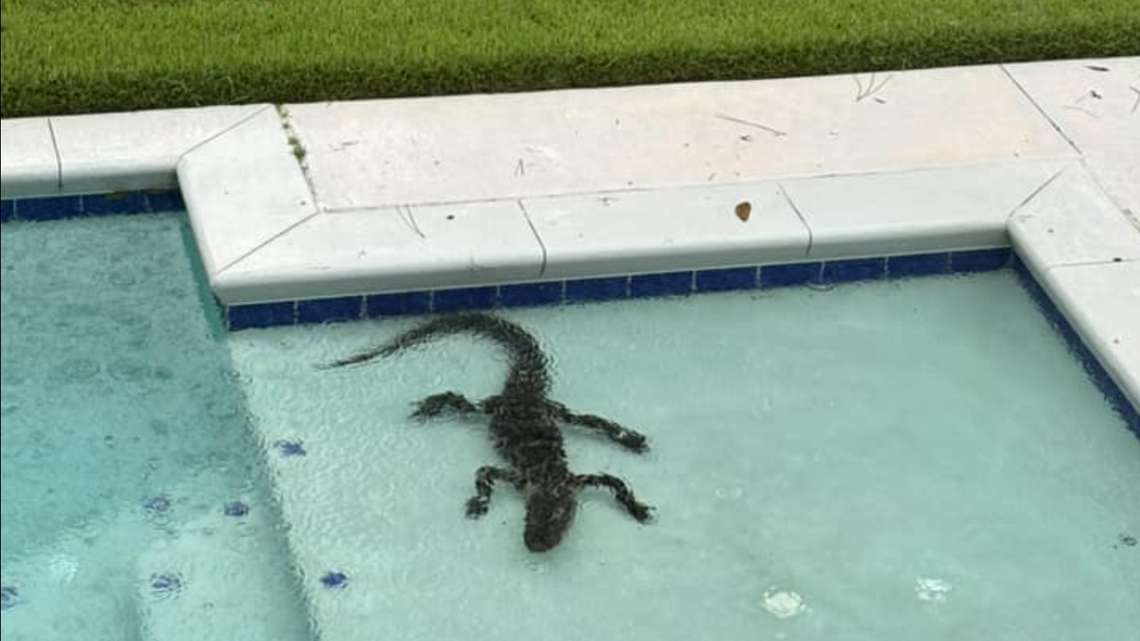
Credit: www.islandpacket.com
Alligator Habitat And Behavior
Alligators live in warm, wet places like swamps and rivers. They need water to stay healthy and safe.
Understanding where alligators live helps us know how they survive storms like hurricanes.
Preferred Environments
Alligators prefer freshwater environments such as ponds, marshes, and slow-moving rivers. They avoid salty water but can tolerate it for short times.
- Freshwater swamps and marshes
- Lakes and slow rivers
- Wetlands with dense vegetation
- Areas with soft mud or sand for digging dens
Adaptations To Wetlands
Alligators have many features that help them live well in wetlands. Their bodies and behaviors protect them from floods and storms.
| Adaptation | Purpose |
| Strong tail | Swims fast to escape danger |
| Nostrils on top of snout | Breathe while mostly underwater |
| Ability to hold breath | Stay underwater for long times |
| Burrowing behavior | Hide in dens during storms |
| Thick skin | Protects from debris and injuries |

Credit: www.reddit.com
Hurricane Impact On Wildlife
Hurricanes bring strong winds and heavy rain that change wildlife habitats. These storms affect animals like alligators in many ways.
Understanding how hurricanes affect ecosystems helps us see the challenges animals face during and after the storm.
Storm Effects On Ecosystems
Hurricanes damage plants and land where animals live. Flooding can wash away food and shelter. Saltwater may enter freshwater areas, changing the environment.
- Trees break or fall, reducing cover for animals.
- Water levels rise, flooding nests and burrows.
- Food sources like fish and plants may become scarce.
- Soil erosion alters the land and water quality.
Survival Challenges For Animals
| Challenge | Impact on Alligators |
| Flooding | Can force alligators to move to new areas. |
| Food Scarcity | Limits hunting options and weakens alligators. |
| Habitat Loss | Reduces safe nesting sites and shelter. |
| Saltwater Intrusion | Affects freshwater health and alligator health. |
Alligators are strong swimmers and can survive floods. They find higher ground or shelter during storms. Still, long-term changes in their habitat affect their survival.
Alligator Survival Mechanisms
Alligators face many dangers during hurricanes. Their survival depends on special skills and body features. These help them stay safe during strong storms.
This article explains how alligators survive hurricanes. It looks at their body traits and actions they take during storms.
Physical Adaptations
Alligators have tough skin that protects them from debris. Their strong tails help them swim fast in rough waters. Their eyes and nostrils sit on top of their heads. This lets them see and breathe while most of the body is underwater.
| Adaptation | Purpose |
| Thick skin | Protects from flying debris |
| Powerful tail | Helps swim against strong currents |
| Top-positioned eyes and nostrils | Allows breathing and seeing while mostly submerged |
| Strong claws | Helps anchor in mud and plants |
Behavioral Responses During Storms
Alligators use smart actions to survive hurricanes. They choose safe places and stay hidden. They may move to higher ground or deep water to avoid danger.
- Seek shelter under large trees or roots
- Move to deep water to avoid flooding
- Stay still to avoid injury
- Use mud dens to protect from wind and water
- Wait out the storm before moving again
Case Studies Of Alligators In Hurricanes
Alligators live in areas prone to hurricanes. These storms bring strong winds and flooding. Scientists study how alligators survive these events.
This article shares examples of alligators during hurricanes. It looks at their history and survival rates.
Historical Hurricane Encounters
Alligators have faced many hurricanes over the years. One famous case was Hurricane Katrina in 2005. Many alligators lived in Louisiana wetlands during the storm.
During Hurricane Andrew in 1992, alligators in Florida showed strong survival skills. They often hid in deep water or burrows. These natural shelters helped them survive floods and winds.
- Hurricane Katrina (2005): Alligators used wetlands to avoid floodwaters.
- Hurricane Andrew (1992): Alligators hid in burrows to stay safe.
- Hurricane Harvey (2017): Alligators survived long floods by resting underwater.
Observed Survival Rates
Research shows alligators have high survival rates in hurricanes. Their ability to hold breath underwater helps them during floods. Many studies report survival rates over 70% after storms.
Scientists tracked alligator populations before and after hurricanes. Most populations remained stable or grew within months. This shows alligators adapt well to hurricane damage.
| Hurricane | Estimated Survival Rate | Notes |
|---|---|---|
| Katrina (2005) | 75% | Wetlands provided shelter |
| Andrew (1992) | 80% | Burrow use helped survival |
| Harvey (2017) | 72% | Long floods, alligators stayed underwater |
Role Of Wetlands In Storm Protection
Wetlands act as natural shields during hurricanes. They absorb strong winds and heavy rain.
These areas help slow down water and reduce flood damage. Many animals, like alligators, live in wetlands.
Natural Buffers Against Hurricanes
Wetlands serve as buffers that protect land from storm surges. They soak up water and lower wave energy.
Plants in wetlands break strong winds and stop soil erosion. This helps keep coastal areas safer.
- Wetlands reduce flood heights
- They slow storm water flow
- Wetland plants stabilize soil
- They provide homes for wildlife
Wetland Conservation Importance
Protecting wetlands helps keep their storm defense strong. Losing wetlands means less protection from hurricanes.
Conservation supports both people and animals. Healthy wetlands reduce damage and help wildlife survive storms.
- Conservation keeps flood protection active
- It preserves animal habitats
- Helps maintain water quality
- Supports natural hurricane defense

Credit: www.thestate.com
Human Impact On Alligator Resilience
Alligators face many challenges during hurricanes. Human actions affect their ability to survive these storms. Understanding these impacts helps protect alligator populations.
This section looks at how habitat loss and conservation efforts change alligator resilience. It explains what humans do that affects their homes and survival chances.
Habitat Loss And Fragmentation
Human development destroys and breaks up alligator habitats. Roads, buildings, and farms reduce safe places for alligators. This makes it harder for them to find food and shelter during storms.
- Wetlands are drained for agriculture and housing.
- Natural water flow changes from dams and canals.
- Fragmented areas isolate alligator groups.
- Pollution harms water quality and food sources.
These changes lower alligators’ chances to survive hurricanes. Smaller, isolated habitats force alligators to move more during storms, which is risky.
Conservation Efforts
Conservation programs help protect alligator homes and improve their survival. These efforts focus on restoring wetlands and limiting harmful human activities.
| Conservation Action | Effect on Alligators |
| Wetland restoration | Creates safe habitats |
| Protected areas | Limits human disturbance |
| Water quality control | Improves food sources |
| Public education | Raises awareness |
These steps help alligators recover after hurricanes. Healthy habitats give them places to hide and hunt safely during storms.
Future Outlook Amid Climate Change
Alligators live in areas prone to hurricanes. Climate change may change how often and how strong storms are.
This affects alligator survival during hurricanes. We look at what the future might hold for them.
Increasing Storm Intensity
Storms are getting stronger with climate change. This means higher winds and more flooding.
Stronger storms can damage alligator habitats and make survival harder for them.
- Stronger winds can destroy nests.
- Flooding can force alligators to move far away.
- Food sources may become scarce after storms.
Adaptation And Survival Prospects
Alligators have lived through many storms. They can swim well and hide in water to stay safe.
They may change where they live or breed to cope with new storm patterns.
- Use deep water to avoid strong winds.
- Build nests in safer places after storms.
- Move to higher ground if needed.
Frequently Asked Questions
Can Alligators Survive Hurricane Conditions?
Yes, alligators can survive hurricanes by seeking shelter in burrows or deep water. Their strong bodies and natural instincts help them withstand storms.
How Do Alligators Protect Themselves During Hurricanes?
Alligators protect themselves by hiding in underwater dens or burrows. These safe spots shield them from strong winds and flooding during hurricanes.
Do Hurricanes Affect Alligator Populations?
Hurricanes can temporarily disrupt habitats but generally don’t harm alligator populations significantly. Alligators are resilient and adapt quickly after storms.
Where Do Alligators Go When A Hurricane Approaches?
Alligators retreat to deep water or underground burrows to avoid hurricane dangers. These areas provide safety from high winds and flooding.
Conclusion
Alligators have strong survival skills during hurricanes. They sense danger and find safe places quickly. Their tough bodies help them endure harsh weather. Flooded areas do not stop them from moving around. Still, hurricanes can cause injuries or stress to alligators.
Nature has made them tough, but not invincible. Understanding their behavior helps us respect these creatures more. Alligators remind us of nature’s power and resilience. They survive, adapt, and continue living after storms pass.