Can Monarch Caterpillars Survive Cold Weather? Surprising Facts Revealed
Have you ever wondered how monarch caterpillars cope when temperatures start to dip? As the chill of winter approaches, these tiny creatures face a daunting challenge.
Their survival seems almost like a delicate dance with nature. Can they really withstand the cold weather, or do they need a helping hand to make it through? By understanding the secrets of their survival, you can play a vital role in supporting these fascinating creatures.
Stick with us as we unravel the mystery of monarch caterpillars and their battle against the cold. You won’t want to miss the surprising facts and simple ways you can help ensure their survival.

Credit: monarchbutterflygarden.net
Monarch Caterpillar Lifecycle
The monarch caterpillar goes through many changes before becoming a butterfly. Each stage is important for growth and survival.
This lifecycle shows how the monarch adapts to its environment and how cold weather affects it.
Stages From Egg To Butterfly
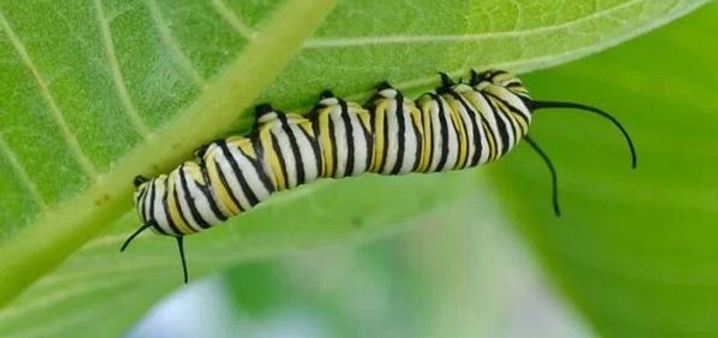
The monarch butterfly starts as a tiny egg laid on milkweed leaves. Then it hatches into a caterpillar that eats and grows fast.
- Egg: Lasts about 4 days before hatching.
- Caterpillar: Grows through five stages called instars.
- Chrysalis: The caterpillar forms a chrysalis to change inside.
- Adult Butterfly: Emerges ready to fly and reproduce.
Growth And Development Timelines
| Stage | Duration | Details |
| Egg | 3-5 days | Laid on milkweed leaves, tiny and round. |
| Caterpillar | 10-14 days | Grows quickly, molts five times. |
| Chrysalis | 8-15 days | Transforms inside the green chrysalis. |
| Adult Butterfly | 2-6 weeks | Flies, mates, and lays eggs. |
Effects Of Cold Weather On Caterpillars
Monarch caterpillars face many challenges during cold weather. Cold can slow their growth and affect survival rates. Understanding how cold affects them helps us protect these important insects.
Caterpillars are cold-blooded animals. Their body temperature depends on the air temperature around them. This makes them very sensitive to cold changes.
Temperature Sensitivity
Monarch caterpillars cannot control their body heat. When temperatures drop, their body functions slow down. This can cause less movement and feeding.
- Below 50°F, caterpillars become very inactive.
- Freezing temperatures can cause cell damage.
- Extended cold can stop growth completely.
- Sudden cold snaps are more dangerous than gradual cooling.
Physical Responses To Cold
Caterpillars show certain physical changes when it is cold. These changes help them try to survive the cold weather.
| Response | Effect |
| Reduced movement | Conserves energy |
| Curling up | Protects vital organs |
| Slower digestion | Less food needed |
| Darkened skin | Absorbs more heat |
Survival Mechanisms In Cold
Monarch caterpillars face cold weather during late fall and early winter. They have special ways to survive low temperatures. These survival mechanisms help them live until spring.
Understanding these strategies shows how nature helps monarchs deal with cold. Their body and behavior change to protect them from freezing.
Behavioral Adaptations
Monarch caterpillars change their behavior to avoid the worst cold. They find safe places to hide where temperatures are warmer.
They often crawl under leaves or inside tree bark cracks. These spots block wind and reduce heat loss. Staying still also saves energy during cold days.
- Hide under thick leaves or bark
- Stay in groups to share warmth
- Reduce movement to save energy
- Choose sheltered places away from wind
Physiological Changes
Monarch caterpillars adjust their bodies to survive cold weather. They produce special chemicals called cryoprotectants that stop ice from forming inside cells.
Their metabolism slows down to use less energy. This helps them survive longer without food. Their body water content also changes to prevent freezing damage.
- Produce cryoprotectants to prevent ice crystals
- Slow down metabolism to save energy
- Change body water levels to avoid freezing

Credit: monarchbutterflygarden.net
Role Of Habitat In Cold Survival
Monarch caterpillars face challenges during cold weather. Their habitat plays a key role in their survival. Different places can protect them from the cold in many ways.
Understanding how habitat affects cold survival helps us learn how these caterpillars stay safe. Two important factors are microclimates and host plants.
Microclimates And Shelter
Microclimates are small areas where the weather is different from the surrounding region. Monarch caterpillars use these spots to find warmth and shelter.
- Leaves and branches block cold winds.
- Thick plants trap heat near the ground.
- South-facing areas get more sunlight.
- Natural debris offers hiding places from frost.
Impact Of Host Plants
Host plants help monarch caterpillars in cold times by providing food and shelter. Some plants protect better than others.
| Host Plant | Cold Protection | Food Availability |
| Milkweed | High – thick leaves and stems | Good |
| Goldenrod | Medium – dense foliage | Moderate |
| Thistle | Low – sparse leaves | Limited |
Comparing Caterpillar And Butterfly Cold Tolerance
Caterpillars and butterflies face cold weather differently. Their survival depends on how well they handle low temperatures. Understanding their cold tolerance helps explain their life cycles and habits.
This article compares the vulnerability of caterpillars and butterflies to cold. It also looks at their ways of migrating and surviving winter.
Differences In Vulnerability
Caterpillars and butterflies have different body structures and behaviors. These differences affect how they survive cold weather. Caterpillars are soft and slow, making them more exposed to frost. Butterflies have wings and can fly to warmer places.
- Caterpillars are more likely to freeze in cold weather.
- Butterflies can escape cold by flying away.
- Caterpillars rely on protective shelters like leaves or bark.
- Butterflies often have stronger metabolism to survive cold spells.
Migration And Overwintering Strategies
Both caterpillars and butterflies use special strategies to survive winter. Butterflies often migrate to warmer areas. Caterpillars usually stay put and enter a resting state. This resting state is called diapause.
| Strategy | Caterpillars | Butterflies |
| Migration | Rarely migrate | Commonly migrate long distances |
| Overwintering | Enter diapause in shelters | Overwinter as adults or pupae |
| Cold Protection | Use antifreeze chemicals | Use flight to avoid cold |
Research Findings On Monarch Cold Survival
Monarch caterpillars face cold weather during certain times of the year. Scientists study how these caterpillars survive low temperatures. Understanding their survival helps protect their species.
Research shows that cold weather affects monarch caterpillars differently than adult butterflies. This research focuses on their biology and behavior in cold conditions.
Scientific Studies
Scientists tested monarch caterpillars in cold environments. They found that most caterpillars cannot survive freezing temperatures. Caterpillars are more vulnerable than adult monarchs.
Studies show caterpillars slow their growth in cold weather. They may stop eating and become inactive. This helps them avoid damage from cold but does not guarantee survival.
- Caterpillars die at temperatures below freezing
- Lower temperatures slow caterpillar development
- Cold affects caterpillar metabolism and movement
Unexpected Discoveries
Researchers found some caterpillars survive brief cold snaps better than expected. Certain microhabitats offer protection from frost. This helps caterpillars avoid freezing during cold nights.
Scientists also discovered that caterpillars produce small amounts of antifreeze proteins. These proteins help reduce ice damage in their bodies. This discovery shows caterpillars have some natural cold defense.
- Microhabitats shield caterpillars from harsh frost
- Antifreeze proteins reduce ice formation in cells
- Survival depends on cold duration and intensity
Implications For Monarch Conservation
Monarch caterpillars face many risks during cold weather. Understanding their survival helps protect these butterflies.
We must look at how climate change and habitat protection affect monarch survival in colder times.
Climate Change Challenges
Climate change causes unpredictable cold spells and warmer winters. These changes confuse monarch caterpillars’ life cycles.
- Early frost can kill young caterpillars
- Mild winters may reduce caterpillar dormancy
- Shifts in plant growth affect food availability
- Extreme weather events increase mortality
Protecting Cold-weather Habitats
Cold-weather habitats are critical for monarch survival during harsh seasons. Protecting these areas supports their life cycle.
| Habitat Type | Protection Need | Impact on Caterpillars |
| Forest edges | Maintain plant diversity | Provides shelter and food |
| Milkweed patches | Prevent pesticide use | Essential food source |
| Overwintering sites | Limit human disturbance | Allows safe hibernation |

Credit: www.reddit.com
Frequently Asked Questions
Can Monarch Caterpillars Survive Freezing Temperatures?
Monarch caterpillars cannot survive freezing temperatures. They are cold-sensitive and need warmth to grow and develop properly.
How Do Monarchs Protect Themselves From Cold Weather?
Monarchs protect themselves by migrating to warmer climates. They seek shelter in trees during cold spells to avoid frost damage.
What Happens To Monarch Caterpillars In Winter?
In winter, monarch caterpillars usually die or enter diapause if temperatures drop too low. Only adult butterflies migrate for survival.
Can Cold Weather Delay Monarch Caterpillar Growth?
Yes, cold weather slows down their metabolism, delaying growth and development. Warmer temperatures are essential for timely progression.
Conclusion
Monarch caterpillars struggle to survive cold weather. They need warmth to grow and stay healthy. Cold temperatures can stop their development or cause death. To protect themselves, they rely on migrating or finding shelter. This helps them avoid harsh conditions.
Understanding their limits helps us support their survival. Watching their journey shows nature’s balance and challenges. Remember, monarchs depend on warm habitats to thrive. Their survival is fragile in cold climates. Keeping habitats safe aids their life cycle. Their story teaches us about nature’s care.