How Do Ducks Survive in a Hurricane: Incredible Survival Tactics Revealed
Have you ever wondered how ducks manage to survive the fierce winds and torrential rains of a hurricane? It’s a question that might have crossed your mind as you watched the news or experienced a storm yourself.
Ducks seem so fragile and small compared to the colossal power of a hurricane. Yet, these resilient creatures have fascinating survival strategies that might surprise you. Imagine the peace of mind you could have knowing how nature equips these birds to withstand such extreme weather.
Understanding this can not only satisfy your curiosity but also inspire a greater appreciation for the natural world around you. Dive into the surprising world of ducks and discover the secrets of their survival. Keep reading, and you’ll find out how these remarkable birds weather the storm.
Credit: www.local3news.com
Ducks And Extreme Weather
Ducks live in many places near water. They face many weather changes every year.
Storms like hurricanes can be very hard for ducks. They use natural skills to survive these events.
Hurricane Impact On Wildlife
Hurricanes bring strong winds and heavy rain. These can destroy homes for many animals.
Wildlife must find safe places to stay during storms. Some animals move to higher ground.
- Flooding can cover nests and food sources.
- Strong winds can injure animals or separate families.
- After storms, food may be hard to find.
Ducks’ Natural Habitat Challenges
Ducks live in wetlands, lakes, and rivers. These areas can flood during hurricanes.
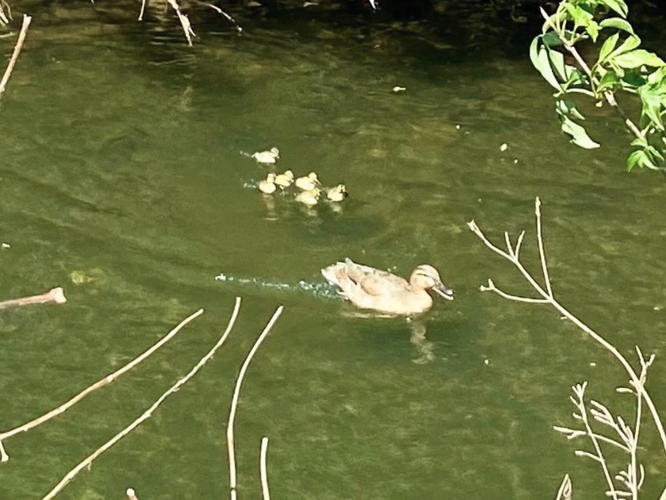
Ducks fly to safe spots and hide in tall plants or trees. They can also float on water to stay safe.
- Ducks use their strong wings to fly away from storms.
- They find shelter in dense bushes or reeds.
- Ducks stay close to water for food after the storm ends.
Physical Adaptations
Ducks have special features that help them survive storms like hurricanes. Their bodies are made to handle strong winds and heavy rain.
These physical traits keep ducks safe and help them move easily through rough weather.
Waterproof Feathers
Ducks have feathers coated with oil. This oil makes their feathers waterproof. It keeps water from soaking their skin.
Waterproof feathers stop ducks from getting cold and heavy in rain. They stay warm and dry during storms.
- Oil glands near the tail produce waterproof oil
- Ducks spread oil on feathers by preening
- Water rolls off their feathers easily
Strong Flight Muscles
Ducks have powerful muscles for flying against strong winds. These muscles help them control their wings well.
Strong flight muscles allow ducks to stay steady and avoid being pushed around by the storm.
- Large breast muscles give strong wing flaps
- Muscle strength helps maintain speed and direction
- Allows quick takeoffs and landings even in rough weather
Streamlined Body Shape
Ducks have smooth, rounded bodies that reduce wind resistance. This shape helps them move easily through storm winds.
Their streamlined form saves energy and helps them stay balanced during hurricanes.
- Sleek bodies cut through wind and water
- Compact shape reduces drag
- Helps ducks stay stable in strong gusts
Behavioral Tactics
Ducks use special behaviors to survive hurricanes. These actions help them stay safe from strong winds and heavy rain.
Understanding these tactics shows how ducks adapt to harsh weather. Their survival depends on smart choices during storms.
Seeking Shelter
Ducks look for safe places to hide during hurricanes. They often find dense bushes or tall grass near water.
These shelters protect ducks from strong winds and flying debris. Staying low helps them avoid injury.
Flight Patterns During Storms
Ducks change how they fly when storms approach. They fly lower and closer to the ground to avoid strong winds.
They also reduce long flights and stay near water. This helps them save energy and stay safe.
Group Coordination
Ducks stick together in groups during hurricanes. This helps them watch out for danger and find shelter faster.
Group flying also reduces wind pressure on each duck. They use teamwork to survive the storm.
Navigational Skills
Ducks use strong navigational skills to survive hurricanes. They find safe places by sensing their surroundings. These skills help them avoid danger and reach shelter.
Understanding how ducks navigate reveals their smart use of nature’s signals. Their methods include using the environment, magnetic fields, and memory.
Using Environmental Cues
Ducks watch the sky, water, and land to guide their flight. They look for landmarks like trees and rivers. These cues help ducks fly in the right direction even in storms.
- Cloud shapes and wind direction show weather changes.
- Sun position helps ducks keep their course.
- Water currents and shorelines act as natural guides.
Role Of Magnetic Fields
Ducks can sense Earth’s magnetic fields to find their way. This ability works like a built-in compass during low visibility. It helps them keep flying straight even in dark storms.
| Magnetic Sense | Function |
|---|---|
| Magnetoreceptors | Detect Earth’s magnetic field |
| Navigation Aid | Guide ducks during long flights |
| Storm Survival | Help avoid disorientation in hurricanes |
Memory And Learning
Ducks remember safe spots and routes from past trips. They learn from experience where to find shelter. Memory helps them repeat successful journeys during bad weather.
- Recall safe wetlands and forests.
- Learn wind patterns and currents.
- Adjust routes based on past hurricane events.
Energy Management
Ducks use energy carefully to survive harsh hurricanes. They balance storing and spending energy well.
Energy management helps ducks stay strong during storms. They prepare before and rest during the hurricane.
Fat Reserves
Ducks build fat reserves to have extra energy. Fat acts as fuel when food is hard to find.
These reserves keep them warm and active. Fat helps ducks survive long hours in bad weather.
Resting Strategies
Ducks rest more during a hurricane to save energy. Staying still uses less power than flying or swimming.
They find safe places like dense bushes or sheltered waters. Rest reduces energy loss and protects them.
Foraging Before Storms
Ducks eat a lot before a storm to fill their energy stores. They know storms are coming by weather changes.
Finding food early helps them survive when food is scarce during the hurricane.

Credit: www.reddit.com
Case Studies
Ducks face many dangers during hurricanes. Scientists study how ducks survive these storms. This helps us understand their behavior and survival skills.
We look at real examples of ducks in recent hurricanes. Experts also share stories of how ducks stay safe. These case studies show the strength of ducks in tough times.
Ducks In Recent Hurricanes
During Hurricane Harvey in 2017, many ducks flew to higher grounds. They avoided flooded areas and strong winds. In Hurricane Florence of 2018, ducks gathered in large groups near wetlands. This helped them stay safe together.
In Hurricane Michael of 2018, some ducks used tree cover for protection. They rested in dense branches until the storm passed. These actions helped them survive the harsh weather.
- Fly to higher places to avoid flooding
- Group together to stay safe
- Use trees and bushes as shelter
Survival Stories From Experts
Wildlife experts say ducks have strong instincts. They sense changes in the weather and move early. One expert shared how ducks leave their nests days before a hurricane.
Another expert observed ducks resting in protected areas during storms. These spots shield them from wind and rain. Experts believe these behaviors are learned over time.
- Ducks sense bad weather early
- They leave nests before storms
- They find safe, sheltered places
- Behavior may be learned from older ducks
Human Impact And Conservation
Ducks face many dangers during hurricanes. Humans affect their habitats and safety. We can help protect these birds and their homes.
Conservation efforts help ducks survive storms. Protecting land and helping wildlife during storms are key actions.
Habitat Protection
Humans destroy many wetland areas where ducks live. Wetlands help ducks find food and shelter from storms. Protecting these areas helps ducks survive hurricanes.
- Limit building on wetland areas
- Restore damaged habitats with native plants
- Create protected reserves for wildlife
- Reduce pollution that harms water quality
Assisting Wildlife During Storms
People can help ducks during hurricanes by following safety plans. Rescue groups prepare to save injured or lost ducks after storms. Volunteers also help clean habitats.
| Action | Description |
| Evacuation shelters | Safe places for wildlife during strong storms |
| Wildlife rescue teams | Groups trained to care for injured animals |
| Habitat cleanup | Removing debris to restore safe living areas |
| Public awareness | Teaching people how to help wildlife during storms |

Credit: www.reddit.com
Frequently Asked Questions
How Do Ducks Protect Themselves During Hurricanes?
Ducks seek shelter in dense vegetation or sturdy trees to avoid strong winds. They stay close to water bodies for quick escape. Their waterproof feathers help keep them dry and insulated. Ducks also reduce activity to conserve energy during storms.
Can Ducks Fly Away From A Hurricane?
Yes, ducks can fly away from hurricanes if conditions allow. They sense changes in weather and often migrate to safer areas. However, strong winds and rain can limit their flight range and ability to escape the storm.
What Adaptations Help Ducks Survive Hurricanes?
Ducks have waterproof feathers that repel water and keep them warm. Their strong legs allow swimming against rough waters. Ducks also have keen senses to detect weather changes early. These adaptations increase their chances of surviving hurricanes.
Where Do Ducks Hide During Hurricanes?
Ducks hide in thick shrubs, tall grasses, or dense reeds near water. These natural shelters protect them from wind and flying debris. Some ducks may seek refuge in sheltered wetlands or low-lying areas to avoid storm impact.
Conclusion
Ducks have natural ways to stay safe during hurricanes. They find shelter in thick bushes or trees. Their strong wings help them hold on tightly. Ducks also stay close to water for food and safety. These simple habits help ducks survive storms.
Nature has made them tough and smart. Watching ducks shows us how life adapts. They remind us to stay calm and prepared too. Understanding ducks helps us respect wildlife more. Survival is about using what you have wisely. Ducks prove that even small creatures can be strong.