Can Crape Myrtles Survive Cold Weather? Essential Tips Revealed
Are you a fan of crape myrtles and wondering if these beautiful trees can withstand the chill of winter? You’re not alone.
Many garden enthusiasts like yourself are curious about how these vibrant blooms fare when temperatures drop. Understanding how crape myrtles react to cold weather is crucial for keeping them healthy and thriving. Imagine having a garden that bursts into color every summer, only to be worried about its survival every winter.
We’ll uncover the secrets to ensuring your crape myrtles not only survive but flourish, even when the thermometer dips. Stay with us, and you’ll discover how to keep your crape myrtles resilient and robust, turning your garden into a year-round spectacle.

Credit: www.thetreecenter.com
Crape Myrtles And Cold Climate
Crape myrtles are popular plants known for their colorful flowers. They grow well in warm climates but can face challenges in cold weather.
Understanding how cold affects crape myrtles helps gardeners protect and grow these plants successfully.
Cold Hardiness Zones
Crape myrtles grow best in USDA hardiness zones 7 to 9. They can survive mild winters in these zones.
In colder zones below 7, crape myrtles may suffer damage or die back during winter. Some varieties are hardier than others.
- Zones 7 to 9: Most crape myrtles survive well.
- Zone 6: Some hardy varieties can survive with protection.
- Zones below 6: Plants often need special care or may not survive.
Impact Of Frost And Freeze
Frost and freezing temperatures can damage crape myrtle leaves and buds. This affects flowering in spring.
Severe freezes can kill branches or even the whole plant. Gardeners should protect young plants in cold weather.
- Frost may cause leaf browning and drop.
- Freeze can kill new growth and flower buds.
- Mulching helps protect roots from cold damage.
- Pruning after frost can remove dead wood.
Signs Of Cold Damage
Crape myrtles can suffer from cold weather damage. Cold harms their leaves, bark, and growth.
Knowing the signs helps you protect and care for your plants better.
Leaf And Bark Symptoms
Cold weather can cause leaves to turn brown or black. Leaves may drop early or look wilted.
The bark can crack or peel after freezing temperatures. You might see dark, sunken spots on stems.
- Browning or blackening of leaves
- Leaf drop before usual time
- Wilted or dry leaf edges
- Cracked or peeling bark
- Dark, sunken spots on branches
Effects On Growth And Bloom
Cold damage can slow new growth in spring. Buds may fail to open or die back.
Fewer flowers may appear, and blooms might be smaller or weak. This reduces the plant’s beauty.
- Slow or stunted new shoots
- Dead or missing flower buds
- Reduced number of blooms
- Smaller and weaker flowers
Preparing Crape Myrtles For Winter
Crape myrtles are beautiful trees that can survive cold weather if prepared well. Taking care of them before winter helps keep them healthy.
This guide shares simple steps to get your crape myrtles ready for cold seasons. Follow these easy tips to protect your plants.
Pruning Techniques
Prune crape myrtles in late fall to remove dead or weak branches. This helps the tree focus energy on strong growth next spring.
- Cut back long stems to shape the tree.
- Remove any crossing branches that may cause damage.
- Thin out the center to improve air flow.
- Avoid heavy pruning to prevent stress on the tree.
Mulching Strategies
Apply mulch around the base of the crape myrtle to protect roots from freezing temperatures. Mulch keeps soil warm and moist.
| Type of Mulch | Benefits |
| Wood chips | Retains moisture and insulates roots |
| Straw | Lightweight and easy to apply |
| Leaves | Natural and adds nutrients as they break down |
| Pine needles | Good for acid-loving plants and prevents weeds |
Watering Tips Before Cold Spells
Water crape myrtles well before the cold weather starts. Hydrated plants handle frost better and recover faster.
- Water deeply to reach the roots.
- Do this a few days before temperatures drop.
- Avoid watering during freezing weather.
- Check soil moisture regularly to prevent dryness.
Protective Measures During Freezing Weather
Crape myrtles can suffer damage in freezing weather. It is important to protect them. Proper care helps the plants survive the cold.
Using simple protective steps can keep your crape myrtles healthy. Covering and shielding from wind are key actions.
Wrapping And Covering Plants
Wrapping crape myrtles helps keep cold air away. Use materials like burlap or frost cloth. Avoid plastic, as it traps moisture and may cause damage.
Cover the whole plant, including branches. Secure the wrap to stop it from blowing off. Remove the covering after the cold passes.
- Use breathable fabric like burlap or frost cloth
- Wrap the plant tightly but gently
- Cover branches and trunk completely
- Secure the wrap with ties or twine
- Remove covering on warmer days
Using Windbreaks And Shelters
Wind can dry and freeze crape myrtles quickly. Setting up windbreaks blocks cold gusts. You can use fences, walls, or planted shrubs as barriers.
Temporary shelters also protect plants. Build simple frames and cover them with fabric. This reduces cold wind exposure and keeps the temperature stable.
- Place fences or walls to block wind
- Use evergreen shrubs as natural windbreaks
- Build temporary shelters with wood frames
- Cover shelters with breathable fabric
- Ensure shelter does not trap moisture
Choosing Cold-resistant Varieties
Crape myrtles are popular for their bright flowers and smooth bark. They usually grow best in warm places. Cold weather can harm them, so picking the right type is important.
Some crape myrtles handle cold better than others. Choosing cold-resistant varieties helps them survive frost and freezing temperatures.
Recommended Cultivars
Some crape myrtle types are known to resist cold well. These cultivars stay healthy and bloom even after winter chills. Here are some you can consider planting.
- ‘Natchez’: Grows tall with white flowers. Can survive colder zones.
- ‘Muskogee’: Has pink blooms and strong cold tolerance.
- ‘Tonto’: Features lavender flowers and resists frost.
- ‘Dynamite’: Bright red flowers, hardy in cooler areas.
- ‘Acoma’: Deep pink flowers, stands up to cold weather.
Breeding For Hardiness
Plant breeders work to make crape myrtles stronger against cold. They cross types that survive winter well with those having good flowers.
| Breeding Goal | Result |
| Cold tolerance | Plants survive frost and freezing temperatures |
| Flower quality | Bright, long-lasting blooms |
| Disease resistance | Less damage from pests and illness |
| Growth habit | Strong structure to resist winter winds |

Credit: landscapedesignbylee.wordpress.com
Post-winter Care
Crape myrtles can face cold damage during winter. Taking care of them after winter helps them grow strong again. This guide explains how to check and support your plants after cold weather.
Proper post-winter care will improve your crape myrtle’s health. Pay close attention to damage and feed it well in early spring.
Assessing Damage
Look for signs of cold damage on your crape myrtle. Damaged branches may look black or shriveled. Check buds and stems for softness or browning. Healthy parts stay firm and green inside.
- Remove any dead or blackened branches with clean pruning tools
- Cut back to healthy wood to avoid disease
- Leave any branches with green tissue intact
- Wait until mid to late spring to prune heavily
Encouraging Recovery
Help your crape myrtle recover by giving it water and sunlight. Avoid overwatering as soggy soil harms roots. Mulch around the base to keep soil warm and moist. Prune lightly to shape and remove dead wood.
Signs your crape myrtle is recovering:
- New buds appear on branches
- Leaves start to grow in spring
- Branches look firm and healthy
Keep watching for pests or diseases during recovery.
Fertilizing For Spring Growth
Fertilize your crape myrtle in early spring to support new growth. Use a balanced fertilizer with equal nitrogen, phosphorus, and potassium. Follow the package instructions for amounts.
| Fertilizer Type | Recommended Use |
| Balanced (10-10-10) | Apply in early spring for overall growth |
| Slow-release | Feeds plant gradually over time |
| Organic compost | Improves soil health and nutrients |
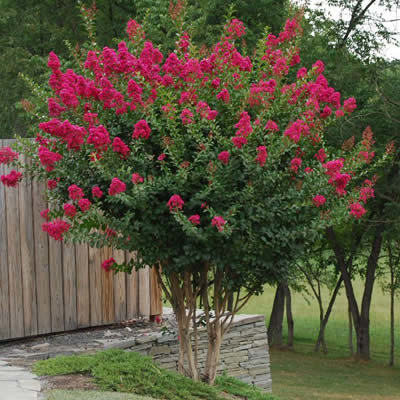
Credit: southerncharmcrapemyrtles.com
Frequently Asked Questions
Can Crape Myrtles Survive Freezing Temperatures?
Yes, crape myrtles can survive mild freezing temperatures. Hardy varieties tolerate cold down to 0°F (-18°C). Protect young plants with mulch during harsh winters to prevent damage.
How To Protect Crape Myrtles From Cold Weather?
Mulch the base with organic material to insulate roots. Wrap trunks with burlap in extreme cold. Prune after winter to remove any frost-damaged branches.
Do Crape Myrtles Die In Harsh Winters?
Crape myrtles rarely die in harsh winters if properly cared for. Cold can cause dieback, but plants typically regrow from the base in spring.
What Is The Cold Hardiness Zone For Crape Myrtles?
Most crape myrtles thrive in USDA zones 7-9. Some cultivars can survive zone 6 with extra winter protection measures.
Conclusion
Crape myrtles can survive cold weather with some care. Protect young plants by covering them during frost. Choose hardy varieties that handle low temperatures well. Prune properly to help plants stay strong through winter. Remember, cold does not always mean the end for these shrubs.
With attention and simple steps, crape myrtles can thrive year after year. Growing them in colder areas is possible and rewarding. Keep these tips in mind to enjoy their beautiful blooms every summer.