What Beach Houses Survive Hurricanes: Ultimate Guide to Resilient Homes
Imagine standing on the serene shoreline, feeling the sand beneath your feet and the ocean breeze on your face. The allure of owning a beach house is undeniable.
But have you ever paused to wonder about the strength of these coastal homes when a hurricane looms on the horizon? Your dream escape should be a sanctuary, not a source of worry. This article will unravel the secrets behind beach houses that withstand nature’s fiercest storms.
You’ll discover the vital features that make some homes resilient, ensuring your investment and peace of mind stay intact. Don’t let uncertainty cloud your coastal dreams. Dive into the insights that could protect your paradise.

Credit: www.realtor.com
Key Features Of Hurricane-resistant Beach Houses
Beach houses face strong winds and heavy rain during hurricanes. Builders use special features to protect these homes. These features help the houses stay safe and last longer.
This guide explains important features that help beach houses survive hurricanes. Understanding these can help you build or choose a stronger home.
Structural Reinforcements
Strong frames keep the house together during storms. Reinforced walls and roofs resist wind pressure. Builders use materials like steel and concrete for strength.
Connections between parts of the house are also strengthened. Nails, bolts, and straps hold the structure tightly. This reduces the chance of damage or collapse.
Impact-resistant Windows And Doors
Windows and doors must stop flying debris from breaking in. Special impact-resistant glass and strong frames help protect the home. These materials absorb or block strong hits.
Storm shutters add extra safety. They cover windows and doors during a hurricane. This layer prevents breakage and keeps water out.
Elevated Foundations
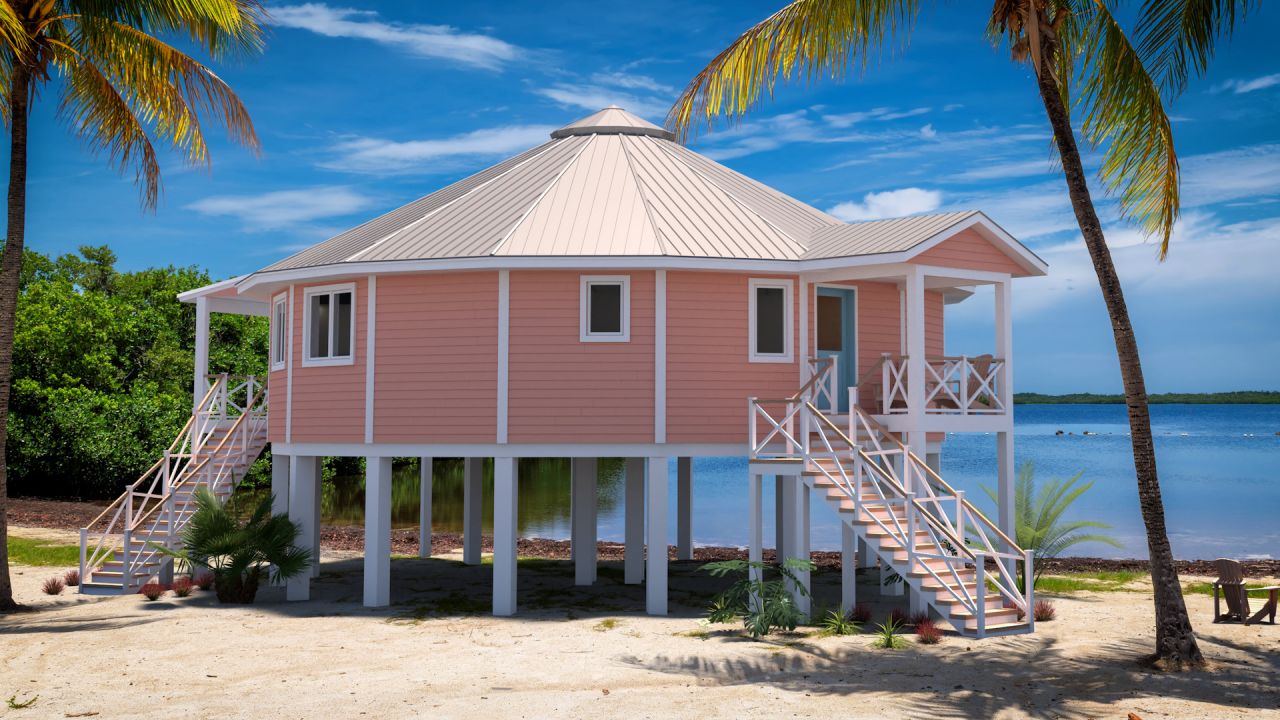
Beach houses are often built on stilts or raised platforms. This keeps the house above floodwaters. Elevation reduces water damage inside the home.
Higher foundations also allow water to flow under the house. This lowers pressure on the structure during storms. It keeps the home safer and drier.
Durable Roofing Materials
Roofing must withstand strong winds and rain. Materials like metal, tile, or asphalt shingles work well. They resist tearing or lifting during a storm.
Proper roof design helps water drain quickly. Roofs with strong attachments to walls prevent blow-offs. This keeps the house protected from rain and wind damage.
Building Materials That Withstand Hurricanes
Beach houses need strong materials to survive hurricanes. The right building materials help resist strong winds and heavy rain.
Choosing durable materials can protect homes and keep people safe during storms.
Concrete And Cement Blocks
Concrete and cement blocks are very strong. They resist wind pressure and flying debris well.
These blocks also do not rot or burn. They provide good protection against water damage.
- High resistance to wind and water
- Fire resistant and durable
- Low maintenance over time
Metal And Composite Panels
Metal and composite panels are tough and light. They can bend without breaking during strong winds.
These panels also resist water and do not get damaged by insects or mold.
- Flexible and strong against wind
- Water and insect resistant
- Easy to install and maintain
Pressure-treated Wood
Pressure-treated wood is wood soaked in chemicals to resist rot and insects. It lasts longer in wet conditions.
This wood is strong enough to hold up during storms if built properly.
- Resists rot and insect damage
- Strong and durable when used correctly
- Needs proper sealing and maintenance
Fiber Cement Siding
Fiber cement siding is made from cement, sand, and cellulose fibers. It is very tough and does not rot.
This siding resists strong winds, water, and fire. It is also low maintenance.
- Highly resistant to wind and water
- Fire resistant and long-lasting
- Low maintenance and durable
Design Strategies For Hurricane Resilience
Beach houses face strong winds and heavy rains during hurricanes. Designing them to resist these forces is essential. Proper design reduces damage and keeps people safe.
This guide covers key design strategies. These help beach houses stand firm against hurricanes.
Aerodynamic Shapes
Houses with rounded or sloped roofs reduce wind pressure. Wind flows smoothly over these shapes. This lowers the risk of roof damage or lifting.
Sharp edges and flat walls catch more wind. This increases the chance of failure. Aerodynamic designs help the structure stay intact.
Minimizing Overhangs And Projections
Overhangs and projections catch strong winds and debris. This can cause damage or collapse. Limiting these features helps buildings resist hurricanes.
- Keep roof overhangs short
- Avoid large balconies or decks
- Use flush windows and doors
- Design smooth exterior walls
Securing Outdoor Structures
Outdoor items can become dangerous during storms. Secure them to avoid harm or damage. Fasten sheds, fences, and furniture firmly.
| Outdoor Structure | Recommended Securement |
| Garden Shed | Anchored to concrete slab |
| Fence Panels | Bolted to strong posts |
| Patio Furniture | Stored indoors or tied down |
| Deck Railings | Reinforced with metal brackets |
Storm Shutters And Protective Barriers
Windows and doors are vulnerable points. Use storm shutters or barriers to protect them. This stops wind and debris from breaking glass.
- Roll-down shutters
- Accordion shutters
- Bahama shutters
- Plywood panels (temporary)
Codes And Certifications For Beach Houses
Beach houses face strong winds and flooding during hurricanes. Building codes and certifications help these homes stand up to storms. They guide how to design and build safer houses near the coast.
Following these rules can protect your home and lower repair costs after a hurricane. Different agencies set standards for construction and inspections.
Local Building Codes
Local building codes set rules for construction in hurricane-prone areas. They include requirements for foundation strength, roof shape, and materials. These codes vary by region but focus on safety and durability.
- Use hurricane straps to secure roofs
- Elevate houses to avoid flood damage
- Install impact-resistant windows and doors
- Follow zoning rules for setback from the shore
Fema Guidelines
The Federal Emergency Management Agency (FEMA) offers guidelines for building in flood zones. They recommend raising the lowest floor above flood levels and using flood-resistant materials. FEMA also provides maps to show flood risks.
| FEMA Requirement | Description |
| Elevation | Lowest floor must be above base flood elevation |
| Flood Openings | Allow water to flow through to reduce pressure |
| Material Use | Use materials resistant to flood damage |
| Utility Placement | Place electrical and HVAC systems above flood level |
Wind-borne Debris Standards
Standards for wind-borne debris protect windows and walls from flying objects during storms. These rules require impact-resistant glass or shutters on openings in high-wind zones.
- Install tempered glass or laminated windows
- Use reinforced doors and garage doors
- Add shutters rated for hurricane impact
- Secure roof edges and corners
Insurance And Inspection Requirements
Insurance companies often require inspections to confirm a house meets codes. They check structural strength, elevation, and window protection. Meeting these rules can lower insurance costs.
- Foundation type and elevation
- Roof attachment and materials
- Window and door impact protection
- Flood vents and drainage systems
Retrofitting Existing Beach Homes
Beach homes face strong winds and flooding from hurricanes. Retrofitting can help these homes stay safe. It involves updating the structure to resist damage.
Making changes to roofs, walls, windows, and utilities can protect your home. Proper sealing also keeps water out during storms.
Reinforcing Roofs And Walls
Strong roofs and walls reduce the risk of collapse. Adding straps and clips ties the roof to the walls tightly. Reinforcing walls with plywood or fiber-cement boards adds strength.
- Install hurricane straps to secure roof framing
- Use impact-resistant sheathing on walls
- Replace old nails with corrosion-resistant screws
- Check and repair any cracks or holes in walls
Installing Impact Windows
Impact windows block flying debris and strong winds. They have thick glass and a strong frame. These windows help keep your home intact and dry.
| Feature | Benefit |
| Double-pane laminated glass | Stops flying debris |
| Heavy-duty frames | Resists wind pressure |
| UV protection | Protects furniture from fading |
| Noise reduction | Makes home quieter |
Elevating Utilities
Raising electrical panels and HVAC systems above flood levels prevents water damage. This keeps utilities working after a hurricane. Elevation can be done using platforms or stilts.
Common utilities to elevate:
- Electric meters and panels
- Water heaters
- Heating and cooling units
- Gas meters
Sealing And Waterproofing
Sealing gaps and cracks stops water from entering the home. Waterproof coatings on walls and foundations add another layer of protection. Proper drainage around the house also helps.
- Use caulk around windows and doors
- Apply waterproof paint or membranes on walls
- Install flood vents for water flow
- Grade soil to slope away from foundation
Credit: weather.com
Technological Innovations In Hurricane Protection
Beach houses face strong winds and flooding during hurricanes. New technologies help protect these homes. They make houses safer and reduce damage.
These innovations focus on smart systems, strong materials, energy efficiency, and backup power. They help homes survive storms better than before.
Smart Home Monitoring Systems
Smart systems watch the house and alert owners about risks. They use sensors to detect water, wind, and structural changes. This helps people act quickly to prevent damage.
- Water leak sensors to spot flooding early
- Wind speed monitors to track hurricane strength
- Structural health sensors to detect cracks or shifts
- Remote alerts sent to phones and devices
Advanced Materials
Modern materials make beach houses stronger and lighter. These materials resist wind, water, and debris. They lower repair needs after storms.
| Material | Benefit |
| Impact-resistant glass | Stops broken windows from debris |
| Fiber-reinforced concrete | Stronger walls against wind pressure |
| Corrosion-resistant metals | Lasts longer near salty ocean air |
| Waterproof sealants | Prevents water leaks and damage |
Energy-efficient Storm Solutions
Energy-efficient designs keep homes powered and safe during storms. They lower energy use and rely on clean power sources. This helps reduce costs and protects the environment.
- Solar panels with battery storage
- LED lighting for lower power use
- Insulated windows to keep heat and cold out
- Smart thermostats to control energy remotely
Emergency Power Backup
Power backups keep essential systems running during outages. They provide electricity for lights, alarms, and communication. Backup systems help families stay safe and connected.
| Backup Type | Key Features |
| Portable generators | Easy to move and start quickly |
| Battery backup systems | Silent and clean power source |
| Whole-house generators | Automatic start and full power supply |
Cost Considerations And Investment Value
Building a beach house that can survive hurricanes requires extra planning and expense. These costs affect the overall investment and long-term value.
Understanding cost factors helps buyers make smart decisions. It also shows how these homes can save money over time.
Initial Construction Costs
Hurricane-resistant beach houses need stronger materials and special designs. These features increase the building price.
Using impact windows, reinforced roofs, and raised foundations adds to the initial cost. Builders also spend more on permits and inspections.
- Stronger framing and materials
- Impact-resistant windows and doors
- Elevated foundations to avoid flooding
- Extra labor for detailed construction
Long-term Savings
Spending more at first can save money later. Durable homes need fewer repairs after storms.
These houses also reduce energy costs with better insulation and design. They last longer, lowering maintenance expenses.
- Less storm damage and repairs
- Lower energy bills
- Reduced maintenance costs
- Longer building lifespan
Insurance Premium Impacts
Insurance companies offer lower rates for homes built to resist hurricanes. Stronger homes mean less risk for insurers.
Owners can save money on premiums by meeting building codes and using certified materials. This makes insurance more affordable.
- Lower insurance premiums
- Discounts for hurricane-proof features
- Better coverage options
- Less chance of claim denial
Resale Value Benefits
Beach houses that survive hurricanes attract more buyers. They keep their value better after storms.
Strong construction and safety features make these homes a smart investment. They sell faster and often for higher prices.
- Higher resale prices
- Faster sales in storm-prone areas
- Appeal to safety-conscious buyers
- Better long-term investment
Case Studies Of Surviving Beach Houses
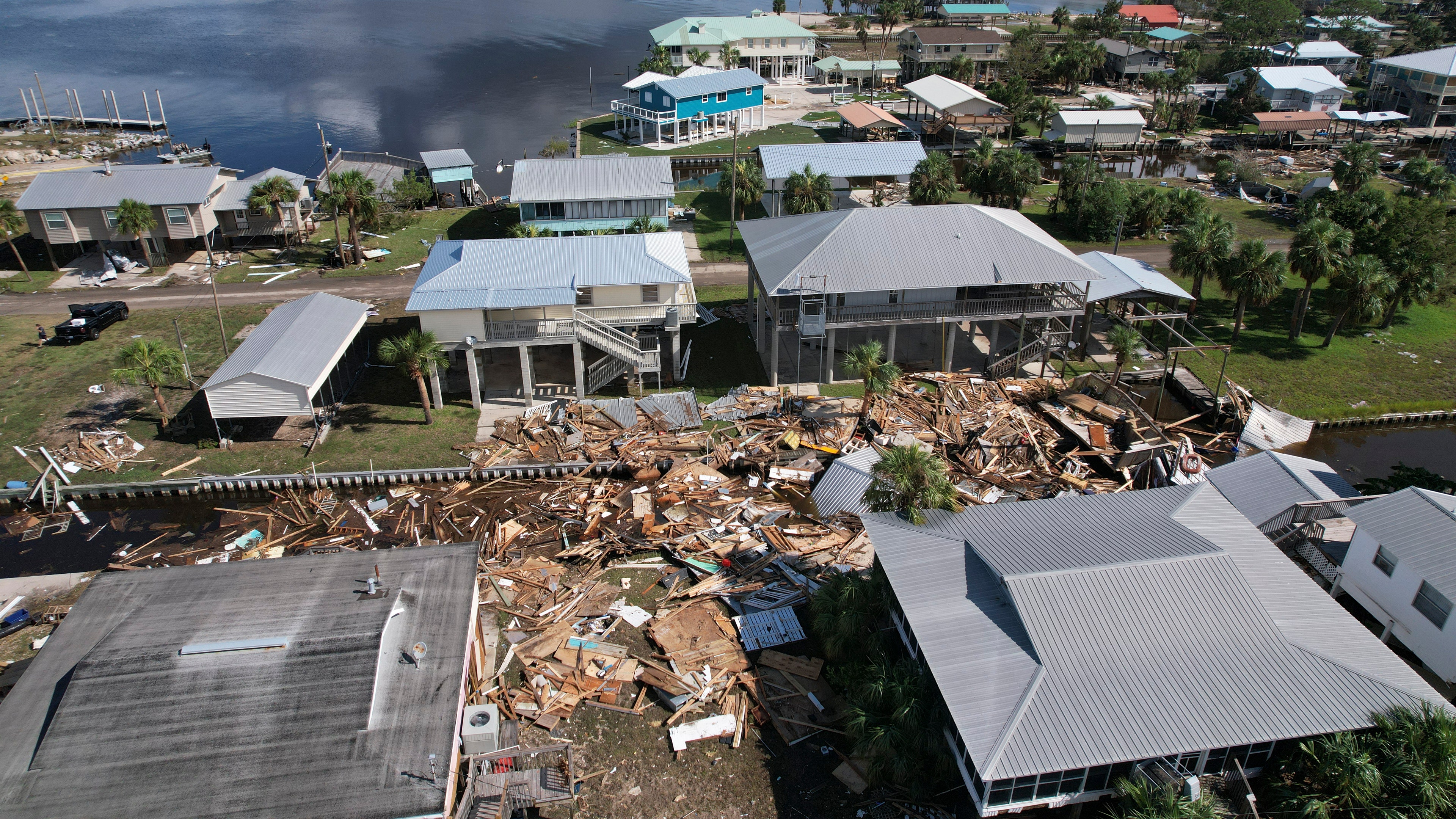
Beach houses face strong winds and flooding during hurricanes. Some homes survive better than others. Studying these homes helps us learn how to build stronger houses.
This article reviews cases of beach houses that withstood major hurricanes. We will look at damage reports and design ideas that help protect these homes.
Homes That Withstood Major Hurricanes
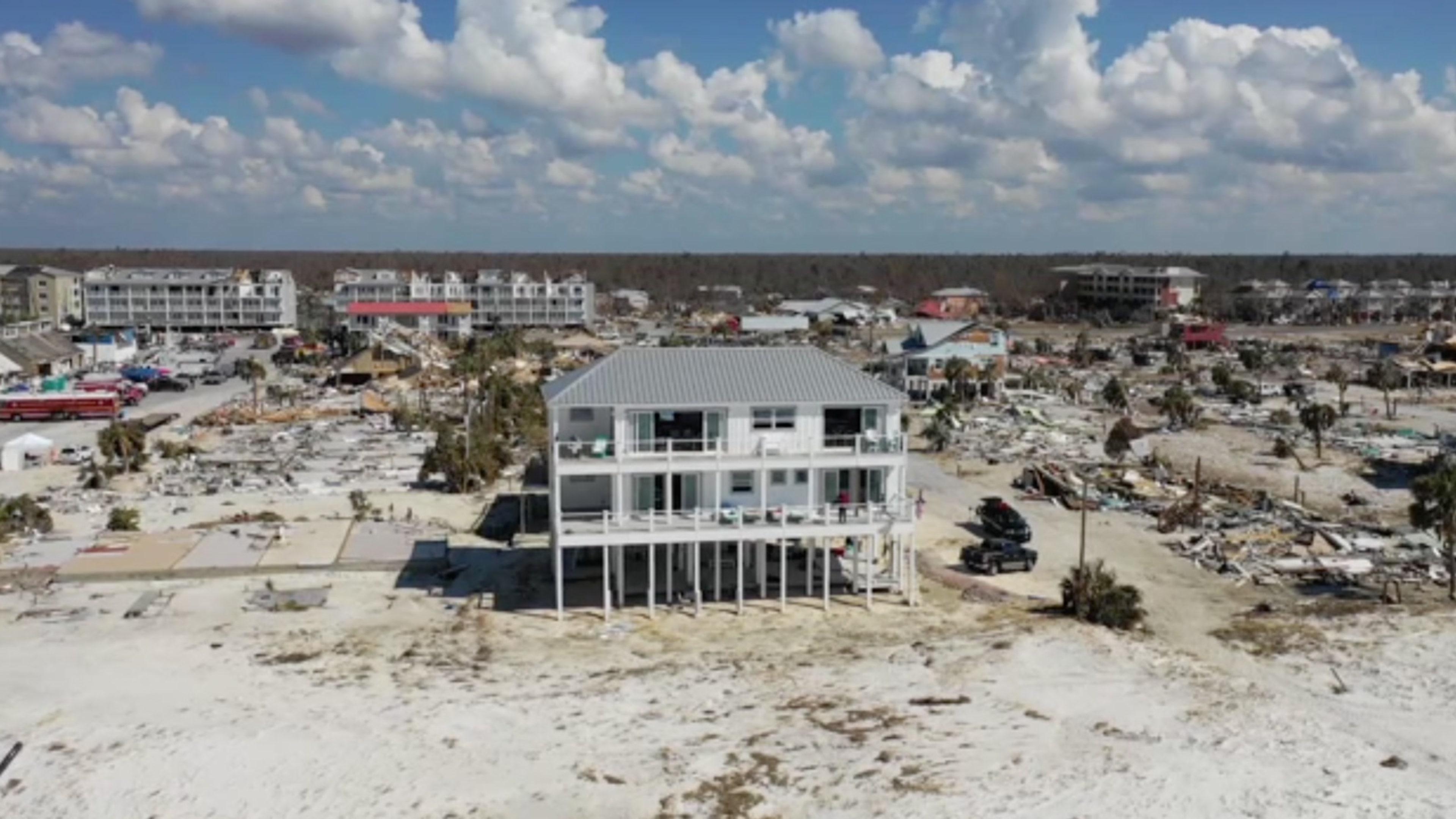
Many beach houses stood firm during hurricanes like Katrina, Irma, and Michael. These homes had strong foundations and used tough materials. Elevated floors kept water damage low.
- Hurricane Katrina: A house in Louisiana stayed intact with concrete pilings.
- Hurricane Irma: Florida homes on stilts avoided flood damage.
- Hurricane Michael: A reinforced steel frame house in Panama City held up well.
- Hurricane Harvey: Raised wooden homes with storm shutters survived floods.
Lessons Learned From Damage Reports
Damage reports show common reasons why some beach houses fail. Roof uplift and foundation washout cause the most destruction. Wind-driven debris breaks windows and walls.
| Damage Type | Main Cause | Preventive Measure |
| Roof Uplift | Strong Winds | Use hurricane straps and clips |
| Foundation Washout | Flooding | Build on deep pilings |
| Window Breakage | Flying Debris | Install impact-resistant glass |
| Wall Failure | High Winds | Reinforce walls with bracing |
Innovative Designs In Practice
Architects use new ideas to make beach houses stronger. Designs include breakaway walls and flood vents. These allow water to flow without damaging the structure.
- Elevated living areas above flood levels
- Breakaway lower walls that detach safely
- Storm shutters for all windows and doors
- Use of corrosion-resistant materials
- Reinforced roof connections with metal ties
Credit: weather.com
Frequently Asked Questions
What Materials Make Beach Houses Hurricane-resistant?
Beach houses built with reinforced concrete, steel frames, and impact-resistant glass best withstand hurricanes. These materials resist strong winds and flying debris, minimizing damage during storms.
How Does Elevation Help Beach Houses Survive Hurricanes?
Elevating beach houses on stilts or pilings prevents floodwaters from entering living spaces. This reduces water damage and increases the structure’s resilience during storm surges.
Are Roof Designs Important For Hurricane-proof Beach Houses?
Yes, roofs with hip designs and strong connections reduce wind uplift. Proper roofing materials and secure attachments help beach houses endure hurricane-force winds.
Can Landscaping Improve A Beach House’s Hurricane Survival?
Strategic landscaping with wind-resistant plants and barriers can reduce wind speed near the house. This helps protect the structure by minimizing debris impact and wind pressure.
Conclusion
Strong beach houses stand firm against hurricane winds and water. Building with sturdy materials and proper design helps protect homes. Elevation above flood levels reduces damage from storm surges. Roofs with secure attachments keep structures intact during strong gusts. Windows and doors designed to resist impact prevent leaks and breaks.
Choosing the right location also plays a key role in survival. Preparing and maintaining these features increases a beach house’s chance to endure. Safe homes mean peace of mind for families and communities. A well-built beach house is worth every careful step taken.