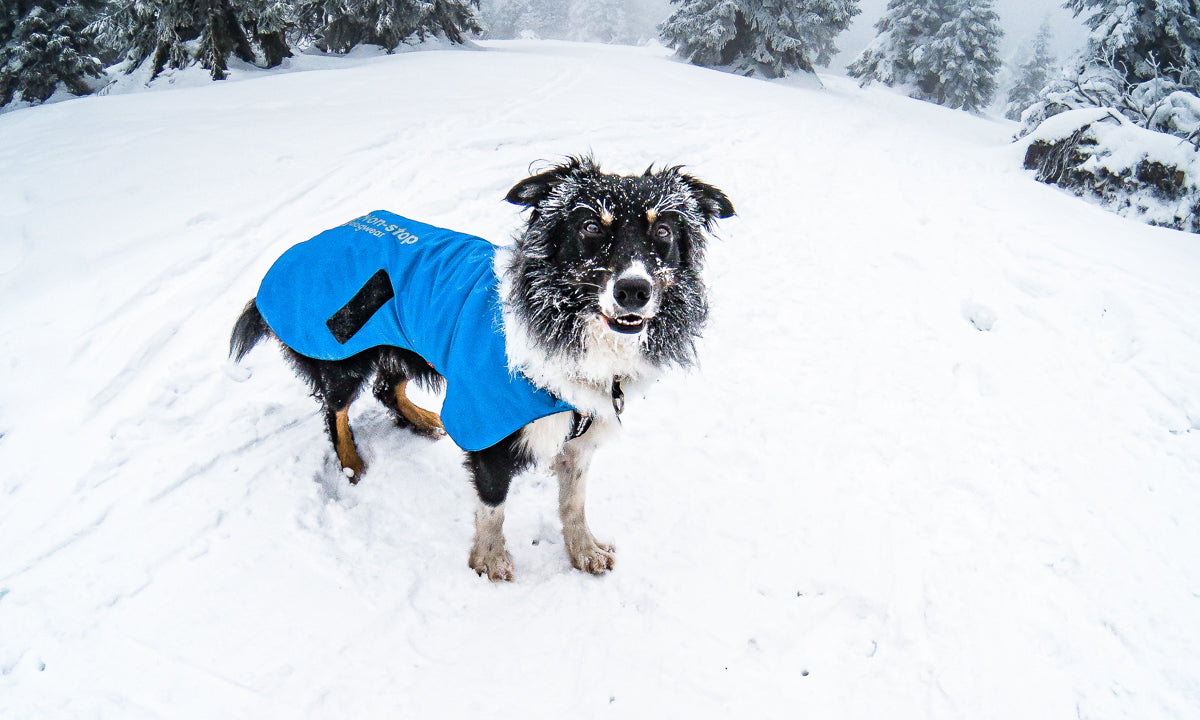
Can a Small Dog Survive Cold Weather: Essential Tips for Safety
Are you worried about your small dog facing the chilly bite of winter? As a devoted pet parent, you want to ensure your furry friend is safe and comfortable, no matter the weather.
Understanding how cold weather affects small dogs is crucial for their well-being. This article will uncover the secrets to helping your petite pooch thrive during the cold months. Imagine the peace of mind you’ll have, knowing your dog is cozy and protected from the freezing temperatures.
Dive in to discover the essential tips and tricks that will keep your little companion happy and healthy all winter long.
Credit: theonlinedogtrainer.com
Small Dogs And Cold Weather Risks
Small dogs face many challenges during cold weather. Their size makes it harder to stay warm.
Knowing the risks helps owners protect their pets better in winter months.
Why Small Dogs Are Vulnerable
Small dogs have less body fat and a thin coat. This reduces their natural insulation.
- Small size means they lose heat faster.
- Short fur offers little protection from cold winds.
- Lower body fat means less warmth stored inside.
- They may tire quickly in cold conditions.
- Some breeds have health issues that worsen in cold weather.
Common Cold-related Health Issues
Cold weather can cause serious health problems for small dogs. Owners must watch for signs and act quickly.
| Health Issue | Symptoms | Prevention |
| Hypothermia | Shivering, weakness, slow breathing | Keep dogs warm and dry |
| Frostbite | Cold, pale skin, swelling | Avoid long exposure to cold |
| Arthritis Flare-ups | Stiffness, limping | Provide warm resting areas |
| Respiratory Problems | Coughing, difficulty breathing | Limit time outdoors in cold air |
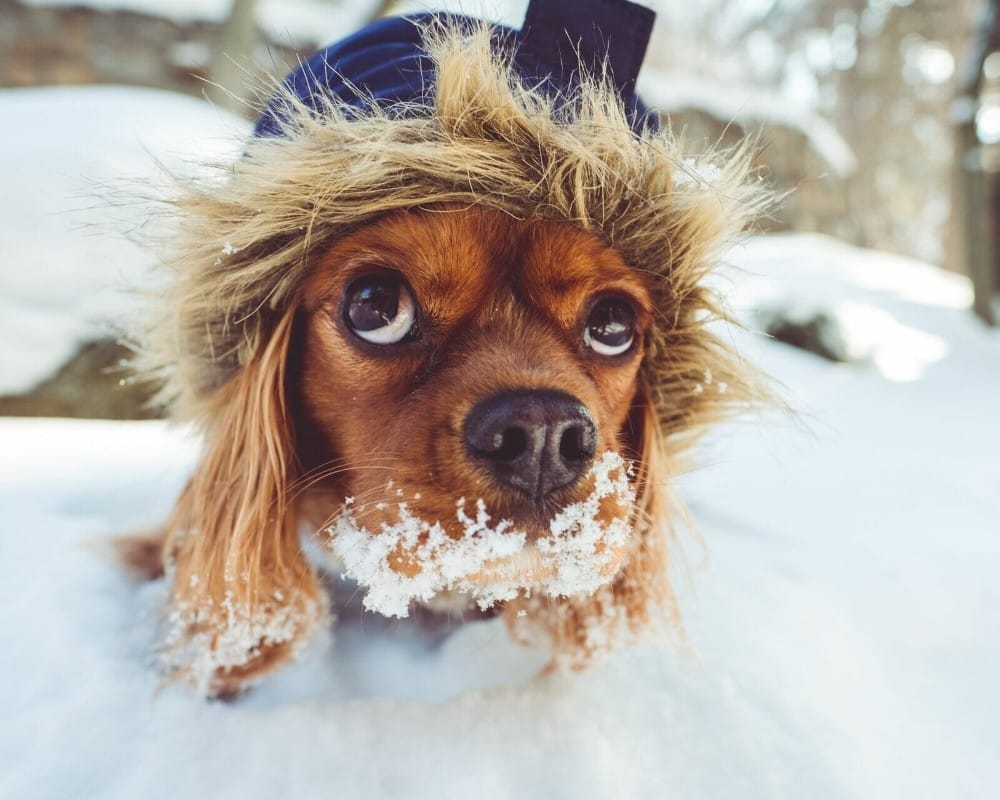
Credit: www.thisdogslife.co
Recognizing Signs Of Cold Stress
Small dogs are more sensitive to cold weather than larger dogs. It is important to watch for signs of cold stress early. This helps keep your dog safe and healthy.
Cold stress affects how your dog acts and how their body feels. Learn to spot these signs to protect your pet during cold days.
Behavioral Indicators
Behavior changes are the first signs that your dog might be too cold. Pay attention to how your dog moves and reacts.
- Your dog may shiver or shake often.
- They might try to hide or find warm places.
- Reluctance to go outside for walks is common.
- Whining or barking more than usual can show discomfort.
- Slower movements or stiffness may appear.
Physical Symptoms To Watch
Physical signs show how the cold affects your dog’s body. Check these signs if you suspect cold stress.
| Symptom | Description |
| Cold ears and paws | Feel unusually cold or blue-tinged |
| Slow breathing | Breathing becomes shallow or slower |
| Weakness | Difficulty standing or walking |
| Frostbite | Skin appears pale, hard, or blistered |
| Hypothermia | Low body temperature causes lethargy |
Preparing Your Small Dog For Winter
Small dogs can feel the cold more than big dogs. Their tiny bodies lose heat fast. You must help them stay warm and safe in winter.
Getting ready means choosing the right clothes and shelter. These steps protect your dog from cold weather problems.
Choosing The Right Clothing
Small dogs need extra layers to keep warm. Clothes should fit well and cover the body. Avoid tight or loose outfits that cause discomfort.
Look for coats made from water-resistant and insulated materials. Sweaters and booties can add more warmth. Dress your dog for walks and outdoor time.
- Pick clothes that cover the chest and belly
- Use soft, stretchy fabrics to avoid rubbing
- Choose waterproof coats for rainy or snowy days
- Protect paws with dog booties to stop frostbite
- Check clothes often to keep your dog comfy
Safe Shelter Options
Small dogs need a warm, dry place to rest outside. If your dog stays outdoors, provide a shelter that blocks wind and rain. Insulate the shelter with blankets or straw.
Keep the shelter off cold floors and away from drafts. Make sure it is just big enough to hold your dog. Too much space is hard to keep warm.
- Use a dog house with insulated walls
- Place the shelter in a sunny, sheltered spot
- Add warm bedding like blankets or straw
- Check the shelter regularly for dampness or damage
- Bring your dog inside if the weather is very cold
Outdoor Safety Practices
Small dogs can struggle in cold weather. Their tiny bodies lose heat fast. Owners must keep them safe outside.
Taking simple steps helps protect small dogs from cold dangers. Safety practices focus on warmth and comfort.
Limiting Exposure Time
Small dogs should not stay outside too long in cold weather. Their small size means they get cold quickly.
Short, frequent breaks outdoors are better than one long walk. Watch for signs your dog feels cold.
- Keep walks under 15 minutes in very cold weather
- Bring your dog inside if it shivers or lifts paws
- Dress your dog in a warm coat or sweater
- Provide a warm shelter if your dog stays outside
Protecting Paws From Ice And Salt
Ice and salt on sidewalks can hurt small dog paws. Ice can cut pads, salt causes irritation.
Use paw protection to keep your dog’s feet safe and healthy during winter walks.
- Apply dog booties before going outside
- Use paw wax to create a protective barrier
- Wipe paws with a damp cloth after walks
- Check paws for cracks, redness, or bleeding
- Avoid walking on salted roads when possible
Indoor Care During Cold Months
Small dogs can feel very cold during winter. They need extra care indoors to stay safe and warm.
Keeping your small dog comfortable inside helps prevent illness and keeps them happy.
Maintaining Warmth Indoors
Keep your home warm and cozy for your small dog. Avoid drafts near their resting area.
Use soft blankets or a heated pet bed. Make sure their sleeping spot is away from cold floors.
- Place beds in sunny spots during the day
- Use pet-safe heating pads if needed
- Dress your dog in warm sweaters for extra warmth
Nutrition And Hydration Tips
Small dogs burn more energy in cold weather. Feed them nutritious food to keep their energy up.
Make sure your dog drinks plenty of fresh water. Warm water can be easier for them to drink.
- Provide balanced meals rich in protein and fat
- Offer warm broth as a treat or supplement
- Check water bowl often to keep it full and clean
Emergency Measures And Vet Care
Small dogs can struggle in cold weather. Their size makes it hard to keep warm. Owners need to act fast if their dog feels cold or sick.
Knowing emergency steps and when to see a vet can save your dog’s life. Learn how to help your dog in cold weather emergencies.
When To Seek Veterinary Help
Watch for signs your dog needs a vet right away. If your dog shivers uncontrollably or seems weak, get help.
Other signs include pale gums, slow breathing, or loss of consciousness. These can show serious cold injury or illness.
- Constant shivering or shaking
- Weak or slow movements
- Pale or blue gums
- Slow or shallow breathing
- Unresponsiveness or fainting
- Severe lethargy or confusion
First Aid For Hypothermia
Hypothermia happens when your dog’s body gets too cold. Warm your dog slowly and gently to help.
Use blankets or warm towels. Avoid hot water or heat sources that can burn your dog’s skin.
- Bring your dog indoors to a warm place
- Wrap your dog in dry blankets or towels
- Use warm (not hot) water bottles wrapped in cloth
- Offer warm water to drink if your dog is awake
- Keep your dog still and calm
- Get veterinary care as soon as possible

Credit: kennelkitchen.com
Frequently Asked Questions
Can Small Dogs Handle Cold Weather Well?
Small dogs struggle with cold due to less body fat and smaller size. They lose heat quickly, so extra care is needed. Providing warm clothing and limiting outdoor time helps them stay safe in cold weather.
What Are Signs A Small Dog Is Cold?
Shivering, whining, slow movements, and seeking warmth are signs your small dog is cold. Pale or blue gums also indicate low body temperature. Monitor closely and bring them indoors if these symptoms appear.
How Can I Keep My Small Dog Warm Outside?
Use dog sweaters or jackets designed for small breeds. Limit outdoor exposure during extreme cold. Provide insulated bedding and shelter if they must stay outside. Regular exercise helps maintain body heat.
Are Some Small Dog Breeds More Cold-resistant?
Yes, breeds like Chihuahuas and Dachshunds are less cold-tolerant due to thin coats. Breeds with thicker fur, like Pomeranians, handle cold better. Knowing your dog’s breed traits helps in providing proper winter care.
Conclusion
Small dogs can live in cold weather with the right care. Keep them warm with coats and blankets. Limit their time outside during freezing days. Watch for signs of cold stress like shivering or lethargy. Provide cozy spots indoors for rest and warmth.
Proper food and hydration help maintain their energy. Every dog is different; know your pet’s needs. Cold weather is tough, but small dogs can manage. Care and attention make all the difference. Your small dog can stay safe and happy this winter.


