How to Survive During a Hurricane: Essential Life-Saving Tips
When a hurricane is on the horizon, you might feel a surge of anxiety. The thought of powerful winds and relentless rain is enough to make anyone uneasy.
But fear not; you can take control of the situation. By learning how to survive during a hurricane, you can protect yourself and your loved ones. Imagine the peace of mind you’ll have knowing you’re prepared for whatever Mother Nature throws your way.
This guide is designed to give you practical steps and essential tips to keep you safe and sound. Don’t let uncertainty keep you in the dark. Dive into this article, and empower yourself with the knowledge you need to face the storm with confidence.
Preparing Before The Storm
Hurricanes can cause serious damage. It is important to get ready before the storm arrives.
Being prepared helps keep you and your family safe during a hurricane.
Building An Emergency Kit
Gather supplies that you will need if the power goes out or you cannot leave your home.
Your emergency kit should have basic items to last at least three days.
- Water – one gallon per person per day
- Non-perishable food
- Flashlight with extra batteries
- First aid kit
- Medications and important documents
- Portable phone charger
- Whistle to signal for help
Securing Your Home
Protect your house to reduce damage during high winds and heavy rain.
Take steps to make your home stronger and safer before the hurricane hits.
- Cover windows with storm shutters or plywood
- Secure loose outdoor items or bring them inside
- Trim trees and remove dead branches
- Check and clean gutters and drains
- Reinforce doors and garage doors
Creating A Family Communication Plan
Make sure everyone in your family knows how to stay in touch during a hurricane.
Plan where to meet and who to call in case you get separated.
- Choose an out-of-town contact person
- Share emergency phone numbers with all family members
- Decide on a safe meeting place
- Keep phones charged and have backup batteries
Knowing Evacuation Routes
Learn the safest ways to leave your area if local officials tell you to evacuate.
Have more than one route planned in case roads are blocked or crowded.
- Find official evacuation routes on local government websites
- Plan how to get to a shelter or safe location
- Keep your car fueled and ready to go
- Know where to find emergency services along your route
During The Hurricane
Hurricanes can cause strong winds and heavy rain. It is important to stay calm and follow safety rules. This guide helps you stay safe during the storm.
Focus on protecting yourself and your family. Keep updated with the latest information and avoid risks.
Staying Indoors Safely
Stay inside your home or a strong building. Close all windows and doors. Stay away from glass and skylights. Find a small, windowless room on the lowest floor to take shelter.
Avoiding Flooded Areas
Floods can be very dangerous. Do not walk, swim, or drive through flooded areas. Water may hide sharp objects or strong currents. Stay on high ground and follow evacuation orders if given.
- Do not cross flooded roads
- Stay away from moving water
- Keep children and pets safe from floodwater
- Report dangerous flood conditions to authorities
Monitoring Weather Updates
Use a battery-powered radio or your phone to get weather reports. Check official sources like the National Weather Service. Keep alerts on for emergency news and instructions.
| Source | How to Access |
| National Weather Service | Radio, TV, Internet |
| Local News | TV, Radio, Online |
| Emergency Alert Apps | Smartphone |
| NOAA Weather Radio | Special Radio Device |
Handling Power Outages
Power may go out during a hurricane. Use flashlights instead of candles to avoid fire. Keep your phone charged and limit use. Turn off appliances to prevent damage when power returns.
Power Outage Tips:
- Have extra batteries ready
- Keep refrigerator and freezer doors closed
- Use generators outdoors only
- Stay warm with blankets and warm clothes
After The Hurricane
After a hurricane passes, it is important to stay safe and act carefully. Many dangers remain even when the storm is over.
Knowing what to do next helps protect you and your family during this difficult time.
Assessing Damage Safely
Check your property only when it is safe. Wait for official announcements before going outside.
Wear sturdy shoes and gloves to protect yourself from sharp debris or broken glass.
- Look for damaged power lines and stay away
- Do not enter flooded buildings
- Use a flashlight instead of candles for light
Avoiding Hazardous Areas
Stay clear of places that may still be dangerous. Roads, bridges, and flooded areas can hide risks.
Do not drive or walk through floodwaters. Water can hide sharp objects or strong currents.
- Keep away from fallen trees and power lines
- Do not enter buildings with structural damage
- Watch for animals or insects that may have moved in
Accessing Emergency Services
Call emergency services if you or others need help. Use your phone only for urgent calls.
Listen to local news and follow instructions from authorities. They provide updates on shelters and aid.
- Report injuries or trapped people quickly
- Use text messages if phone lines are busy
- Visit nearby shelters if your home is unsafe
Preventing Illness And Injuries
Keep clean to avoid sickness. Use clean water for drinking and washing.
Watch for signs of illness or injury. Seek medical help when needed.
- Wash hands often with soap
- Cover cuts and wounds with clean bandages
- Do not eat food that looks spoiled
- Stay hydrated and rest as much as possible

Credit: www.onenassau.com
Special Considerations
During a hurricane, some people and animals need extra care. Planning ahead helps keep everyone safe.
Focus on children, pets, neighbors who need help, and mental health. Each has special needs during storms.
Caring For Children And Pets
Children may feel scared during a hurricane. Explain what is happening in simple words.
Keep pets inside and have their food, water, and medicine ready. Make a safe space for them.
- Bring favorite toys or blankets for comfort
- Have extra pet supplies packed and easy to reach
- Never leave pets outside during the storm
Helping Vulnerable Neighbors
Some neighbors may need help preparing or evacuating. Check on elderly or disabled people early.
Offer rides or help with supplies if you can. Share important weather updates with them.
- Keep a list of neighbors who may need assistance
- Coordinate with local community groups for support
- Respect their privacy but stay ready to help
Managing Mental Health
Hurricanes can cause stress and fear. Take breaks to breathe and stay calm.
Talk about your feelings with family or friends. Keep routines if possible to feel safe.
- Practice deep breathing or simple exercises
- Limit watching storm news to avoid overload
- Ask for help from professionals if feeling overwhelmed
Long-term Preparedness
Preparing for a hurricane helps keep you safe for a long time. It means making your home stronger and having supplies ready.
This guide shows how to make your home safe, build support with others, and store important items.
Improving Home Resilience
Strong homes protect your family during storms. Fix weak spots and protect windows and doors.
- Install storm shutters on windows
- Reinforce your roof with hurricane straps
- Seal doors and windows to stop water leaks
- Clear gutters and drains of debris
- Trim trees away from your house
Building Community Support
Neighbors can help each other during hurricanes. Build a team to share information and supplies.
| Action | Benefit |
| Create a neighborhood phone list | Easy contact during emergencies |
| Organize local safety meetings | Share tips and plan help for each other |
| Set up a supply sharing system | Access extra resources when needed |
Storing Essential Supplies
Keep important items ready to use during and after a hurricane. Store them in a safe, dry place.
- Water: at least one gallon per person per day for seven days
- Non-perishable food: canned goods and dry snacks
- First aid kit: bandages, medicine, and antiseptics
- Flashlights and extra batteries
- Portable phone charger
- Important documents sealed in waterproof bags
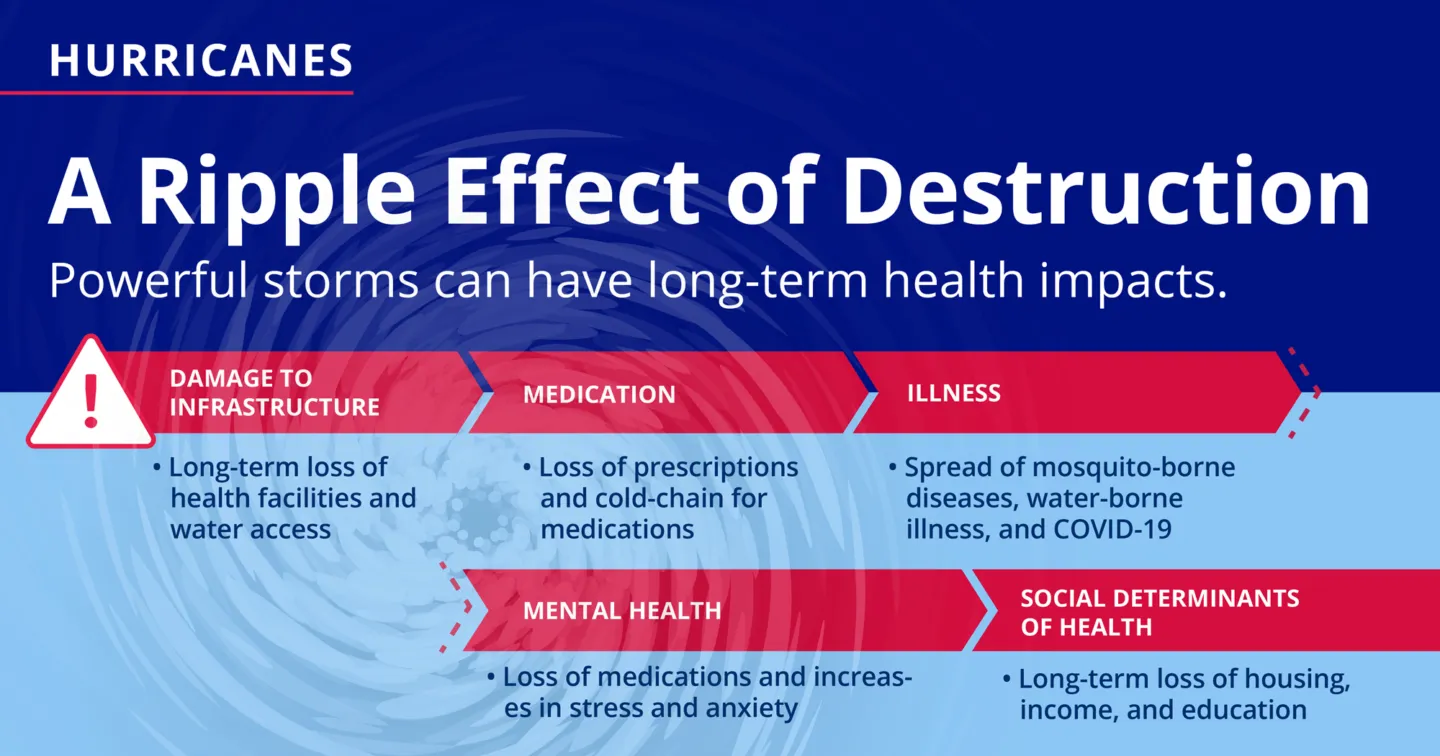
Credit: www.projecthope.org
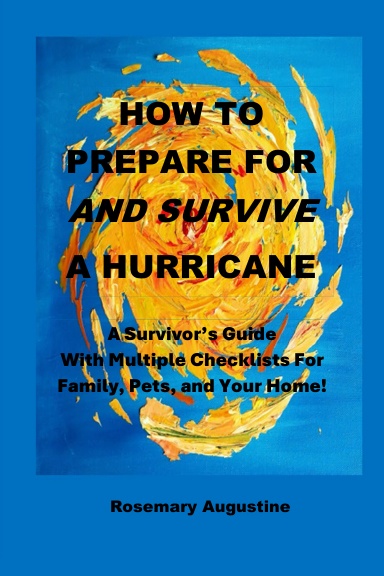
Credit: www.lulu.com
Frequently Asked Questions
What Are The First Steps To Take Before A Hurricane?
First, stay informed through weather updates. Secure your home by boarding windows. Gather emergency supplies like water, food, and medications. Create an evacuation plan and communicate it with family members.
How Can I Prepare An Emergency Kit For A Hurricane?
Include water, non-perishable food, a flashlight, batteries, and a first aid kit. Add important documents, cash, and necessary medications. Pack clothes and blankets for comfort and warmth.
When Should I Evacuate During A Hurricane?
Evacuate immediately if local authorities advise. Leave early to avoid traffic and dangerous conditions. Follow designated evacuation routes and avoid shortcuts.
How Do I Stay Safe During A Hurricane At Home?
Stay indoors and away from windows. Use a safe room or interior space on the lowest floor. Avoid using electrical appliances and stay tuned to official updates.
Conclusion
Staying safe during a hurricane takes careful planning and quick action. Prepare your home and gather supplies early. Stay informed by listening to weather updates. Follow official instructions without delay. Keep calm and help others if you can. Safety comes first, always.
Remember, your actions can protect you and your loved ones. Be ready, stay alert, and face the storm with confidence. Survival depends on smart choices and staying strong.