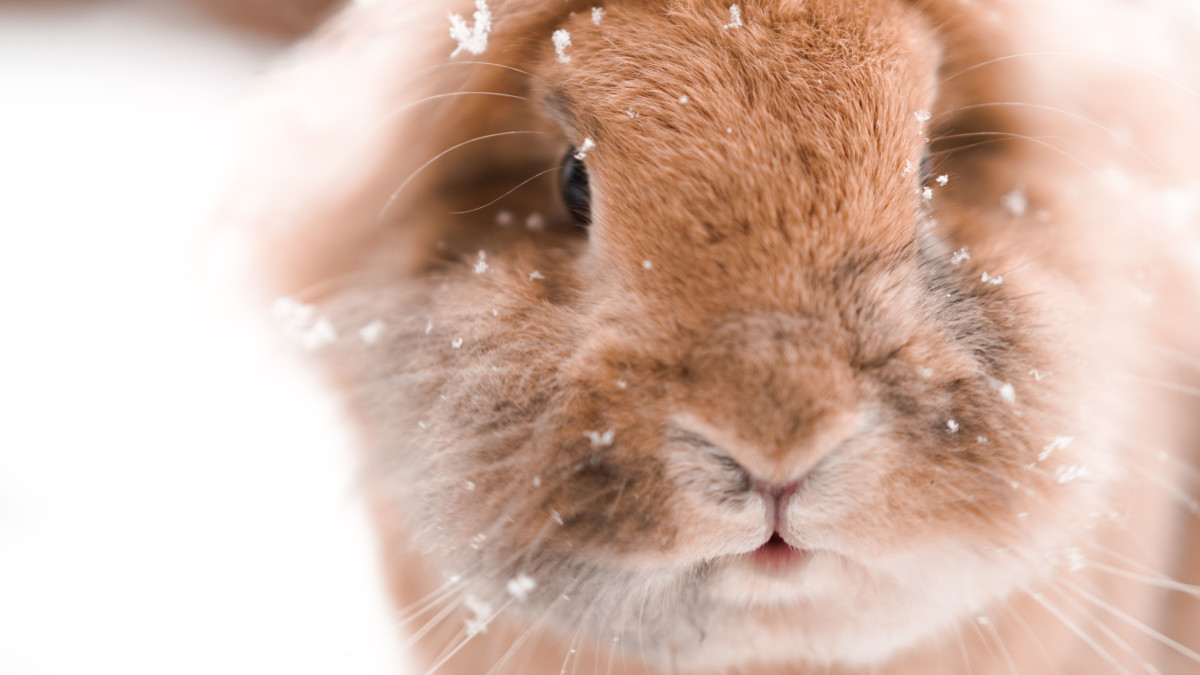
Can a Rabbit Survive in Cold Weather? Essential Survival Tips
When winter arrives and temperatures start to drop, you might find yourself wondering about the well-being of your furry friends. If you own a rabbit or are considering getting one, you may be asking, “Can a rabbit survive in cold weather?”
This question is crucial for ensuring your pet’s safety and comfort during the chilly months. Understanding how rabbits cope with the cold can make all the difference in their health and happiness. We’ll explore the fascinating ways rabbits adapt to winter weather, and provide you with essential tips to keep your bunny cozy and thriving.
Stay with us, and discover how you can become your rabbit’s winter hero!

Credit: www.youtube.com
Rabbit Cold Weather Challenges
Rabbits face many challenges during cold weather. Their bodies react to low temperatures differently than humans. Understanding these challenges helps in caring for them better.
Cold weather can affect rabbits’ health and behavior. Owners should know what signs to watch for and how to support their pets in winter.
Effects Of Low Temperatures
Low temperatures cause rabbits to use more energy to stay warm. Their fur helps, but it is not enough in extreme cold. Rabbits may shiver or huddle for warmth.
- Body temperature can drop too low
- Fur may become wet and lose insulation
- Energy needs increase to keep warm
- Cold can slow digestion and movement
Common Health Risks
Cold weather raises the risk of health problems in rabbits. Their immune system can weaken, making them more vulnerable to infections.
| Health Risk | Cause | Signs to Watch |
| Hypothermia | Prolonged cold exposure | Shivering, weakness, slow breathing |
| Respiratory Infections | Cold, damp conditions | Sneezing, nasal discharge, coughing |
| Frostbite | Frost exposure on ears and feet | Swelling, pale skin, pain |
Behavioral Changes
Rabbits change how they act in cold weather. They may rest more and eat differently to save energy. Some rabbits seek warmer spots or burrow.
- Less active and more time resting
- Increased eating to produce body heat
- Seeking shelter or huddling with other rabbits
- Less grooming to conserve warmth
Natural Adaptations
Rabbits face cold weather with special natural traits. These traits help them stay warm and survive.
Understanding these adaptations shows how rabbits handle chilly conditions well.
Fur Density And Insulation
Rabbits grow thick fur to protect against cold. Their fur traps air, creating a warm layer.
The fur’s density changes with seasons, getting thicker in winter. This helps block cold winds and keep body heat.
- Thick undercoat traps warm air
- Outer fur repels moisture and wind
- Seasonal shedding adjusts insulation
Body Fat And Energy Reserves
Rabbits store extra body fat before cold months. This fat acts as an energy reserve.
Fat also adds a layer of insulation under the skin. It helps keep their body temperature steady.
- Fat stores fuel for cold times
- Fat helps keep the body warm
- Rabbits eat more to build fat
Shelter Seeking Instincts
Rabbits find shelters to stay safe and warm. They use burrows or dense bushes as protection.
These shelters block wind and keep snow away. Rabbits use them to avoid harsh weather.
- Burrows provide warmth and safety
- Dense plants shield from wind
- Rabbits change shelters as needed
Creating A Warm Habitat
Rabbits need a warm place to stay safe in cold weather. A cozy habitat helps keep them healthy. This guide explains how to create warmth for your pet rabbit.
Different ways exist to protect rabbits from cold. You can keep them inside or outside. Insulation and bedding also make a big difference.
Indoor Vs Outdoor Housing
Indoor housing keeps rabbits warm during cold months. It protects them from wind, rain, and snow. You can control the room temperature easily inside.
Outdoor housing needs extra care. The hutch should be in a sheltered spot. Cover the hutch to block wind and rain. Make sure it is off the ground to avoid dampness.
- Indoor: stable temperature, dry, safe from predators
- Outdoor: needs protection from weather, use covers and insulation
- Both: provide enough space and ventilation
Insulating The Hutch
Insulation keeps the hutch warm and stops cold air from entering. Use safe materials that do not trap moisture. Add extra layers to the walls and roof.
| Material | Use | Notes |
| Foam boards | Wall insulation | Protect from chewing |
| Bubble wrap | Window covering | Blocks drafts |
| Straw bales | Outside walls | Natural and effective |
| Tarps | Weather shield | Keep dry, avoid direct contact |
Safe Bedding Materials
Bedding keeps rabbits warm and comfortable. It also absorbs moisture. Choose soft and safe materials that do not cause allergies.
- Straw: excellent insulation, keep dry
- Hay: good for eating and bedding
- Shredded paper: avoid colored ink types
- Avoid cedar or pine shavings: harmful fumes
- Change bedding often to stay clean
Credit: www.pets4homes.co.uk
Feeding For Cold Survival
Rabbits need special care to survive cold weather. Their diet plays a big role in keeping them warm and healthy. Feeding them the right food helps maintain their body heat.
In cold seasons, rabbits burn more energy to stay warm. Providing enough food with the right nutrients is important for their survival and comfort.
High-energy Diet Options
Cold weather means rabbits need more energy. Foods that are rich in calories help them keep their body temperature steady. Focus on feeding more hay, fresh vegetables, and quality pellets.
- Timothy hay or orchard grass hay for fiber and energy
- Fresh leafy greens like kale and parsley
- Pellets with higher fiber and protein content
- Small amounts of grains or seeds as energy boosters
Hydration Needs In Winter
Rabbits still need water during cold weather. Their water can freeze outside, so check it often. Warm water encourages them to drink more.
| Tip | Reason |
| Change water twice daily | Prevents freezing |
| Use ceramic bowls | Keep water from freezing quickly |
| Provide warm water | Encourages drinking |
Supplemental Treats
Treats can provide extra calories in cold weather. Use them in small amounts to avoid health problems. Choose healthy treats that support warmth and energy.
- Carrot slices for vitamins and natural sugar
- Apple pieces without seeds
- Dried herbs like peppermint or chamomile
- Small amounts of oats or barley
Health Monitoring In Winter
Rabbits need extra care in cold weather. Monitoring their health helps keep them safe. Winter can bring risks that affect their well-being.
Watch your rabbit closely for signs of illness. Early detection can prevent serious problems during winter months.
Signs Of Hypothermia
Hypothermia happens when a rabbit’s body gets too cold. Look for these signs to act quickly:
- Shivering or trembling
- Slow breathing
- Weakness or low energy
- Cold ears and feet
- Unresponsiveness or lethargy
Preventing Respiratory Issues
Cold air can cause breathing problems in rabbits. Keep their environment dry and warm. Avoid drafts and damp bedding.
| Risk Factor | Prevention |
| Cold drafts | Use windbreaks and insulated hutches |
| Wet bedding | Change bedding often and keep dry |
| Sudden temperature changes | Keep rabbits indoors or in stable shelters |
Routine Health Checks
Regular checks help catch problems early. Look at your rabbit’s body and behavior daily. Check for wounds, breathing, and eating habits.
- Feel the ears and feet for coldness
- Watch for nasal discharge or coughing
- Check fur for dampness or matting
- Monitor food and water intake
- Note any change in activity or mood
Exercise And Enrichment
Rabbits need exercise and fun activities to stay healthy and happy. Cold weather can limit their time outside.
Providing good exercise and mental challenges indoors keeps rabbits active when it is cold.
Encouraging Movement Indoors
Set up a safe space inside for your rabbit to hop and run. Use tunnels, boxes, and ramps to make it interesting.
- Clear the area of wires and sharp objects
- Place toys that encourage jumping and exploring
- Use treat puzzles to motivate movement
- Rotate toys often to keep them new
Safe Outdoor Playtime
If the weather allows, short outdoor playtime is good. Make sure the area is secure and protected from cold winds.
| Safety Tips | Details |
| Temperature | Keep outdoor time under 15 minutes if cold |
| Supervision | Always watch your rabbit outside |
| Protection | Use a windbreak or sheltered area |
| Surface | Check ground is not slippery or frozen |
Mental Stimulation Activities
Rabbits need mental exercise too. Give them puzzles and new things to explore inside.
Try these activities to keep your rabbit’s mind active:
- Hide treats inside paper towel rolls or boxes
- Use safe chew toys made for rabbits
- Teach simple tricks with treats
- Change the layout of their play area often
Emergency Preparedness
Rabbits can face serious risks in cold weather. Knowing how to prepare helps keep them safe.
Emergency plans for rabbits include handling power outages, extreme weather, and first aid.
Dealing With Power Outages
Power outages can stop heating devices that keep rabbits warm. Prepare backup options to stay safe.
- Use battery-powered heaters or heated pads made for pets.
- Keep extra blankets or straw in the hutch for insulation.
- Check the rabbit’s water supply often to prevent freezing.
- Move rabbits indoors if possible to a warm, safe room.
- Have flashlights and fresh batteries ready for nighttime checks.
Handling Extreme Weather Events
Extreme cold can cause hypothermia in rabbits. Protect their living area from wind and moisture.
| Weather Condition | Protection Method |
| Heavy Snow | Clear snow from hutch roof and entrances |
| Freezing Rain | Cover hutch with waterproof tarps |
| Strong Winds | Place hutch near windbreaks or indoors |
| Extreme Cold | Use extra bedding and heated pads |
First Aid Tips
Cold weather can cause frostbite and other injuries. Act fast to help your rabbit.
- Warm the rabbit slowly with blankets or warm water bottles.
- Do not apply direct heat like a hairdryer.
- Check for frostbite on ears, paws, and tail.
- If frostbite appears, gently clean the area and keep it warm.
- Contact a vet immediately for severe cases.

Credit: www.reddit.com
Frequently Asked Questions
Can Rabbits Survive In Freezing Temperatures?
Rabbits can survive cold weather if properly sheltered. They grow thick fur for insulation but need protection from wind and moisture to stay warm.
How Do Rabbits Stay Warm During Winter?
Rabbits fluff up their fur to trap heat. They also huddle in burrows or shelters that block wind and rain, maintaining body warmth.
Should I Provide Extra Care For Rabbits In Cold?
Yes, rabbits need extra care in cold weather. Provide insulated shelters, dry bedding, and ensure access to fresh water that doesn’t freeze.
Can Outdoor Rabbits Live Comfortably In Winter?
Outdoor rabbits can live through winter if well protected. Proper housing, dry bedding, and protection from drafts are essential for their comfort.
Conclusion
Rabbits can live in cold weather with proper care and shelter. They need a warm, dry place to stay safe from harsh winds. Extra bedding like straw helps keep them cozy. Watch their food and water closely, as cold can affect both.
Regular checks prevent sickness in chilly times. Cold weather is a challenge, but rabbits can handle it with the right support. Caring for them well ensures they stay healthy and happy all winter long.