What Do Hurricanes Need to Survive: Essential Factors Explained
Have you ever wondered what fuels the ferocious power of hurricanes? These massive storm systems can cause widespread destruction, but understanding their needs can help you prepare and stay safe.
Imagine standing on a beach as the wind picks up, the air thick with tension. To truly grasp how hurricanes gain and maintain their strength, you need to dive into the key elements that they rely on to survive. By uncovering these factors, you not only satisfy your curiosity but also empower yourself with knowledge that can make a real difference.
Ready to discover what makes these storms tick? Let’s get started.

Credit: www.clickorlando.com
Warm Ocean Waters
Hurricanes need warm ocean waters to grow and survive. The heat from the ocean provides energy to the storm.
Without warm water, hurricanes lose strength quickly and die out over cooler areas.
Temperature Thresholds
Ocean water must be at least 26.5°C (80°F) to support a hurricane. This temperature helps the air above the water to rise and form storm clouds.
- Water below 26.5°C usually weakens storms
- Warm water helps increase wind speed
- Deeper warm water layers keep energy flowing
Role In Energy Supply
| Energy Source | Description |
| Warm Water Heat | Evaporation adds moisture to the air |
| Condensation | Releases heat that powers the storm |
| Ocean Surface Temperature | Controls how much energy is available |
Warm ocean water evaporates, adding moisture to the air. This moisture rises and cools, creating clouds and rain.
The heat released during condensation fuels the hurricane’s wind and growth.
Moisture In The Atmosphere
Hurricanes need moisture in the air to grow and last. Moisture helps form clouds and rain inside the storm.
Without enough moisture, a hurricane cannot get stronger or keep moving for long.
Source Of Moisture
Warm ocean water is the main source of moisture for hurricanes. The water evaporates into the air above the ocean.
This moist air rises and cools, forming clouds and rain that feed the hurricane.
- Warm ocean water heats the air
- Air picks up water vapor from the ocean
- Rising moist air creates clouds and rain
- Clouds release heat that powers the storm
Impact On Storm Intensity
The more moisture in the air, the stronger the hurricane can become. Moist air releases heat that fuels the storm.
If the air is dry, the hurricane loses energy and weakens. High moisture means more rain and stronger winds.
- More moisture makes the hurricane grow
- Heat from moist air increases wind speed
- Dry air weakens the storm
- Moisture affects how long the hurricane lasts
Low Wind Shear
Low wind shear is very important for hurricanes to grow and survive. Wind shear means the change in wind speed and direction with height in the atmosphere.
When wind shear is low, hurricanes can stay strong and organize better. High wind shear can break a hurricane apart.
Definition And Effects
Wind shear is the difference in wind speed or direction over a short distance in the sky. It can happen vertically or horizontally.
Low wind shear means winds do not change much as you go higher in the atmosphere. This helps hurricanes keep their structure.
- Low wind shear keeps the hurricane’s core stable
- It allows warm air to rise and feed the storm
- High wind shear tears the storm apart and weakens it
Why Calm Winds Matter
Calm winds mean less wind shear. When winds are calm, the hurricane can grow tall clouds and strong winds.
Calm winds help the storm stay round and strong. This lets the hurricane last longer and become more powerful.
- Calm winds allow the hurricane to build a strong eye
- They help the storm move smoothly over warm water
- Calm winds reduce damage to the storm’s inner structure
Pre-existing Disturbances
Hurricanes need certain conditions to start growing. One key factor is pre-existing disturbances in the atmosphere. These disturbances help gather the energy needed for storms to form.
Two common types of pre-existing disturbances are tropical waves and initial cyclone formations. Both play important roles in hurricane development.
Tropical Waves
Tropical waves are low-pressure areas that move across the tropics. They bring clouds and rain and can start the process of storm formation.
- Tropical waves move from east to west over warm ocean waters.
- They create areas of rising air and thunderstorms.
- These waves can organize into stronger weather systems.
- Many hurricanes begin as tropical waves over the Atlantic.
Initial Cyclone Formation
Initial cyclone formation happens when a tropical wave gains strength. The system starts to spin and grow as it pulls in more warm, moist air.
| Stage | Description |
| Tropical Disturbance | Cluster of thunderstorms with slight wind changes |
| Tropical Depression | Organized system with winds under 39 mph |
| Tropical Storm | Winds between 39-73 mph, storm gets a name |
| Hurricane | Winds over 74 mph with a clear eye |
Coriolis Effect
The Coriolis Effect is a force caused by Earth’s rotation. It makes winds and water move in curved paths.
This effect is very important for hurricanes. It helps these storms spin and grow.
Influence On Rotation
The Coriolis Effect causes hurricanes to rotate. In the Northern Hemisphere, they spin counterclockwise.
In the Southern Hemisphere, hurricanes spin clockwise. Without this effect, storms would not spin.
- Earth’s rotation bends moving air
- This bending creates storm rotation
- Rotation helps form the hurricane’s eye
Latitude Importance
The Coriolis Effect is weak near the equator. Hurricanes need a certain distance from the equator to spin.
Most hurricanes form between 5 and 30 degrees latitude. This range has enough Coriolis force for rotation.
- Near equator, Coriolis effect is too weak
- Storms need enough spin to become hurricanes
- Latitude affects where hurricanes can form
Credit: www.generac.com
Atmospheric Pressure Conditions
Hurricanes need certain atmospheric pressure conditions to survive and grow. The pressure in the air helps the storm form and stay strong.
We will look at two important pressure factors: low pressure centers and the pressure gradient role.
Low Pressure Centers
Hurricanes form around areas of low atmospheric pressure. This low pressure causes air to rise and cool, which helps clouds and rain to form.
The lower the pressure at the center, the stronger the hurricane can become. Low pressure creates a vacuum that pulls air inward.
Pressure Gradient Role
The pressure gradient is the change in pressure from the hurricane’s center to the outside air. A steep gradient means strong winds.
Strong winds help the hurricane keep its shape and move across the ocean. The pressure gradient makes the storm spin faster.
- Steep pressure gradient causes high wind speeds
- Wind moves from high to low pressure
- Stronger gradients lead to more powerful storms
Ocean Heat Content
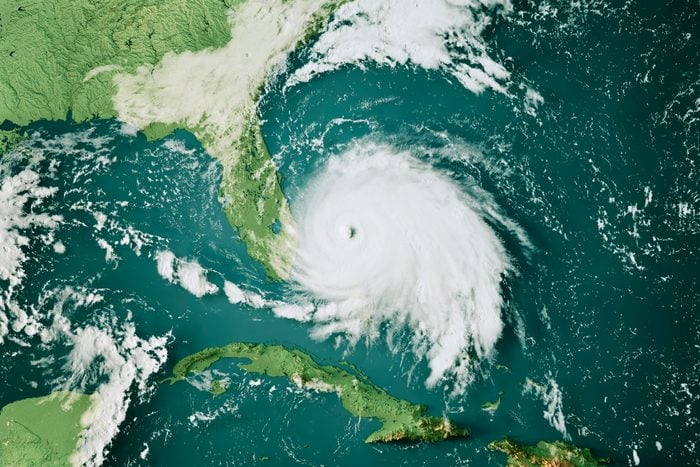
Hurricanes get energy from the heat stored in the ocean. The warmer the water, the stronger the storm can grow.
Ocean heat content shows how much heat is in the water, not just the surface temperature. This heat fuels hurricanes and helps them survive.
Depth Of Warm Water
Hurricanes need warm water that goes deep below the surface. If warm water is only shallow, the storm can cool the surface quickly.
Deep warm water keeps feeding the hurricane with heat even if the surface cools down. This helps the storm stay strong.
- Warm water above 26.5°C (80°F) is needed
- At least 50 meters (about 165 feet) depth is ideal
- Shallow warm water can weaken hurricanes fast
Sustaining Intensity
Ocean heat content helps hurricanes keep their power over time. It supplies continuous energy for strong winds and rain.
When hurricanes move over areas with high ocean heat content, they can maintain or increase their intensity.
- Higher ocean heat content means more energy for storms
- Strong hurricanes need steady heat from deep water
- Low heat content causes storms to weaken quickly
Credit: www.rd.com
Frequently Asked Questions
What Conditions Allow Hurricanes To Form?
Hurricanes need warm ocean water above 26. 5°C, moist air, and low wind shear. These factors enable storm development and intensification.
Why Is Warm Ocean Water Crucial For Hurricanes?
Warm water provides energy through evaporation, fueling the storm’s strength and growth. Cooler water weakens hurricanes by cutting off this energy.
How Does Wind Shear Affect Hurricane Survival?
Low wind shear allows hurricanes to maintain structure and intensify. High wind shear disrupts the storm, causing it to weaken or dissipate.
Can Hurricanes Survive Over Land?
Hurricanes weaken quickly over land due to lack of warm water energy and increased friction. They often lose strength but can still cause damage.
Conclusion
Hurricanes need warm ocean water and moist air to grow strong. They feed on heat and moisture to keep moving. Wind patterns also help guide their path. Without these elements, hurricanes weaken quickly. Understanding what fuels hurricanes helps us prepare better.
Nature’s power is both fascinating and dangerous. Staying informed can keep you safe during storms. Always respect the forces that shape our weather.