How to Survive a Hurricane Hurricane Safety Tips the Old: Proven Strategies
When a hurricane is on the horizon, knowing how to protect yourself and your loved ones is crucial. You might feel overwhelmed by the sheer force of nature, but don’t worry; you’re not alone.
By understanding some time-tested hurricane safety tips, you can ensure you’re prepared when the storm hits. Imagine having the peace of mind that comes with knowing exactly what to do when a hurricane approaches. You’ll not only safeguard your home but also create a secure environment for your family.
Dive into these essential tips, and empower yourself to face the storm with confidence. Your safety and well-being are just a few steps away. Keep reading to discover how to outsmart the storm and emerge from it unscathed.

Credit: www.npr.org
Preparing Before The Storm
Hurricanes can cause serious damage and danger. Being ready helps keep you safe.
Start preparing early to protect your family and home from the storm.
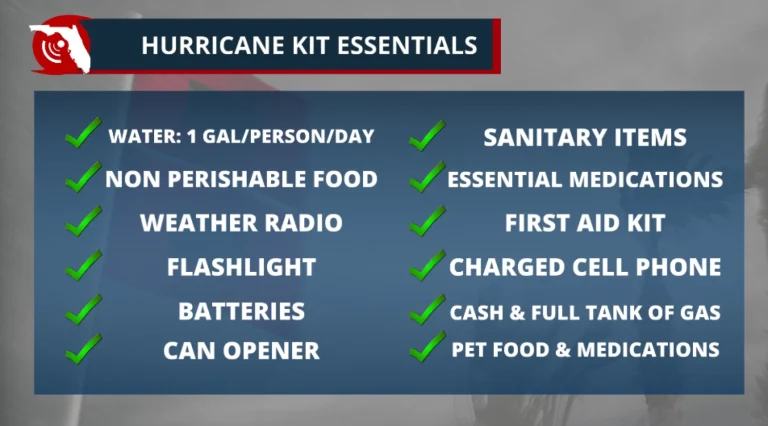
Creating An Emergency Kit
An emergency kit has all the things you need if the power goes out or you must leave.
Include food, water, and tools to stay safe for at least three days.
- Water – one gallon per person each day
- Non-perishable food like canned goods
- Flashlight and extra batteries
- First aid kit with medicines
- Battery-powered or hand crank radio
- Important documents in a waterproof bag
- Clothing and blankets
- Cash in small bills
- Personal hygiene items
Securing Your Home
Secure your house to reduce damage from strong winds and water.
Check windows, doors, and your roof to keep them safe during the storm.
- Install storm shutters or board up windows with plywood
- Clear gutters and drains to avoid flooding
- Trim trees and remove weak branches
- Secure or bring inside outdoor furniture and decorations
- Check and reinforce your roof
- Turn off propane tanks and outdoor gas
Planning Evacuation Routes
Know where to go if officials ask you to leave your home.
Plan several routes and share them with your family.
- Find the nearest shelters or safe places
- Check traffic and road conditions before you leave
- Have a full tank of gas in your car
- Keep a map in case GPS does not work
- Decide where to meet if you get separated

Credit: en.wikipedia.org
During The Hurricane
When a hurricane strikes, staying calm and safe is very important. You must follow safety steps inside your home. This helps protect you and your family.
Here are tips to help you stay safe during the hurricane. Focus on where to stay, how to handle power loss, and how to keep in touch with others.
Staying Indoors Safely
Stay inside away from windows and glass doors. Flying glass can cause serious injuries. Choose a small, windowless room like a bathroom or closet.
Keep your emergency kit, water, and flashlights close by. Do not go outside until the storm passes completely. Wait for official word that it is safe.
- Stay in a windowless room
- Keep emergency supplies nearby
- Do not go outside during strong winds
- Listen for official safety updates
Handling Power Outages
Power outages are common during hurricanes. Use flashlights or battery-powered lanterns for light. Avoid candles to reduce fire risks.
Turn off all electrical appliances to prevent damage when power returns. Keep your refrigerator and freezer doors closed to keep food cold.
- Use flashlights, not candles
- Turn off electrical devices
- Keep refrigerator doors closed
- Have extra batteries ready
Communicating With Family And Authorities
Keep your phone charged before the hurricane. Use text messages to save battery and avoid overloading networks. Share your location with family.
Listen to local news on a battery-powered radio. Follow instructions from emergency services. Do not call emergency lines unless it is a true emergency.
- Charge phones before the storm
- Send texts instead of calls
- Listen to battery-powered radio
- Follow emergency service instructions
- Only call 911 for real emergencies
After The Hurricane
After a hurricane, it is important to stay safe and check your surroundings carefully. The storm may be over, but dangers still exist.
Follow these safety tips to protect yourself and your family as you recover from the damage.
Assessing Damage
Look around your home and neighborhood for damage. Check for broken windows, fallen trees, and roof damage. Take photos for insurance claims.
- Wear sturdy shoes and gloves for protection.
- Do not enter damaged buildings unless safe.
- Check for gas leaks or electrical problems.
- Keep children and pets away from debris.
- Contact your insurance company to report damage.
Avoiding Hazards
Hazards can appear suddenly after a hurricane. Be alert to avoid injury or illness.
| Hazard | Risk | What to Do |
|---|---|---|
| Flooded areas | Drowning, infection | Do not walk or drive through water |
| Downed power lines | Electrocution | Stay far away and report to authorities |
| Contaminated water | Illness | Use bottled or boiled water only |
| Sharp debris | Cuts and infections | Wear protective clothing and clean wounds |
Accessing Emergency Services
If you need help, contact emergency services quickly. Stay calm and provide clear information.
Use this checklist when calling for help:
- State your location clearly.
- Describe your emergency briefly.
- Inform if anyone is injured or trapped.
- Follow instructions given by responders.
- Keep your phone line open if possible.

Credit: www.clickorlando.com
Old-school Survival Techniques
Surviving a hurricane without modern tools is possible. People used nature and simple methods before technology.
These old-school techniques help you stay safe and calm during the storm. Learn how to use them today.
Using Natural Indicators
Nature gives clues about coming storms. Animals act differently before a hurricane. Clouds and wind also change.
Watching these signs can warn you early. This helps you prepare without modern weather reports.
- Birds fly low or hide
- Insects become quiet
- Clouds darken and swirl
- Wind shifts direction suddenly
Traditional Shelter Methods
Old shelters use strong, simple materials to protect from wind and rain. Building them right is key.
Choosing a safe spot and reinforcing your shelter keeps you safer during the storm.
- Build away from trees that can fall
- Use thick wooden beams for support
- Cover roofs with heavy palm leaves or thatch
- Seal gaps with mud or clay to stop wind
Community Cooperation
Working with neighbors improves safety. Sharing resources and information helps everyone survive.
Communities helped each other rebuild and stay calm during tough times.
- Share food, water, and tools
- Watch out for each other’s homes
- Alert neighbors about dangers
- Help rebuild after the storm passes
Modern Tools With Proven Strategies
Hurricanes can be very dangerous. Using modern tools helps keep you safe. Combining old ways with new technology works best.
Safety plans must include reliable alerts and easy ways to get information fast. This guide covers useful tools and trusted strategies.
Weather Radios And Alerts
Weather radios give real-time updates during hurricanes. They work even when the power goes out. These radios use NOAA channels for alerts.
Alerts warn about storms, flooding, and evacuation orders. Many radios have loud alarms to wake you up in emergencies.
- NOAA Weather Radio is reliable for official alerts
- Battery-powered or hand-crank radios work without electricity
- Alerts include storm watches, warnings, and safety instructions
Emergency Apps
Emergency apps on smartphones provide up-to-date weather info. They send push notifications for alerts and safety tips.
Apps can show evacuation routes, shelter locations, and first aid guides. They help you plan quickly and stay informed.
- Check apps like FEMA, Red Cross, or local weather services
- Keep apps updated and allow notifications
- Use offline features for maps and emergency contacts
Combining Old And New Methods
Old methods like emergency kits and family plans still work well. Add modern tools for better safety. Use both to cover all needs.
Keep a battery radio and a charged phone with apps. Practice drills and know your evacuation routes. This mix saves lives.
- Prepare emergency supplies in a sturdy container
- Use weather radios and apps together for alerts
- Have a family communication plan for safety checks
- Know local evacuation routes and shelter locations
Frequently Asked Questions
What Are The First Steps To Prepare For A Hurricane?
Start by securing your home and gathering emergency supplies. Create a family communication plan. Stay updated with official weather alerts and evacuation orders.
How Can I Stay Safe During A Hurricane?
Stay indoors, away from windows and glass doors. Use a battery-powered radio for updates. Avoid using candles to prevent fire hazards.
What Items Should Be In A Hurricane Emergency Kit?
Include water, non-perishable food, flashlight, batteries, first aid kit, medications, and important documents. Pack enough for at least three days.
When Should I Evacuate During A Hurricane?
Evacuate immediately if local authorities advise. Do not wait until the last minute. Plan your evacuation route in advance.
Conclusion
Staying safe during a hurricane means planning ahead. Keep your emergency kit ready. Know your evacuation routes well. Stay informed with weather updates. Follow safety tips to protect yourself and family. Stay calm and act quickly. Remember, preparation saves lives.
Don’t wait until the last minute. Safety is always the best choice. Be ready, stay safe, and protect what matters most.