How Do We Keep Surviving So Many Killer Hurricanes: Unbelievable Resilience
Have you ever wondered how we manage to survive the relentless fury of killer hurricanes year after year? These fierce storms wreak havoc, leaving behind trails of destruction.
Yet, somehow, we endure and rebuild. The secret lies not only in advanced technology and improved infrastructure but also in the resilience and preparedness of communities. You might think it’s just luck, but there’s a lot more at play. By understanding the strategies and innovations that keep us safe, you can empower yourself and your loved ones to face these natural disasters head-on.
Dive into this eye-opening exploration and uncover the remarkable ways we outsmart these formidable forces of nature.
.png)
Credit: www.miamiherald.com
Hurricane Basics
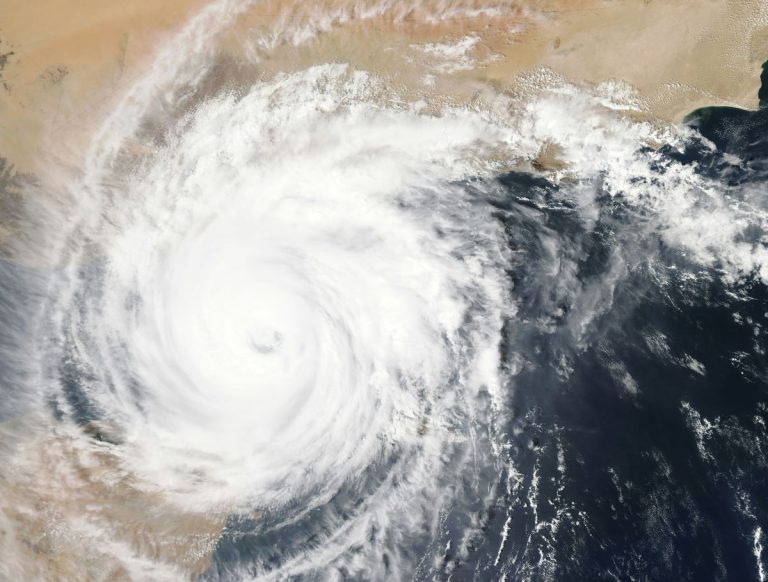
Hurricanes are powerful storms that form over warm ocean waters. They can cause strong winds, heavy rain, and flooding.
Understanding how hurricanes form and their effects helps us prepare and stay safe during these dangerous events.
Formation And Growth
Hurricanes start as small storms over warm ocean waters near the equator. The warm water heats the air above, causing it to rise.
As the warm air rises, it cools and forms clouds. The storm grows stronger when winds push the clouds in a circle, creating a spinning system.
- Warm ocean water above 80°F (27°C) feeds the storm.
- Low wind shear allows the storm to grow tall and strong.
- Moist air fuels the storm’s energy.
- Storm winds spin faster as the system gains strength.
Categories And Impact
Hurricanes are grouped by strength using the Saffir-Simpson scale. This scale ranks storms from Category 1 to 5 based on wind speed.
| Category | Wind Speed (mph) | Damage Level |
|---|---|---|
| 1 | 74-95 | Minimal damage |
| 2 | 96-110 | Moderate damage |
| 3 | 111-129 | Severe damage |
| 4 | 130-156 | Extreme damage |
| 5 | 157+ | Catastrophic damage |
Historical Hurricane Survivors
Hurricanes have been a threat for centuries. Many people faced deadly storms and survived. Their stories teach us how to stay safe today.
Survivors show the power of preparation, community, and quick action. We learn from past hurricanes to protect ourselves better.
Notable Storms
Some hurricanes are famous for their strength and impact. People survived these storms by using smart plans and staying calm.
- 1900 Galveston Hurricane:The deadliest U.S. hurricane. Many survived by seeking high ground and shelters.
- Hurricane Katrina (2005):A major storm that showed the need for better evacuation and help systems.
- Hurricane Andrew (1992):Strong winds destroyed homes, but prepared families stayed safe.
- Hurricane Harvey (2017):Flooding was severe; people survived by evacuating early or moving to higher floors.
Lessons Learned
Each hurricane taught us ways to survive future storms. These lessons help save lives and reduce damage.
- Always have an emergency kit ready with food and water.
- Know your evacuation routes before a storm arrives.
- Listen to weather alerts and follow official advice.
- Build homes stronger to resist high winds and floods.
- Help neighbors, especially the elderly and disabled.
- Stay indoors during the storm and avoid floodwaters.
Community Preparedness
Communities face many challenges from killer hurricanes each year. Being ready helps save lives and reduce damage.
Preparedness means planning ahead and working together. It helps people stay safe during storms.
Early Warning Systems
Early warning systems give people time to prepare before a hurricane hits. These systems use weather data and alerts to warn communities.
Alerts come through TV, radio, phones, and sirens. These warnings help people act fast and stay safe.
Evacuation Plans
Evacuation plans guide people on how and where to leave safely. Good plans reduce confusion during storms.
- Know your evacuation routes and shelters.
- Prepare a go-bag with essentials like water, food, and medicine.
- Follow official instructions to leave early.
- Help neighbors who may need extra support.
- Keep important documents in a safe, easy-to-carry place.
Public Awareness Campaigns
Public awareness campaigns teach people about hurricane risks and safety tips. They use many ways to share information.
Common Topics in Public Awareness Campaigns:
- How to prepare your home and family
- Understanding hurricane warning signs
- Steps to take during and after a hurricane
- Where to find help and resources
Credit: shelterbox.org
Engineering Stronger Structures
Hurricanes bring strong winds and heavy rain. They can damage homes and buildings. We build stronger structures to protect people and property.
Using better materials and smart designs helps buildings survive storms. Engineers work hard to make structures safer every year.
Building Codes Evolution
Building codes set rules for how to build safely. After big hurricanes, experts update these rules. New codes require stronger materials and better designs.
These changes help homes and buildings resist high winds and flooding. Cities use these codes to reduce damage and save lives.
- Stronger roof attachments to prevent lifting
- Wind-resistant windows and doors
- Elevated buildings in flood-prone areas
- Improved foundation requirements
Innovative Construction Techniques
Builders use new methods to make homes tougher. They combine materials and designs to resist storm forces better.
Techniques like reinforced concrete and hurricane straps help keep structures intact. Builders also use water-resistant materials to reduce flood damage.
- Reinforced concrete walls for extra strength
- Metal straps to hold roofs in place
- Impact-resistant glass for windows
- Waterproof barriers and sealants
Role Of Technology
Technology plays a big part in helping us survive hurricanes. It gives us tools to predict storms and watch them closely.
With better technology, people can prepare early and stay safe during dangerous weather events.
Advanced Forecasting Tools
Scientists use computers to run models that predict where hurricanes will go. These tools help forecast a storm’s path and strength.
- Satellite images show storm formation and movement.
- Computer models simulate weather patterns.
- Radar tracks rainfall and wind speed.
- Data from past storms improve predictions.
Real-time Monitoring
Real-time monitoring provides live updates on hurricanes. This helps emergency teams and the public stay informed.
| Monitoring Method | Purpose |
| Weather Satellites | Track storm location and size |
| Buoys and Sensors | Measure ocean and air conditions |
| Drones | Gather data from inside storms |
| Weather Stations | Report local wind and rain data |
Emergency Response And Recovery
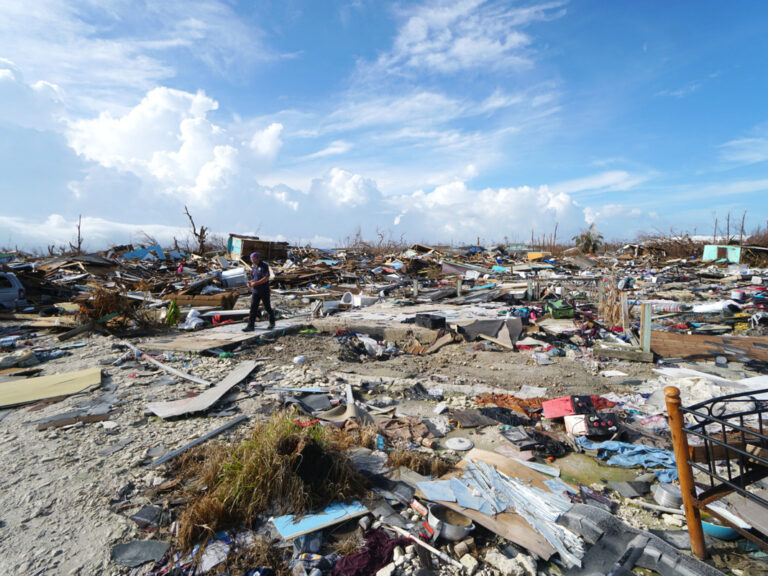
Hurricanes bring strong winds and flooding. They cause damage to homes, roads, and power lines. Emergency response helps save lives and reduce harm.
Recovery takes time. It includes fixing buildings and helping people return to normal life. Many groups work together during this process.
First Responders’ Strategies
First responders act quickly after a hurricane. They focus on search and rescue, medical aid, and safety checks. Communication and training are key parts of their work.
- Assess the damage and find people in danger
- Provide emergency medical care
- Set up shelters and supply centers
- Coordinate with other agencies for help
- Clear roads for emergency vehicles
Community Support Networks
Communities help each other during and after hurricanes. Neighbors share food, water, and shelter. Local groups organize volunteers and resources.
| Community Support Role | Examples |
|---|---|
| Volunteer Coordination | Organizing clean-up teams and aid distribution |
| Information Sharing | Using social media and local radios for updates |
| Emotional Support | Providing counseling and social help |
| Resource Pooling | Collecting food, water, and clothes for those in need |
Rebuilding Efforts
Rebuilding homes and infrastructure is a long process. It needs planning, funding, and work from many people. Safety standards improve to reduce future damage.
- Repair roads and bridges
- Restore power and water services
- Build stronger, safer homes
- Support local businesses to reopen
- Plan for better disaster readiness
Psychological Resilience
Surviving many killer hurricanes tests people’s minds and hearts. Psychological resilience helps us face fear and loss. It gives us strength to keep going.
Building mental strength is as important as rebuilding homes. It helps individuals and communities recover faster after disasters.
Mental Health Support
After hurricanes, many feel scared, sad, or stressed. Mental health support helps people heal these feelings. Talking to counselors or joining support groups makes a big difference.
- Provide access to professional counseling
- Offer group therapy sessions in shelters
- Use online resources for remote support
- Train volunteers to spot mental health needs
- Encourage open talks about emotions
Community Solidarity
Strong communities help people feel safe and hopeful. Neighbors supporting each other reduce stress and loneliness. Together, they can solve problems faster.
| Ways to Strengthen Community | Benefits |
| Organize local clean-up events | Builds teamwork and pride |
| Create neighborhood watch groups | Increases safety and trust |
| Host regular community meetings | Improves communication |
| Share resources and tools | Reduces costs and stress |
| Celebrate cultural traditions | Boosts morale and unity |

Credit: www.yahoo.com
Climate Change Influence
Climate change is changing how hurricanes form and grow. Warmer oceans feed storms with more energy.
These changes make hurricanes stronger and harder to predict. This affects how people prepare and stay safe.
Increasing Hurricane Intensity
Rising temperatures cause hurricanes to get stronger faster. They carry more rain and cause bigger floods.
- Warmer ocean water raises storm power.
- Higher sea levels cause worse flooding.
- More moisture in the air leads to heavy rain.
- Longer hurricane seasons increase storm chances.
Adaptation Measures
Communities use many ways to handle stronger hurricanes. Planning and building better helps reduce damage.
| Measure | Description |
| Stronger Buildings | Use materials that resist wind and water. |
| Early Warning Systems | Alert people quickly about incoming storms. |
| Emergency Plans | Prepare evacuation routes and shelters. |
| Coastal Barriers | Build walls or restore wetlands to block floods. |
Future Challenges
Surviving many killer hurricanes requires constant effort. We face new risks as climate patterns change.
Planning and solutions must improve to protect people and cities from future storms.
Urban Planning
Urban areas need designs that reduce hurricane damage. Strong building codes and smart land use help.
- Build houses with wind-resistant materials
- Limit construction in flood-prone zones
- Design green spaces to absorb floodwater
- Improve evacuation routes for safety
Sustainable Solutions
We must find ways to lower damage while keeping nature safe. Renewable energy and natural barriers are key.
| Solution | Benefits |
|---|---|
| Solar Power | Reduces pollution and power loss during storms |
| Wetlands Restoration | Acts as natural flood barriers |
| Rainwater Harvesting | Limits runoff and eases drainage |
| Storm-Resistant Infrastructure | Lasts longer and cuts repair costs |
Frequently Asked Questions
How Do Early Warning Systems Save Lives During Hurricanes?
Early warning systems detect storms quickly and alert people in time. This allows for timely evacuations and preparations, significantly reducing casualties and damage.
What Role Does Improved Building Design Play In Hurricane Survival?
Stronger buildings resist high winds and flooding better. Modern construction codes ensure homes and infrastructure can withstand severe hurricane impacts, protecting lives and property.
How Do Emergency Response Teams Help After Hurricanes?
Trained emergency teams provide rescue, medical aid, and essential supplies. Their quick actions minimize suffering and speed up recovery in affected communities.
Why Is Community Preparedness Important For Hurricane Survival?
Prepared communities know evacuation routes and safety plans. This knowledge reduces panic and confusion, ensuring faster and safer responses during hurricanes.
Conclusion
Surviving killer hurricanes takes courage, planning, and action. Communities prepare early and follow safety rules. Technology helps us track storms and warn people. Strong buildings and good shelters save many lives. People come together to help each other recover. Learning from each hurricane makes us stronger next time.
We cannot stop hurricanes, but we can stay ready. Together, we survive and rebuild after every storm. This is how we keep going, year after year.