Can Hawks Survive Cold Weather: Surprising Survival Secrets Revealed
Have you ever wondered how hawks, those majestic birds of prey, manage to survive in the chilly embrace of winter? As temperatures drop and snow blankets the ground, these resilient creatures continue to thrive.
But how do they do it? Are they specially adapted to withstand the cold, or do they migrate to warmer climates? You’ll uncover the fascinating strategies hawks use to endure harsh winter conditions. From their unique physical adaptations to their hunting techniques, you’ll discover the secrets that enable hawks to not only survive but flourish when the weather turns cold.
Keep reading to unravel the mysteries of how these incredible birds brave the winter chill.
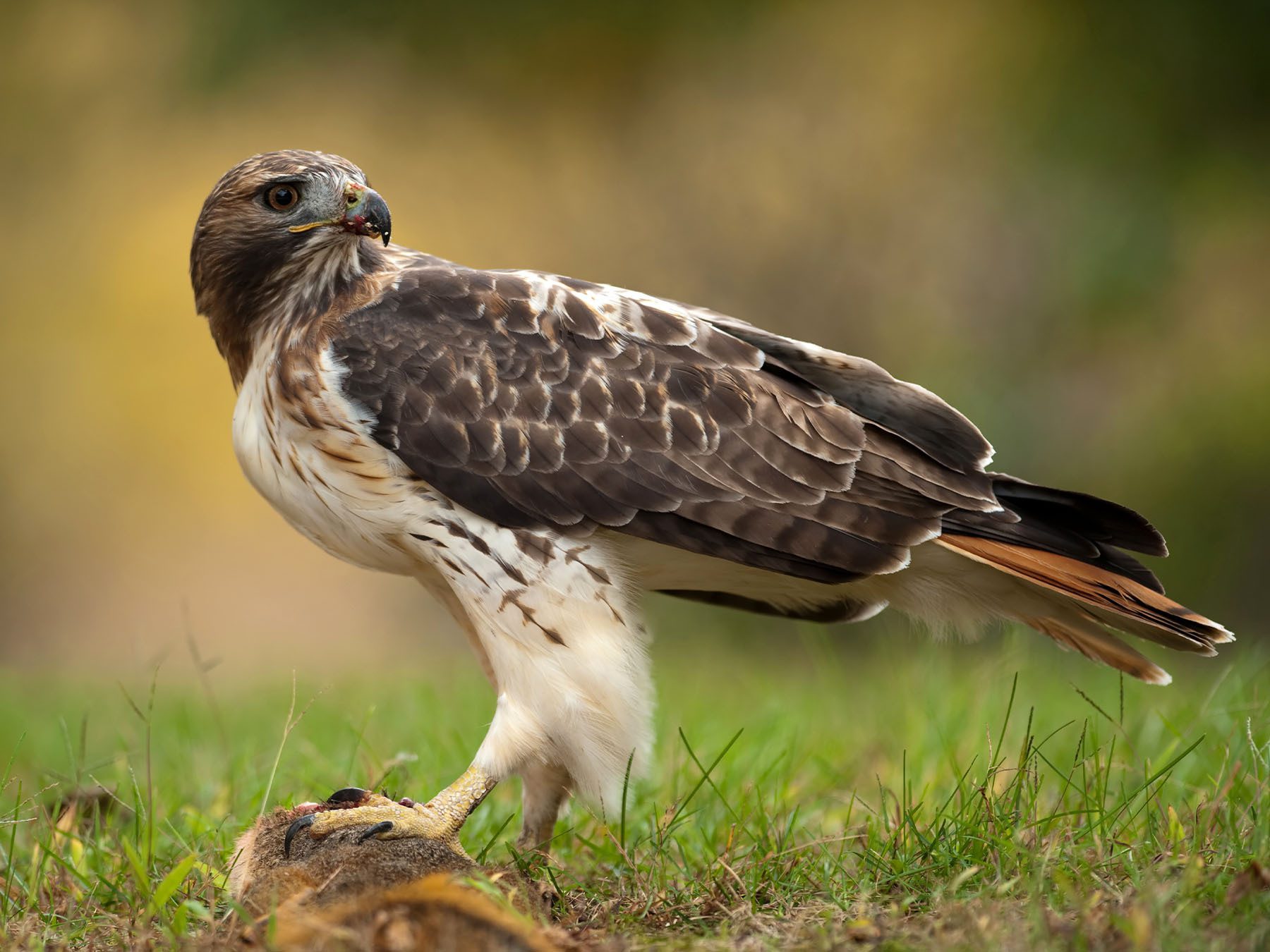
Credit: birdfact.com
Hawk Adaptations For Cold
Hawks are strong birds that live in many places, including cold areas. They have special ways to stay warm during cold weather. These changes help them survive and hunt even when it is freezing.
Many of these adaptations involve their feathers, body heat, and behavior. Each helps hawks keep warm and save energy. Let’s look at how hawks use these methods to handle cold weather.
Feather Insulation
Hawks have thick feathers that trap heat close to their bodies. These feathers act like a warm coat to protect them from the cold wind and snow. They can fluff up their feathers to add more air space for better insulation.
The feathers on their legs and feet also help keep these parts warm. This is important because these areas can lose heat quickly in cold weather.
- Thick, dense feathers trap body heat
- Fluffing feathers creates air pockets for warmth
- Feathers cover legs and feet to reduce heat loss
Metabolic Adjustments
Hawks increase their metabolism to produce more body heat. This means their bodies burn energy faster to stay warm. They eat more food in cold weather to fuel this process.
By controlling their metabolism, hawks can keep their body temperature stable. This helps them stay active and healthy even in freezing temperatures.
- Faster metabolism creates more body heat
- Eating more food supports energy needs
- Stable body temperature keeps hawks active
Behavioral Changes
Hawks change their behavior to protect themselves from the cold. They may sit in sunny spots to warm up or find shelter from the wind. They also reduce movement to save energy during very cold days.
Some hawks migrate to warmer places when winter becomes too harsh. Others stay but hunt at times when it is warmer. These changes help them survive tough winter conditions.
- Resting in sunny or sheltered areas
- Reducing activity to save energy
- Migrating to warmer climates if needed
- Hunting during warmer parts of the day
Hunting Strategies In Winter
Hawks face tough challenges in cold weather. Snow and ice cover the ground. This makes hunting harder than in warm months.
They change how they hunt to find food. Hawks must be smart to survive winter’s cold and scarcity.
Prey Availability
Winter changes what prey hawks can catch. Small mammals and birds hide more. Some animals stay underground or in thick bushes.
Hawks look for animals that stay active. They watch places where prey gathers or moves often. This helps hawks find meals in harsh weather.
Hunting Techniques
Hawks use slow, careful flying to spot prey under snow. They also perch still and wait quietly. Sudden dives help catch animals by surprise.
Some hawks hunt near water or open fields. These spots have more visible prey. Hawks rely on sharp eyesight and quick strikes to succeed.
- Slow flying to scan ground
- Perching quietly to wait
- Quick dive to grab prey
- Hunting near water and open spaces
Energy Conservation
Cold weather uses more energy for warmth. Hawks reduce energy use by resting more between hunts. They avoid long flights that waste energy.
Hawks pick sunny spots to warm up. They fluff their feathers to trap heat. This helps them save strength for hunting and flying.
- Rest often to save energy
- Limit long flights
- Use sunny spots for warmth
- Fluff feathers to keep heat
Migration And Movement Patterns
Hawks have different ways of moving during cold weather. Some stay in one place, while others fly south. Their patterns depend on species and weather conditions.
Understanding these patterns helps us know how hawks survive winter. It shows how they find food and stay warm.
Partial Migration
Not all hawks migrate. Some hawks only move part of their population. This is called partial migration.
Some hawks stay in cold areas if food is enough. Others move to warmer places. This helps the species survive in many conditions.
Timing And Triggers
Hawks start moving when days get shorter. Cold weather and less food also trigger migration.
These triggers help hawks know when to leave. They often fly before the harshest weather arrives.
Wintering Locations
Hawks choose winter homes with good food and shelter. Many go to southern regions or lower altitudes.
- Open fields with small animals to hunt
- Forests that provide cover and nesting spots
- Areas near water sources for prey

Credit: 365barrington.com
Shelter And Roosting Habits
Hawks need safe places to rest, especially in cold weather. Their roosting spots help them stay warm and protected. Understanding these habits shows how hawks survive tough winters.
They choose spots that offer shelter from wind and snow. Their roosts also help conserve body heat during cold nights. These habits are key to their survival.
Selecting Safe Roosts
Hawks pick roosts high in trees or rocky ledges. These spots keep them safe from predators. They also avoid open areas where wind can chill them quickly.
- Thick tree branches that block wind
- Evergreen trees that keep leaves all year
- Cliffs or rock faces with natural cover
- Areas away from human activity
Group Roosting Benefits
Hawks sometimes roost in groups during cold weather. Group roosting helps keep them warmer. It also provides safety through numbers.
| Benefit | Description |
| Warmth | Sharing body heat reduces heat loss |
| Protection | More eyes spot danger quickly |
| Energy Saving | Less need to move to stay warm |
Protection From Elements
Roosts shield hawks from cold wind, rain, and snow. Trees and rocks block harsh weather. Hawks pick spots that reduce heat loss.
- Facing away from prevailing winds
- Choosing spots near dense foliage
- Using natural barriers like boulders
- Roosting low during strong storms
Physiological Challenges
Hawks face many problems in cold weather. Their bodies must work hard to stay warm. Cold weather affects how they live and hunt.
Understanding these challenges helps us learn how hawks survive winter. Their bodies use special ways to fight the cold.
Cold Stress
Cold stress happens when the hawk’s body loses heat faster than it can make it. This can cause their body temperature to drop too low.
To fight cold stress, hawks fluff their feathers. This traps warm air close to their skin. They also reduce movement to save energy.
Fat Storage
Hawks store fat before cold months. Fat is a key energy source when food is scarce. It helps keep their body warm.
More fat means more energy for flying and hunting. Hawks eat more in fall to build these fat reserves.
- Fat provides insulation
- Stored fat fuels energy needs
- Fat reserves grow before winter
Water Balance
Cold weather can reduce water availability. Hawks must keep their bodies hydrated to survive.
They get water from food and melting snow. Maintaining water balance helps their body work well in cold.
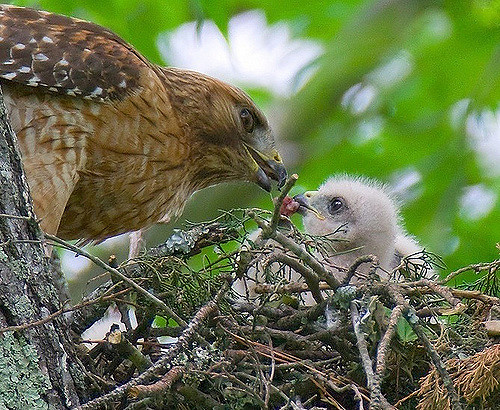
Credit: marciabonta.com
Human Impact On Survival
Hawks are strong birds that can live in cold weather. Their survival depends on many things. Human actions change how hawks live and survive.
This article looks at how humans affect hawks in cold climates. We will explore habitat changes, climate effects, and conservation efforts.
Habitat Changes
Humans build cities and farms where hawks live. This reduces their natural homes and hunting areas. Hawks need trees and open spaces to find food.
When habitats shrink, hawks must travel farther for food. Cold weather makes this harder. Loss of habitat lowers hawk survival rates in winter.
- Deforestation removes nesting sites
- Urban areas reduce hunting grounds
- Pollution harms prey animals
Climate Effects
Human activities cause changes in the climate. Winters may become colder or warmer than usual. These changes affect hawks’ ability to find food and stay warm.
Unpredictable weather makes it hard for hawks to adapt. Some prey animals may disappear or move to new places. Hawks must follow their food to survive the cold.
- Changing snowfall affects hunting
- Temperature shifts alter prey behavior
- Extreme weather causes stress to hawks
Conservation Efforts
People work to protect hawks and their homes. Conservation helps hawks survive cold weather by preserving nature and food sources. These efforts also reduce pollution.
Creating safe areas and planting trees gives hawks shelter. Public education helps people understand why hawks need protection. These actions improve hawk survival in winter.
- Protecting natural habitats
- Reducing pesticides and pollution
- Building wildlife reserves
- Raising public awareness
Frequently Asked Questions
Can Hawks Endure Freezing Temperatures Naturally?
Yes, hawks can endure freezing temperatures by fluffing their feathers to trap heat. They also reduce activity to conserve energy. Their natural adaptations help them survive cold weather effectively.
What Adaptations Help Hawks Survive Cold Climates?
Hawks have thick feathers, a high metabolism, and behavioral changes. These adaptations keep them warm and active during cold weather. They may also migrate if temperatures become too extreme.
Do Hawks Migrate To Avoid Cold Weather?
Many hawk species migrate to warmer areas during winter. However, some hawks stay in cold regions, using their adaptations to survive. Migration depends on food availability and species type.
How Does Cold Weather Affect Hawk Hunting Abilities?
Cold weather can slow prey movement, making hunting easier for hawks. However, snow and ice may cover prey, challenging their hunting success. Hawks adapt by changing hunting strategies in winter.
Conclusion
Hawks adapt well to cold weather by growing thicker feathers. They find shelter in trees and use their sharp eyes to hunt. Their strong bodies help them stay warm and active. Cold weather does not stop hawks from surviving. They keep flying and hunting even in winter.
Nature has made them ready for tough times. Hawks show us how life can be strong and smart. Watching them can teach us about survival and hope.