How to Survive in Hurricane Country: Essential Life-Saving Tips
Living in hurricane country can feel like being on edge, waiting for the next big storm to hit. But you don’t have to live in fear.
You can take steps to protect yourself, your family, and your home. Imagine the peace of mind knowing you’re prepared, no matter what Mother Nature throws your way. This guide will show you how to survive in hurricane country. It’s packed with practical tips and strategies that are easy to follow.
You’ll learn how to safeguard your home, create an emergency plan, and ensure you have everything you need before the storm arrives. Ready to take control and ensure your safety? Keep reading, and turn anxiety into action.
Preparing Your Home
Living in hurricane country means your home needs strong protection. Preparing your home can reduce damage and keep your family safe. Focus on key areas to make your home ready for a storm.
Start early and check your home regularly. Small fixes now can prevent big problems later. Use the tips below to secure your home before a hurricane hits.
Securing Windows And Doors
Windows and doors are vulnerable during hurricanes. Strong winds can break glass and let water inside. Protect these openings to keep your home safe.
- Install storm shutters or plywood over windows.
- Use impact-resistant glass if possible.
- Check door frames for cracks or gaps.
- Reinforce doors with heavy-duty locks and deadbolts.
- Secure garage doors with braces or upgrade to hurricane-rated models.
Clearing Yard Debris
Loose items in your yard can become dangerous projectiles during a hurricane. Clear your yard to reduce the risk of damage and injury.
- Remove dead branches and weak limbs from trees.
- Pick up toys, garden tools, and patio furniture.
- Secure or store grills and trash bins.
- Trim trees close to your home to avoid roof damage.
Reinforcing Roof And Gutters
The roof is your home’s main shield against storms. Gutters direct water away and prevent leaks. Both need attention before hurricane season.
| Task | What to Check | Why It Matters |
|---|---|---|
| Inspect Roof Shingles | Look for loose or missing shingles | Prevents water leaks and wind damage |
| Secure Roof Nails | Make sure nails are tight and in place | Keeps shingles fixed during strong winds |
| Clean Gutters | Remove leaves and debris | Allows water to flow freely and avoids damage |
| Check Downspouts | Ensure they direct water away from foundation | Prevents flooding near your home’s base |
Credit: www.newyorker.com
Creating An Emergency Kit
Living in hurricane country means preparing for storms ahead. An emergency kit helps you stay safe and comfortable.
Gather supplies that meet your basic needs. Focus on food, water, medicine, and important papers.
Stocking Food And Water
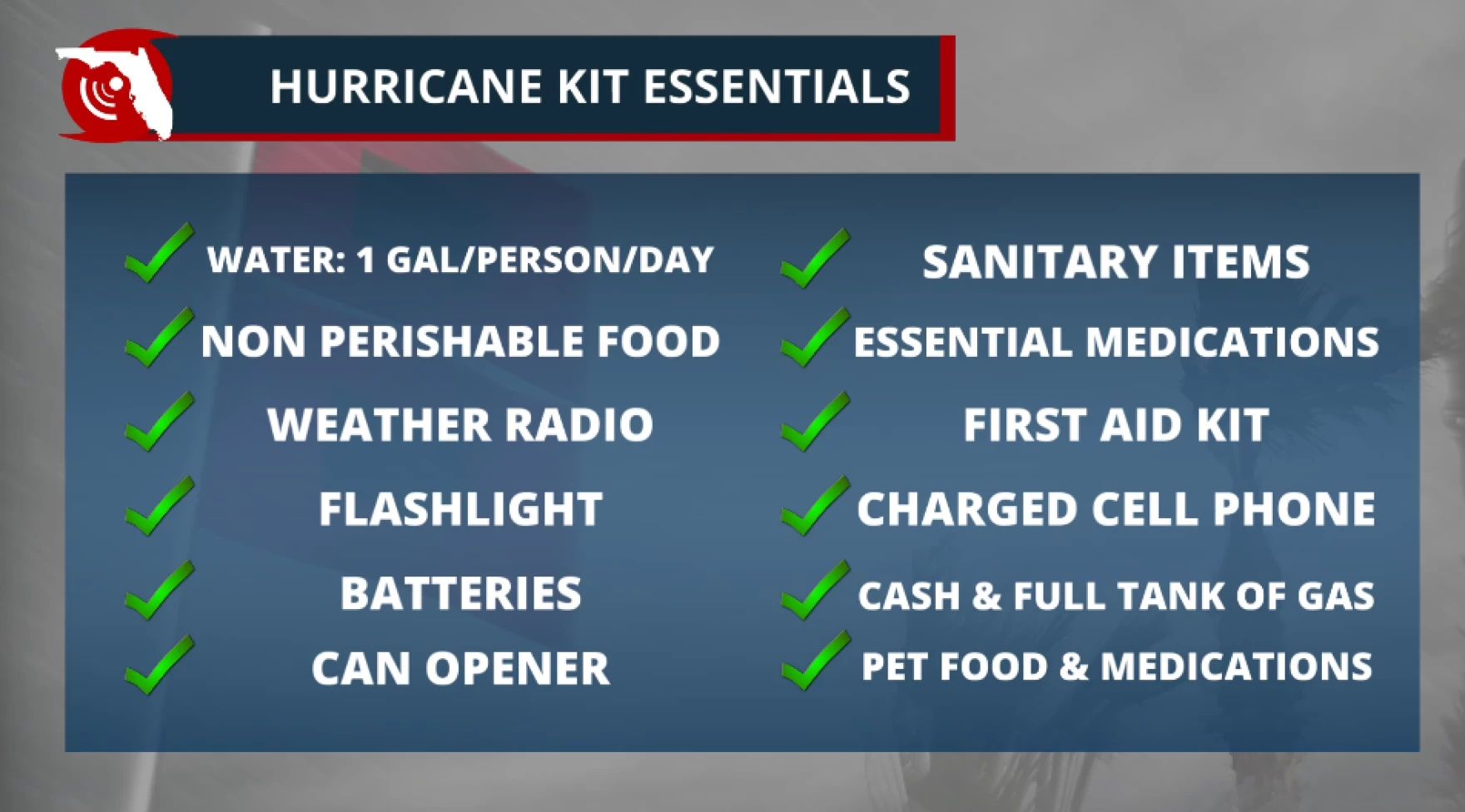
Keep enough food and water to last at least three days. Choose items that need little or no cooking.
- Pack canned fruits, vegetables, and meats
- Include dry foods like rice, pasta, and cereal
- Store bottled water—one gallon per person per day
- Keep a manual can opener
- Have snacks like nuts and granola bars
Gathering Medical Supplies
Medical supplies help treat minor injuries and manage health conditions during a storm.
| Item | Purpose |
| First aid kit | Treat cuts and scrapes |
| Prescription medicines | Manage health problems |
| Pain relievers | Reduce fever and pain |
| Antiseptic wipes | Clean wounds |
| Bandages | Cover injuries |
Including Important Documents
Keep copies of key documents safe and dry. These help prove your identity and property ownership.
- Personal ID cards and passports
- Insurance policies
- Medical records
- Bank account and credit card info
- Emergency contact list
Planning Your Evacuation
Living in hurricane country means you must be ready to leave quickly. Planning your evacuation helps keep you safe and calm.
Knowing where to go and how to get there can save lives. This guide covers key steps for a smart evacuation plan.
Mapping Safe Routes
Check your local maps for roads that stay open during storms. Avoid low-lying areas that flood easily.
- Identify at least two routes out of your area
- Choose highways and main roads over small streets
- Note locations of gas stations and rest stops
- Keep a printed map in case your phone loses signal
Choosing Evacuation Destinations
Select a safe place to stay that is outside the hurricane zone. Consider homes of friends, family, or emergency shelters.
| Type | Details |
| Friend or Family | Check if they live far from the storm path |
| Emergency Shelter | Locate nearest shelters and their capacity |
| Hotel or Motel | Reserve rooms early if possible |
Coordinating With Family And Neighbors
Make sure everyone knows the evacuation plan and where to meet. Share contact info and travel routes.
Use this checklist to coordinate with your group:
- Confirm who will evacuate and who stays behind
- Set meeting points before and after evacuation
- Assign roles like driver and navigator
- Share emergency contact numbers
Staying Informed
Knowing what is happening around you is key during a hurricane. Staying informed helps you make quick and safe choices.
Use reliable sources to get weather news. This keeps you ready for any changes or dangers.
Monitoring Weather Updates
Watch the weather closely through trusted channels. Use TV, radio, or weather apps to get the latest reports.
- Check updates several times a day
- Follow local meteorologists for accurate forecasts
- Look for signs like rising winds or dark clouds
- Keep a battery-powered weather radio in case of power loss
Using Emergency Alerts
Emergency alerts warn you about immediate dangers. Enable alerts on your phone and other devices.
| Type of Alert | What It Means |
| Watch | Conditions are possible. Stay alert. |
| Warning | Danger is happening or will happen soon. Take action. |
| Evacuation Order | Leave the area immediately for safety. |
Following Official Instructions
Listen to local officials for safety rules. They give the best advice for your area.
Key actions to follow during a hurricane:
- Evacuate if told to leave
- Stay indoors if safe
- Avoid flooded roads
- Keep emergency kit close
- Report emergencies to authorities
During The Hurricane
Hurricanes bring strong winds and heavy rain. Staying safe during the storm is very important.
This guide helps you stay protected while the hurricane is happening.
Finding Safe Shelter Indoors
Find a small, windowless room on the lowest floor. This is the safest place to wait out the storm.
- Stay away from windows and glass doors
- Use a mattress or heavy blankets for extra protection
- Keep a flashlight and emergency supplies nearby
- Do not use candles or open flames
Avoiding Flooded Areas
Flooding can happen quickly during a hurricane. Avoid walking or driving through flooded places.
| Risk | Why Avoid |
| Walking in Floodwater | Can hide sharp objects and strong currents |
| Driving in Floodwater | Vehicles can stall or be swept away |
| Flooded Roads | May collapse or hide damage |
Managing Power Outages
Power outages are common during hurricanes. Prepare to stay comfortable and safe without electricity.
- Keep your phone charged before the storm
- Use battery-powered lights or flashlights
- Turn off electrical appliances to avoid damage
- Keep refrigerator and freezer doors closed
- Have extra batteries and a portable charger ready
Credit: www.aiu.edu
After The Storm
After a hurricane passes, it is important to stay safe and act carefully. The damage can be hidden and dangerous.
This guide helps you know what to do after the storm to protect yourself and your family.
Assessing Damage Safely
Look around your home and property for damage only when it is safe. Watch out for fallen power lines and sharp objects.
Do not enter buildings that look unstable. Use a flashlight if it is dark. Avoid using candles to prevent fire.
- Wear sturdy shoes and gloves
- Check for gas leaks or water damage
- Stay away from downed wires
- Take photos of damage for insurance
Accessing Emergency Services
If you need help, call emergency services immediately. Use a phone only for urgent calls to keep lines open.
Look for emergency shelters if your home is unsafe. Follow instructions from local officials and rescue teams.
- Call 911 for life-threatening emergencies
- Listen to the radio for updates
- Use text messages to communicate if possible
- Help neighbors who may need assistance
Preventing Health Hazards
Flood water may carry germs and chemicals. Avoid contact with water that may be contaminated.
Keep food and water safe by discarding items exposed to flood water. Clean and disinfect surfaces carefully.
- Wash hands often with soap and clean water
- Use bottled water for drinking and cooking
- Throw away spoiled food and open cans
- Wear masks if cleaning mold or debris

Credit: medium.com
Frequently Asked Questions
What Are The Essential Items For Hurricane Emergency Kits?
A hurricane kit should include water, non-perishable food, flashlight, batteries, first aid supplies, and important documents. Add medications and cash. These items ensure safety and comfort during power outages and evacuations.
How Do I Prepare My Home For A Hurricane?
Secure windows with storm shutters or plywood. Clear gutters and drains. Trim trees near your house. Bring outdoor furniture inside to prevent damage.
When Should I Evacuate During A Hurricane?
Evacuate immediately if local authorities order it. Also, leave early if you live in flood zones or mobile homes. Don’t wait until the last minute to avoid traffic and danger.
How Can I Stay Informed During A Hurricane?
Use a battery-powered NOAA weather radio for updates. Follow official social media channels and news websites. Keep your phone charged and monitor local alerts regularly.
Conclusion
Staying safe in hurricane country takes clear planning and quick action. Know your area’s risks and prepare your home. Keep emergency supplies ready at all times. Listen to weather updates and follow local advice. Stay calm and help others when possible.
Taking these steps can protect your life and property. Remember, being ready is the best way to survive. Stay alert, stay safe, and stay strong.