How Do Reptiles Survive in Cold Weather: Amazing Adaptations Explained
Have you ever wondered how reptiles, those fascinating cold-blooded creatures, manage to survive when the temperature drops? You might think that cold weather is a challenge too great for them to endure, but the truth is quite the opposite.
Reptiles have developed incredible survival strategies to brave chilly conditions that might surprise you. Imagine the resilience and adaptability that allow these creatures to thrive in environments that seem inhospitable. By understanding their secrets, you’ll not only gain a deeper appreciation for these remarkable animals but also discover nature’s ingenious methods of survival.
Stick around, and you’ll uncover the fascinating world of reptilian resilience against the cold.

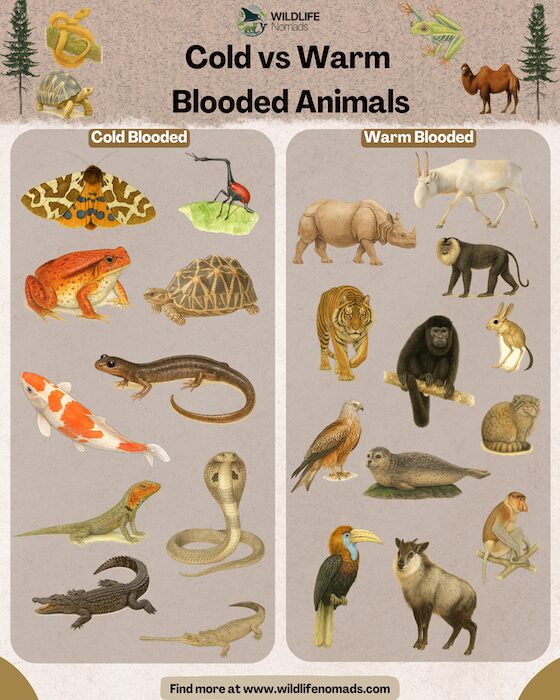
Credit: www.wildlifenomads.com
Cold Challenges For Reptiles
Reptiles are cold-blooded animals. They rely on the environment to control their body heat.
Cold weather brings many challenges that affect how reptiles live and survive.
Impact Of Low Temperatures
Low temperatures slow down reptiles’ body functions. They become less active and may stop eating.
- Movement slows, making it hard to escape predators.
- Digestion stops, so reptiles cannot process food.
- Immune systems weaken, increasing illness risk.
- Reproductive cycles pause during cold months.
Limitations Of Cold Environments
Cold environments limit where reptiles can live and how they behave. They need to find safe places to avoid freezing.
| Limitation | Effect on Reptiles | Adaptation |
| Freezing Temperatures | Risk of ice inside cells | Find burrows or shelter under leaves |
| Short Daylight | Less time for sunbathing | Bask quickly when sun appears |
| Scarce Food | Limited energy sources | Store fat before winter |
| Frozen Water | Hard to find drinking water | Use dew or melt snow |
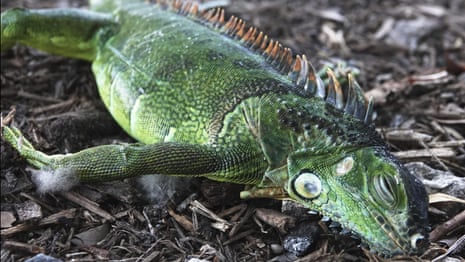
Credit: www.theguardian.com
Behavioral Adaptations
Reptiles cannot produce their own heat like mammals. They rely on behavior to survive cold weather. These actions help them keep warm and stay safe.
Behavioral adaptations let reptiles manage cold by changing their location and activity. This helps them survive until warmer days return.
Seeking Shelter And Hibernation
Reptiles find shelter to protect themselves from cold winds and frost. They hide under rocks, logs, or in burrows. These places keep them safe and warm.
Many reptiles enter hibernation during cold months. They slow down their body functions and rest in safe spots. This helps them save energy and survive without food.
- Hide in underground burrows
- Use crevices in rocks
- Rest under fallen leaves or logs
- Stay motionless to save energy
Basking And Microhabitat Selection
Reptiles warm up by basking in the sun. They choose sunny spots where sunlight is strongest. This raises their body temperature.
They also select microhabitats that offer warmth and protection. These small areas can include rocks, open ground, or places near heat sources.
- Lie on sunlit rocks to absorb heat
- Choose spots sheltered from cold wind
- Move between shade and sun as needed
- Pick areas with dry ground for warmth
Physiological Strategies
Reptiles use special body changes to survive cold weather. They adjust their bodies to handle low temperatures.
These changes help them stay alive when it is cold outside. They do not produce much heat themselves.
Lowering Metabolic Rate
Reptiles slow down their metabolism to save energy in cold weather. This means their body uses less fuel.
They become less active and rest more. This helps them survive without food for a long time.
- Heart rate slows down
- Breathing rate decreases
- Body processes use less energy
- Movement becomes limited
Antifreeze Compounds In Blood
Some reptiles produce special chemicals in their blood. These act like antifreeze to stop ice from forming.
These compounds protect their cells from freezing damage. This keeps their body safe at low temperatures.
- Glycoproteins lower freezing point of body fluids
- Prevent ice crystals inside cells
- Help maintain normal cell function
- Allow survival in freezing environments
Morphological Features
Reptiles face many challenges in cold weather. Their bodies have special features to survive low temperatures. These features help them keep warm and reduce energy loss.
Morphological changes in body shape and skin help reptiles live in cold areas. These adaptations protect them from cold and help them stay active.
Body Shape And Size Adjustments
Reptiles in cold places often have smaller bodies. Smaller size helps reduce heat loss. They also have compact shapes that keep heat inside.
Some reptiles grow shorter limbs and tails. This lowers surface area and keeps their body heat longer. Rounded shapes reduce exposure to cold air.
- Smaller body size reduces heat loss
- Compact shape keeps heat inside
- Shorter limbs and tails lower surface area
- Rounded body shapes reduce cold exposure
Skin And Scale Modifications
Reptiles’ skin changes to protect against cold. Thicker skin and scales act like insulation. They trap warm air close to the body.
Some reptiles have darker skin colors in cold regions. Dark colors absorb more heat from sunlight. This helps warm their bodies faster.
- Thicker skin and scales provide insulation
- Scales help reduce water loss in cold weather
- Darker skin absorbs more heat from sunlight
- Skin texture can reduce heat loss by air
Examples Of Cold-resistant Reptiles
Reptiles are cold-blooded animals. They depend on the environment to stay warm.
Some reptiles survive cold weather better than others. They have special ways to handle freezing temperatures.
Turtles And Their Winter Survival
Turtles slow down their body functions in winter. They hide under mud or water to stay safe.
- Painted turtles bury in pond mud.
- Snapping turtles stay underwater under ice.
- They reduce their heart rate to save energy.
Lizards In Temperate Zones
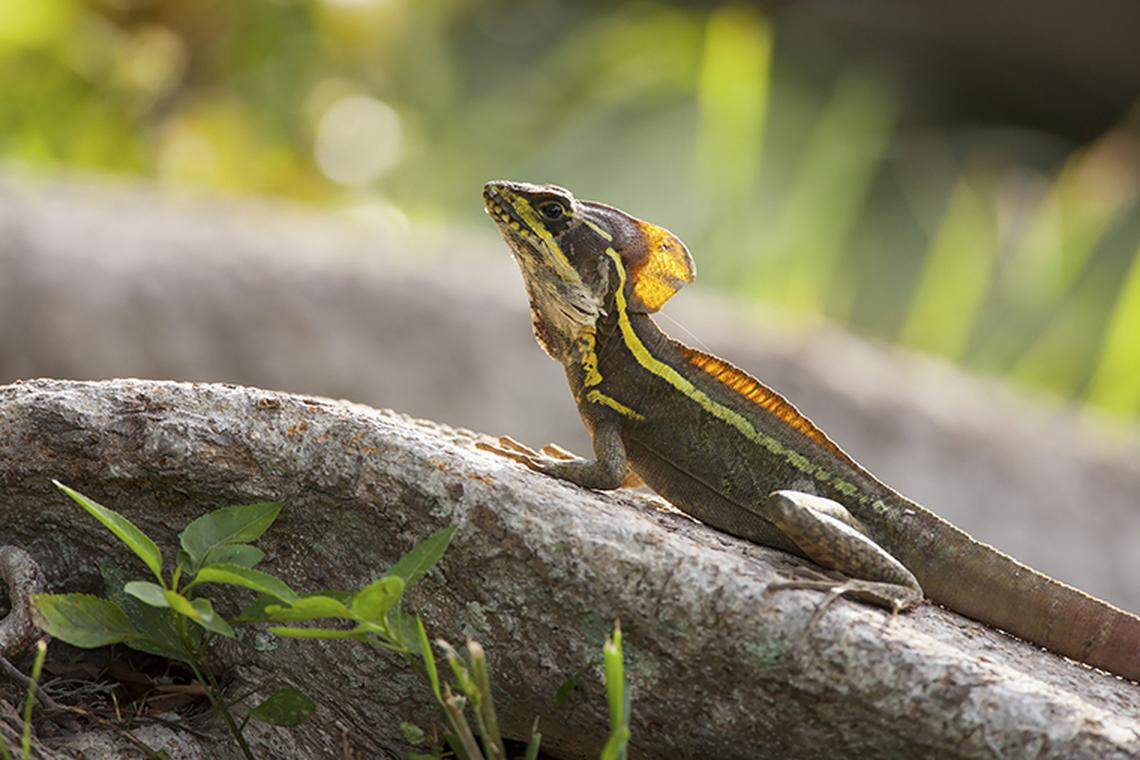
Lizards in cooler areas find warm places to hide. They use rocks and logs to protect themselves from cold.
| Lizard Species | Cold Survival Method |
| Common Wall Lizard | Hides in crevices and basks in sun |
| Western Fence Lizard | Slows metabolism and hides under debris |
| European Green Lizard | Seeks shelter in thick vegetation |
Snakes Enduring Freezing Conditions
Some snakes survive freezing by producing special chemicals. These act like antifreeze in their blood.
Cold-resistant snakes often:
- Find burrows or underground dens.
- Enter a state called brumation, a deep sleep.
- Use glucose and glycerol to prevent ice damage.
Credit: www.miamiherald.com
Climate Change And Reptile Survival
Reptiles rely on their environment to control body temperature. Cold weather can be hard for them. Climate change changes where reptiles can live and how they survive.
Understanding these effects helps us know what reptiles face. We see changes in habitat and new challenges for their survival.
Shifts In Habitat Range
As temperatures rise, reptiles move to new places. They leave cold areas for warmer ones. This shift helps them find better living conditions.
- Reptiles move north or to higher lands
- Some species lose their old homes
- New areas may lack food or shelter
- Competition with other animals increases
Adaptation Challenges Ahead
Changing climates bring new problems for reptiles. They must adapt or face risks. Some changes are too fast for reptiles to adjust.
| Challenge | Effect on Reptiles |
| Temperature Fluctuations | Harm body functions and growth |
| Habitat Loss | Reduce places to hide and hunt |
| Food Supply Changes | Cause hunger and weaker health |
| New Predators | Increase risk of being hunted |
Frequently Asked Questions
How Do Reptiles Regulate Body Temperature In Cold?
Reptiles are ectothermic, meaning they rely on external heat sources. They bask in sunlight to raise their body temperature. In cold weather, they seek warm microhabitats or reduce activity to conserve energy.
What Is Brumation In Reptiles?
Brumation is a hibernation-like state reptiles enter during cold weather. They slow down metabolism, eat less, and become inactive to survive low temperatures. This helps them conserve energy until conditions improve.
Can Reptiles Survive Freezing Temperatures?
Most reptiles cannot survive freezing temperatures directly. They avoid freezing by seeking insulated shelters or burrowing underground. Some species produce antifreeze-like substances to protect cells from ice damage.
How Do Reptiles Find Warmth In Winter?
Reptiles find warmth by basking on sunlit rocks or surfaces. They also hide in burrows, leaf litter, or crevices that retain heat. These strategies help maintain their body temperature during cold spells.
Conclusion
Reptiles survive cold weather by slowing their bodies down. They find warm places to rest, like under rocks or leaves. Their heart beats slower, and they use less energy. This helps them stay alive until it gets warm again. Nature gave them these smart ways to handle cold.
Watching reptiles teaches us about adapting to tough conditions. Their survival shows how life finds a way, even in cold times.