Can Viruses Survive Cold Weather: Shocking Truths Revealed
Have you ever wondered why the flu seems to rear its ugly head when the temperature drops? Or why colds are more common in winter than in summer?
You might be curious if viruses, those tiny troublemakers, have a knack for surviving in cold weather. The answer could surprise you and even change the way you think about staying healthy during the chilly months. By understanding how viruses behave in different temperatures, you can arm yourself with the knowledge to protect your health and the health of those around you.
Dive into this fascinating topic to uncover the truth about viruses and cold weather. Your winter wellness may depend on it!
Virus Behavior In Cold
Viruses can survive in cold weather but their activity changes. Cold temperatures affect how long viruses last outside a host.
Some viruses become more stable in the cold, while others slow down or stop spreading. Understanding this helps us know infection risks in winter.
How Low Temperatures Affect Viruses
Low temperatures slow the breakdown of viruses. This means viruses can stay alive longer on surfaces or in the air.
Cold air also reduces humidity, which helps some viruses survive better. Dry conditions protect their outer layers from damage.
- Virus particles move slower in cold air
- Cold reduces virus decay rates
- Low humidity helps virus stability
- Some viruses spread more easily in winter
Survival Mechanisms In Freezing Conditions
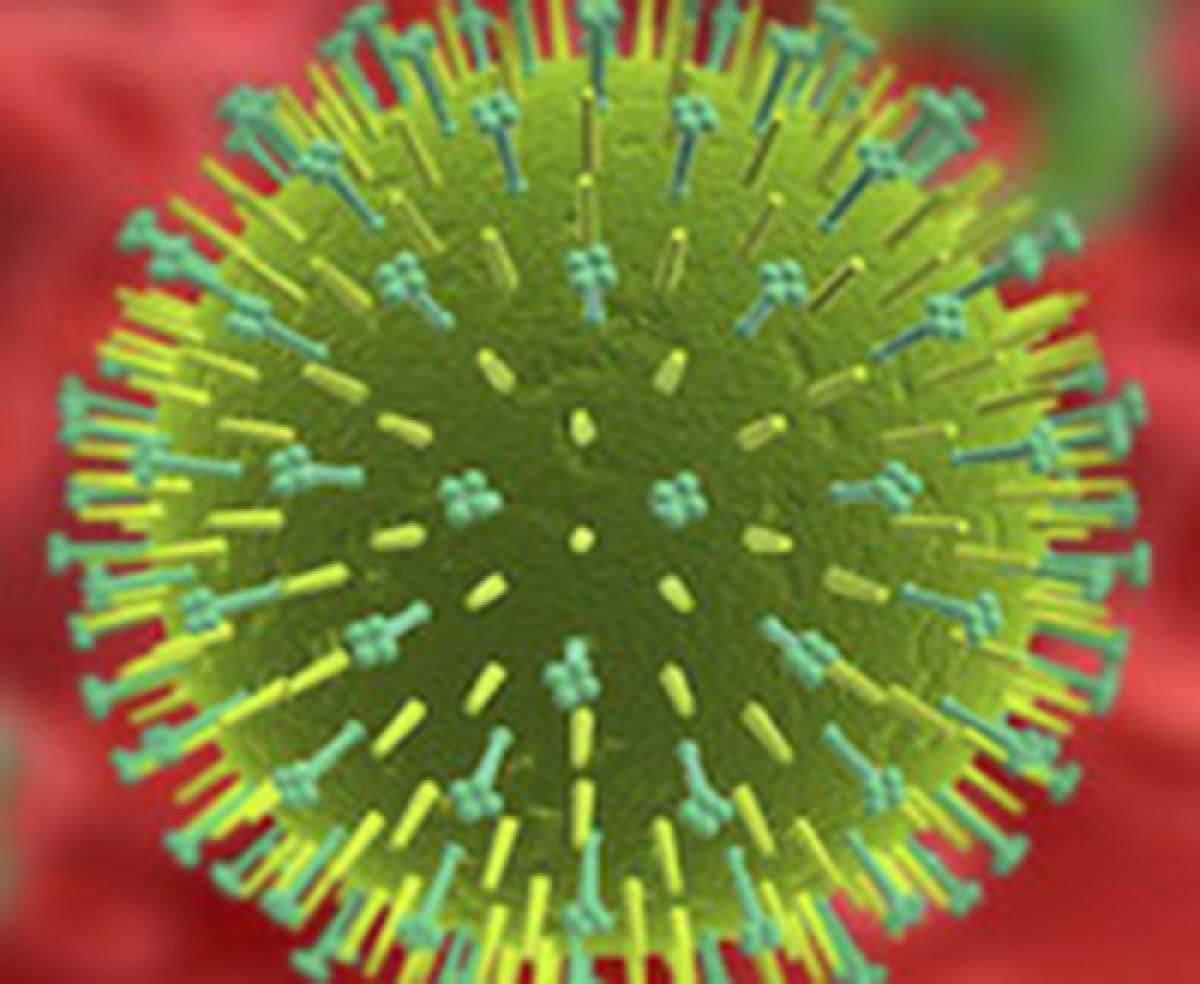
Viruses use special ways to survive freezing weather. Their outer shells become more rigid and protect their genetic material.
Ice crystals can harm viruses, but some have structures that prevent damage. This lets them stay infectious after thawing.
- Strong protein coats shield viruses
- Some viruses enter a dormant state
- Protective layers stop ice damage
- Viruses can reactivate when warmed
Credit: askabiologist.asu.edu
Common Cold And Flu Viruses
Cold and flu viruses cause many illnesses each year. People often ask if cold weather helps these viruses survive.
Understanding how cold affects these viruses can help us stay safe during winter months.
Virus Longevity On Surfaces
Cold and flu viruses can live on surfaces for hours to days. Lower temperatures help them last longer.
Viruses survive better on hard, non-porous surfaces like plastic and metal than on soft materials.
- Cold weather slows virus breakdown
- Viruses can remain infectious on surfaces for up to 48 hours
- Washing hands and cleaning surfaces reduce risk
Transmission Rates In Winter
Cold weather often means people stay indoors more. This close contact helps viruses spread faster.
Dry winter air can also make it easier for viruses to infect the nose and throat.
- Viruses spread more in crowded indoor spaces
- Low humidity helps virus particles stay in the air longer
- Wearing masks and good ventilation lower transmission
Impact Of Humidity And Temperature
Viruses can survive in different weather conditions. Cold weather changes humidity and temperature levels. These changes affect how long viruses live outside the body.
Temperature and humidity work together to change virus survival. Some viruses last longer in cold, dry air. Others lose strength in warm, moist air.
Role Of Dry Air In Virus Spread
Dry air helps viruses stay active longer. When humidity is low, virus particles stay in the air. This makes it easier to breathe them in.
Dry air can also dry out the nose and throat. This weakens the body’s defenses. It becomes easier for viruses to infect people.
- Viruses survive longer in dry air
- Low humidity keeps virus particles airborne
- Dry air weakens the body’s natural barriers
Effect Of Frost And Snow
Frost and snow lower temperatures and keep the air cold. Cold air slows down virus decay. This helps viruses stay alive on surfaces and in the air.
Snow also keeps the ground cold and moist. This can protect viruses from drying out. Viruses may remain active longer in snowy conditions.
- Frost keeps the air temperature low
- Cold air slows virus breakdown
- Snow creates moist surfaces that help viruses survive
Virus Adaptations To Cold
Viruses can survive in cold weather by changing their structure and behavior. Cold temperatures slow down many processes. Viruses adapt to stay active in these conditions.
Some viruses change their genetic makeup to resist cold. Others protect their outer layers to avoid damage. These changes help viruses spread even in winter.
Genetic Mutations Enhancing Survival
Viruses often mutate their genes to survive cold weather. These mutations improve how they protect their core materials. They may also help viruses attach better to host cells.
Mutations can make viral proteins more stable at low temperatures. This stability helps viruses keep their shape and function. It also helps them avoid the immune system in cold conditions.
- Changes in the virus coat to resist freezing
- Stronger binding to host cells in cold airways
- Improved replication speed despite low temperatures
Examples Of Cold-resistant Viruses
Some viruses are known to survive and spread in cold climates. Influenza viruses often peak during winter months. They have special features to protect them from the cold.
Other cold-resistant viruses include rhinoviruses and noroviruses. These viruses can stay infectious on surfaces in cold conditions. Their adaptations help cause outbreaks during colder seasons.
- Influenza virus: changes protein shapes to survive cold air
- Rhinovirus: grows well in cooler nasal passages
- Norovirus: resists cold on surfaces for days
Myths About Cold Weather And Viruses
Many people believe cold weather kills viruses or stops them from spreading. This idea is common but not always true. Understanding the facts helps us stay safe in winter.
This article clears up wrong ideas about cold weather and viruses. It shows what science says about how viruses survive in cold conditions.
Debunking Common Misconceptions
One myth is that cold air kills viruses instantly. Viruses can live on surfaces even in cold weather. Cold does not stop viruses from spreading between people.
Another false idea is that you can’t get sick in winter if you dress warmly. Viruses spread indoors where people are close, not because of cold outside.
- Cold air alone does not kill viruses immediately.
- Viruses spread more indoors, not due to cold outside.
- Wearing warm clothes keeps you comfortable but does not stop viruses.
Scientific Evidence Against Cold Killing Viruses
Studies show many viruses survive well in cold temperatures. Cold weather can even help some viruses last longer on surfaces. The virus’s survival depends on many factors, not just temperature.
Scientists found that humidity and sunlight affect viruses more than cold. Dry indoor air in winter can help viruses spread easier. Cold weather alone does not kill viruses quickly.
- Viruses survive longer in cold, dry places.
- Sunlight and humidity reduce virus survival.
- Cold weather does not kill viruses fast.

Credit: www.discovermagazine.com
Preventing Viral Infections In Winter
Cold weather brings many viral infections. Viruses can spread easily in winter. It is important to protect yourself and others.
Simple actions help stop viruses from spreading. Staying healthy means following good habits every day.
Effective Hygiene Practices
Keeping clean is the best way to fight viruses in cold months. Germs spread through hands, surfaces, and droplets.
- Wash your hands often with soap and water for 20 seconds
- Use hand sanitizer if soap is not available
- Avoid touching your face with unwashed hands
- Cover your mouth and nose when coughing or sneezing
- Clean and disinfect common surfaces regularly
Role Of Vaccination During Cold Months
Vaccines protect your body from many viruses. Getting vaccinated lowers the chance of severe illness.
| Vaccine Type | Protection Against | Recommended Time |
| Flu Vaccine | Influenza Virus | Before Winter Starts |
| COVID-19 Vaccine | Coronavirus | Anytime During the Year |
| Pneumococcal Vaccine | Bacterial Pneumonia | For Older Adults |
Credit: cool-off.com
Frequently Asked Questions
Can Viruses Survive In Cold Weather Conditions?
Yes, many viruses can survive and remain infectious in cold weather. Cold temperatures slow down virus degradation and help preserve their structure.
Does Cold Weather Increase Virus Transmission Risk?
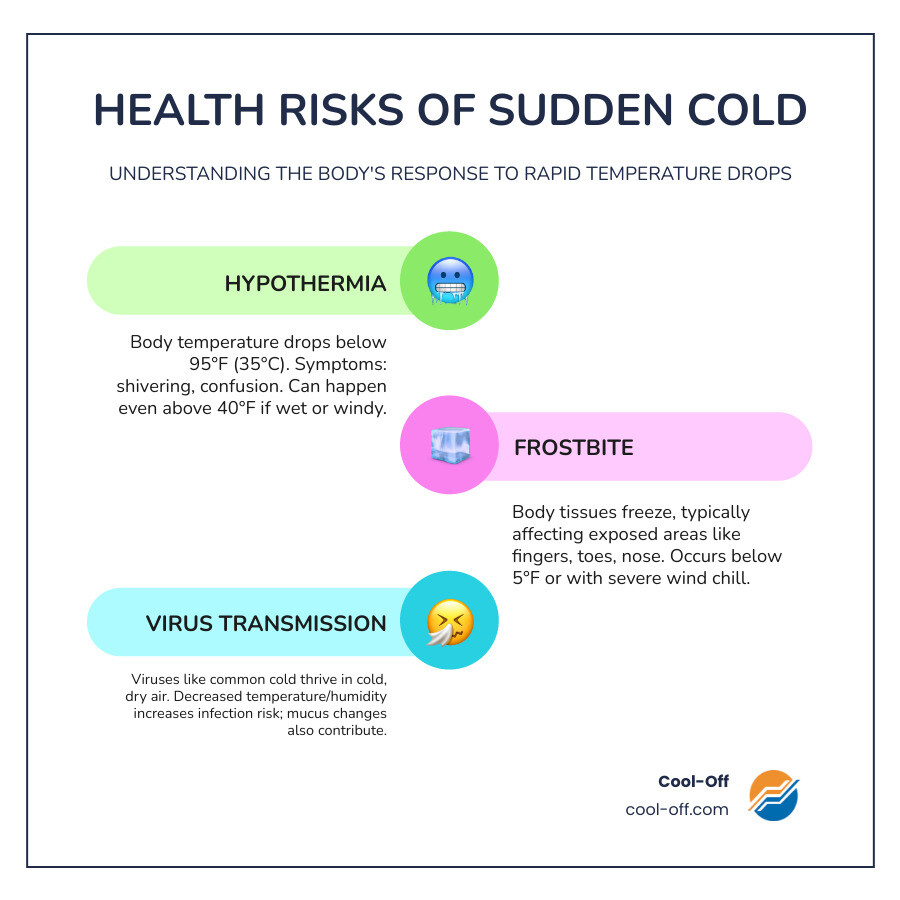
Cold weather often leads to indoor crowding, which increases virus spread. Additionally, dry air in winter helps viruses stay airborne longer.
Which Viruses Thrive In Cold Temperatures?
Viruses like influenza, rhinovirus, and coronaviruses thrive in cold, dry conditions. These environments support their survival and transmission among people.
How Does Cold Weather Affect Virus Stability?
Cold weather stabilizes virus particles by reducing moisture and slowing decay. This increases the virus’s lifespan on surfaces and in the air.
Conclusion
Viruses can survive cold weather, but not all do well. Cold slows some viruses, helping them stay active longer. This is why flu spreads more in winter months. Still, warmth and sunlight can reduce virus survival outdoors. Staying clean and healthy helps fight viruses anytime.
Understanding this helps you stay safe year-round. Simple steps protect you and your family from illness. Cold weather doesn’t stop viruses, but careful habits can. Stay aware and take care of your health every day.