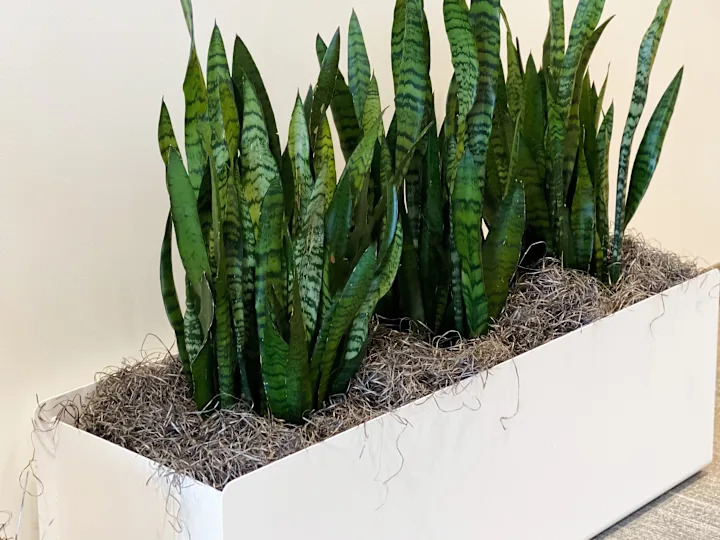
Can Snake Plants Survive Cold Weather? Essential Care Tips
Are you wondering if your beloved snake plants can brave the chill of winter? As temperatures drop, you might be concerned about whether these hardy houseplants can withstand the cold.
After all, keeping your plants healthy and thriving is a top priority. You’ve nurtured them through the warm months, and now the question looms: can they survive the cold weather? This article will uncover the secrets to ensuring your snake plants stay strong and vibrant, no matter the weather outside.
Stick around to discover how you can protect your green companions from the frosty grip of winter and keep your indoor garden flourishing.
Cold Tolerance Of Snake Plants
Snake plants are popular houseplants known for their hardiness. Many people wonder if these plants can survive cold weather outdoors.
This article explains how cold affects snake plants and what temperatures they can handle. It also compares their survival indoors and outdoors.
Temperature Thresholds
Snake plants grow best in warm temperatures. They start to suffer when temperatures drop below 50°F (10°C). The critical temperature for survival is around 35°F (1.6°C).
Below 35°F, snake plants can get cold damage. They do not survive long periods of cold or frost. Keeping them above 50°F helps them stay healthy.
- Ideal temperature: 70°F to 90°F (21°C to 32°C)
- Minimum tolerance: 50°F (10°C)
- Critical low temperature: 35°F (1.6°C)
Effects Of Frost And Freezing
Frost can damage snake plant leaves by causing water inside cells to freeze. This creates ice crystals that break cell walls.
Freezing temperatures can kill the plant. Leaves may become soft, mushy, or turn black after frost. Recovery is hard once freezing occurs.
- Frost causes leaf damage and discoloration
- Freezing kills plant tissue quickly
- Cold damage shows as soft or black leaves
- Plants rarely recover after freezing
Comparing Indoor And Outdoor Survival
Snake plants survive cold better indoors than outdoors. Indoor temperatures stay warmer and more stable during winter.
Outdoors, snake plants need protection from frost and freezing. They do best in mild climates or when brought inside during cold months.
- Indoor plants avoid frost and freezing temperatures
- Outdoor plants risk cold damage in winter
- Bring outdoor plants inside if temperature drops below 50°F
- Use covers or shelters for outdoor plants in mild cold
Signs Of Cold Stress
Snake plants are tough but cold weather can hurt them. It is important to spot signs of cold stress early. This helps keep your plant healthy.
Cold stress shows in different ways. Watch your snake plant for changes in leaves, texture, and growth. These signs tell you if the plant needs help.
Leaf Discoloration
Cold damage often causes leaves to change color. You may see yellow, brown, or black spots. Leaves can also lose their green shine and look dull.
- Yellowing starts at leaf edges
- Brown patches appear on leaf tips
- Black spots show where cells are dead
- Leaves turn pale or faded
Wilting And Soft Spots
Cold stress makes leaves wilt and feel soft. The plant cells get damaged by freezing or near-freezing temperatures. You can press leaves gently to check for soft spots.
- Leaves droop or bend easily
- Soft areas that feel mushy
- Leaves may break off when touched
- Plant looks limp, not firm
Growth Slowdown
Cold slows down the snake plant’s growth. You may notice fewer new leaves or smaller leaves. The plant stays still and does not grow like before.
| Growth Sign | What to Look For |
|---|---|
| New Leaves | Few or no new leaves forming |
| Leaf Size | Leaves smaller than usual |
| Overall Growth | Plant stays the same size for weeks |
Protecting Snake Plants In Winter
Snake plants are tough, but cold weather can harm them. They do best in warm places. Protecting them during winter helps keep them healthy.
Cold can cause leaves to freeze and turn mushy. It is important to give them the right care when temperatures drop.
Ideal Indoor Placement
Keep snake plants inside during cold months. Place them in bright spots but away from cold drafts. South-facing windows are good choices.
Avoid putting them near heaters or vents. These can dry out the leaves. A steady room temperature between 60-85°F (15-29°C) is best.
Using Covers And Insulation Outdoors
If your snake plant stays outside, cover it on cold nights. Use frost cloths or old sheets to protect from frost. Avoid plastic covers that trap moisture.
Adding mulch or straw around the base helps keep roots warm. Remove covers during the day to let the plant breathe and get sunlight.
- Use breathable fabric covers
- Apply mulch around the plant base
- Remove covers during sunny hours
Humidity And Airflow Control
Snake plants like moderate humidity. Too much moisture can cause rot, especially in winter. Keep the air moving around the plant.
Use a small fan if the room feels damp. Avoid placing plants in closed, humid rooms. Good airflow stops mold and keeps leaves healthy.
- Maintain moderate humidity levels
- Use a fan to improve airflow if needed
- Keep plants out of damp, closed spaces

Credit: allaboutplanties.com
Watering Adjustments During Cold
Snake plants need less water during cold weather. Their growth slows down, so they use less moisture.
Proper watering helps keep the plant healthy and prevents problems like root rot.
Reducing Water Frequency
Water your snake plant less often in cold months. The soil should dry out more before watering again.
- Check the top 2 inches of soil for dryness.
- If dry, water lightly to moisten the soil.
- Wait longer between waterings than in warm seasons.
Avoiding Root Rot
Too much water causes root rot. Cold weather makes it worse because soil stays wet longer.
| Cause | Effect |
|---|---|
| Excess watering | Roots stay too wet |
| Cold soil | Soil drains slowly |
| Root rot | Plant wilts or dies |
Monitoring Soil Moisture
Use a moisture meter or your finger to check soil moisture. This helps decide when to water.
- Insert finger 2 inches into soil.
- If soil feels dry, it is time to water.
- If soil feels damp, wait a few more days.
- Repeat checks every week during cold months.
Light Requirements In Cold Seasons
Snake plants can survive cold weather but need the right light. Light helps them grow well during winter.
Cold seasons have less sunlight. This makes it harder for snake plants to get enough light.
Maximizing Natural Light
Place snake plants near windows that get sunlight. South or east-facing windows work best.
Keep windows clean to let in more light. Move plants away from curtains or blinds that block light.
- Use sheer curtains to soften strong sunlight
- Rotate plants weekly for even light exposure
- Avoid cold drafts near windows
Supplemental Lighting Options
If natural light is low, use grow lights to help snake plants. LED grow lights are energy efficient.
Set grow lights 12-18 inches above the plant. Keep lights on for 10-12 hours each day.
- Choose full-spectrum LED lights for best results
- Use timers to control light duration
- Keep lights clean to maintain brightness

Credit: plnts.com
Long-term Care Strategies
Snake plants can live for many years if cared for well. Long-term care helps them stay healthy through cold weather.
This guide covers repotting, soil and fertilizer, and pest prevention to keep your snake plants strong.
Repotting Timing
Repot snake plants every 2 to 3 years to give roots more room. Do this in spring or early summer when the plant grows faster.
Avoid repotting in cold months. Cold weather can stress the plant and slow healing.
Soil And Fertilizer Choices
Use well-draining soil to prevent root rot. A cactus or succulent mix works well for snake plants.
- Choose soil that dries quickly
- Use a balanced, slow-release fertilizer during spring and summer
- Avoid fertilizing in winter when the plant rests
- Water lightly after fertilizing to help nutrients absorb
Preventing Pest Issues
Check snake plants often for pests like spider mites and mealybugs. Early detection stops bigger problems.
| Pest | Signs | Prevention |
|---|---|---|
| Spider Mites | Small webs, tiny dots | Keep humidity moderate, wipe leaves |
| Mealybugs | White cottony spots | Remove by hand, use insecticidal soap |
| Scale Insects | Brown or black bumps | Prune affected areas, apply neem oil |

Credit: simplytrees.com
Frequently Asked Questions
Can Snake Plants Survive Freezing Temperatures?
Snake plants cannot tolerate freezing temperatures. They thrive best in temperatures above 50°F (10°C). Prolonged exposure to frost damages their leaves and roots. Keep them indoors or in a warm environment during cold weather to ensure survival and healthy growth.
How Cold Is Too Cold For Snake Plants?
Temperatures below 45°F (7°C) are harmful to snake plants. Cold weather slows their growth and can cause leaf damage. It’s best to maintain indoor temperatures between 60-85°F (15-29°C) to keep your snake plant healthy and thriving.
Should I Move Snake Plants Indoors During Winter?
Yes, moving snake plants indoors during winter protects them from cold damage. Indoor environments provide stable temperatures and prevent frost exposure. Place them near bright, indirect light for best results during colder months.
What Signs Show Cold Damage On Snake Plants?
Cold damage on snake plants appears as soft, mushy leaves or brown spots. Leaves may wilt or develop black edges. Early detection helps prevent further harm by moving the plant to warmer conditions quickly.
Conclusion
Snake plants are tough but do not like cold weather. They grow best in warm and dry places. Avoid leaving them outside when temperatures drop below 50°F (10°C). Bring them indoors during cold months to keep them healthy. Water sparingly in winter to prevent root damage.
With simple care, your snake plant can survive and stay green. Keep it safe from frost and chilly winds. A little attention helps your plant thrive all year long.