Can Bamboo Survive Cold Weather: Essential Tips to Protect It
Are you wondering if your bamboo plants can brave the chill of winter? The thought of frost-kissed leaves and biting winds might have you concerned about their survival.
Bamboo, with its exotic allure and lush greenery, is a favorite for many gardeners. But when temperatures drop, the question arises: Can bamboo endure the cold? You’ll discover the secrets to helping your bamboo thrive despite the chill. By understanding a few key factors, you can ensure your plants not only survive but also flourish through the winter months.
Keep reading to uncover how you can protect and nurture your bamboo, even when the mercury plummets.

Credit: growplant.org
Cold Tolerance Of Bamboo
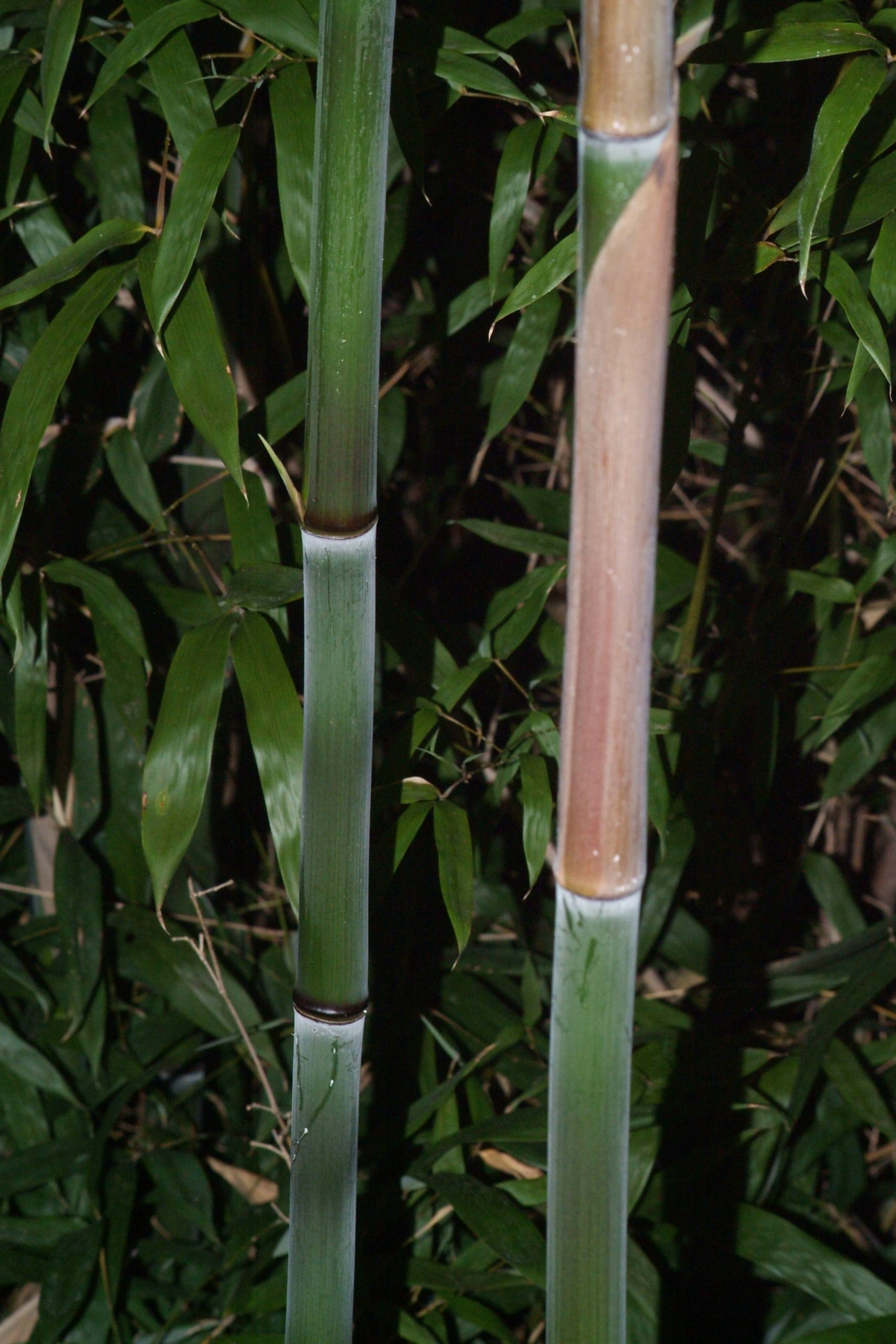
Bamboo is known for its fast growth and tropical look. Many people wonder if bamboo can survive cold weather.
Some bamboo types handle cold better than others. Understanding cold tolerance helps gardeners choose the right bamboo.
Types Of Cold-hardy Bamboo
Cold-hardy bamboo types can survive freezing temperatures. These types grow well in cooler climates.
Common cold-hardy bamboo includes species from the genera Phyllostachys and Fargesia. They are popular for cold gardens.
- Phyllostachys aureosulcata (Yellow Groove Bamboo)
- Phyllostachys nuda (Nude Bamboo)
- Fargesia robusta (Robust Bamboo)
- Fargesia nitida (Blue Fountain Bamboo)
- Phyllostachys bissetii (Bisset Bamboo)
Temperature Limits For Survival
Bamboo’s cold tolerance depends on species and age. Some can survive as low as -20°F (-29°C).
Young bamboo shoots are more sensitive to frost. Mature bamboo is hardier and recovers faster from cold damage.
| Bamboo Type | Cold Survival Limit |
|---|---|
| Phyllostachys aureosulcata | -10°F (-23°C) |
| Phyllostachys nuda | -20°F (-29°C) |
| Fargesia robusta | -15°F (-26°C) |
| Fargesia nitida | -10°F (-23°C) |
| Phyllostachys bissetii | -5°F (-21°C) |
Signs Of Cold Damage
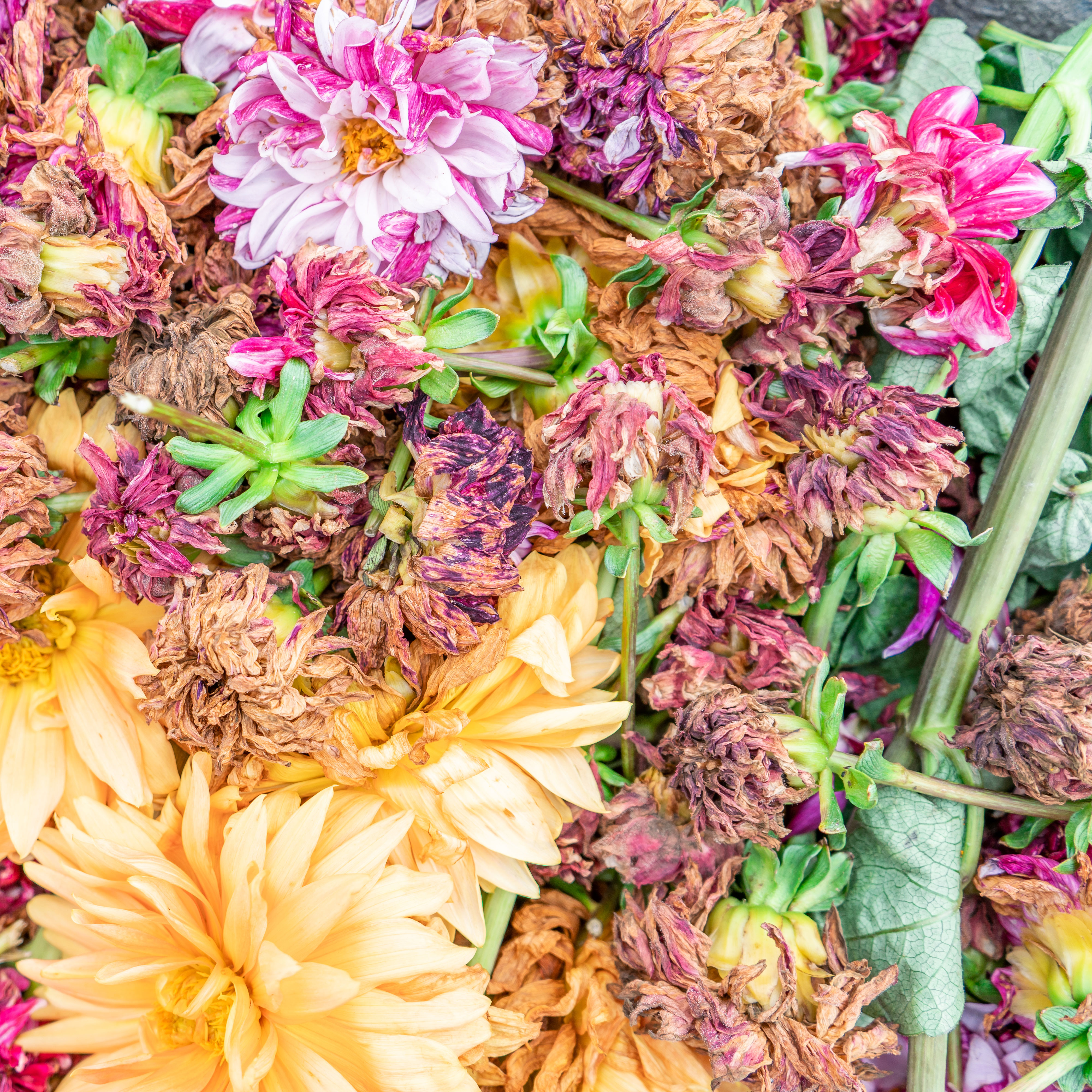
Cold weather can harm bamboo plants in many ways. It is important to spot the signs early. This helps to protect the plant and keep it healthy.
Below are common signs of cold damage in bamboo. They show problems in leaves, stems, and roots.
Leaf Discoloration And Drop
Leaves often show the first signs of cold damage. Look for changes in color and leaf loss.
- Leaves turn yellow or brown along the edges.
- Some leaves become dry and crispy.
- Leaves may fall off the plant prematurely.
- New growth might stop or slow down.
Stem And Root Issues
Cold can also harm bamboo stems and roots. Damage here can be more serious and harder to see.
| Symptom | Description |
|---|---|
| Stem discoloration | Stems turn dark or black near the base or nodes. |
| Soft or mushy stems | Frost can cause stems to become weak and collapse. |
| Root rot | Cold and wet soil can lead to root decay and poor plant health. |
| Slow growth | Damaged roots reduce water and nutrient uptake. |
Preparing Bamboo For Winter
Bamboo is a hardy plant but needs care to survive cold weather. Preparing it for winter helps prevent damage. Proper steps make bamboo strong through the cold months.
This guide covers how to choose the right site and prepare the soil. It also explains how to water bamboo correctly before winter arrives.
Site Selection And Soil Preparation
Select a site that protects bamboo from harsh winds. A spot near a wall or fence can block cold air. Good drainage is important to stop roots from freezing.
- Pick a location with partial sunlight
- Ensure soil drains well but holds some moisture
- Avoid low spots where water can collect
- Add mulch to keep soil temperature steady
- Use compost to enrich the soil before winter
Proper Watering Techniques
Water bamboo deeply before the ground freezes. This helps roots store water for winter. Avoid overwatering to prevent root rot.
| Watering Tips | Details |
| Frequency | Water once a week if dry |
| Amount | Enough to moisten soil 6 inches deep |
| Time | Water in the morning to reduce evaporation |
| Avoid | Waterlogging and wet leaves before cold nights |
Protective Measures
Bamboo can suffer in cold weather if not protected. Taking care of bamboo plants helps them survive winter months. Protective measures reduce damage from frost and freezing winds.
Two effective ways to protect bamboo are mulching and using covers or windbreaks. These methods keep the roots warm and shield the plant from harsh weather.
Mulching Benefits And Methods
Mulching helps keep bamboo roots warm during cold weather. It also keeps moisture in the soil and prevents frost from reaching the roots.
- Use thick layers of straw, leaves, or wood chips around the base.
- Apply mulch about 3 to 6 inches deep for best insulation.
- Keep mulch a few inches away from the bamboo stems to avoid rot.
- Replace mulch if it becomes wet or decomposed during winter.
Using Covers And Windbreaks
Covers and windbreaks protect bamboo from cold winds and frost damage. They create a shield that reduces temperature drops around the plant.
| Protective Item | Description | Usage Tips |
| Frost Cloth | Lightweight fabric to cover bamboo. | Secure loosely to allow air circulation. |
| Burlap Wrap | Thick fabric wrap for stems. | Wrap stems without damaging shoots. |
| Windbreak Fence | Barrier to block cold winds. | Place on windward side of bamboo clump. |
Post-winter Care
After cold weather, bamboo needs care to grow healthy again. Winter can harm its stems and roots. Taking care of bamboo helps it recover fast.
Focus on pruning damaged parts and feeding the plant. These steps help bamboo regain strength and look good.
Pruning Damaged Canes
Cut away any canes that look weak or broken. Remove dead parts to stop diseases and pests. Use clean, sharp tools for pruning.
- Look for canes that are brown or shriveled
- Cut them at the base near the soil
- Clear fallen leaves around the bamboo
- Dispose of the cut pieces properly
- Check for any new damage weekly
Fertilizing For Recovery
Fertilizing helps bamboo get nutrients back after winter. Use balanced fertilizer with nitrogen, phosphorus, and potassium. Apply it in early spring.
| Fertilizer Type | Benefit | Application Time |
| Nitrogen-rich | Supports leaf and cane growth | Early spring |
| Phosphorus-rich | Strengthens roots | Early spring |
| Potassium-rich | Improves overall plant health | Early spring |
Credit: www.gardeningknowhow.com
Choosing The Right Bamboo Variety
Bamboo can be a beautiful addition to cold gardens. But not all bamboo types survive frost well. Picking the right variety helps it grow strong in cold weather.
Some bamboo types handle cold better than others. Knowing which ones work helps you protect your plants in winter.
Clumping Vs Running Bamboo In Cold Climates
Clumping bamboo grows in tight groups. It spreads slowly and stays in one place. This makes it easier to protect in cold areas.
Running bamboo spreads fast with long underground roots. It can take over a garden if not controlled. Some running types handle cold well, but they need space and care.
- Clumping bamboo is easier to manage in frost zones.
- Running bamboo grows quickly and can survive cold if chosen carefully.
- Both types need mulch and shelter in harsh winters.
Recommended Species For Frost Zones
Some bamboo species stand out for cold weather. They can survive temperatures below freezing. Choose these for gardens in frost zones.
- Fargesia:A clumping bamboo that handles cold well. It grows best in shade and moist soil.
- Phyllostachys:Running bamboo with cold tolerance. It can survive short freezes and grows tall.
- Bambusa:Some types tolerate mild frost. They prefer warmer spots but can survive winter with care.
Credit: www.gardeningknowhow.com
Frequently Asked Questions
Can Bamboo Survive Freezing Temperatures?
Yes, some bamboo species can tolerate freezing temperatures. Cold-hardy varieties like Phyllostachys and Fargesia survive below freezing. Proper mulching and shelter improve survival rates in cold climates.
Which Bamboo Types Resist Cold Weather Best?
Clumping bamboos like Fargesia and running types like Phyllostachys are most cold-tolerant. They endure temperatures as low as -20°F (-29°C). Choosing these species helps grow bamboo in colder regions.
How To Protect Bamboo From Frost Damage?
Cover young bamboo with frost cloth or burlap during cold snaps. Mulch the roots to retain warmth and moisture. Avoid pruning before winter to reduce plant stress and damage.
Does Bamboo Die In Extreme Cold?
Bamboo may die if exposed to prolonged extreme cold below its tolerance. However, hardy species often survive by going dormant. Proper care increases bamboo’s chances of surviving harsh winters.
Conclusion
Bamboo can survive cold weather with the right care. Some types handle frost better than others. Protect young shoots from freezing temperatures. Mulch helps keep roots warm and moist. Choose hardy bamboo varieties for colder zones. Watch for signs of cold damage regularly.
With simple steps, bamboo stays healthy in winter. Growing bamboo in cold places is possible. Just give it some extra attention and care. Your bamboo can thrive, even in chillier climates.