How Did Dry Tortugas Survive 2017 Hurricane: Unbelievable Resilience Revealed
Imagine the relentless force of a hurricane barreling towards a tiny group of islands. Picture the swirling winds and crashing waves.
Now, consider the Dry Tortugas, a remote national park in Florida, bracing for the impact of Hurricane Irma in 2017. How did these islands withstand such a powerful storm? How did the wildlife and historic structures manage to survive? You might be curious about the secrets that helped this fragile ecosystem endure.
Understanding these survival tactics could change how you perceive resilience and nature’s ability to adapt. Stay with us to uncover the intriguing story of nature’s strength and the human efforts to protect this unique paradise.
Dry Tortugas Location And Climate
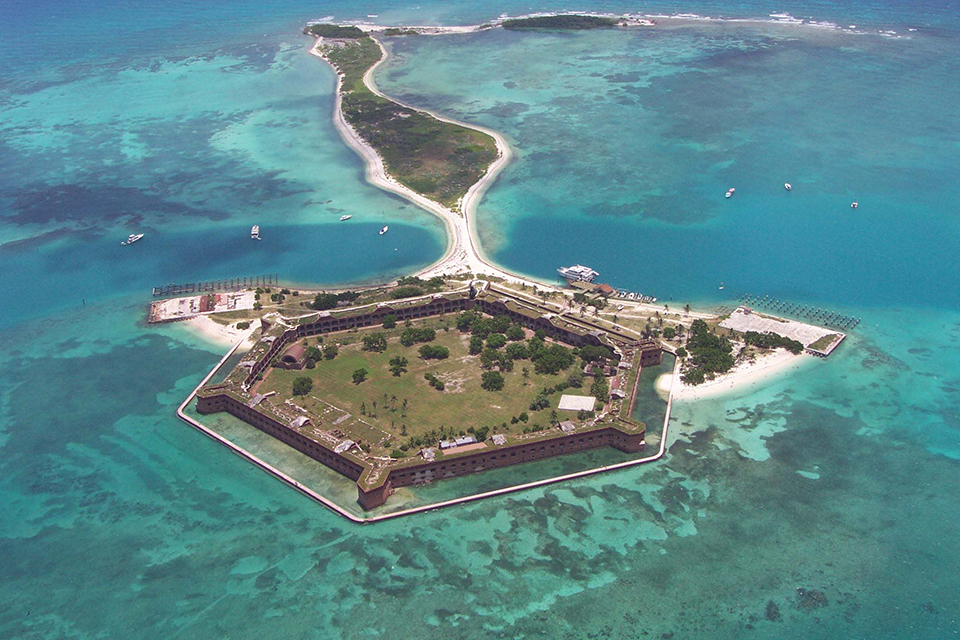
Dry Tortugas is a group of small islands in the Gulf of Mexico. It is known for its remote location and natural beauty.
The islands have a unique climate that helped them survive the 2017 hurricane. Understanding their location and weather is key.
Geographic Position
Dry Tortugas lies about 70 miles west of Key West, Florida. It is part of the Florida Keys archipelago.
The islands are surrounded by deep waters and coral reefs. This remote setting helps protect them from strong ocean waves.
Typical Weather Patterns
The climate is tropical and marine. Dry Tortugas has warm temperatures year-round and moderate rainfall.
Hurricane season runs from June to November. Storms can be strong, but the islands often avoid the worst damage.
- Average temperature: 75°F to 85°F
- Rainy season: June to October
- Hurricane season: June to November
- Protected by coral reefs and shallow waters
2017 Hurricane Overview
In 2017, a powerful hurricane hit the Florida Keys and nearby areas. The storm caused damage but Dry Tortugas showed strong resistance.
This article explains the storm’s path and intensity. It also looks at the hurricane’s impact on the Florida Keys.
Storm Path And Intensity
The hurricane formed in the Atlantic Ocean and moved west. It reached the Florida Keys as a Category 4 storm.
The storm had very strong winds and heavy rain. It caused high waves and flooding in some areas.
- Started as a tropical storm in the Atlantic
- Grew into a Category 4 hurricane near Florida
- Winds reached speeds over 130 mph
- Heavy rainfall and storm surge affected coastal areas
Impact On Florida Keys
The Florida Keys faced strong winds and flooding. Many buildings were damaged, and power was lost in some parts.
Dry Tortugas, a group of small islands, survived better than expected. Its remote location and natural barriers helped protect it.
- Strong winds caused damage to some areas
- Flooding affected low-lying parts of the Keys
- Dry Tortugas had less damage due to its isolation
- Natural reefs helped break the storm waves
Dry Tortugas Before The Hurricane
The Dry Tortugas are a group of small islands in the Gulf of Mexico. Before the 2017 hurricane, the islands had unique natural and built features. These helped the area face storms better.
This article looks at the environmental conditions and the infrastructure on Dry Tortugas before the hurricane hit. These factors played a role in how well the islands survived.
Environmental Conditions
The Dry Tortugas have clear waters and coral reefs surrounding them. These natural features reduce wave energy and protect the islands. The coral reefs act as a barrier during storms.
- Warm tropical climate with steady winds
- Coral reefs that absorb wave impact
- Low-lying flat islands vulnerable to flooding
- Vegetation that helps hold the sand and soil
- Limited freshwater sources on the islands
Infrastructure And Preparedness
Before the hurricane, Dry Tortugas had basic but strong infrastructure. Buildings were designed to handle tropical storms. The park service had plans ready for severe weather.
| Type | Details |
| Buildings | Concrete and reinforced structures |
| Communication | Satellite phones and emergency radios |
| Evacuation Plans | Clear routes and transport options |
| Supplies | Food, water, and medical kits stored safely |
| Staff Training | Regular drills for hurricane response |
Factors Behind Dry Tortugas’ Resilience
The Dry Tortugas islands showed strong survival during the 2017 hurricane. Several natural features helped protect the islands. These features worked together to reduce damage.
This article explains the key factors that made the Dry Tortugas resilient. We look at natural barriers, island shape, and plant life.
Natural Barriers And Coral Reefs
The coral reefs around Dry Tortugas act as natural shields. They break the power of waves before they reach the shore. This reduces flooding and erosion on the islands.
- Coral reefs absorb wave energy
- Shallow reefs slow storm surges
- Barrier reefs protect shorelines
- Reefs create calmer waters near islands
Elevation And Island Topography
The islands have higher ground in some areas. This elevation helps keep water from covering the whole island. The shape of the land also guides water away from key spots.
| Feature | Effect During Hurricane |
| Higher Elevation Areas | Prevent flooding |
| Natural Slopes | Guide water flow away |
| Sandy Beaches | Absorb wave impact |
Vegetation And Ecosystem Strength
Plants on the islands help hold the soil in place. Their roots stop sand and dirt from washing away. The healthy ecosystem also supports animals that help keep the land stable.
Key plants and their benefits:
- Seagrass: Reduces water speed and holds sediment
- Mangroves: Act as wind and water barriers
- Salt-tolerant shrubs: Protect soil from erosion
Response During The Hurricane
The Dry Tortugas faced a powerful hurricane in 2017. The response was quick to protect people and nature.
Teams worked hard to reduce damage and keep everyone safe during the storm.
Emergency Measures Taken
Before the hurricane hit, the area was evacuated to keep visitors and staff safe. Supplies and equipment were secured to avoid damage.
Communication lines were kept open to monitor the storm and share updates. After the hurricane passed, teams quickly checked for damage and helped with repairs.
- Evacuated all visitors and staff early
- Secured buildings and important equipment
- Monitored weather closely with communication tools
- Conducted fast damage assessments after the storm
- Started repairs to restore facilities and trails
Role Of National Park Services
The National Park Service led the response efforts at Dry Tortugas. They planned the evacuation and coordinated safety measures.
Park rangers stayed alert during the hurricane. They worked with other agencies to manage rescue and repair efforts afterward.
- Organized safe evacuation plans
- Protected park resources before the storm
- Coordinated with local and federal agencies
- Assessed environmental impact after the hurricane
- Helped restore the park for visitors

Credit: www.aol.com
Post-hurricane Recovery
The 2017 hurricane tested Dry Tortugas’ strength. The recovery process was crucial for the park’s survival. Teams worked hard to restore the area.
Careful planning helped the park bounce back after the storm. This effort involved many people and steps.
Damage Assessment
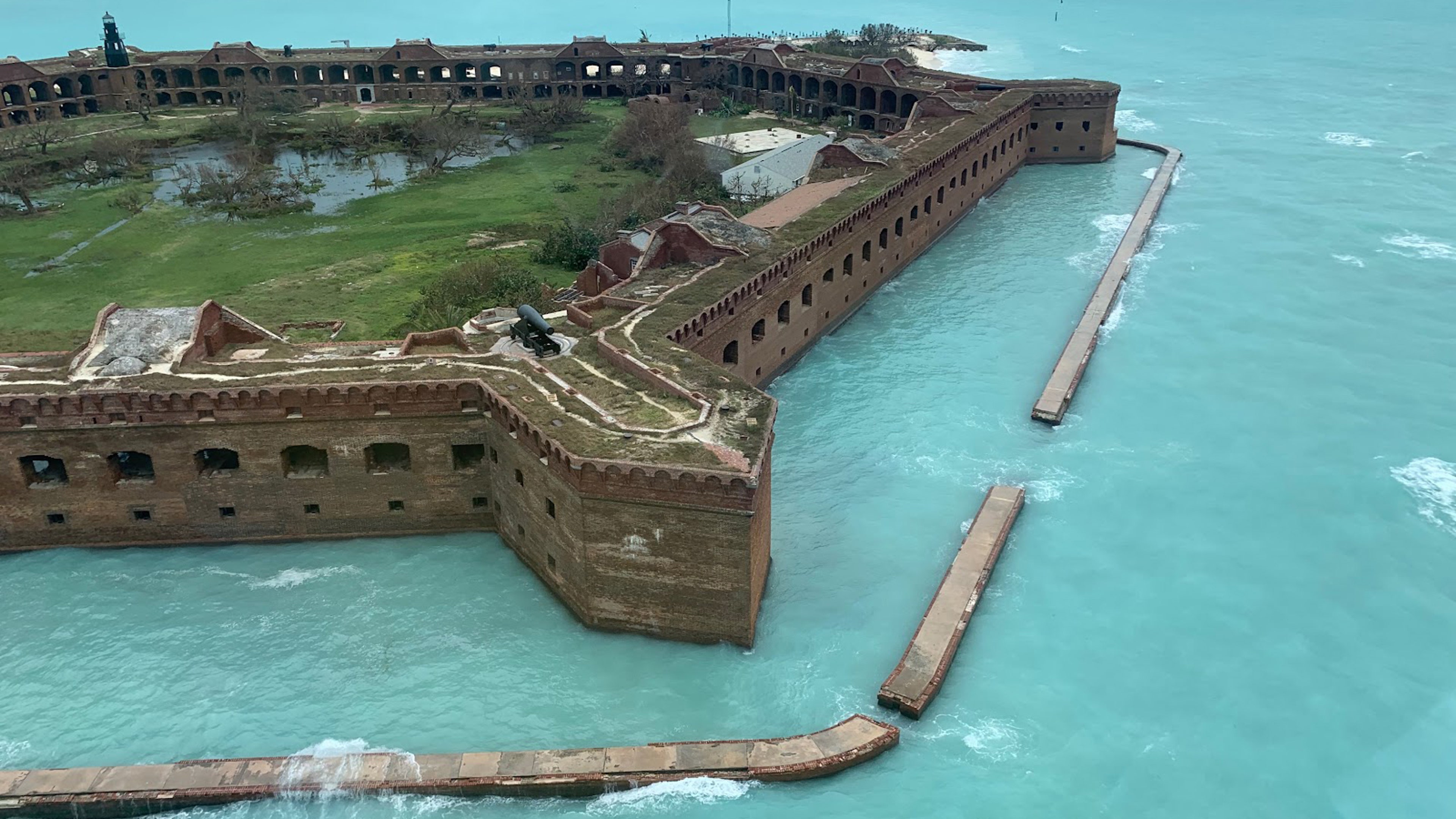
After the hurricane, experts checked the park for damage. They looked at buildings, docks, and natural areas. Some areas were flooded or had debris.
The team made detailed notes about what needed fixing. This helped them plan the next steps for recovery.
Restoration Efforts
Workers cleaned up debris and repaired structures quickly. They fixed docks and buildings to allow visitors again. Volunteers helped with many tasks.
Natural areas were restored by planting native plants and removing damaged trees. These actions helped the park return to normal.
- Cleared debris from trails and beaches
- Repaired visitor facilities and docks
- Planted native vegetation to prevent erosion
- Monitored coastal areas for changes
Wildlife Impact And Recovery
The hurricane affected many animals and plants in the park. Some bird nests were lost, and coral reefs were damaged. Scientists watched wildlife closely.
Animals began to return as their habitats recovered. Conservation efforts helped protect fragile species. The park’s wildlife showed strong resilience.
- Bird populations monitored for nesting success
- Coral reefs assessed and cleaned
- Protected sea turtle nesting sites
- Wildlife surveys done regularly
Lessons From Dry Tortugas’ Survival
The Dry Tortugas islands faced Hurricane Irma in 2017. The storm was very strong and caused damage in many places. Yet, the islands survived with less damage than expected.
Studying how the Dry Tortugas survived helps us learn ways to protect coastal areas. It also guides future hurricane plans for safety and resilience.
Implications For Coastal Resilience
The islands showed that natural barriers can reduce hurricane damage. Coral reefs and mangroves acted as shields against strong waves and wind. This helped keep the land and buildings safer.
- Protect and restore coral reefs to reduce wave energy
- Preserve mangrove forests for flood protection
- Use natural landscapes to absorb storm impacts
- Limit construction in vulnerable coastal zones
- Support community awareness about natural defenses
Future Hurricane Preparedness
Preparing for hurricanes requires strong plans and quick action. Dry Tortugas showed the value of early warnings and well-built shelters. Emergency services must be ready to respond fast.
| Preparation Step | Key Action | Benefit |
| Early Warning | Use weather alerts and communication | Gives time to evacuate and secure property |
| Strong Shelters | Build storm-resistant buildings | Protects people and reduces damage |
| Emergency Response | Train and equip rescue teams | Quick aid reduces harm after the storm |
| Community Plans | Organize evacuation and support systems | Keeps residents safe and informed |

Credit: www.aol.com
Credit: weather.com
Frequently Asked Questions
How Did Dry Tortugas Withstand Hurricane Irma In 2017?
Dry Tortugas survived Hurricane Irma due to its remote location and natural coral reefs. These reefs acted as barriers, reducing wave impact. The island’s low population and sturdy vegetation also helped minimize damage during the storm.
What Natural Features Protected Dry Tortugas From The Hurricane?
Coral reefs surrounding Dry Tortugas absorbed much of the hurricane’s energy. Mangroves and coastal vegetation further shielded the islands. Together, these features reduced erosion and flooding, preserving the island’s ecosystem during Hurricane Irma.
Was There Significant Damage To Dry Tortugas After Hurricane Irma?
Dry Tortugas experienced minimal damage from Hurricane Irma compared to mainland Florida. Some vegetation was affected, but the island’s infrastructure remained largely intact. Quick recovery efforts helped restore the natural habitat and visitor facilities efficiently.
How Do Coral Reefs Help Islands Survive Hurricanes?
Coral reefs act as natural breakwaters, reducing wave strength before reaching shore. They protect coastlines from severe erosion and flooding. Healthy reefs are vital for island resilience during hurricanes, as seen in Dry Tortugas during Hurricane Irma.
Conclusion
Dry Tortugas showed strong resilience during the 2017 hurricane. Its natural barriers and careful planning helped protect the area. The island’s coral reefs absorbed much of the storm’s force. Quick action by authorities minimized damage and ensured safety. This event highlights the importance of preserving nature and preparing for storms.
Dry Tortugas stands as a symbol of strength and hope. Visitors can appreciate its beauty and the power of nature’s protection.