Can You Survive a Category 3 Hurricane? Essential Survival Tips
Imagine staring out your window as the wind howls and the rain lashes against the glass. Your heart races as you brace for the impact of a Category 3 hurricane.
It’s a scenario that no one wants to face, but understanding how to survive such a powerful storm is crucial. Are you prepared to protect yourself and your loved ones when nature shows its fierce side? This guide will unravel the essential steps and tips you need to ensure your safety.
You’ll discover how to fortify your home, stock up on crucial supplies, and stay calm amidst the chaos. Dive in to equip yourself with the knowledge that could make all the difference when the storm hits.
Category 3 Hurricane Basics
A Category 3 hurricane is a strong tropical storm with dangerous winds. It can cause serious damage to homes and landscapes. Knowing the basics helps you prepare and stay safe.
This guide covers wind speeds, storm surge risks, and common hazards during a Category 3 hurricane. Learn what to expect and how to protect yourself.
Wind Speeds And Damage Potential
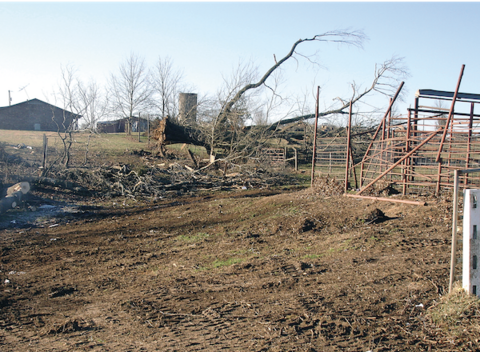
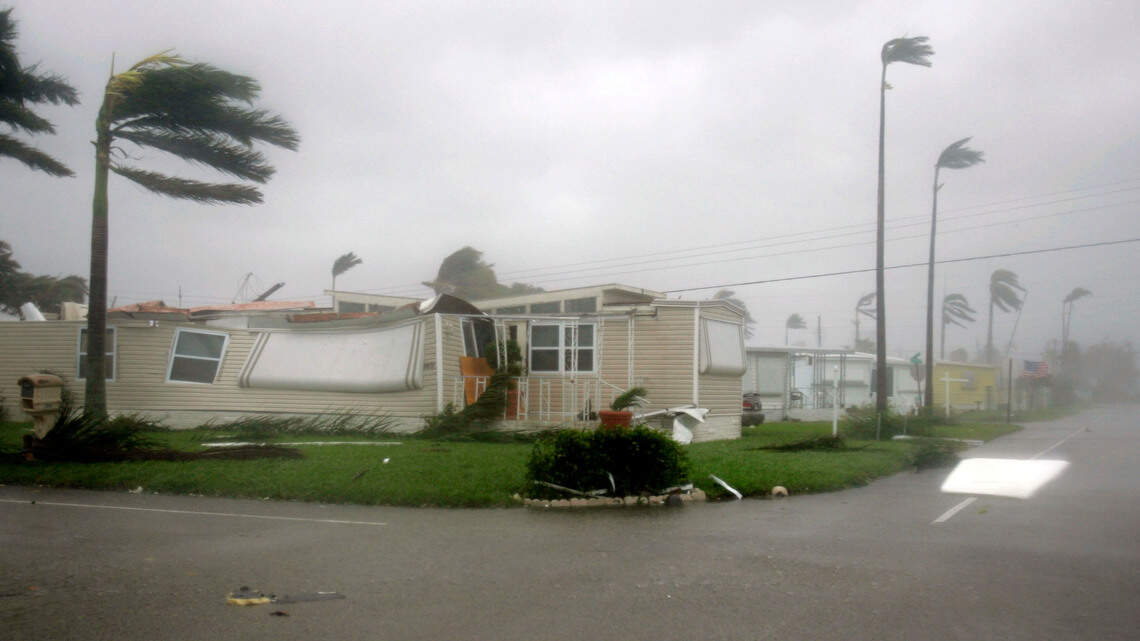
Category 3 hurricanes have wind speeds between 111 and 129 miles per hour. These winds can break windows, damage roofs, and knock down trees and power lines.
- Roofs can be severely damaged or torn off
- Large trees may be uprooted
- Power outages are common and may last days
- Flying debris can cause injuries and property damage
Storm Surge Risks
Storm surge is the rise of seawater caused by the hurricane’s winds. It can flood coastal areas and cause severe damage to buildings and roads.
| Storm Surge Height | 6 to 9 feet |
| Areas Affected | Low-lying coastal zones |
| Damage Type | Flooding, erosion, saltwater damage |
| Safety Tip | Evacuate if advised by authorities |
Common Hazards
During a Category 3 hurricane, many hazards put people and property at risk. Knowing these dangers helps you avoid harm.
- Falling trees and branches
- Flooded roads and homes
- Power outages and downed electrical lines
- Flying debris from broken windows and signs
- Contaminated water from floods

Credit: www.youtube.com
Preparing Your Home
Preparing your home before a Category 3 hurricane can reduce damage. Taking time to secure your house helps protect your family and belongings.
This guide covers key steps to prepare your home. Focus on windows, doors, the roof, and outdoor areas.
Securing Windows And Doors
Windows and doors are vulnerable to strong winds and flying debris. Protecting them is vital to keep your home safe.
- Install storm shutters or plywood covers on all windows.
- Use heavy-duty tape on glass to prevent shattering.
- Reinforce doors with extra locks or bars.
- Check weather stripping to reduce water leaks.
- Secure garage doors with braces or anchors.
Reinforcing The Roof
The roof faces the strongest winds during a hurricane. Strengthening it lowers the risk of severe damage or collapse.
| Reinforcement Task | Recommended Action |
| Shingles | Replace loose or damaged shingles before the storm. |
| Roof Nails | Use ring-shank nails for better hold. |
| Roof Bracing | Add hurricane straps to secure the roof frame. |
| Gutters | Clear gutters to allow proper drainage. |
Clearing Outdoor Debris
Loose objects outside can become dangerous projectiles during high winds. Clearing your yard helps reduce damage.
- Pick up toys, garden tools, and furniture.
- Trim tree branches near your home.
- Secure trash cans and bins in a shed or garage.
- Remove loose roofing materials or siding pieces.
- Store or tie down grills and propane tanks.
Emergency Supplies Checklist
Preparing for a Category 3 hurricane means having the right supplies ready. A good checklist helps you stay safe and comfortable.
Gather your emergency items early. This guide covers food, medical kits, and tools you need for the storm.
Food And Water Essentials
Pack enough food and water for at least three days. Choose items that do not need cooking or refrigeration.
- Bottled water—one gallon per person daily
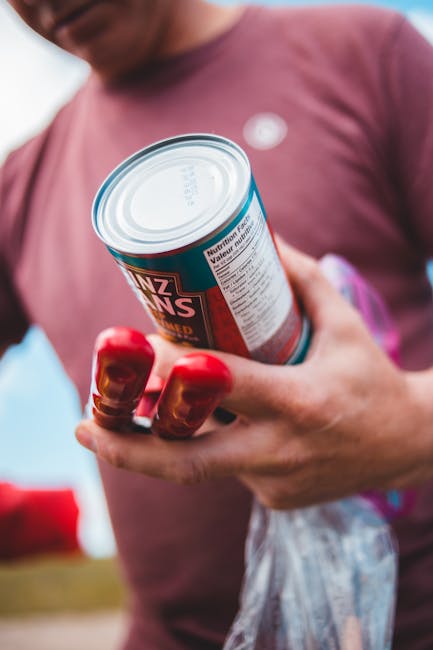
- Non-perishable foods like canned beans and vegetables
- Energy bars and dried fruits
- Manual can opener
- Baby formula or pet food if needed
Medical And First Aid Kits
Your first aid kit should be easy to access. Include supplies to treat minor injuries and common illnesses.
| Item | Purpose |
| Bandages | Cover cuts and wounds |
| Antiseptic wipes | Clean injuries |
| Pain relievers | Reduce pain and fever |
| Prescription medications | Maintain health conditions |
| Thermometer | Check for fever |
Tools And Communication Devices
Keep tools and devices ready to help you stay informed and fix small problems during the hurricane.
- Battery-powered or hand-crank radio for weather updates
- Flashlights with extra batteries
- Multi-tool or pocket knife
- Charged mobile phone and portable charger
- Whistle to signal for help
Evacuation Strategies
Preparing for a Category 3 hurricane means having a clear evacuation plan. Knowing when and where to go is key to staying safe. This guide covers important steps to help you make smart choices.
Follow these strategies to protect yourself and your family during a storm. Planning ahead reduces risks and makes evacuation smoother.
When To Evacuate
Leaving early gives you time to avoid traffic and dangerous conditions. Pay attention to local alerts and warnings from authorities. Evacuate if told to leave or if your home is in a flood zone.
- Monitor weather updates regularly.
- Follow evacuation orders without delay.
- Plan to leave at least 24 hours before the storm arrives.
- Have a backup plan if roads are closed.
Choosing Safe Shelters
Select shelters that are outside flood zones and built to withstand strong winds. Confirm the shelter’s capacity and rules before you go. Bring necessary supplies and identification.
| Shelter Type | Location | Features |
| Community Center | Elevated area | Emergency supplies, restrooms |
| School Gym | Inland area | Large capacity, security |
| Hotel | Out of flood zone | Private rooms, food services |
Planning Transportation
Arrange transportation early, especially if you lack a personal vehicle. Know your route and check road conditions. Keep your vehicle fueled and ready.
- Identify multiple evacuation routes.
- Coordinate rides with family or neighbors.
- Use public transport if needed.
- Have emergency supplies in your vehicle.
Staying Safe During The Storm
Category 3 hurricanes bring strong winds and heavy rain. Staying safe during the storm means preparing well and following safety rules.
This guide covers how to stay safe indoors, avoid floods, and handle power outages during the hurricane.
Indoor Safety Tips
Stay inside a small, windowless room on the lowest floor. Keep away from glass and doors. Use battery-powered lights instead of candles to avoid fire risk.
- Close all interior doors and secure windows with shutters.
- Keep a supply of water, food, and medicines nearby.
- Turn off gas and unplug electrical devices.
- Wear sturdy shoes if you need to move around.
- Listen to emergency alerts on a battery radio.
Avoiding Flooded Areas
Floodwaters can hide dangerous debris and strong currents. Avoid walking or driving through flooded streets to stay safe.
| Action | Reason |
| Do not drive through water | Cars can be swept away easily |
| Stay away from moving water | Strong currents can knock you down |
| Keep children and pets indoors | Prevent accidental drowning |
| Use sandbags to block water entry | Protect your home from flooding |
Handling Power Outages
Power outages are common during hurricanes. Prepare to stay safe and comfortable without electricity.
- Use flashlights or battery lanterns for light.
- Keep refrigerator and freezer doors closed to preserve food.
- Turn off all appliances to avoid surges when power returns.
- Have a charged power bank for your phone.
- Never use gas or charcoal grills indoors for heat or cooking.
Credit: www.bradenton.com
Post-hurricane Actions
After a Category 3 hurricane, your safety and health come first. Knowing what to do can help you recover faster.
Follow these steps to check damage, get help, and stay safe from sickness and injury.
Assessing Damage Safely
Before you check your home, wait for official word that the area is safe. Wear sturdy shoes and gloves. Watch out for broken glass and sharp objects.
- Look for downed power lines and avoid them.
- Do not enter flooded areas or buildings with structural damage.
- Use a flashlight, not a candle, to avoid fire hazards.
- Take photos of damage for insurance claims.
Accessing Emergency Services
If you need help, call emergency services only for serious injuries or danger. Use text messages if phone lines are busy. Listen to local news for updates on shelters and aid stations.
| Service | Contact Method | When to Use |
| Police | Call 911 | Crimes or urgent safety issues |
| Fire Department | Call 911 | Fire or rescue needs |
| Medical Help | Call 911 or local hospital | Serious injuries or illness |
| Red Cross Shelter | Local phone number or visit | When you need a safe place |
Preventing Illness And Injury
Stay clean and dry to avoid sickness. Drink only bottled or boiled water. Throw away food that touched floodwater.
- Wash hands often with soap and water.
- Wear gloves when handling debris.
- Use insect repellent to prevent bites.
- Get medical care for cuts or infections quickly.

Credit: www.youtube.com
Frequently Asked Questions
What Are The Dangers Of A Category 3 Hurricane?
Category 3 hurricanes bring deadly winds of 111-129 mph. They cause severe structural damage, power outages, and flooding. Storm surges can flood coastal areas, making them life-threatening. Preparing early and following evacuation orders is crucial to survive these dangers.
Can You Stay Safe Indoors During A Category 3 Hurricane?
Yes, staying indoors in a sturdy, windowless room is safest. Avoid windows and glass doors to prevent injury from flying debris. Use emergency supplies, stay informed via radio, and keep communication devices charged. This reduces risk from strong winds and flooding.
How Should You Prepare For A Category 3 Hurricane?
Prepare by securing your home, stocking food, water, and medical supplies. Create an emergency evacuation plan and know local shelters. Protect important documents in waterproof containers. Early preparation increases survival chances and minimizes damage during the hurricane.
Is Evacuation Necessary For A Category 3 Hurricane?
Evacuation is often necessary for low-lying and coastal areas. Follow local authorities’ instructions promptly. Not evacuating can expose you to life-threatening conditions like flooding and wind damage. Always prioritize safety and have a clear evacuation route planned.
Conclusion
Surviving a Category 3 hurricane takes careful planning and quick action. Know the risks and prepare your home and family ahead of time. Stay informed with reliable weather updates during the storm. Follow safety rules and evacuate if officials advise.
Keep emergency supplies ready and protect important documents. Staying calm helps you think clearly in tough moments. A strong mindset and good preparation increase your chances of staying safe. Facing a hurricane is tough, but being ready makes a big difference.
Stay alert, stay safe, and take every warning seriously.