Can Gerbils Survive Cold Weather? Essential Survival Tips
When the temperature drops, you might find yourself wondering how your beloved gerbil handles the cold. As a responsible pet owner, you want to ensure that your tiny friend is safe and comfortable, no matter the weather.
But can gerbils really survive cold weather? The answer may surprise you. Understanding the unique needs of your gerbil can make all the difference in their health and happiness. We’ll dive into the fascinating world of gerbil care during chilly months, arming you with essential tips and insights.
Don’t let the cold catch you off guard—read on to discover how you can keep your furry companion warm and thriving.

Credit: www.jcehrlich.com
Gerbils And Cold Weather
Gerbils are small rodents often kept as pets. People wonder if they can live in cold weather. Understanding their needs helps keep them safe.
This article explains where gerbils come from, how much cold they can handle, and signs they show if cold hurts them.
Gerbil Natural Habitat
Wild gerbils live in dry, warm places. They come from deserts and grasslands in Asia and Africa. These areas have hot days and cool nights.
They are used to mild temperatures and dry air. They do not naturally live in very cold regions or wet climates.
Temperature Tolerance
Gerbils tolerate temperatures between 65°F and 80°F. They can handle a little cooler or warmer weather if it is short.
Temperatures below 60°F can make them cold and sick. They do not have thick fur to stay warm in cold weather. Owners should keep their homes warm in winter.
Signs Of Cold Stress
When gerbils are cold, they show clear signs. Watch for shivering and huddling in corners. They may stop moving much.
Other signs include slow breathing, loss of appetite, and lethargy. If you see these, warm them slowly and check their environment.
- Shivering or trembling
- Huddling or curling up
- Less movement or activity
- Slow or shallow breathing
- Not eating or drinking
Preparing The Cage For Winter
Gerbils are small animals sensitive to cold. Preparing their cage helps keep them warm and safe. You need to make changes before winter arrives.
This guide covers how to insulate the habitat, use safe heating, and choose bedding and nesting materials for cold weather.
Insulating The Habitat
Insulation keeps the cage warm by blocking cold air. Use materials that do not harm your gerbil.
- Place the cage away from drafts and windows.
- Cover the cage sides with thick cloth or foam boards.
- Use a cage cover or blanket at night to keep heat in.
- Ensure good airflow to avoid moisture buildup.
Safe Heating Options
Gerbils need warmth but not strong heat sources. Use gentle heating methods only.
| Heating Method | Safety Notes |
| Heat pads | Use low heat and place under part of cage |
| Warm water bottles | Wrap in cloth, check temperature often |
| Room heaters | Keep room warm but avoid hot spots |
| Heating lamps | Not recommended due to risk of burns |
Bedding And Nesting Materials
Choose bedding that keeps your gerbil warm and dry. Provide nesting materials for extra insulation.
- Use paper-based or aspen shavings as bedding.
- Add soft nesting materials like shredded paper or hay.
- Replace bedding often to keep it clean and dry.
- Avoid cedar or pine wood shavings, as they can harm gerbils.
Diet Adjustments For Cold
Gerbils need special care during cold weather. Their diet should change to help them stay warm. Proper food helps keep their energy high and their body temperature stable.
Adjusting what and how much you feed your gerbil can make a big difference. This guide explains what to focus on in their diet during winter.
Nutritional Needs In Winter
Gerbils need extra calories in cold weather. They burn more energy to keep warm. Protein and fat are important parts of their diet.
Give foods that are rich in these nutrients. Seeds, nuts, and small amounts of cooked egg can help. Avoid too many sugary treats as they do not provide lasting energy.
- Increase protein with sunflower seeds or pumpkin seeds
- Add healthy fats from nuts like almonds or walnuts
- Include small amounts of boiled egg for extra protein
Hydration Tips
Cold weather can make gerbils drink less water. Keep water fresh and check the bottle often. Use a bottle with a metal spout to prevent freezing.
Offer water at room temperature. You can also provide fresh fruits with high water content. This helps keep gerbils hydrated during winter.
- Change water daily to keep it fresh
- Use a metal water bottle to stop freezing
- Give small pieces of apple or cucumber for extra fluids
Foods To Boost Warmth
Some foods help gerbils generate more body heat. Warm foods with fats and proteins work best. Avoid cold or watery foods that lower body temperature.
Mix in small amounts of oats and grains. These help produce energy slowly. Add sunflower seeds or nuts for extra fat and warmth.
- Oats and grains for slow energy release
- Sunflower seeds for healthy fats
- Small nuts like almonds for warmth
Monitoring Health During Cold
Gerbils are small animals that are sensitive to cold weather. Watching their health closely during cold times is important. Cold can make them sick quickly.
Keeping an eye on your gerbil helps catch problems early. This way, you can keep them safe and healthy all winter long.
Behavioral Changes To Watch
Cold weather can change how your gerbil acts. Look for signs that show they are not feeling well. These signs include less movement and hiding more than usual.
Other behaviors to watch are shaking or shivering, and eating less food. These changes can mean your gerbil is too cold or getting sick.
- Less active than normal
- Hiding or burrowing more
- Shivering or shaking
- Eating or drinking less
- Sleeping more than usual
Common Cold-related Illnesses
Cold weather can cause health problems for gerbils. They may get respiratory infections or colds that make breathing hard. These illnesses need quick attention.
Other common issues include pneumonia and skin problems from dampness. Watch for sneezing, coughing, or runny nose as signs of illness.
- Respiratory infections
- Sneezing and coughing
- Runny nose or eyes
- Pneumonia
- Skin irritation from damp bedding
When To Consult A Vet
See a vet if your gerbil shows serious signs of sickness. Quick action helps avoid worse health problems. If your pet stops eating or moves very little, get advice from a professional.
Other reasons to visit the vet include labored breathing, constant sneezing, or swelling. Early care can save your gerbil’s life during cold times.
- Refuses food or water for more than one day
- Breathing is fast or noisy
- Continuous sneezing or coughing
- Swelling or lumps on the body
- Very weak or unresponsive behavior
Outdoor Exposure Risks
Gerbils are small animals that do not handle cold well. Cold weather can cause serious health problems for them.
Outdoor exposure puts gerbils at risk of hypothermia, frostbite, and stress. These risks are dangerous and sometimes fatal.
Why Avoid Outdoor Housing
Gerbils are desert animals and prefer warm, dry places. Outdoor environments are often too cold and damp for them.
Outdoor cages expose gerbils to harsh winds, rain, and sudden temperature drops. These conditions can weaken their immune systems.
- Cold temperatures cause low body heat
- Wet bedding can lead to illness
- Predators are a bigger threat outside
- Strong winds increase stress levels
Safe Indoor Alternatives
Keeping gerbils indoors protects them from cold weather dangers. Indoor spaces are easier to control for warmth and safety.
Place their cage in a quiet room away from drafts and heaters. Use bedding that helps keep them warm and dry.
- Use soft, absorbent bedding like paper or aspen
- Keep room temperature between 65°F and 75°F
- Avoid placing cage near windows or doors
- Provide hideouts for extra warmth
Emergency Cold Weather Care
If your gerbil gets too cold, act quickly to warm it up. Use safe methods to avoid burns or stress.
Keep the gerbil warm with gentle heat and dry bedding. Watch for signs of illness and contact a vet if needed.
- Wrap in a soft towel or blanket
- Use a warm water bottle wrapped in cloth
- Keep the cage dry and cozy
- Offer fresh food and water to boost energy
- Seek veterinary help for shivering or lethargy
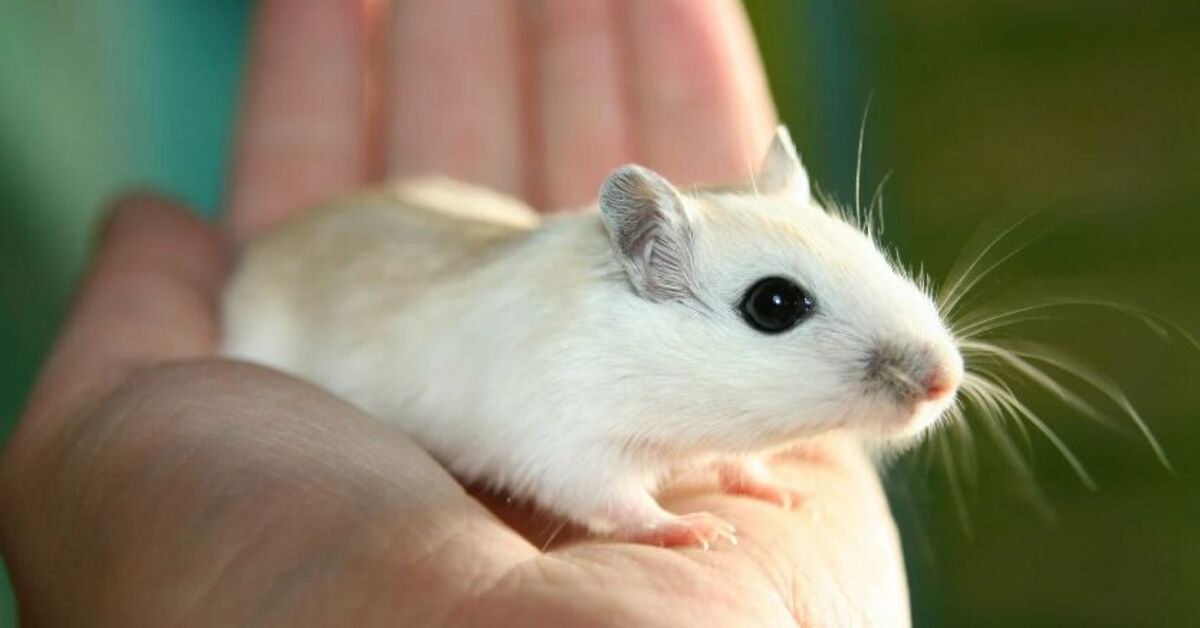
Credit: www.petguide.com

Credit: www.aol.com
Frequently Asked Questions
Can Gerbils Survive In Cold Outdoor Weather?
Gerbils are sensitive to cold and cannot survive harsh outdoor weather. They need a warm, stable indoor environment to thrive. Exposure to cold can cause health issues or death.
What Temperature Is Safe For Pet Gerbils?
The ideal temperature for gerbils is between 65°F and 75°F (18°C to 24°C). Temperatures below 60°F can stress them, so avoid cold drafts and sudden changes.
How To Keep Gerbils Warm During Winter?
Provide a cozy enclosure away from cold windows or vents. Use bedding like shredded paper or hay for insulation. Maintain room temperature and consider a small heating pad if needed.
Do Gerbils Hibernate In Cold Conditions?
Gerbils do not hibernate. Instead, they become lethargic and stressed when cold. Proper warmth and care are essential to keep them healthy during winter months.
Conclusion
Gerbils do not handle cold weather well. They need warm, cozy places to stay safe. Always keep their cage inside a warm room. Avoid placing them near windows or drafts. Provide extra bedding for insulation during cold days. Watch for signs of cold stress like shivering or lethargy.
Healthy, warm gerbils stay active and happy. Caring for their environment helps them live longer. Protect your pets from cold to keep them healthy. Simple steps can make a big difference in their comfort.