Can Maggots Survive in Cold Weather? Shocking Truth Revealed
Are you curious about how resilient maggots can be, especially when the temperature drops? You’re not alone.
The world of insects is full of surprises, and maggots are no exception. These tiny creatures often evoke a mix of fascination and revulsion, but their ability to adapt to harsh conditions is nothing short of amazing. If you’ve ever wondered whether maggots can survive in cold weather, you’re about to discover some intriguing facts.
Unravel the mysteries of these persistent little larvae, and find out how their survival skills might just surprise you. Stay with us as we delve into the chilly world of maggots and uncover the secrets of their cold weather endurance.
Maggot Biology Basics
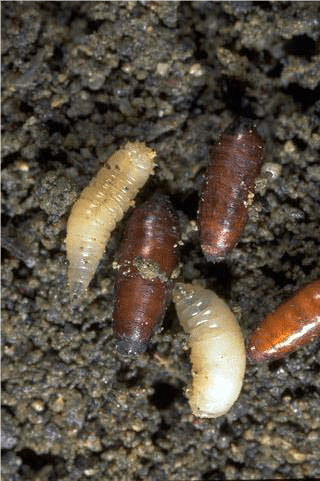
Maggots are the larval stage of flies. They have soft, worm-like bodies without legs.
They play an important role in nature by breaking down dead animals and plants.
Lifecycle Stages
Flies lay eggs that hatch into maggots. Maggots grow by eating organic matter.
After growing, maggots turn into pupae. Then they become adult flies.
- Egg: tiny and white, laid on food or waste
- Maggot: larva that feeds and grows
- Pupa: resting stage inside a hard shell
- Adult: fly that can reproduce
Preferred Environments
Maggots grow best in warm and moist places. They like rotting food and animal remains.
Cold weather slows their growth. Some maggots cannot survive freezing temperatures.
- Warmth helps maggots grow fast
- Moisture is needed for survival
- Rotting organic matter provides food
- Cold can stop their development

Credit: www.anglingdirect.co.uk
Impact Of Cold On Maggots
Maggots are the larval stage of flies. They usually grow in warm places.
Cold weather affects how maggots survive and develop. Their body processes slow down in low temperatures.
Temperature Tolerance
Maggots can live in cool temperatures but only to a limit. Below a certain point, cold stops their growth.
Most maggots do not survive if temperatures drop below freezing. They need warmth to stay active.
- Ideal temperature for maggots: 20°C to 30°C (68°F to 86°F)
- Growth slows below 10°C (50°F)
- Freezing temperatures usually kill maggots
Behavioral Adaptations
Maggots try to avoid cold by moving to warmer places. They stay inside decaying matter for heat.
Some maggots burrow deeper into food or soil to escape cold air. This helps them survive cooler days.
- Moving to warmer spots in decaying materials
- Burrowing deeper into soil or food
- Reducing movement to save energy in cold
Survival Strategies In Winter
Maggots face tough conditions in cold weather. They use special ways to survive the winter months. These strategies help them stay alive until warmer days return.
Understanding how maggots survive cold can help us learn more about their life cycle and behavior.
Dormancy And Metabolism
Maggots slow down their body functions to save energy. This state is called dormancy. It helps them survive when food is scarce and temperatures drop.
Their metabolism decreases, which means they use less energy. This slow pace keeps them alive longer in cold weather.
- Body processes reduce to minimum
- Energy use drops to save reserves
- Growth and movement slow or stop
Microhabitats For Protection
Maggots find small places to hide from the cold. These microhabitats offer shelter and warmth. They can be under leaves, inside soil, or in decaying wood.
These spots protect maggots from freezing temperatures and harsh winds. Staying in these places increases their chance to survive winter.
- Underneath leaf litter
- Buried in soil or compost
- Inside rotting logs or wood

Credit: www.anglingdirect.co.uk
Scientific Studies And Findings
Scientists study if maggots can live in cold weather. This helps us know their survival limits.
Research shows maggots react differently to cold depending on species and conditions.
Laboratory Experiments
In labs, scientists place maggots in cold chambers. They watch how long maggots survive.
Some maggots enter a sleep-like state to save energy. This state is called diapause.
- Maggots survive short cold periods better than long ones
- Lower temperatures slow their growth and movement
- Some species resist freezing by producing special proteins
Field Observations
Researchers observe maggots in cold outdoor places. They check natural survival rates.
Cold weather reduces maggot numbers but does not kill all. Some find warm spots to survive.
- Maggots hide in soil or under leaves for warmth
- Snow can insulate and protect them from freezing
- Survival depends on how cold and how long the cold lasts
Common Myths About Maggots And Cold
Maggots are often seen as creatures that cannot survive cold weather. Many people think cold kills them instantly. This is not always true. Some maggots can resist freezing temperatures.
Understanding how maggots react to cold helps clear up many myths. Let’s look at what science and culture say about this topic.
Freezing Resistance
Maggots have some ability to survive cold weather. They use special chemicals in their bodies to avoid damage from freezing. This process is called freezing resistance.
- Maggots produce antifreeze proteins that lower the freezing point of their body fluids.
- They can survive short periods of freezing temperatures by entering a dormant state.
- Not all maggot species have the same level of cold resistance.
- Extended exposure to freezing weather usually kills most maggots.
Misconceptions In Popular Culture
Many stories and myths claim maggots freeze and die instantly in winter. Others say maggots never come out in cold weather. These ideas are often wrong or exaggerated.
| Myth | Truth |
| Maggots cannot survive any cold. | Some maggots can survive mild freezing by producing antifreeze proteins. |
| Maggots only live in warm weather. | Maggots can survive in cold climates by slowing their metabolism. |
| Cold kills maggots instantly. | Freezing causes harm but does not always kill maggots immediately. |
Practical Implications
Maggots usually need warmth to grow and survive. Cold weather changes how they live and die. This affects many real-life situations.
Knowing if maggots can live in cold helps in pest control and crime investigations. It gives useful clues about their behavior.
Pest Control In Cold Climates
Maggots slow down or stop growing in cold weather. This makes pest problems easier to manage during winter. Cold can reduce fly populations too.
Still, some maggots survive by staying in warm spots, like inside buildings or under snow. Pest control needs to consider these hiding places.
- Cold slows maggot development
- Some maggots survive indoors
- Control efforts should target warm areas
- Winter reduces fly and maggot numbers
Forensic Investigations
Forensic experts use maggot growth to estimate time of death. Cold weather changes maggot growth rates, affecting these estimates.
Understanding maggot survival in cold helps detectives avoid mistakes. They must adjust their calculations based on temperature data.
- Cold slows maggot growth
- Time of death estimates need correction
- Temperature records are important
- Maggots may hide in warm body parts
Credit: trashcansunlimited.com
Frequently Asked Questions
Can Maggots Survive Freezing Temperatures?
Maggots generally cannot survive freezing temperatures. Cold weather slows their metabolism and development. They may die if exposed to frost or prolonged freezing conditions.
How Does Cold Weather Affect Maggot Growth?
Cold weather significantly slows maggot growth. Low temperatures reduce their metabolic rate, delaying development. Maggots become less active and may enter a dormant state to survive.
Do Maggots Hibernate In Winter?
Maggots do not truly hibernate but enter a state called diapause. This pauses their development during cold months. Diapause helps them survive until temperatures rise again.
Can Maggots Survive In Refrigerated Environments?
Maggots can survive short periods in refrigerators but with slowed activity. Prolonged exposure to cold refrigeration temperatures usually kills them. They thrive best in warm, moist conditions.
Conclusion
Maggots can survive cold weather by slowing down their growth. They become less active and stay in protected places. Extreme cold can still harm or kill them. Knowing this helps in pest control and science studies. Maggots adapt but do not thrive in freezing temperatures.
Understanding their limits gives clearer insight into their behavior. Cold weather impacts maggots but does not always stop them. This knowledge is useful for anyone dealing with maggots outdoors.