How Do Plants Survive Cold Weather: Secrets to Thriving Frosty Seasons
Have you ever marveled at how plants manage to thrive through the biting chill of winter? While you bundle up in layers, plants rely on their unique survival strategies.
Understanding these tactics not only satisfies your curiosity but also helps you care better for your garden during the cold months. Whether you’re a seasoned gardener or just someone who loves plants, uncovering the secrets of plant resilience can transform your perspective.
So, how exactly do plants brave the freeze and continue to grow? Let’s dive into the captivating world of plant survival and discover the incredible ways they adapt to the cold. You won’t want to miss what comes next!

Credit: www.hgtv.com
Plant Adaptations To Cold
Plants face many challenges in cold weather. They change their bodies and processes to survive. These adaptations help them avoid damage from freezing temperatures.
Understanding how plants adapt shows us the clever ways nature works. These changes happen in their structure, functions, and chemistry.
Structural Changes
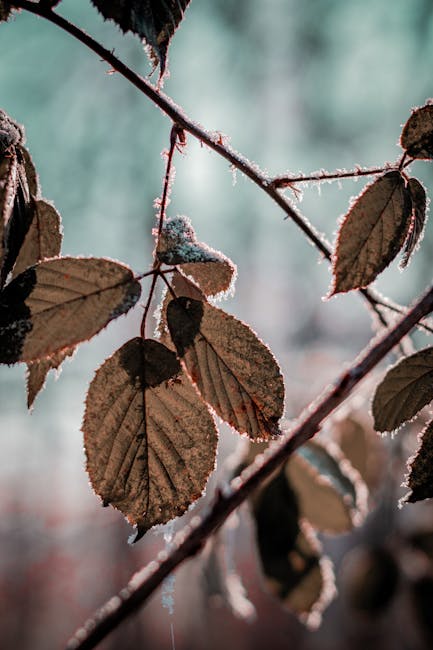
Plants change their shape and parts to protect against cold. Some grow smaller leaves to reduce water loss. Others develop thick bark to keep warmth inside.
- Leaves become waxy or hairy to trap heat
- Stems grow close to the ground to avoid wind
- Roots grow deeper to reach warmer soil
- Some plants shed leaves to save energy
Physiological Adjustments
Plants change how they work inside to handle cold. They slow down growth and reduce water use. This helps them survive frost and ice.
| Adjustment | Benefit |
| Closing stomata | Prevents water loss |
| Slowing photosynthesis | Conserves energy |
| Producing antifreeze proteins | Prevents ice damage |
Biochemical Responses
Plants make special chemicals to fight cold stress. These substances protect cells from freezing and help repair damage.
Key chemicals plants produce include:
- Soluble sugars that lower freezing point
- Proteins that stabilize cell membranes
- Antioxidants that reduce damage from cold
- Hormones that trigger cold tolerance
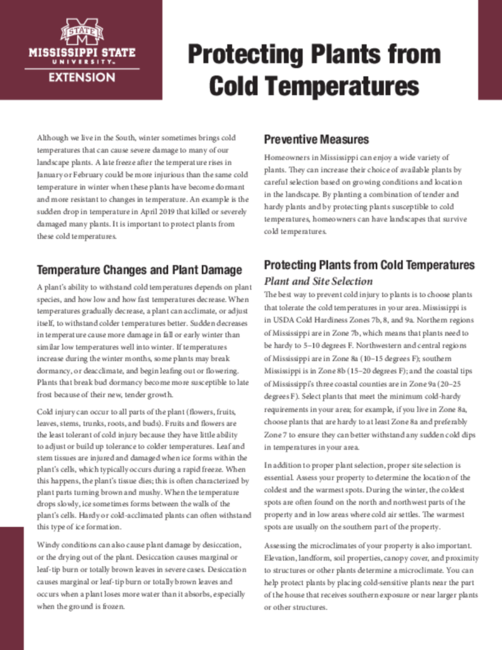
Credit: extension.msstate.edu
Mechanisms Of Cold Resistance
Plants face many challenges in cold weather. They need special ways to survive freezing temperatures. Cold resistance helps plants keep growing and stay healthy.
This resistance depends on different parts inside the plant. These parts protect cells and stop damage from ice and cold stress.
Antifreeze Proteins
Antifreeze proteins stop ice crystals from growing inside plant cells. They bind to small ice crystals and stop them from getting bigger. This protects the plant’s cells from damage caused by freezing.
These proteins are made when temperatures drop. They help plants survive in very cold places by lowering the freezing point of water inside cells.
Cell Membrane Stability
Cold weather can make cell membranes stiff and break. Plants change the fats in their membranes to stay flexible. This keeps the membranes from cracking in the cold.
| Membrane Change | Effect |
| More unsaturated fats | Keeps membrane fluid and flexible |
| Less saturated fats | Prevents membrane from hardening |
| New proteins | Protects membrane structure |
Osmoprotectants Role
Osmoprotectants are small molecules that help plants keep water inside cells. They stop ice from forming and reduce damage from cold and drought.
- Protect proteins and enzymes
- Maintain cell water balance
- Reduce ice crystal formation
- Help cells recover after freezing
Dormancy And Growth Cycles
Plants face tough challenges during cold weather. To survive, they use dormancy and growth cycles. These natural processes help plants rest and protect themselves from freezing temperatures.
Dormancy slows down a plant’s life activities. Growth cycles restart when conditions improve. Understanding these cycles shows how plants live through winter.
Triggering Dormancy
Plants sense changes in temperature and daylight. Shorter days and cooler temperatures signal them to prepare for dormancy. They stop growing and store energy.
Hormones in the plant change to slow down processes. This helps the plant save resources for the cold months ahead.
Surviving Freezing Temperatures
During dormancy, plants protect their cells from freezing. They produce special chemicals that act like antifreeze. These chemicals stop ice crystals from damaging cells.
Some plants grow thick bark or shed leaves. This reduces water loss and shields them from cold winds.
- Produce antifreeze-like chemicals
- Grow thick bark for insulation
- Shed leaves to save water
- Close stomata to reduce moisture loss
Resuming Growth
When temperatures rise and days get longer, plants leave dormancy. They start using stored energy to grow new leaves and flowers. This marks the start of a new growth cycle.
Plants increase water and nutrient uptake. This helps them rebuild and prepare for the growing season ahead.

Credit: www.vlnola.com
Environmental Factors Influencing Survival
Plants face many challenges during cold weather. Some environmental factors help them survive harsh winter conditions. Understanding these factors shows how plants adapt and protect themselves.
This article looks at soil conditions, snow insulation, and microclimate effects. Each plays a role in helping plants survive cold weather.
Soil Conditions
Soil type and moisture affect how well plants survive cold. Moist soil holds heat better than dry soil. This warmth protects roots from freezing. Loose soil allows air to circulate and can cause roots to dry out.
- Wet soil keeps roots warm in winter.
- Heavy clay soil can freeze more slowly.
- Well-drained soil prevents water from freezing around roots.
- Soil with organic matter stores heat and moisture.
Snow Insulation
Snow acts like a blanket for plants. It traps heat from the ground and blocks cold air. This insulation keeps the soil temperature higher than the air above.
| Snow Depth | Soil Temperature | Root Protection |
| Less than 5 cm | Near freezing | Low |
| 5 to 20 cm | Above freezing | Moderate |
| More than 20 cm | Several degrees above freezing | High |
Microclimate Effects
Microclimates are small areas with different weather than surrounding places. They can form near buildings, rocks, or hills. These spots can be warmer or colder than open areas.
Examples of microclimate benefits for plants:
- Walls can block wind and keep plants warmer.
- South-facing slopes get more sun and heat.
- Rocks absorb heat during the day and release it at night.
- Dense plant groups reduce wind chill and trap heat.
Human Interventions To Protect Plants
Cold weather can harm plants and slow their growth. People use special ways to help plants survive the cold. These methods keep plants safe and healthy during winter.
Protecting plants from cold is important for gardens and farms. Humans use different tools and ideas to stop frost damage and freezing.
Mulching Techniques
Mulching covers the soil around plants with materials like straw or leaves. This layer keeps the ground warmer and holds moisture.
Mulch stops the soil from freezing fast. It also protects plant roots from cold air and frost.
- Use straw, wood chips, or dry leaves
- Apply mulch 2-4 inches thick around plants
- Keep mulch away from plant stems to avoid rot
- Renew mulch layer before winter starts
Cold Frames And Greenhouses
Cold frames are small boxes with clear tops. They trap sunlight and warm the air for plants inside.
Greenhouses are larger and fully cover plants. They keep cold air out and create a warm environment all winter.
- Place cold frames on sunny spots
- Ventilate frames and greenhouses on warm days
- Use heaters or lights in greenhouses if needed
- Check for frost and cover plants inside
Selecting Cold-hardy Species
Some plants naturally survive cold weather better. Choosing these plants helps gardens thrive in winter.
Cold-hardy species resist frost and keep growing when others stop. They are good choices for cold regions.
- Pick native plants adapted to local winter
- Choose varieties labeled as frost-resistant
- Use shrubs and evergreens for winter greenery
- Plant trees that lose leaves to save energy
Frequently Asked Questions
How Do Plants Protect Themselves From Freezing Temperatures?
Plants produce antifreeze proteins and increase sugar levels in cells. This lowers the freezing point of water inside cells, preventing ice formation that can damage tissues during cold weather.
What Adaptations Help Plants Survive Cold Winters?
Plants develop thicker leaves, waxy coatings, and dormant buds. These adaptations reduce water loss and protect vital tissues from cold damage, helping plants endure harsh winter conditions.
Can Plants Survive Frost Without Damage?
Yes, some plants tolerate light frost by hardening their tissues. Hardening increases cell fluid concentration, lowering freezing risk and allowing plants to survive short, mild frost events.
How Do Deciduous Trees Survive Cold Seasons?
Deciduous trees shed leaves to reduce water loss and energy use. This helps conserve resources and prevents damage from freezing temperatures during winter months.
Conclusion
Plants protect themselves from cold in many clever ways. They change their leaves and slow down growth. Some store water and sugars to stay safe inside. Others grow thick bark or tiny hairs for warmth. These tricks help plants survive freezing temperatures.
Nature’s design is simple but strong. Understanding these methods helps us care for plants better. Cold weather is tough, but plants are tougher. They keep living, growing, and thriving, even in the chill. This shows the power of nature’s resilience and balance.