What Do You Need for a Hurricane Survival Kit: Essential Items to Stay Safe
When a hurricane is on the horizon, your top priority is keeping yourself and your loved ones safe. But how prepared are you really?
Imagine the peace of mind you’ll feel knowing you have everything you need to weather the storm. A well-prepared hurricane survival kit is not just a box of supplies; it’s your lifeline in an emergency. Have you ever wondered what essentials you should pack to ensure you’re ready for anything?
In this guide, you’ll discover the must-have items that will empower you to face any hurricane with confidence. Let’s dive in and make sure you’re fully equipped to protect what matters most.
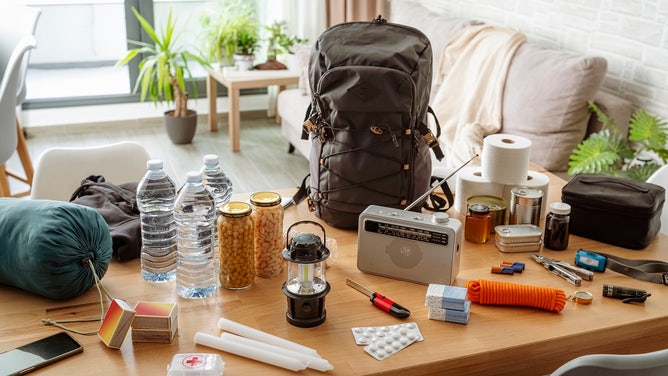
Credit: www.foxweather.com
Basic Supplies
A hurricane survival kit needs basic supplies to keep you safe. These supplies help you manage during power outages and unsafe conditions. Prepare your kit before a storm hits.
Focus on water, food, and first aid. These items support your health and well-being. Keep everything in one easy-to-carry container.
Water And Hydration
Water is the most important supply during a hurricane. You need enough for drinking and hygiene. Store clean water in sealed containers.
- One gallon per person per day
- Store at least three days’ worth
- Use water purification tablets if needed
- Keep extra bottles for pets
- Replace water every six months
Non-perishable Food
Choose foods that last long and need no refrigeration. Ready-to-eat items save time and energy during a storm. Avoid foods that spoil fast.
| Food Item | Storage Life | Notes |
| Canned vegetables | 1-2 years | Check cans for dents or rust |
| Peanut butter | 6-9 months | Good protein source |
| Granola bars | 6 months | Easy snack |
| Dried fruit | 6-12 months | Provides vitamins and energy |
| Instant noodles | 6 months | Requires hot water |
First Aid Essentials
A first aid kit helps treat minor injuries. It protects you until medical help arrives. Include basic supplies and some extra items.
- Adhesive bandages in various sizes
- Antiseptic wipes and ointment
- Sterile gauze pads and tape
- Scissors and tweezers
- Pain relievers like acetaminophen
- Allergy medicine if needed
- Disposable gloves
- Thermometer
Tools And Equipment
A hurricane survival kit must include reliable tools and equipment. These items help you stay safe and solve problems during power outages and emergencies.
Choose tools that are easy to use and durable. Keep everything in one place for quick access when needed.
Flashlights And Batteries
Flashlights provide light during power failures. Choose LED flashlights because they use less energy and last longer.
Always keep extra batteries in your kit. Use the correct size and type for your flashlight. Store batteries in a cool, dry place.
- LED flashlight with multiple brightness settings
- Spare batteries, at least two sets
- Battery tester to check power levels
- Consider a hand-crank or solar flashlight as backup
Multi-tool And Knife
A multi-tool combines many useful tools in one small device. It often includes pliers, screwdrivers, and scissors.
A sturdy knife is important for cutting ropes, opening packages, or preparing food. Choose a knife with a comfortable grip and sharp blade.
- Multi-tool with pliers, screwdriver, scissors, and bottle opener
- Fixed-blade or folding knife with locking mechanism
- Keep tools clean and sharp for safety
Manual Can Opener
A manual can opener lets you open canned food without electricity. This tool is essential if you store canned goods in your kit.
Choose a strong, easy-to-use can opener. Test it before the hurricane season to ensure it works well.
- Durable stainless steel blade
- Comfortable, non-slip handles
- Easy to clean after use
Communication Devices
Having reliable communication devices is very important during a hurricane. They help you stay informed and connected. This can keep you safe and calm.
Choose devices that work without electricity. Make sure you can charge or power them easily.
Battery-powered Radio
A battery-powered radio helps you get news and weather updates. It works even when the power is out. This device keeps you aware of emergency alerts.
Keep extra batteries ready. Test the radio before the storm to make sure it works well.
- Choose a radio with AM and FM bands
- Look for one with a weather alert feature
- Keep spare batteries in a dry place
- Consider a hand-crank radio for backup power
Charged Mobile Devices
Mobile phones help you call for help and check news online. Keep them fully charged before the hurricane arrives. Carry portable chargers to keep phones powered.
Limit phone use to save battery. Turn off apps you don’t need. Use airplane mode if there is no signal.
- Charge all phones and tablets ahead
- Bring power banks or portable chargers
- Keep charging cables in your kit
- Use phone power-saving modes
Emergency Contact Information
Write down important phone numbers on paper. This helps if devices run out of battery. Include family, friends, and local emergency services.
Keep the list in your survival kit. Share these contacts with everyone in your household. It helps you stay connected during the storm.
- Family members’ phone numbers
- Local emergency services (fire, police, medical)
- Nearby shelters and relief centers
- Utility company contacts (electric, water, gas)
Clothing And Shelter
Having the right clothing and shelter items is crucial for a hurricane survival kit. They protect you from harsh weather and keep you safe during the storm.
Choose durable and comfortable gear that helps you stay warm and dry. Prepare to face rain, wind, and cold temperatures.
Weather-appropriate Clothing
Wear clothes that protect you from rain and cold. Use layers to stay warm and adjust easily. Avoid cotton as it holds moisture.
- Waterproof jacket or raincoat
- Warm sweaters or fleece
- Quick-dry shirts and pants
- Hat to protect from rain and sun
- Gloves and scarves for cold weather
Sturdy Footwear
Strong shoes keep your feet safe and dry. They also help you walk through flooded or rough areas.
| Type | Purpose |
| Waterproof boots | Keep feet dry in wet conditions |
| Closed-toe shoes | Protect feet from debris |
| Extra socks | Replace wet pairs to avoid blisters |
Emergency Blankets And Tarp
Emergency blankets and tarps provide quick shelter and warmth. They are lightweight and easy to carry in your kit.
- Use emergency blankets to retain body heat.
- Set up tarps to create a waterproof shelter.
- Both help protect against wind and rain.
- Keep these items accessible at all times.
Personal Hygiene Items
Having personal hygiene items in your hurricane survival kit helps keep you clean and healthy. These items reduce the risk of illness during emergencies.
Prepare your kit with items that help with sanitation, medicine, and protection. These essentials support your well-being in difficult conditions.
Sanitation Supplies
Sanitation supplies help prevent the spread of germs. Clean hands and surfaces reduce the chance of infection.
Include items that help you stay clean without running water. Proper sanitation is key in survival situations.
- Hand sanitizer with at least 60% alcohol
- Disposable wet wipes for cleaning skin
- Toilet paper and tissues
- Plastic bags for trash and waste
- Soap bars or liquid soap if water is available
Medications And Prescriptions
Keep a supply of your regular medications in your kit. Running out of medicine can cause serious health problems.
Bring extra prescriptions and basic first aid medicines to treat minor injuries and illnesses.
- Daily prescription medicines in original containers
- Pain relievers like acetaminophen or ibuprofen
- Antihistamines for allergies
- Antiseptic creams and ointments
- Thermometer
Masks And Gloves
Masks help protect your nose and mouth from dust, debris, and germs. Gloves protect your hands from dirt and germs.
Use disposable or reusable masks and gloves. They add a layer of safety when cleaning or helping others.
- Face masks, preferably N95 or surgical masks
- Disposable latex or nitrile gloves
- Extra masks and gloves for family members
- Proper disposal bags for used masks and gloves
Important Documents
Having important documents ready is key for hurricane survival. These papers help prove your identity and insurance claims.
Keep copies safe and accessible. This will make recovery easier after a storm.
Identification And Insurance Papers
Include government-issued IDs like driver’s licenses and passports. Also gather insurance policies for your home, car, and health.
- Driver’s license or state ID
- Passport
- Homeowner’s or renter’s insurance policies
- Car insurance documents
- Health insurance cards
Cash And Credit Cards
Power outages may stop card machines. Keep cash in small bills for emergencies.
| Item | Reason |
|---|---|
| Cash (small bills) | Use when machines are down |
| Credit cards | For larger purchases and fuel |
| Emergency contact numbers | Report lost cards fast |
Copies Of Emergency Plans
Keep printed copies of your emergency plans. This helps if your phone or computer fails.
- Evacuation routes and shelters
- Family meeting points
- Important phone numbers
- Medical information
Special Needs Considerations
Preparing for a hurricane means thinking about everyone in your family. Some people need extra care during emergencies. This guide helps you plan for special needs in your hurricane survival kit.
Including items for babies, pets, and those with disabilities ensures safety and comfort. Check your kit regularly and update it as needed.
Baby And Child Supplies
Babies and young children need specific supplies to stay healthy and calm. Pack enough items to last several days. Think about feeding, hygiene, and comfort.
- Formula, baby food, and bottles
- Diapers, wipes, and diaper rash cream
- Extra clothes and blankets
- Pacifiers and favorite toys
- Medications and a digital thermometer
Pet Care Items
Pets need their own supplies to stay safe. Include food, water, and comfort items. Make sure you have a secure carrier or leash for each pet.
| Item | Purpose |
| Pet food and treats | Nutrition during the emergency |
| Water and bowls | Hydration |
| Leash, collar, and ID tags | Control and identification |
| Carrier or crate | Safe transport |
| Medication and first aid | Health needs |
Accessibility Tools
People with disabilities need special tools to manage daily tasks during a hurricane. Prepare items that help with mobility, communication, and medical care.
- Extra batteries for hearing aids and medical devices
- Wheelchair repair kit and spare parts
- Communication boards or devices
- Copies of medical prescriptions and important documents
- Personal care items like catheters or oxygen supplies
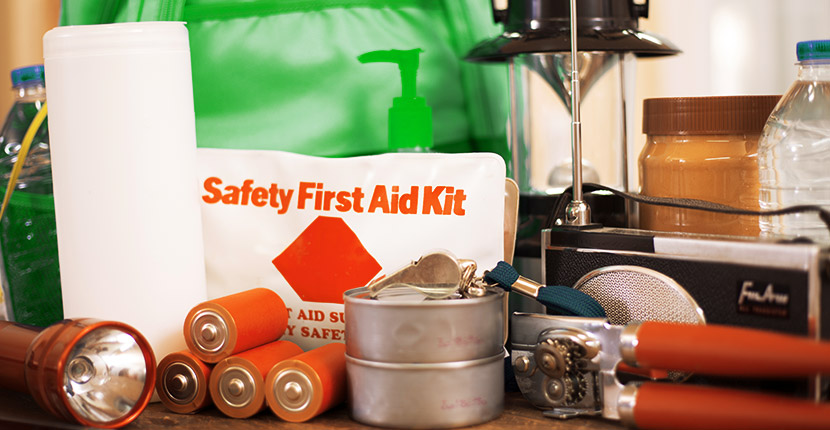
Credit: www.batteriesplus.com
Preparing Your Kit
Building a hurricane survival kit is important to stay safe. You need to prepare it before the storm comes.
Your kit should have essential items to help you during and after a hurricane. Planning helps you avoid last-minute stress.
Storage Tips
Keep your survival kit in a dry, easy-to-reach place. Use waterproof containers to protect items from water damage.
Label the container clearly so everyone in the family knows where it is. Avoid storing your kit in places that can flood.
- Use sturdy, waterproof bins or bags
- Store in a cool, dry area like a closet or garage shelf
- Keep the kit accessible but safe from pets or children
- Label the container with “Hurricane Kit” or similar
Regular Maintenance
Check your kit every six months to replace expired food and batteries. Fresh supplies help keep your kit ready.
Test equipment like flashlights and radios to make sure they work. Update your kit if your needs change.
- Inspect canned and packaged foods for expiration dates
- Replace batteries in flashlights and radios
- Check water bottles for leaks or expiration
- Update clothing and medications as needed
Customizing For Your Location
Your kit should match your local weather and risks. Include items that fit your area’s needs.
If you live in a cold area, add blankets and warm clothes. In hot climates, include extra water and sun protection.
- Add extra water if your area is hot
- Include warm blankets for cold regions
- Pack local maps and emergency contacts
- Consider special items for pets or babies
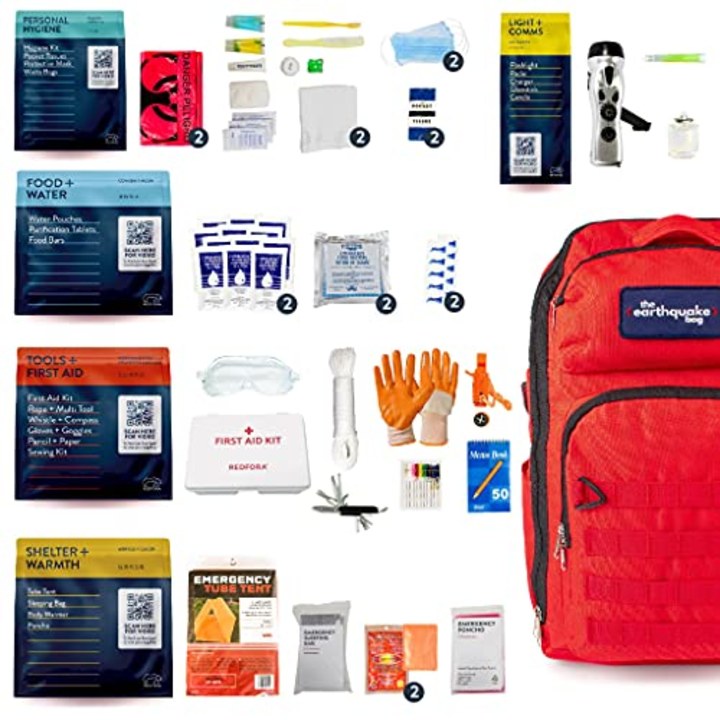
Credit: www.nbcnews.com
Frequently Asked Questions
What Are The Essential Items In A Hurricane Survival Kit?
A hurricane survival kit should include water, non-perishable food, flashlight, batteries, first aid supplies, important documents, and a radio. These items ensure safety, communication, and basic needs during and after a hurricane.
How Much Water Should I Store For A Hurricane?
Store at least one gallon of water per person per day. Plan for a minimum of three days to stay hydrated throughout the hurricane emergency.
Why Is A Battery-powered Radio Important In A Hurricane Kit?
A battery-powered radio provides critical weather updates and emergency instructions when power is out. It ensures you stay informed and safe during a hurricane.
Should I Include Medication In My Hurricane Survival Kit?
Yes, include a supply of prescription medications and basic first aid. Having necessary medicine is vital for health and managing medical conditions during a hurricane.
Conclusion
A hurricane survival kit saves lives and reduces stress. Pack water, food, and important documents first. Include a flashlight, batteries, and a first aid kit. Don’t forget clothes, blankets, and hygiene items. Keep your kit ready and check it often.
Stay prepared to protect your family and home. Safety is in your hands. Being ready brings peace of mind. Simple steps can make a big difference. Stay safe during hurricane season.